
Are you leaving leads on the table? Many businesses treat YouTube as a secondary marketing channel, missing its true power to drive conversions. This guide shows you how to change that. We'll explore proven strategies for creating compelling video content that attracts your ideal audience and generates high-quality leads. You'll learn how to optimize your channel for search and use effective calls to action that turn viewers into loyal customers. Get ready to transform your marketing results with a clear strategy for YouTube lead generation.
Key Takeaways
- Video content excels at lead generation: YouTube’s dynamic format fosters deeper engagement and drives conversions more effectively than static content.
- A comprehensive YouTube strategy is essential: Consider all aspects of your channel, from video optimization and channel branding to content strategy and audience analysis.
- Continuously analyze and adapt your approach: Use YouTube Analytics to track key metrics, refine your strategy, and maximize your lead generation results.
Why Use YouTube for Lead Generation?
YouTube offers a unique blend of visual storytelling, massive reach, and interactive engagement, making it a powerful platform for lead generation. Unlike static text or images, video content creates a deeper connection with viewers, fostering trust and building relationships that convert viewers into loyal customers. This dynamic environment sets the stage for capturing leads and nurturing them through your sales funnel.
The Power of YouTube by the Numbers
YouTube is more than just a video library; it's the world's second-largest search engine and a hub for potential customers. With over a billion hours of video watched on the platform every single day, the potential reach for your business is enormous. For small and local businesses, this scale means you can connect with people who are actively searching for the exact solutions you provide. Unlike static blog posts or images, video allows you to demonstrate your expertise, showcase products in action, and build a personal connection with viewers. This deeper level of engagement fosters trust, which is a critical first step in turning a casual viewer into a qualified lead for your business.
Understanding the Value of Inbound Leads
YouTube is a powerful engine for generating inbound leads. Unlike outbound marketing where you reach out to people cold, inbound leads come directly to you. These are individuals who are actively searching for answers or solutions and discover your video content during their search. Because they initiate the contact, they are already interested in what you have to offer, making them significantly more likely to convert into customers. Think of each video as a magnet; by creating helpful content that addresses common questions or problems in your industry, you attract viewers who are already part of your target audience, turning your YouTube channel into a consistent source of high-quality leads.
How YouTube Turns Viewers into Leads
Compared to other platforms, YouTube offers a significant conversion advantage. SEO expert Matt Diggity highlights this in his video, sharing that a case study converted ten times more leads when presented on YouTube versus other content formats. He explains, “if I take the same case study and make a YouTube video of it, we’re talking 30,000 views at a 2 to 3% conversion rate—that’s 10 times the leads with the same amount of effort.” This remarkable conversion power stems from YouTube’s ability to engage viewers on a deeper level, fostering trust and driving action.
Why Video Content Captures Attention
Video’s inherent dynamism captures attention and delivers information compellingly. This fosters higher engagement rates compared to static content. Think about it: it’s easier to watch a short video explaining a complex topic than to read pages of text. This ease of consumption makes video content highly shareable, expanding your reach organically. A strong YouTube video strategy can transform your channel into a lead generation machine. With over two billion logged-in monthly users, YouTube provides access to a vast audience, increasing your chances of connecting with potential customers. This engaged audience makes YouTube a prime platform for lead generation, turning viewers into qualified leads.
How to Create YouTube Videos That Generate Leads
Creating engaging video content is just the first step. To capture leads, your videos need to attract viewers and compel them to take action. This section covers optimizing video elements, structuring content, and implementing effective calls to action.
Write Titles and Descriptions That Get Clicks
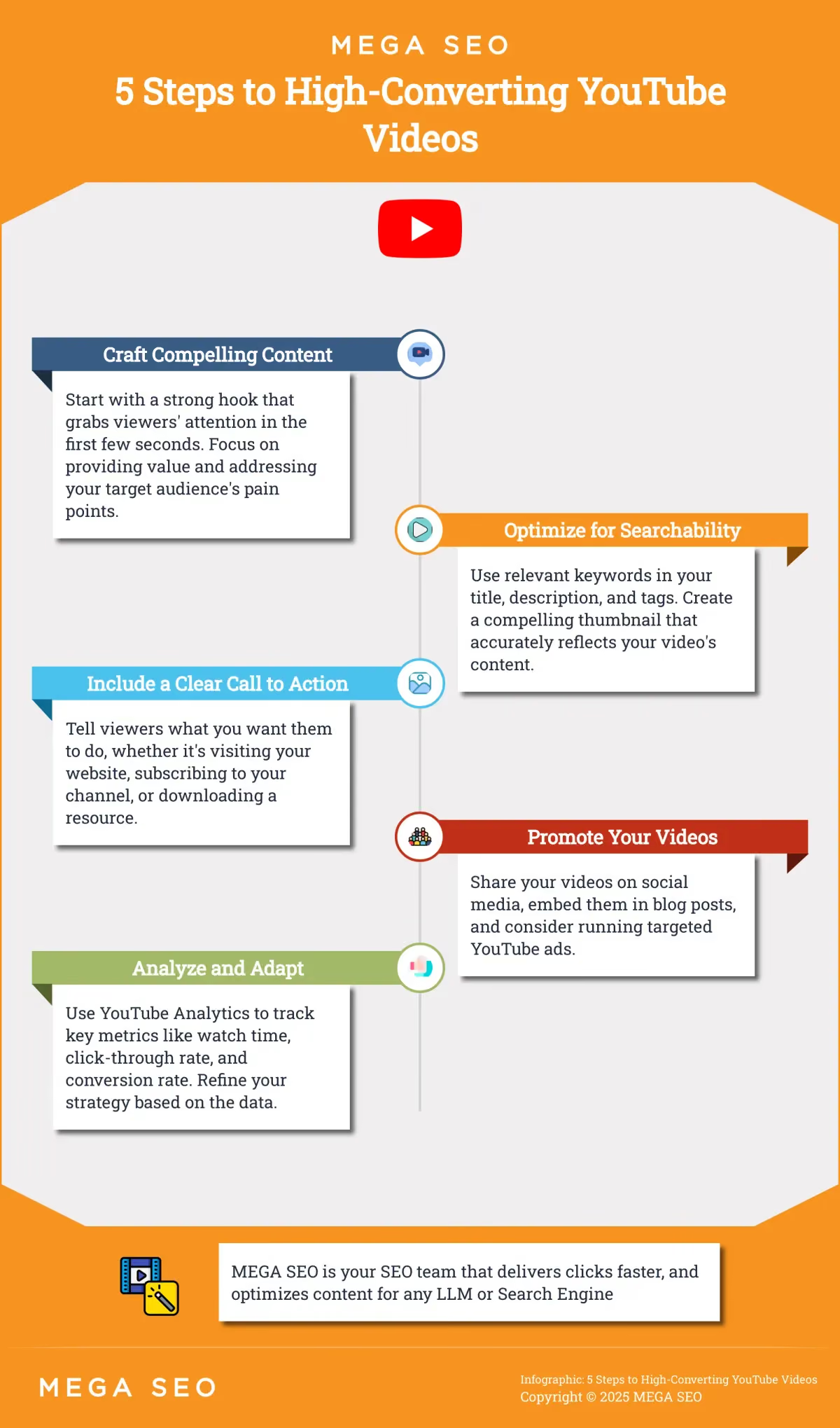
Think of your video title, thumbnail, and description as a combined first impression. They determine whether a viewer clicks on your video. Your title should be concise, keyword-rich, and accurately reflect the video’s content. A compelling thumbnail image should visually represent the video’s topic and entice clicks. Your video description should provide context, include relevant keywords, and link to lead capture tools or resources mentioned in the video. Optimizing your channel for searchability is key for lead generation.
Include Your Brand Name for Search Visibility
A straightforward tactic for making your videos easier to find is adding your brand name to your titles and descriptions. This simple step helps in two key ways: it builds brand recognition and improves your search visibility. When potential customers look for your business online, having your brand name in the title ensures your content shows up. As WebFX points out, including your brand name with relevant keywords helps your videos appear in Google searches, extending your reach beyond just YouTube. Making your channel easy to find through good searchability is fundamental for lead generation, allowing you to connect with more qualified prospects. Consistently using your brand name reinforces your identity and builds the trust that encourages viewers to become customers.
How to Structure Your Videos to Keep Viewers Watching
Once a viewer clicks, your video needs to deliver. Structure your content strategically to maintain engagement and guide viewers toward a desired action. Consider using a problem-solution-benefit framework, where you present a problem your target audience faces, offer a solution, and highlight the benefits of implementing that solution. This approach establishes your expertise and positions your brand as a helpful resource. Remember, consistent uploads are essential for building an audience and generating leads.
The Ideal Video Length and Script Formula
While YouTube supports long-form content, shorter videos often perform better for lead generation. The ideal length is around 60 seconds, with a sweet spot at 30 seconds for driving a specific action. For certain formats, like product reviews, keeping it under three minutes is a solid guideline. The key is to be concise and visually engaging to hold viewer attention. A proven script structure to use within this timeframe is the problem-solution-benefit framework. Start by hooking the viewer with a relatable problem they face. Then, clearly present your solution. Finally, highlight the primary benefit of your solution and guide them to a clear call to action. This formula respects the viewer's time while effectively communicating value and encouraging them to take the next step.
How to Add a Clear Call to Action (CTA)
A strong call to action is crucial for converting viewers into leads. Tell viewers what you want them to do, whether it’s visiting your website, downloading a resource, or subscribing to your channel. Make your CTA clear, concise, and easy to follow. You can include CTAs within the video itself, in the description, and using YouTube’s interactive features. Regularly analyze your performance and adjust your approach to maximize your lead generation efforts.
How to Set Up Your YouTube Channel for Lead Generation
Once you’ve crafted compelling videos, optimize your YouTube channel. Think of your channel as your storefront—it needs to be inviting and organized so viewers can easily find what they’re looking for and subscribe.
Establish Your Brand and Organize with Playlists
First impressions matter. Your channel art and profile picture should reflect your brand identity. Use consistent colors, fonts, and imagery that align with your other online platforms. A cohesive brand presence builds trust and makes your channel recognizable. Organize your video content into playlists. Playlists group related videos, making it easy for viewers to find what they’re looking for and watch more of your content. This also signals to YouTube’s algorithm that your channel offers valuable, structured content.
How to Work with the YouTube Algorithm
YouTube’s algorithm plays a significant role in determining which videos get seen. Understanding how it works is crucial for lead generation. The Close blog points out the potential of YouTube as a source of leads interested in specialized knowledge. The algorithm prioritizes videos that keep viewers engaged. Focus on creating high-quality content that provides value and encourages viewers to watch the entire video. Pay attention to watch time, likes, comments, and shares—these signals tell YouTube that your videos are worth promoting. Effective lead generation strategies on YouTube can attract potential customers and build brand awareness.
Use Relevant Tags to Appear in Related Videos
YouTube tags are keywords and phrases that describe your video and help the platform understand its content. When you use relevant tags, you increase the chances of your video appearing in the "related videos" sidebar when a viewer is watching similar content. This is a powerful way to get discovered by an audience that is already interested in your niche. Think about the search terms a potential customer might use to find your video and use those as tags. A good tagging strategy helps YouTube connect your content with the right viewers, driving relevant traffic to your channel. Using AI-powered tools can also help you discover relevant keywords your audience is searching for, making your tagging process more effective.
Add Captions for Accessibility and Reach
Adding captions to your videos is essential for more than just accessibility. Many people watch videos on their mobile devices in public places with the sound off. Captions ensure your message is understood even without audio. They also make your content accessible to viewers who are deaf or hard of hearing, broadening your potential audience. YouTube’s automatic captioning is a good start, but it’s always best to review and edit them for accuracy. Taking the time to add captions ensures everyone can engage with your content, which can lead to higher watch times and better performance overall.
Encourage Likes and Comments
Engagement signals like likes and comments tell the YouTube algorithm that your video is valuable and engaging. When a video receives a lot of interaction, YouTube is more likely to recommend it to other users. Don’t be shy about asking viewers to engage. A simple verbal cue at the end of your video, such as, "If you found this helpful, give it a thumbs up and let me know your thoughts in the comments," can make a big difference. Posing a specific question related to your video's content is an effective way to encourage comments and start a conversation with your audience.
Engage with Other Channels in Your Niche
Building a presence on YouTube involves more than just uploading your own content. Actively participate in your industry’s community by watching and commenting on videos from other creators in your niche. The goal isn't to promote your own channel but to add thoughtful, valuable insights to the conversation. This positions you as an expert and can pique the interest of other viewers, who may then click on your profile to check out your channel. Consistent, genuine engagement helps build your authority and can attract a highly relevant audience to your content.
Guide Viewers to the Next Step with Cards and End Screens
Cards and end screens guide viewers toward taking action. Use cards to link to other relevant videos, playlists, or external websites, such as landing pages with lead capture forms. End screens appear in the last few seconds of your video and provide a clear call to action. Encourage viewers to subscribe to your channel, visit your website, or download a lead magnet. Services like SaveMyLeads can help you capture leads effectively. Make it as easy as possible for viewers to convert into leads.
How to Plan Your YouTube Content Strategy
A well-defined content strategy is crucial for successful YouTube lead generation. It ensures your efforts are focused and yield measurable results. This involves understanding your audience, planning your content, and finding the right balance between education and promotion.
First, Define Your Target Audience
Before creating any content, you need to know who you’re creating it for. Audience research is the foundation of any successful YouTube strategy. Neglecting this step is a primary reason why many marketers fail on the platform. Understanding your target audience’s demographics, interests, pain points, and viewing habits is essential. What other channels do they frequent? What kind of content do they engage with? Answering these questions will inform your content creation process and help you tailor videos that resonate with your ideal viewers. Tools like YouTube Analytics and social listening can provide valuable insights into your audience. Audience research is essential for lead generation.
Stay Consistent with a Content Calendar
Consistency is key on YouTube. Regular uploads keep your audience engaged and signal to YouTube’s algorithm that your channel is active. A content calendar helps maintain this consistency. Plan your video topics in advance, scheduling releases to optimize reach and engagement. This organized approach also allows you to create a diverse range of content, catering to different stages of the buyer’s journey.
Find the Right Mix of Educational and Promotional Videos
While the ultimate goal is lead generation, viewers are primarily drawn to YouTube for entertainment and information. Providing valuable, educational content builds trust and establishes you as an authority in your niche. Think tutorials, how-to videos, expert interviews, and behind-the-scenes looks. Balance this educational content with promotional videos showcasing your products or services. The key is to offer genuine value while subtly integrating promotional messages. For example, a software company might create a tutorial on a specific feature, naturally highlighting its benefits and guiding viewers to a free trial. Effective lead generation finds this balance.
Create Videos That Demonstrate Your Product
Showing your product in action is one of the most effective ways to build trust and demonstrate value. Video is the perfect medium for this, as its dynamic nature captures attention far better than static images or text. A well-made product demonstration can answer potential customer questions before they even ask them, highlighting the tangible benefits of what you offer and helping viewers visualize themselves using your product successfully.
Consider creating tutorials or how-to videos that walk viewers through a specific feature or solve a common problem. This approach provides immediate value while showcasing your product's capabilities. For example, a video could show a local business owner how to use an AI tool to generate a month's worth of ad variations in just a few minutes. A compelling demonstration not only educates but also moves potential customers closer to making a purchase. Always include a clear call to action that guides viewers to the next step, like signing up for a free trial or visiting a product page.
What Your YouTube Analytics Can Teach You
This section focuses on using YouTube Analytics to gain actionable insights for your lead generation strategy. We’ll explore the key metrics to track and how to use data to refine your approach.
Which Metrics Actually Matter for Generating Leads?
Not all YouTube metrics are created equal. When your goal is lead generation, prioritize metrics that directly reflect your progress. These key performance indicators (KPIs) offer insights into which videos and strategies resonate with your audience and drive conversions. Pay close attention to metrics like:
- Click-through rate (CTR): CTR measures how often viewers click your call-to-action (CTA) overlays or links. A high CTR indicates compelling CTAs and effective messaging. Test different CTAs and placements to see what performs best. Content Strategy Courses provides guidance on creating a YouTube video strategy that generates leads, emphasizing high-quality content and strategic lead capture.
- Conversion rate: This crucial metric tracks how many viewers complete a desired action, such as signing up for your email list. A strong conversion rate signals that your content effectively nurtures viewers toward becoming leads. Search Engine Land offers valuable insights into measuring YouTube ad success and tying it to desired outcomes like lead generation.
- Traffic sources: Understanding where your viewers come from (e.g., YouTube search, suggested videos) helps you identify which promotion strategies are most effective. Double down on what’s working and adjust underperforming channels.
- Audience demographics: Knowing your audience’s age, location, and interests helps you tailor your content and target your ideal customer profile. Use this data to create videos that resonate with your target audience and address their specific needs.
How to Use Data to Improve Your Strategy
YouTube Analytics provides a wealth of data beyond basic views and likes. Dive deeper into the metrics to understand audience behavior and refine your content strategy. Consider these data-driven strategies:
- Analyze watch time: High watch time suggests engaging content. Identify patterns in videos with the highest watch time and apply those principles to future content. If viewers drop off at certain points, consider revising those sections. WinSavvy offers a comprehensive guide to YouTube lead generation techniques, emphasizing the importance of understanding audience behavior.
- Review audience retention: This metric shows how well your videos hold viewers’ attention. A steep drop-off early in the video may indicate a weak introduction. Consider using tools like SaveMyLeads to streamline your lead capture and nurturing process.
- Segment your audience: Divide your audience into groups based on demographics or viewing habits. This allows you to create targeted content and CTAs for different segments, maximizing your lead generation efforts.
- Experiment with different content formats: Try various video styles (e.g., tutorials, product demos) to see what resonates best with your audience. A/B test different titles and thumbnails to optimize for higher CTRs and conversions.
How to Fit YouTube into Your Marketing Funnel
Integrating YouTube into your marketing funnel is key to maximizing your lead generation efforts. Think of your funnel as a journey you want your viewers to take, from initial awareness to becoming loyal customers. YouTube plays a powerful role at every stage.
Sync Your YouTube Content with Other Channels
To get the most from your YouTube lead generation strategy, your video content should align with your overall marketing strategy. This means making sure your YouTube videos complement your other marketing channels, like social media, email marketing, and your website. For example, you could create a video series that expands on a blog post topic or use social media to tease upcoming YouTube content. By creating a cohesive message across all platforms, you reinforce your brand and make it easier for potential leads to engage with your content, ultimately guiding them through the marketing funnel. A consistent brand experience across platforms builds trust and encourages conversions.
Create a Smooth Path from Viewer to Lead
A smooth user experience is essential for turning viewers into leads. Make sure your YouTube channel is easy to navigate, with clear calls to action (CTAs) directing viewers to your website or landing pages. Think about what you want viewers to do after watching your video and make it easy for them. Including lead capture tools, like forms or links in your video descriptions, can significantly improve the user experience. Simple CTAs make it easy for viewers to take the next step. To create a seamless transition from your YouTube content to your website, consider using end screens and cards that link directly to relevant resources. This ensures viewers can easily find more information or sign up for your offerings. For example, link to a relevant blog post, a free trial, or a product page based on the video’s content.
Advanced Strategies for YouTube Lead Generation
Once you’ve built a solid YouTube presence, explore these advanced techniques to maximize your lead generation results.
How to Use Lead Magnets in Your Video Descriptions
A lead magnet is a valuable resource—like a free ebook, checklist, template, or discount code—that you offer viewers in exchange for their contact information. Feature your lead magnet prominently in your video descriptions. Write compelling copy that highlights the benefits of downloading the resource and include a clear call to action with a direct link to your landing page. This guide on developing a YouTube video strategy emphasizes creating high-quality content and using strategic lead capture tools to generate leads.
Work with Other Creators to Expand Your Reach
Partnering with other YouTubers expands your reach. Look for creators with a similar target audience but non-competing offerings. Collaborate on videos, participate in each other’s live streams, or mention each other’s channels. Cross-promotion introduces your channel to a new audience and builds credibility. This LinkedIn article offers helpful tips on using YouTube to generate leads, including the power of collaboration.
How to Re-Engage Viewers with Retargeting Ads
Retargeting allows you to re-engage viewers who have already interacted with your channel. This is especially effective for paid advertising, often yielding the highest return on ad spend. By showing targeted ads to past viewers, you reinforce your message and increase conversions. This video on generating leads with YouTube explains how retargeting can improve conversion rates.
Using YouTube Ads to Generate Leads
While organic reach on YouTube is powerful, paid advertising can significantly amplify your lead generation efforts. This section explores how to choose the right ad formats and targeting strategies to maximize your return on investment.
Understanding Interruption-Based Advertising
YouTube ads are a form of interruption-based advertising. This means they appear while a viewer is already engaged in another activity—watching a video they chose. Because of this, your ad needs to be compelling from the very first second to capture their attention and prevent them from hitting the "skip" button. The key is to create an ad that feels less like an interruption and more like a relevant, valuable piece of content. When you get this right, you can connect with a highly focused audience at the exact moment they are consuming content related to your industry, making it a powerful way to introduce your brand.
Is YouTube Advertising Right for Your Business?
YouTube advertising can be a great fit for your business if you want to tell a visual story and reach a specific audience. The platform’s massive reach is combined with powerful targeting options, allowing you to show your ads to people based on their demographics, interests, and even the specific videos they watch. This precision is especially useful for small and local businesses that need to make every marketing dollar count. Many ad formats also operate on a cost-effective model where you only pay if someone watches for at least 30 seconds or interacts with your ad, reducing the risk of wasted spend. With tools that simplify paid ads management, YouTube provides a direct path to potential customers who are most likely to be interested in what you offer.
Which Ad Format Works Best for Leads?
YouTube lead generation ads present a unique way to connect with your target audience through video content. Unlike static display ads, video ads offer a dynamic and engaging way to provide valuable information while capturing leads. Think of your YouTube ads as miniature trailers showcasing your product or service’s benefits. This approach allows you to capture leads while simultaneously offering potential customers useful content. YouTube provides a variety of lead generation ad formats, each with its own strengths. Experiment to see which format resonates best with your audience and marketing goals. For example, some viewers respond well to concise, direct messaging, while others prefer a more narrative approach. Testing different formats helps you identify what works best.
Consider these popular options:
- In-stream skippable ads: These ads play before, during, or after other videos. Viewers have the option to skip after five seconds, so make those first few seconds count! A compelling hook is essential to keep viewers engaged.
- Non-skippable in-stream ads: These shorter ads must be watched entirely before the main video plays. While they guarantee views, use them judiciously to avoid disrupting the user experience. Focus on delivering a concise and impactful message.
- Video discovery ads: These ads appear alongside organic search results and related videos. They’re less intrusive and ideal for viewers actively searching for information related to your offerings. Make sure your ad copy and visuals align with the search intent.
- Overlay ads: These semi-transparent ads appear at the bottom of the video player during playback. They’re a subtle way to promote your offer without interrupting the viewing experience. Keep the messaging brief and clear.
Matching Ad Types to Your Goals
The best ad format for your business depends entirely on what you want to achieve. Are you trying to build brand awareness, or are you focused on capturing leads right now? For brand awareness, a non-skippable ad can ensure your message is seen, while a discovery ad is perfect for reaching viewers actively searching for solutions like yours. Think of your YouTube ads as miniature trailers that showcase your product’s benefits. This approach lets you capture leads while offering potential customers useful content. The key is to align the ad format with your specific marketing objective. Experiment with different types to see which ones resonate most effectively with your audience and drive the results you need.
How You Pay for Skippable Ads
Skippable in-stream ads operate on a cost-per-view (CPV) model, which is great for your budget. You only pay when a viewer watches at least 30 seconds of your ad (or the entire ad if it's shorter) or when they interact with it by clicking a link. This means you aren't charged for viewers who skip your ad within the first five seconds. Because viewers have the option to skip, those initial moments are critical. You need a compelling hook to grab their attention and convince them to keep watching. This payment structure ensures your ad spend is focused on an audience that has shown genuine interest in your message, making it a cost-effective way to reach potential customers.
How to Target Your Ads for the Best Results
While YouTube ads can be effective for lead generation, they can also be used for brand awareness. Understanding your audience and their behavior on the platform is key to maximizing your ROI. Some audiences might be more receptive to certain ad formats than others. For example, if your target audience is actively searching for solutions, discovery ads might be more effective than skippable in-stream ads. Consistently analyzing your performance metrics and adapting your targeting strategies based on the data is crucial. Regularly reviewing your ad performance helps you identify areas for improvement and optimize your campaigns for better results. Refining your targeting ensures your ads are seen by the right people, increasing your chances of converting viewers into leads.
YouTube offers powerful targeting options to refine your reach and improve your results. Think of these options as a laser focus for your ads, ensuring they reach the most relevant viewers. Consider these targeting options:
- Demographics: Target viewers based on age, gender, location, and other demographic data. This helps you reach specific segments of your target market.
- Interests: Reach viewers based on their interests, such as technology, fashion, or gaming. This allows you to connect with viewers who are likely to be interested in your products or services.
- Behaviors: Target viewers based on their past YouTube activity, such as videos they’ve watched or channels they’ve subscribed to. This helps you reach viewers who have demonstrated an interest in similar content.
- Keywords: Show your ads to viewers who are searching for specific keywords related to your business. This ensures your ads are seen by viewers actively looking for information related to your offerings.
- Custom audiences: Target viewers based on your existing customer data, such as email lists or website visitors. This allows you to re-engage with potential customers who have already interacted with your brand.
By carefully selecting your ad formats and implementing precise targeting, you can ensure your YouTube advertising budget is used effectively, generating high-quality leads and maximizing your return on investment.
Setting Your Bidding Strategy and Budget
Setting the right bid and budget for your YouTube ads can feel like a guessing game, but there’s a straightforward way to start. If you’re new to video advertising, begin with a conservative bid—about one to two times what you would typically pay for a Display ad. This approach helps you gather performance data without risking a large portion of your budget. As you start to see results, you can gradually adjust your bid downwards by 10-15% at a time to find the sweet spot that yields the most leads for the lowest cost. This methodical process ensures you’re making data-driven decisions rather than spending blindly. Your daily budget should be at least 20 times your target bid amount to give the campaign enough room to generate a meaningful number of leads and allow the algorithm to learn effectively.
Using YouTube's Native Lead Forms
YouTube offers a native lead form feature designed to capture viewer information directly within the platform. This tool simplifies the lead generation process by eliminating the need for viewers to navigate away from YouTube to a separate landing page. By reducing friction, you can increase the likelihood of a viewer sharing their contact details. You can either build a new ad campaign centered around a lead form or integrate one into an existing video campaign. This flexibility allows you to test lead generation on your best-performing content without starting from scratch. It’s a direct and efficient way to turn viewer interest into actionable leads for your business.
How Lead Forms Work
YouTube's lead forms are designed to help businesses collect contact information from people who show interest in their products or services. When setting up your campaign, you can choose between two goals for your leads. You can optimize for "Higher intent" leads, which targets users who are more likely to be genuinely interested, or you can aim for "More volume," which prioritizes collecting a larger quantity of leads. The choice depends on your business goals—whether you prefer a smaller list of highly qualified prospects or a larger list for broader nurturing campaigns. This feature helps you find new customers and build marketing lists directly from your video ads.
Limitations and the Shift to Demand Gen Ads
While native lead forms are useful, it's important to be aware of their limitations. Currently, these forms are only displayed to viewers on Android mobile phones and tablets, which means you could miss out on leads from iOS and desktop users. Additionally, your Google Ads account must have a solid history of policy compliance to be eligible for this feature. It's also worth noting that lead forms are not supported in the newer Demand Gen campaign types, signaling a potential shift in how Google handles on-platform lead capture. Staying aware of these constraints helps you set realistic expectations and plan your strategy accordingly as the platform continues to evolve.
Streamlining Ad Creation and Management
Managing a paid ad campaign involves more than just setting a budget and hitting "go." For small business owners, the process of creating ad variations, writing compelling copy, building landing pages, and optimizing spend across different platforms can be overwhelming. Juggling these tasks manually is not only time-consuming but also makes it difficult to scale your efforts effectively. As your campaigns grow, the complexity increases, and without a streamlined process, you risk wasting ad spend on underperforming creative or targeting the wrong audience. This is where automation and AI-powered tools can make a significant difference, handling the heavy lifting so you can focus on your business.
How AI Can Help Scale Your Paid Ad Campaigns
AI-powered platforms can dramatically simplify and improve your advertising efforts. These tools can automate repetitive tasks and provide data-driven insights to enhance campaign performance. For instance, AI can generate high-converting landing pages in minutes and help write promotional content to drive traffic. At MEGA AI, our Paid Ads platform is built to streamline this entire workflow. You can upload your creative assets in bulk to Meta, Google, and LinkedIn simultaneously. Our AI will then remix your content to create hundreds of variations, including translating voiceovers and captions for different markets. It also automatically moves your budget to the best-performing ads, ensuring your spend is always optimized for maximum impact and lead generation.
How to Measure and Grow Your YouTube Lead Generation
After launching your YouTube lead generation strategy, measure your results to refine your approach and maximize your return on investment. Creating videos isn’t enough; you need to understand what’s working and how to improve.
How to Set Clear Benchmarks and KPIs
Before analyzing your data, establish clear benchmarks and key performance indicators (KPIs). Look at your current lead generation numbers from other sources to establish a starting point. Then, define the metrics that matter most for your YouTube strategy. Are you focused on views, watch time, click-through rates, or conversions? These metrics help you understand the financial return and whether your YouTube strategy generates desired outcomes, such as purchases or leads. MEGA SEO can help you track and analyze these KPIs automatically.
Test and Refine with A/B Testing
Use your data to improve your videos and overall strategy. A/B test different titles, thumbnails, calls to action, and even video content. See what resonates with your audience and drives the most conversions. MEGA SEO’s Maintenance Agent can automate these tests and track results, making it easy to identify what works. Create high-quality content that resonates with your target audience, optimize your channel for searchability, and strategically implement lead capture tools.
How to Turn More of Your Viewers into Leads
YouTube has the potential to dramatically increase your view-to-lead conversion rate. A compelling video can reach thousands of potential customers, and a small conversion rate can translate into significant leads. A video with 30,000 views and a 2–3% conversion rate can generate significantly more leads than other content formats with the same effort. Create videos that attract viewers and guide them toward taking action, whether visiting your website, signing up for a newsletter, or requesting a demo. Use clear calls to action and make it easy for viewers to follow through.