
In the world of SEO, backlinks are like gold. They're the currency that helps your website rank higher in search results, drive more traffic, and establish authority. But not all backlinks are created equal. Some can significantly boost your online presence, while others offer little to no value. This comprehensive guide explores the intricacies of link building, explaining why backlinks matter, what makes a backlink valuable, and how to build them ethically. We'll cover various link types, common mistakes to avoid, and effective tools and techniques to help you acquire high-quality links. Plus, we'll show you how MEGA SEO can automate your link-building process, saving you time and effort while maximizing your SEO results.
Key Takeaways
- Prioritize Quality Backlinks: Focus on building links from authoritative and relevant sites within your industry. These links hold more weight with search engines and have a greater impact on your rankings.
- Create Compelling Content: Valuable, informative content naturally attracts backlinks. By addressing your audience's needs and offering unique insights, you'll draw links organically.
- Adapt and Evolve: Link building best practices and search engine algorithms are always changing. Stay up-to-date on the latest trends and adapt your strategies to maintain a successful, long-term approach.
What is Link Building?
Link building is a core aspect of SEO, focusing on acquiring hyperlinks from other websites to your own. These links act as pathways for users navigating the web, guiding them between different pages and sites. But link building isn't just about quantity; it's a strategic process of increasing both the number and quality of inbound links to boost your website's search engine rankings. Think of it as building bridges between your content and the wider online world. MEGA SEO can automate this entire process for you.
Link Building Defined
At its most basic, link building is the process of getting other websites to link to yours. A hyperlink, commonly referred to as just a link, allows users to click from one page to another. These links are the foundation of navigation on the internet, connecting billions of pages across the web. In the context of SEO, link building is about strategically acquiring these links to improve your site's visibility to search engines. Learn more about how to acquire links with our free SEO tools.
Why Backlinks Matter
Backlinks are essential for improving your website's SEO performance. They act as votes of confidence from other sites, signaling to search engines that your content is valuable and trustworthy. Building links strategically can significantly enhance your online presence and boost your website's authority. Even the most well-written content can go unnoticed if search engines can't find it. Backlinks help search engines discover your pages and determine their relevance, ultimately influencing where they appear in search results. Without backlinks, your content might be lost in the vast digital landscape, never reaching its intended audience. Request a customized post to learn more.
What Makes a Backlink Valuable?
Not all backlinks are created equal. Some can significantly boost your search rankings, while others offer little to no value. Understanding the factors that influence a backlink's worth is crucial for building a strong link profile and improving your site's visibility.
Authority and Relevance
Search engines like Google see backlinks as votes of confidence. A link from a reputable, authoritative site carries much more weight than one from a spammy or irrelevant website. Think of it this way: a recommendation from an industry expert holds more value than one from someone with no experience. As Moz explains, pages with many relevant backlinks tend to rank higher in organic search results. Relevance also plays a key role. A backlink from a site related to your industry is more valuable than a link from an unrelated site, even if the unrelated site has high authority. The more authority a domain has, the more weight search engines give to the metrics of their outbound links. Focus on earning links from websites that are both authoritative and relevant to your niche.
Link Placement and Anchor Text
Where a link appears on a page and the anchor text also influence its value. Links placed within the main content of a page generally carry more weight than those tucked away in footers or sidebars. Think of it like a recommendation within a news article versus a small mention in the classifieds. Anchor text should be relevant and descriptive. Instead of using generic anchor text like "click here," use keywords that accurately reflect the content of the linked page. Moz’s guide on link building reports covers the importance of link placement. A good resource from Moz emphasizes anchor text relevance for enhancing a backlink's value.
Nofollow, Sponsored, and UGC Attributes
Links can have different attributes that signal their purpose to search engines. A "nofollow" attribute tells search engines not to pass link equity to the linked page. While nofollow links may not directly boost your rankings, they can still drive valuable traffic and increase brand visibility. "Sponsored" and "UGC" (user-generated content) attributes provide further context. Using these attributes helps search engines understand the nature of the link, whether it's a paid placement or a comment on a forum. This transparency is important for maintaining a healthy link profile. Moz explains how nofollow links, while not contributing to authority in the same way as dofollow links, still offer benefits like driving traffic. More information about link attributes can be found in Moz’s discussion of link anatomy.
Build Links Ethically
Getting backlinks to your site is a long game. It takes time to build a reputation, create quality content, and earn the trust of other websites. Building links ethically is the only way to create a sustainable online presence. Skip the black-hat techniques—shortcuts will ultimately hurt your site’s performance.
Acquire Links with Content
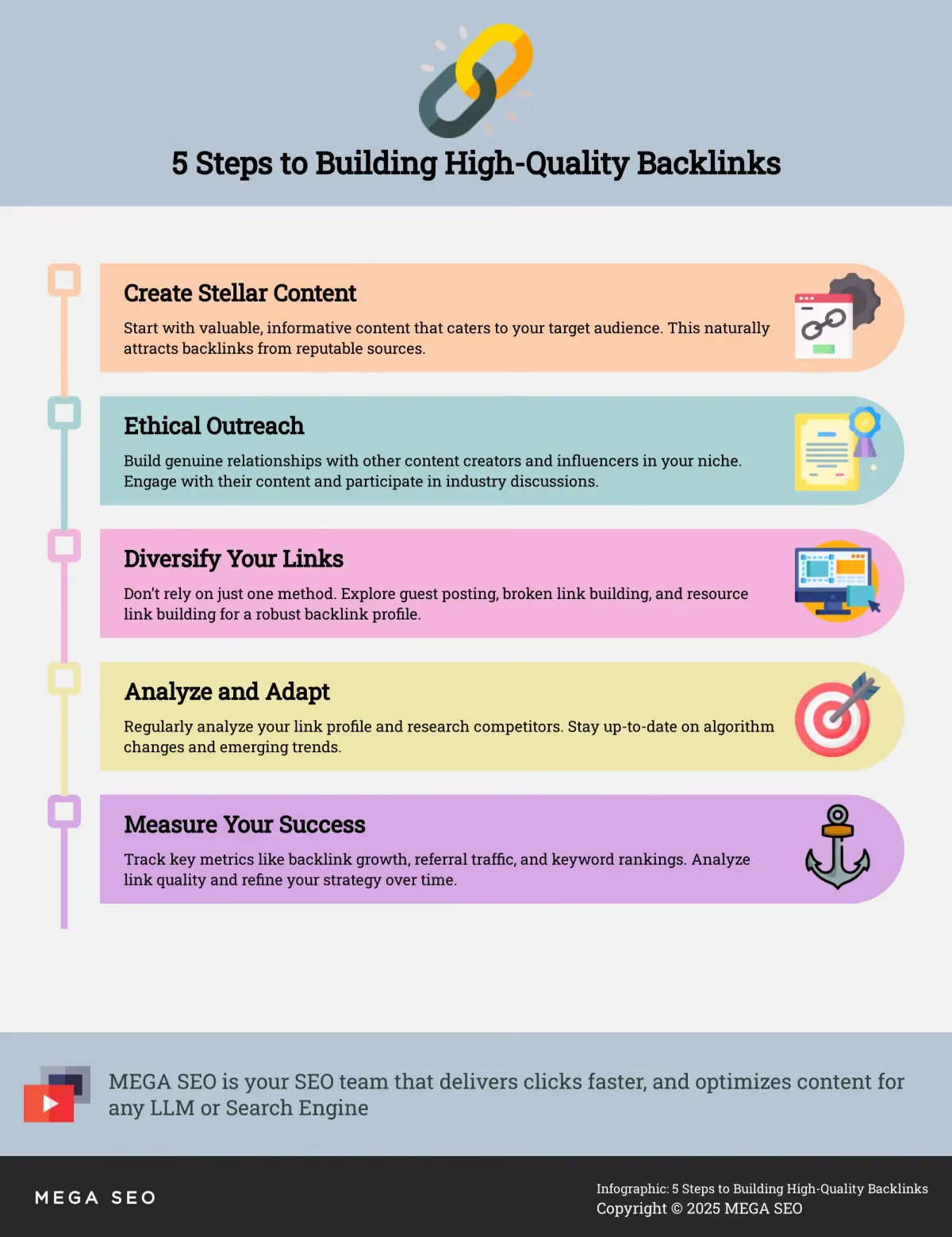
Creating high-quality, relevant content is essential for ethical link building. Think about what your audience needs and create content that solves their problems, answers their questions, or offers unique insights. This approach not only attracts links but also enhances your site’s authority and trustworthiness. This type of content naturally attracts links because it's valuable. Prioritize creating informative, engaging, and shareable content that genuinely benefits your target audience.
Build Relationships Through Outreach
Outreach is a critical component of ethical link building. Building genuine relationships with other content creators and influencers can lead to natural link placements and collaborations. Don't just reach out when you need something. Engage with others' content, share their work, and participate in industry discussions. Building real relationships takes time, but it's a worthwhile investment that can pay off in the long run. Focus on building mutually beneficial connections with others in your niche.
Collaborate and Use Digital PR
Collaboration and digital PR are effective strategies for acquiring backlinks ethically. By collaborating with authoritative figures in your industry and leveraging digital PR tactics, you can enhance your credibility and attract valuable backlinks. Look for opportunities to partner with others on projects, participate in interviews, or contribute guest posts to relevant publications. These efforts can increase your visibility and attract high-quality links from reputable sources. Remember, E-E-A-T (Experience, Expertise, Authoritativeness, and Trustworthiness) is a critical concept in Google’s quality guidelines.
Link Types and Their Impact
Understanding the different types of links and their impact on SEO is crucial for a successful link-building strategy. Let's break down the key distinctions:
Internal vs. External Links
Internal links connect pages within your own website, while external links point to pages on other websites. Think of internal links as the scaffolding of your site, guiding both users and search engines through your content. They help search engines understand the structure and hierarchy of your website, boosting the SEO ranking of your most important pages. A well-planned internal linking strategy keeps visitors engaged by suggesting related content and can improve your site's overall user experience. External links, on the other hand, act as votes of confidence from other websites.
By linking to trustworthy and authoritative sites, you enhance your own website's credibility and domain authority. While internal links strengthen your site's structure, external links build your reputation in the broader online community. They provide valuable context for your content and can introduce your audience to additional resources. A balance of both internal and external links is essential for a healthy and effective SEO strategy.
Dofollow vs. Nofollow Links
Dofollow links are the standard type of backlink, passing link equity (SEO value) from the linking site to the linked site. These links act as endorsements, signaling to search engines that your content is valuable. Earning dofollow links from high-authority websites can significantly improve the ranking of the linked page. Nofollow links, as the name suggests, instruct search engines not to follow the link or pass along link equity.
While nofollow links may not directly contribute to SEO rankings, they still hold value. They can drive traffic to your website, increase brand visibility, and build relationships with other websites. Nofollow links are valuable for generating traffic and building relationships. A mix of both dofollow and nofollow links creates a natural and diverse link profile.
Natural vs. Artificial Links
Natural links, also known as earned links, are organically acquired without any specific outreach. These links occur when other websites find your content valuable and link to it as a resource. Natural links are highly valued by search engines as they represent genuine endorsements. Artificial links, in contrast, are built through deliberate link-building efforts. This can include guest posting or reaching out to other websites to request a link.
While artificial links can be effective, it's important to build them ethically and avoid any practices that violate search engine guidelines. A healthy link profile should include a combination of both natural and artificial links, reflecting a balanced SEO approach.
Avoid These Link Building Mistakes
Don't Buy Links or Over-Optimize
One of the biggest link building mistakes is buying links. This violates search engine guidelines and can tank your site’s ranking. Prioritize earning high-quality links organically instead of purchasing them in bulk. Over-optimizing your anchor text—the clickable words used for your links—is another common pitfall. Using a variety of anchor text keeps your backlink profile natural, which search engines view favorably. Think of anchor text as a signal; too many exact-match anchors can look manipulative. Aim for a blend of branded, generic, and long-tail keyword anchor text. Learn more about avoiding link building mistakes.
Skip Irrelevant or Low-Quality Links
Links from irrelevant or low-quality websites can damage your website's authority and hurt your search result ranking. Focus on building links from sites related to your niche with strong domain authority. Low-quality directories or sites with spammy backlink profiles can negatively impact your SEO. Prioritize reputable and relevant sources to build credibility and positive SEO results. Clickass explains common link building mistakes. For example, if you have a website about vegan cooking, getting a backlink from a site about auto parts won't help, and might even hurt, your ranking. Look for sites with high authority and a clean history; they'll give your site a better boost.
Diversify Your Links
Don't rely on just one link building method. Diversify your approach with strategies like guest blogging, outreach campaigns, and content marketing. This creates a robust backlink profile and reduces the risk of search engine penalties. Genuine interactions and compelling content that naturally attracts backlinks are essential for long-term SEO success. Explore various link building strategies. A mix of methods helps you reach a wider audience and build a more natural link profile.
Tools and Techniques for Effective Link Building
Analyze Links and Research Competitors
Before reaching out for backlinks, analyze your current link profile. Tools like Ahrefs and SEMrush can help you understand your backlink strengths and weaknesses. Use these services to research competitors and analyze their backlink profiles. This competitive analysis can reveal valuable link opportunities and inform your link building strategy. Look for long-tail keyword opportunities with low competition and high potential for backlinks. AI tools can also help analyze long-tail keywords and identify those with high conversion potential. This data-driven approach ensures that you're focusing on the most effective link building tactics.
Find Broken Links and Unlinked Mentions
Finding broken links on other websites presents opportunities to suggest your own content as a replacement. Use tools to identify relevant broken links and reach out to webmasters with your suggestions. A simple email explaining the broken link and offering your content as a valuable alternative can often result in a new backlink. Similarly, look for unlinked mentions of your brand or website. These mentions represent low-hanging fruit for link acquisition. Reach out and politely request a link to your site. By understanding the searcher's intent and providing relevant, high-quality content, you can attract qualified traffic that is more likely to convert.
Guest Post and Build Resource Links
Guest posting on relevant websites can be a powerful way to earn backlinks and reach a wider audience. Focus on creating high-quality content that provides value to the reader and naturally incorporates a link back to your site. Long-tail keywords are invaluable for attracting qualified leads. Resource link building is another effective technique. Create valuable resources, such as guides, tools, or original research, that other websites will want to link to. This positions you as an authority in your industry and naturally attracts backlinks. Consider using AI keyword research tools to identify relevant long-tail keywords and topics for your resources.
Measure Link Building Success
After putting in the work to build high-quality backlinks, how do you know if your efforts are paying off? Measuring your link building success is crucial for understanding your return on investment and refining your strategy. This involves tracking key metrics and analyzing the quality and impact of your acquired links.
Track Key Metrics
Tracking key metrics provides a quantitative view of your link building progress. Keep a close eye on the following:
- Number of Backlinks: While not the sole indicator of success, a growing number of backlinks suggests your outreach and content are attracting attention. Use tools like Ahrefs or Semrush to monitor backlink growth. A steady increase is a positive sign.
- Domain Authority of Linking Sites: Earning links from authoritative websites carries more weight than links from low-authority sites. Regularly check the domain authority of sites linking back to you. Prioritize acquiring links from reputable sources within your niche. Moz's Domain Authority is a helpful metric for assessing website authority.
- Referral Traffic: Backlinks drive referral traffic—visits to your site originating from external links. Monitor referral traffic in your Google Analytics account. An increase in referral traffic indicates your link building is bringing new visitors to your website.
- Keyword Rankings: Link building efforts should positively influence your search engine rankings. Track your keyword rankings using tools like Semrush or Ahrefs. Improved rankings demonstrate that search engines recognize and reward your link building efforts.
Analyze Link Quality and Impact
Beyond the numbers, understanding the quality and impact of your backlinks is essential. Not all backlinks are created equal. Consider these factors:
- Relevance: Links from websites related to your industry are more valuable than links from unrelated sites. Focus on building links within your industry ecosystem.
- Authority: Links from high-authority domains have a greater impact on your SEO. Prioritize acquiring links from trusted and respected sources. Use tools like Ahrefs to research the domain authority of potential linking sites.
- Placement: A link within the main content of a page is generally more valuable than a link in a sidebar or footer. Aim for prominent link placement.
- Anchor Text: The anchor text—the clickable text of a link—should be relevant to the linked page. Avoid over-optimized anchor text; focus on natural language.
- Traffic Generation: Analyze which backlinks are driving the most referral traffic. This helps you understand which link building tactics are most effective. Dive deeper into your Google Analytics data to identify high-performing referral sources.
- Ranking Influence: Observe how your keyword rankings change after acquiring new backlinks. This reveals which links impact your search visibility. Tools like Ahrefs can help you correlate backlink acquisition with ranking changes.
By consistently tracking these metrics and analyzing link quality, you can refine your link building strategy, maximize your return on investment, and achieve sustainable SEO growth.
Link Building Best Practices
Smart link building blends tried-and-true techniques with an understanding of current trends. Here’s how to stay ahead:
Adapt to Algorithm Changes
Search engine algorithms are constantly evolving. What worked a year ago might be ineffective—or even harmful—today. Regularly check reputable SEO resources like Marketing Strategy for updates on best practices and algorithm shifts. Adapting your strategies ensures your link-building efforts remain effective and compliant. Staying informed helps you avoid penalties and maintain a strong online presence.
Follow Emerging Link Acquisition Trends
Link building isn't static. New trends and techniques constantly emerge. Marketing Source suggests focusing on niche-specific opportunities and using digital PR to build brand visibility and authority. Think about how you can tailor your approach to your specific industry and audience. Explore creative ways to get your brand mentioned and linked on relevant platforms, focusing on quality over quantity.
Integrate AI and Automation
AI and automation tools can significantly streamline the link-building process. Resources like SITE123 highlight how these technologies can identify potential link opportunities and analyze competitor backlinks. This data-driven approach allows for more efficient and targeted outreach. MEGA SEO offers powerful automation features to simplify and enhance your link-building strategy. Book a demo to see how we can help you build high-quality links efficiently.
The Future of Link Building
As search engine algorithms grow more sophisticated, link building is transforming. It's no longer enough to simply acquire many backlinks. The focus is shifting towards quality over quantity, with an emphasis on earning links that genuinely reflect the value and relevance of your content.
Predict Link Building Evolution
Looking ahead, link building will likely prioritize high-quality, contextual backlinks. Search engines are getting better at recognizing authentic endorsements, and links from authoritative sources within your niche will carry more weight. This means building relationships with key players in your industry and creating content that naturally attracts links will become even more critical. As AUQ.io points out, high-quality backlinks remain a cornerstone of signaling trustworthiness to search engines, regardless of algorithm updates. This shift underscores the importance of a long-term link building strategy focused on sustainable, organic growth. Tools like MEGA SEO can help you stay ahead of the curve by automating the process of identifying and acquiring these valuable links. Check out our free tools to get started.
Balance Traditional and Innovative Approaches
While the future of link building emphasizes quality, traditional strategies still hold value. Building a diverse link profile requires a mix of approaches. This includes classic tactics like guest posting and broken link building, alongside newer strategies like community engagement and influencer outreach. Xcello Digital highlights the continued importance of link building for SEO in driving organic traffic and building credibility. Finding the right balance between these methods will be key to success. MEGA SEO offers customized posts to help you tailor your link building strategy to your specific needs. Book a demo to see how we can help you integrate traditional and innovative link building techniques.