
Your product’s features are important, but they aren’t the whole story. In the world of sports, you need to connect with both die-hard fans and data-driven engineers. This is where creating content for SportsTech becomes an art. It’s about translating complex data into human narratives of victory, struggle, and improvement. Instead of just explaining what your sensor does, you show how it helped an athlete achieve a personal best. This guide provides a clear playbook to move beyond technical specs and build that emotional connection, turning readers into loyal fans of your brand.
Key Takeaways
- Balance Technical Details with Human Stories: Explain how your technology works with precision, but always connect it to a relatable outcome. Show how your product helps an athlete improve their performance or a team achieve its goals.
- Build a Repeatable Content System: Create a consistent process for your content, from planning with an editorial calendar to tracking success with clear KPIs. A defined workflow ensures quality and helps you measure what is actually working.
- Use AI to Automate and Scale Production: Let AI agents manage the heavy lifting of research, writing, and optimization. This frees up your team to focus on strategy and allows you to produce consistent, high-quality content without a large staff.
What is SportsTech and Why Does Your Content Matter?
Sports technology, or SportsTech, is the intersection of sports and technology. It includes everything from wearable fitness trackers and performance analytics software to fan engagement apps and virtual reality training systems. As this industry grows, so does the need for high-quality content that can explain complex products, engage passionate fans, and build brand authority. A solid content strategy is no longer a nice-to-have; it’s essential for any SportsTech company looking to stand out. Let's start with the landscape of this dynamic field and why your content matters so much.
Breaking Down the SportsTech Industry
The SportsTech industry is not just a niche market; it's a global powerhouse. Between 2020 and 2024, companies in this space raised a staggering $58 billion, with over half of that investment flowing into the U.S. Cities like New York have become major hubs, ranking first in North America for the number of SportsTech startups. This rapid growth signals a massive opportunity. For small businesses and startups, it means you're entering a competitive but well-funded arena. Your content is your primary tool for carving out a space, educating potential customers, and showing investors that you understand the market you're in.
Why People Crave SportsTech Content
At its core, sports content creation is about connecting with the deep-seated passion fans have for their favorite athletes and teams. SportsTech content takes this a step further. It targets an audience that is not only passionate about sports but also curious about the technology that powers modern athletics. These readers want to know how your product works, what data it provides, and how it can give them a competitive edge. Your content needs to bridge the gap between technical specifications and the emotional thrill of the game, offering both education and entertainment.
Why You Need a Specialized Content Strategy
You can't just talk about your product's features and expect to capture an audience. Creating engaging content for SportsTech requires a specific strategy that blends technical storytelling with a deep understanding of your target audience. Who are you talking to? Are they professional athletes, amateur enthusiasts, team managers, or casual fans? A well-planned content calendar ensures you consistently deliver valuable information that speaks directly to their needs. This structured approach helps you build trust, establish your brand as a credible voice, and turn curious readers into loyal customers.
Understanding Sports Marketing Fundamentals
Even the most groundbreaking technology will not sell itself. To connect with your audience, you need a solid marketing foundation. In the world of sports, this means understanding the principles that have successfully connected fans with teams and products for decades. Think of this as your core playbook. By mastering these fundamentals, you can build a strategy that not only explains your product's features but also taps into the passion and dedication that defines the sports community. We will walk through the essential framework of sports marketing, from the classic "5 P's" to core strategies and specific tactics you can start using today.
The 5 P’s of Sports Marketing
A great way to structure your marketing plan is by using the "5 P's" framework. This model helps you consider every aspect of your offering and how it connects with your customer. Originally the 4 P's, this expanded model includes Product, Price, Place, Promotion, and People. For a SportsTech company, each "P" represents a critical piece of your business puzzle. Getting them right ensures you have a product that people want, at a price they are willing to pay, available where they can find it, promoted in a way that reaches them, and supported by people who champion your brand.
Product: The Core, Actual, and Augmented Experience
Your product is more than just the app or device you sell; it is a layered experience. The "Core Product" is the fundamental benefit the user seeks—the desire to run faster, improve their golf swing, or feel more connected to their team. The "Actual Product" is the tangible thing they buy, like your wearable sensor or a subscription to your analytics platform. The "Augmented Product" includes all the extra features that add value, such as personalized coaching feedback, community leaderboards, or exclusive content. When creating content, focus on how your actual and augmented products deliver on that core need for improvement or connection.
Price: Strategies Beyond the Ticket
Price does more than just generate revenue; it sends a powerful message about your product's value and position in the market. Your pricing strategy is influenced by your development costs, what your competitors are charging, and the perceived value you offer customers. For SportsTech, this often moves beyond a one-time purchase. You might use a subscription model for ongoing data analysis, a freemium model to let users try basic features, or tiered pricing models for different levels of access. Your price should align with the value you deliver through your core, actual, and augmented product experience.
Place: The Physical and Digital Venue
In sports marketing, "place" traditionally referred to the stadium or retail store. For most SportsTech companies, the place is primarily digital. This includes the Apple App Store or Google Play Store, your company website, and integrations with other fitness platforms or social media apps. The accessibility, design, and user experience of these digital venues are critical. Is your app easy to find and download? Is your website simple to navigate? The digital "place" is your storefront, and its atmosphere and usability directly impact a customer's decision to engage with your product.
Promotion: Reaching Your Audience
Promotion is how you communicate your product's value to your target audience. This involves a mix of activities designed to build awareness, generate interest, and drive sales. Traditional sports promotion might include stadium ads or TV commercials, but for SportsTech, the playbook is more digital. A strong SEO and content strategy ensures that when a coach or athlete searches for a solution, they find you. Social media marketing, partnerships with athlete influencers, and targeted paid ads are all key promotional tactics. The goal is to create a consistent message across all channels that excites and educates potential users.
People: The Fans and Staff
The final "P" represents the human element of your brand. This includes both your customers—the athletes, coaches, and fans who use your product—and your own team, from developers to customer support staff. Every interaction a person has with your company shapes their perception of your brand. A supportive user community can become one of your greatest marketing assets, providing testimonials and word-of-mouth referrals. Likewise, a knowledgeable and passionate support team can turn a frustrating technical issue into a positive brand experience, helping you build loyalty and trust.
Core Sports Marketing Strategies
With the 5 P's as your foundation, you can begin to build out your core marketing strategies. These are the high-level plans that will guide your day-to-day marketing efforts. Instead of just trying random tactics, these strategies provide a structured way to approach the market. They ensure your efforts are focused, efficient, and aligned with your overall business goals. For a small business or startup in the competitive SportsTech field, having a clear strategic direction is essential for making an impact without wasting resources. This approach helps you get the most from your marketing budget.
Analyze Your Competitors
Before you can stand out, you need to know what you are up against. A thorough competitor analysis helps you understand what other companies are doing well and where there might be opportunities for you to do better. Look at their product features, pricing, and the content they produce. What keywords are they targeting? What is their social media presence like? This research is not about copying them; it is about finding a gap in the market that your product can fill. Using SEO tools to research competitor strategies can give you a significant advantage in positioning your own brand.
Define Your Unique Selling Proposition (USP)
What makes your product different from every other option out there? That is your Unique Selling Proposition, and it needs to be the core of your messaging. Your USP is the one thing you can claim that your competitors cannot. Perhaps your sensor is more accurate, your user interface is more intuitive, or your data provides a specific insight no one else offers. Whatever it is, your USP should be clear, concise, and compelling. It should be front and center in your website copy, your ads, and all your marketing content to quickly answer the question: "Why should I choose you?"
Use an Integrated Marketing Approach
An integrated marketing approach ensures that all your promotional activities are working together in harmony. Your blog posts, social media updates, email newsletters, and paid advertising should all tell the same story and reinforce your brand's USP. This creates a seamless experience for the customer and maximizes the impact of your marketing budget. For example, you could write a blog post about a new training technique, promote it on social media with a short video, and send an email to your subscribers with a link to the full article. Each piece reinforces the others, creating a campaign that is stronger than the sum of its parts.
Review and Adjust Your Plan
Your marketing plan is not a static document. It is a living guide that needs to be reviewed and adjusted based on what is working and what is not. It is crucial to track key performance indicators (KPIs) like website traffic, click-through rates, and conversion rates. This data provides objective feedback on your strategies. If a certain type of content is performing well, create more of it. If an ad campaign is not delivering results, it is time to pivot. Tools that can automatically update and optimize your content based on performance data can help you stay agile and ensure your strategy is always improving.
Types of Sports Marketing
Beyond foundational strategies, there are specific types of marketing that are especially effective in the sports world. These tactics leverage the unique culture of sports to create powerful connections between brands and fans. As a SportsTech company, you can adapt these proven methods to fit your product and budget. Whether you are sponsoring a local team or hosting a virtual event, these activities can help you build credibility and engage directly with your target audience in an authentic way. This helps you become a recognized name within the community you serve.
Sponsorships and Product Placement
Sponsorship involves paying to associate your brand with a team, league, event, or individual athlete. For a large company, this could mean sponsoring a professional sports team. For a startup, it could be as simple as sponsoring a local 5K race or a youth soccer league. Product placement is a related tactic where your product is used or seen in a piece of media. This could involve getting your tech into the hands of a popular fitness YouTuber or having it featured in a documentary about athletic performance. Both tactics help you borrow credibility and reach a passionate, pre-built audience.
Event Marketing
Event marketing allows you to interact with potential customers directly, giving them a hands-on experience with your product. This does not have to be a massive trade show. You could set up a demo booth at a marathon expo, host a webinar with a respected performance coach, or run a virtual challenge through your app. These events create memorable experiences and allow you to gather valuable feedback from users. They put a human face on your technology and help build a community around your brand, turning users into advocates.
What Content Formats Work Best for SportsTech?
Choosing the right format for your SportsTech content is just as important as the topic itself. Your audience is diverse, ranging from casual fans using a fitness app to professional analysts studying performance data. A successful strategy mixes different formats to meet these varied needs, blending entertainment with education. The goal is to create engaging content that not only attracts an audience but also builds trust and demonstrates your product’s value.
Whether you’re writing a detailed guide or filming a quick tutorial, the format shapes how your message is received. By aligning your content type with your audience's intent, you can create a more effective and resonant experience. Let’s look at a few formats that work especially well in the SportsTech industry.
Create educational how-to guides
Educational content is your chance to become a trusted resource. Think about the questions your customers are asking. How do they set up their new smart wearable? How can they interpret the data from their coaching software? Your guides should provide clear, step-by-step answers. As one guide on the topic notes, sports content creation is about making "interesting and helpful stuff for sports fans." Break down complex technical topics into simple, actionable instructions that help users get the most out of your product. This builds confidence and positions your brand as an expert.
Film Product Demos and Tutorials
Showing is always more powerful than telling, especially in tech. Product demos and video tutorials bring your SportsTech solution to life. Film a clear walkthrough of your app’s user interface or a real-world demonstration of your hardware in action. This type of visual content helps potential customers understand your product’s features and benefits quickly. Creating engaging content for sports websites requires a thoughtful combination of storytelling and visual appeal. A well-produced demo can be the deciding factor for a customer on the fence, making the abstract features of your product concrete and relatable.
Offer Analysis on Industry News and Trends
The SportsTech world moves fast. New technologies, business models, and data applications emerge constantly. By analyzing and commenting on these developments, you can establish your brand as a thought leader. Write blog posts that break down complex topics like the growth of Web3 or the impact of new data collection methods on athlete performance. This keeps your audience informed and shows that you have your finger on the pulse of the industry. It’s a great way to attract an audience that is actively looking for forward-thinking insights and expert opinions.
Share Data-Driven Insights
Data is the backbone of SportsTech. Instead of just presenting raw numbers, turn them into compelling stories. Create infographics, reports, or articles that visualize performance data, market trends, or user behavior. For example, you could analyze data to show how your technology improves player safety or fan engagement. Sharing these insights demonstrates the power of your product and provides valuable, unique content that others will want to reference and share. Focusing on key metrics like engagement rates and website traffic will help you prove the value of your data-driven stories.
Create Evergreen Content
While industry news is important, the foundation of a strong content strategy is evergreen material. This is content that remains relevant and valuable long after its publication date, continuously drawing traffic to your site. For SportsTech, this could be a definitive guide on interpreting biometric data or a deep dive into the physics of a perfect golf swing. Creating this type of engaging content requires a thoughtful combination of storytelling and technical accuracy. The goal is to produce a resource so useful that it becomes the go-to link for anyone searching for that topic. To keep this content at the top of search results, you can use AI-powered SEO tools to automatically update articles with new information or optimize them for better performance, ensuring your investment pays off for years.
Explore Human-Interest Topics
Technology is only half the story. At its core, sports content connects with the deep-seated passion fans have for athletes and teams. Your content should do the same by exploring the human element behind the data. Instead of just explaining what your motion-capture software does, tell the story of an athlete using it to recover from an injury. Frame your product not as a collection of features, but as a tool that helps people achieve incredible things. These narratives create an emotional connection with your audience, making your brand more memorable and relatable than a simple list of technical specifications. This approach builds a community around your brand, not just a customer base.
The Psychology of Athletes
Performance isn't just about physical strength; the mental game is equally critical. Your content can explore how athletes handle the immense stress and pressure of competition, and how technology can play a role. You could create articles or videos about how biofeedback sensors help athletes manage their heart rate during high-stakes moments, or how virtual reality is used to practice visualization techniques. This type of content positions your technology as a holistic solution that supports the entire athlete. It moves the conversation beyond simple metrics and into the complex, fascinating world of sports psychology, offering a fresh angle that will capture your audience's attention.
The History of Major Sporting Events
To understand where SportsTech is going, it helps to look at where it's been. Create content that explores how sports have changed over time, focusing on the role of technology. Compare the first modern Olympics to today’s events, highlighting innovations in timekeeping, equipment, and broadcasting. You could analyze how data analytics has transformed team strategies in sports like baseball or basketball over the decades. These historical perspectives provide context for your own products and demonstrate a deep appreciation for the sports you serve. This content is often evergreen and highly shareable, attracting both sports historians and tech enthusiasts with innovative topics.
Guides to Sports-Related Careers
Your audience isn't just made up of athletes and fans; it also includes people who want to build a career in the industry. Creating guides to sports-related careers can attract a talented and ambitious audience. You can develop content that explains what a sports data analyst does or outlines the skills needed to become a performance coach. By showcasing how your technology is used in these professions, you position your brand as an essential tool for industry professionals. This not only serves as a valuable resource for job seekers but also strengthens your company's network and authority within the SportsTech ecosystem.
What Skills Do You Need to Create SportsTech Content?
Creating content in the SportsTech world requires a specific playbook. It’s not enough to just know the game or understand the technology; you have to be fluent in both. Your audience is unique—they are athletes looking for a performance edge, coaches seeking better analytical tools, and business leaders navigating a rapidly evolving industry. They demand content that is as precise and data-driven as the products you’re writing about, yet as compelling as a last-minute victory. This means your content must bridge the gap between technical specifications and real-world application, showing not just what a product does, but the story of how it helps someone achieve their goals.
For small businesses and startups, building a content team that checks every box can be a major hurdle. You need writers who can think like engineers, video producers who understand athletic movement, and designers who can turn complex data into a clear visual story. This is where a strategic approach to skill development and resource allocation becomes critical. Understanding the core skills required allows you to hire smarter, train your existing team effectively, or leverage AI-powered SEO to automate research, writing, and optimization. The following four areas are the pillars of a successful SportsTech content creator's skill set.
Balance Technical Details with Great Storytelling
SportsTech content lives at the intersection of technical manuals and compelling sports journalism. You need the clarity of a technical writer to explain how a sensor works or what an algorithm measures. At the same time, you need the heart of a storyteller to connect that technology to human ambition and achievement. No one gets excited about raw specs, but they do get excited about a story of an athlete who shaved seconds off their time using your tech. Creating engaging content for this audience means translating complex features into tangible benefits and weaving them into a narrative that resonates with the passion and dedication inherent in sports.
Develop Video Production and Editing Skills
In a field centered on movement and performance, video isn't just a nice-to-have; it's essential. A well-produced video can demonstrate a product's functionality far more effectively than text alone. Think product demos that show an app's interface in real-time, tutorials that walk a user through setup, or behind-the-scenes footage of athletes testing new gear. As one agency noted about a successful campaign, a video series can create “engaging rich content that fans love.” Whether it’s a polished production or a simple, clear screen recording, strong video content makes your technology tangible and helps build trust with your audience by showing, not just telling.
Learn Data Visualization and Graphic Design
Data is the backbone of SportsTech, but raw numbers can be overwhelming and uninspiring. The ability to translate complex datasets into clean, compelling visuals is a critical skill. This goes beyond creating a simple bar chart. It’s about designing infographics that tell a story, interactive charts that let users explore the data, and custom graphics that make your content instantly shareable. Good design helps make “interesting and helpful stuff for sports fans” by turning abstract metrics into clear insights. By mastering data visualization, you can make your content more accessible, memorable, and authoritative, helping your audience see the real-world impact of the data you’re presenting.
Speak the Language: Sports Terms and Tech Trends
To earn the trust of a SportsTech audience, you have to speak their language fluently. This means having a solid grasp of the terminology for specific sports as well as understanding the latest technological advancements. Your content needs to feel like it was written by an insider. Staying current is also key. The SportsTech landscape is constantly changing, with the “continued growth of Web3, NFTs, and increased use of Generative AI” shaping the future of the industry. Following reputable SportsTech news sources and thought leaders ensures your content is timely, relevant, and positions your brand at the forefront of innovation, rather than a step behind.
How to Use AI for SportsTech Content Creation
Creating high-quality SportsTech content is a major challenge, especially for small teams. This is where AI becomes a true partner. An AI agent can handle the entire content lifecycle, from research to optimization, allowing you to focus on the bigger picture. Your AI counterpart manages the day-to-day execution, ensuring your content strategy is both effective and scalable.
Automate Research and Keyword Optimization
Finding the right topics and keywords is the foundation of any successful SEO strategy. AI can streamline this entire process. An AI-powered SEO agent automates keyword research to find low-competition, high-impact terms specific to the SportsTech industry. This is essential for cutting through the noise and connecting with passionate sports audiences who are actively searching for information. By handling the research, AI frees you up to focus on strategy, ensuring every piece of content is positioned to rank well and attract the right readers from the start.
Generate and Edit Content with AI
Once you have your keywords, the next step is creating compelling content. AI can generate expert-level, research-driven articles for any platform, from your company blog to industry news sites. A platform like MEGA AI can produce content tailored to your audience and optimized for any search engine or LLM, giving you maximum visibility. This isn't about replacing writers but about equipping them with a powerful assistant that can handle initial drafts, research, and formatting, dramatically speeding up the content creation process while maintaining a high standard of quality.
Personalize Content with Audience Analysis
To truly resonate with the SportsTech community, your content needs to be part of the conversation. AI excels at analyzing unique content sources like Reddit and YouTube, which are hubs for dedicated sports fans. By tapping into these real-time discussions, AI can help you create content that reflects current trends, answers pressing questions, and speaks the language of your audience. This approach ensures your articles, videos, and posts feel authentic and timely, helping you build a loyal following that sees your brand as a credible voice in the industry.
Track and Optimize Performance Automatically
Launching content is just the beginning. To stay relevant, your articles need to be living documents. AI agents can manage this process for you by constantly updating existing content. This includes adding new research, fixing broken links, and incorporating elements like FAQs and key takeaways to improve reader engagement. This continuous optimization keeps your SportsTech content fresh and competitive in search rankings without requiring constant manual intervention. It’s a proactive approach to SEO that ensures your best-performing assets continue to deliver value over the long term.
Repurpose Content Across Platforms
A single piece of content can have many lives. Your audience is diverse, with needs ranging from in-depth analysis to quick, visual takeaways. Repurposing content allows you to meet these varied needs without starting from scratch every time. A detailed blog post analyzing performance data can be transformed into a shareable infographic for social media, a script for a short tutorial video, or a segment in your email newsletter. This approach not only saves time but also reinforces your message across different channels. The goal is to create engaging content that builds trust and demonstrates your product's value, no matter how your audience chooses to consume it. AI tools can simplify this process. For instance, a platform like MEGA AI can re-optimize an article to fit the format of a different platform, turning a blog post into a script for a YouTube video or a series of social media updates.
How to Implement AI Effectively
Creating high-quality SportsTech content consistently is a major challenge, especially for small teams with limited resources. This is where AI can become a true partner in your workflow. Instead of viewing AI as a replacement for your team, think of it as a powerful assistant that handles the repetitive, time-consuming parts of the content lifecycle. An AI agent can manage everything from research and first drafts to ongoing optimization, freeing your team to focus on high-level strategy and creative storytelling. Effective implementation isn't about automating everything at once. It's about strategically integrating AI to make your existing processes more efficient and scalable. The following steps provide a clear path to get started.
Start Small with Pilot Projects
Jumping into AI doesn't require you to overhaul your entire content strategy overnight. The best approach is to start small with a focused pilot project. Choose one specific, manageable task to test the waters. For example, you could use an AI tool to generate keyword ideas for your next blog post or to create an outline for a single how-to guide. This allows your team to get comfortable with the technology and see tangible results without a major commitment. As one expert advises, "Start small, start smart, but more importantly, start now." A successful pilot project builds confidence and provides a clear business case for integrating AI into more of your content workflow.
Train the AI on Your Brand Voice
A common concern with AI-generated content is that it might sound generic or off-brand. You can avoid this by actively training the AI on your unique voice and style. Provide the tool with examples of your best-performing articles, your company's mission statement, and any brand style guides you have. The more context the AI has, the better it can adapt its output to match your tone, whether it's technical and authoritative or casual and encouraging. As one guide notes, "The more you train it, the more real and 'on-brand' its content will be." This step ensures the content remains authentic and resonates with your specific audience.
Provide Continuous Feedback
Think of working with AI as an ongoing conversation. The system learns and improves over time based on your guidance. Every time you edit an AI-generated draft, accept a keyword suggestion, or rewrite a sentence, you are providing valuable feedback. This iterative process refines the AI's understanding of your preferences and quality standards. Over time, the outputs will require less editing and align more closely with your expectations. Some advanced tools even automate this feedback loop. For example, MEGA AI's Maintenance Agent uses performance data like click-through rates to continuously update and improve existing content, ensuring it stays effective long after it's published.
Common Challenges When Creating SportsTech Content
Creating content in the SportsTech space is rewarding, but it comes with a unique set of hurdles. You're not just writing about sports; you're explaining the technology that powers them. This requires a specific skill set and an awareness of the common challenges you'll encounter. From the fast pace of innovation to the sheer volume of content needed to stay relevant, here are the main obstacles you'll need to prepare for.
Keeping Pace with Rapid Technology Changes
The SportsTech industry moves fast. One day you're writing about wearable sensors, and the next, you're explaining how NFTs are changing fan engagement. Staying current with the latest trends is a full-time job in itself. To create relevant and authoritative content, you have to be a perpetual student of the industry. This means constantly reading, researching, and understanding emerging technologies like Web3 and Generative AI. If your content falls behind the curve, your audience will notice, and your credibility will suffer. It's a constant cycle of learning and adapting to maintain your expertise.
Balancing Technical Accuracy with Simple Language
Your audience likely ranges from tech-savvy investors to casual sports fans who are simply curious. Your challenge is to create content that speaks to all of them. You need to explain complex topics, like how artificial intelligence is used for athlete performance tracking, without getting lost in jargon. This requires a delicate balance. If your content is too technical, you'll alienate a large portion of your audience. If it's too simple, you risk losing the trust of industry experts. The goal is to be precise and accurate while using clear, accessible language that anyone can understand.
Scaling Your Content Production
To build an audience and establish authority, you need to produce high-quality content consistently. This is easier said than done. The content lifecycle—from research and keyword discovery to writing, editing, and optimizing—is time-consuming. For small businesses or solo creators, managing this process at scale can feel impossible. This is where automation becomes a key advantage. Using an AI-powered SEO agent can handle the heavy lifting of content generation and optimization, allowing you to focus on strategy and connecting with your audience. It helps you maintain a steady publishing cadence without sacrificing quality.
Differentiating Your Content in a Competitive Market
The SportsTech field is exciting, which means it's also crowded. Everyone is competing for the same audience's attention. To cut through the noise, you need more than just good content; you need a smart strategy. This starts with deeply understanding your target audience and what they care about. A well-structured content plan is essential for maintaining focus and consistency. Your unique voice, perspective, and the specific niche you choose to serve will be your greatest assets. Simply adding to the conversation isn't enough; you have to lead it in a new direction.
Overcoming Monetization Hurdles for Independent Creators
Many independent creators in the SportsTech space find it difficult to turn their passion into a sustainable income. The effort required to produce high-quality content, like editing highlight reels or writing deep-dive analyses, often doesn't translate into significant revenue. Relying solely on simple ad revenue can be a slow and frustrating path. To move beyond this, you need to think like a business and build a strategy that goes beyond just creating content. This means identifying what your audience truly values and finding unique ways to monetize that value directly, whether through affiliate partnerships, sponsored posts, or premium content subscriptions.
The key is to build a repeatable system for your content. This involves more than just a publishing schedule; it means having a clear process for identifying what resonates with your audience and doubling down on it. A structured approach helps you create a consistent process from planning to tracking success, which in turn helps you pinpoint which topics drive engagement and are most likely to convert into revenue. Leveraging AI can also help you scale production and uncover unique perspectives, allowing you to stand out in a crowded market and build a more resilient monetization model without burning out.
Build Your SportsTech Content Workflow
A solid content workflow is the engine that powers your entire strategy. It’s the repeatable process that takes your ideas from a simple concept to a published piece that reaches your audience. Without a defined workflow, content creation can feel chaotic and inconsistent, especially for small teams juggling multiple responsibilities. A structured approach ensures you produce high-quality content on a regular schedule, aligning every article, video, and post with your business goals.
The process can be broken down into four key stages: planning, research, creation, and distribution. First, you map out what you’re going to create and when. Next, you gather the necessary information and data to make your content credible and valuable. Then, you move into the actual creation and review process to ensure quality and accuracy. Finally, you publish your content and distribute it across the right channels to maximize its reach. Building a system for these steps helps you work more efficiently and measure what’s effective. With the right tools, you can even automate parts of this process, freeing up your team to focus on strategy and creativity.
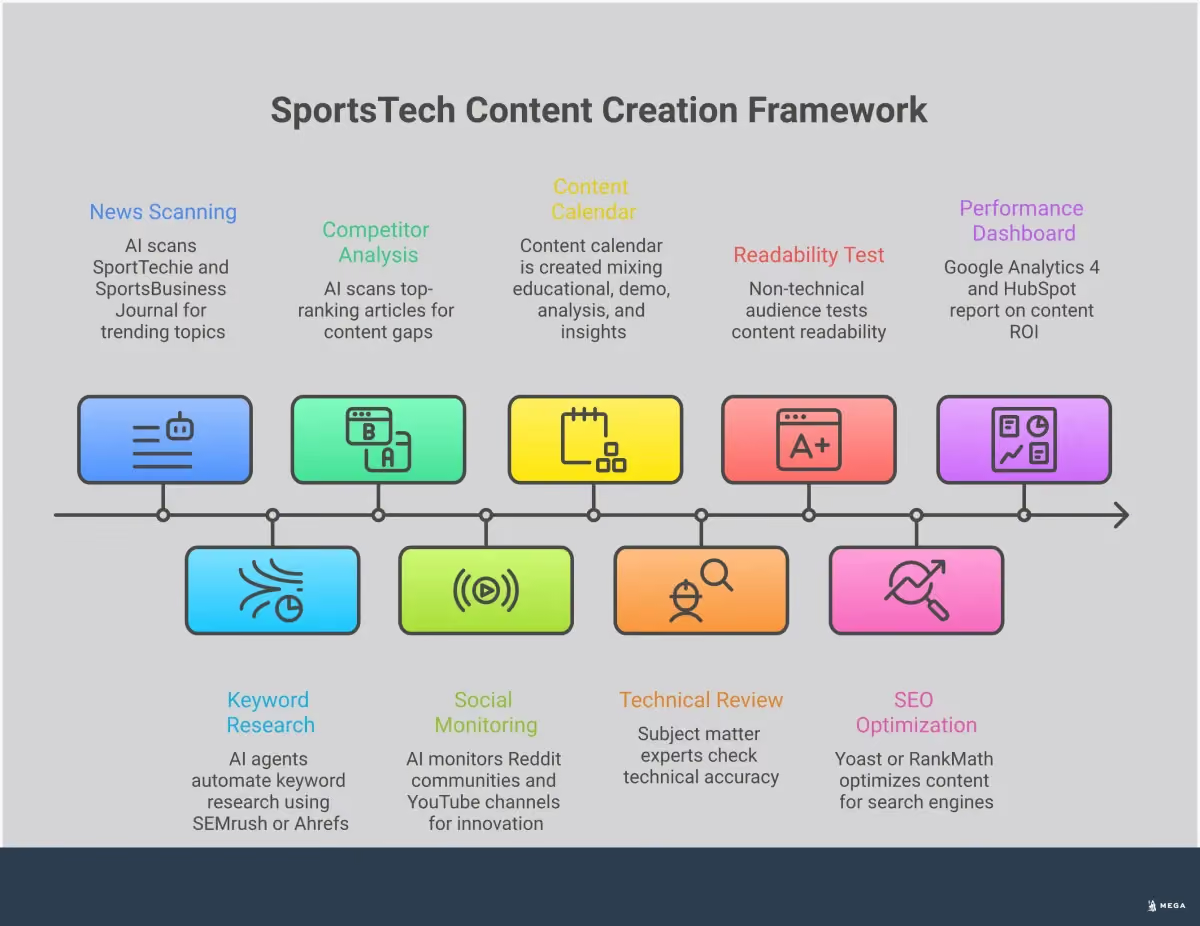
Plan Content with an Editorial Calendar
An editorial calendar is your roadmap for content creation. It’s a schedule that outlines what content you’ll publish, on which channels, and when. For a SportsTech company, this is essential for aligning your content with major sporting events, product updates, or seasonal trends. A well-structured content plan helps you maintain a consistent publishing cadence and ensures you’re covering a diverse range of topics and formats. You can use tools like a simple spreadsheet, Trello, or Asana to map out your content for the upcoming weeks or months. This planning prevents last-minute scrambling and keeps your team aligned on priorities.
Establish a Research and Data-Gathering Process
In SportsTech, credibility is built on accurate data and deep industry knowledge. Your research process needs to be thorough. This involves staying on top of tech trends, reading industry publications, and analyzing competitor content. It’s also important to define how you’ll gather feedback on your content to understand what resonates with your audience. An AI-powered SEO agent can streamline this step significantly. Before writing, MEGA AI’s agent researches top search results, news articles, and online forums like Reddit to gather comprehensive insights, ensuring your content is timely, relevant, and well-informed from the start.
Set Up a Content Creation and Review System
Once you have your topics and research, you need a system for producing and polishing the content. This involves establishing brand and style guidelines, assigning tasks to writers and designers, and creating a clear review cycle. A good system ensures every piece of content is accurate, on-brand, and error-free before it goes live. Part of this system should also involve monitoring engagement to gauge content success. MEGA AI offers a flexible workflow where our agent writes content daily and can either publish it automatically or save it as a draft in your CMS for your team to review and approve.
Choose Your Publishing and Distribution Channels
Creating great content is only half the job; you also need to get it in front of the right people. Your workflow should include a plan for publishing and distributing each piece. This means selecting the best channels, whether it’s your company blog, LinkedIn, a targeted email newsletter, or industry-specific forums. The goal isn’t just to get views but to drive meaningful action, like generating leads or making a sale. Measuring the success of your content marketing is about tracking whether it moves people closer to a business goal. By optimizing content for search from the beginning, you ensure it’s discoverable long after the initial promotion ends.
How to Measure the Success of Your SportsTech Content
Creating great content is the first step, but understanding its impact is what drives sustainable growth. Measuring the success of your SportsTech content isn't just about tracking vanity metrics like likes or shares. As the HubSpot Community puts it, "What really matters is whether your content is helping to move people closer to a goal – like becoming a lead, making a purchase, or engaging more deeply with your brand." Without a clear measurement framework, you’re essentially flying blind, unable to prove the value of your work or make informed decisions to improve it.
In the fast-paced SportsTech industry, data-driven decisions are critical. You need to know if your article on wearable tech is driving sales or if your video on a new training app is leading to downloads. By tracking the right metrics, you can prove the value of your efforts, refine your strategy, and connect your content directly to revenue. This process involves setting clear goals, using the right tools to monitor performance, and continuously optimizing your approach based on what the data tells you. Let’s walk through how to build a measurement framework that works for your SportsTech business.
Choosing Your Key Performance Indicators (KPIs)
Before you can measure success, you need to define what it looks like. This is where key performance indicators (KPIs) come in. As Comcast SportsTech advises, you should "familiarize yourself with key performance indicators – quantifiable and measurable metrics that evaluate and assess the performance of business activities." For a SportsTech company, this could be the number of free trial sign-ups from a blog post reviewing your app or demo requests from a case study. Your KPIs should align directly with your business objectives, whether that’s generating leads, increasing sales, or building brand awareness. Other examples include app downloads from a product tutorial or newsletter sign-ups from a data-driven report.
Track Performance with the Right Analytics Tools
Once you’ve defined your KPIs, you need tools to track them. As one marketer on Reddit suggests, "A good place to start would be Google Analytics or Hubspot. They will show you how users use your content and which pieces are performing best." These platforms provide valuable data on website traffic, user behavior, and conversion sources. By integrating them into your workflow, you can see which articles drive the most engagement and which channels bring in the most qualified leads. An AI-powered SEO agent can connect to these sources to give you a full picture of how your content strategy is performing and act on those insights automatically.
Develop a Content Optimization Strategy
The data you collect is only useful if you act on it. A content optimization strategy involves using analytics to refine your content and improve its performance over time. Key metrics to watch include "organic search rankings, bounce rates, conversion rates, average time on page, engagement metrics, backlinks acquired, [and] click-through rates," according to Shorthand. For example, if a blog post has high traffic but a low conversion rate, you might need to revise the call-to-action. Continuously testing and tweaking your content based on these metrics ensures it remains effective and relevant. This is a core function of MEGA AI, which can automatically update content to improve its CTR.
Measuring ROI and Attributing Results
Ultimately, the most important measure of success is your return on investment (ROI). This means connecting your content efforts directly to business outcomes like revenue and customer acquisition. Content attribution helps you understand which pieces of content influenced a customer's decision to make a purchase. While it can be challenging to track a user’s entire journey, attributing results is crucial for justifying your content budget and proving its value. Platforms that offer end-to-end automation can simplify this by linking content creation directly to performance metrics, showing you exactly what’s working and what isn't.
How to Engage Your SportsTech Audience
Creating great content is only half the battle. The other half is getting your audience to connect with it. True engagement turns passive readers into active community members and loyal customers. It’s about starting a conversation, not just broadcasting a message. By focusing on interaction and value, you can build a dedicated following that trusts your brand and looks forward to what you have to say next.
Defining Your Target Audience
Before you write a single word, you need to know who you’re writing for. The SportsTech audience is broad, including everyone from professional league managers and data scientists to amateur athletes and fantasy sports enthusiasts. Creating engaging content requires a deep understanding of your target audience. Start by developing detailed buyer personas. What are their biggest challenges? What are their career goals? What kind of content do they consume, and where do they find it? Answering these questions helps you tailor your storytelling, visuals, and tone to resonate with the specific segment you want to reach, ensuring your message lands effectively.
Create Interactive, Community-Driven Content
Static content can feel one-sided. To truly engage your audience, you need to invite them into the conversation. Digital fan engagement is all about encouraging two-way interaction. Think beyond the standard blog post and consider formats like live Q&A sessions with industry experts, interactive polls about emerging tech, or quizzes that test your audience's knowledge. You can also run user-generated content campaigns, asking followers to share how they use your product. These strategies make your audience feel valued and transform your platform into a thriving community hub where people connect not just with your brand, but with each other.
Use Social Media Platforms Strategically
Your social media strategy should be more than just an afterthought. Each platform offers a unique way to connect with your audience. LinkedIn is ideal for sharing in-depth analyses and building B2B relationships, while platforms like Instagram and TikTok are perfect for visual storytelling and quick product demos. As the Petcash Post notes, even athletes are now using these platforms for B2B content. The key is to identify where your target demographics spend their time and create content that feels native to that platform. A consistent voice and posting schedule will help you build a loyal following and drive traffic back to your primary content hub.
Live-Tweet During Games
Live-tweeting during a game inserts your brand directly into the real-time excitement. For a SportsTech company, this isn't just about sharing reactions; it's about providing context that highlights your product's value. When a player makes a record-breaking sprint, your tweet can explain the biomechanics or the peak velocity your technology would have captured in that moment. This approach transforms you from a spectator into an expert commentator, making your brand a part of the live experience. It’s an effective way to energize your audience and build a community of fans who look to you for deeper insights during the game's biggest moments.
Use Instagram Stories and Reels for Behind-the-Scenes Content
Instagram Stories and Reels are perfect for showing the human side of your technology. Use this format to offer quick, unpolished glimpses into your world. This could be a short video from your R&D lab, a quick Q&A with an engineer about a new feature, or footage of an athlete testing a prototype. This type of content demystifies your product and builds a personal connection with your audience. It shows the process, the people, and the passion behind the innovation. By providing this exclusive access, you foster a sense of community and enhance brand loyalty, making your followers feel like insiders.
Leverage LinkedIn for Business-Focused Content
LinkedIn is your platform for connecting with the professionals and decision-makers in the sports industry. This is where you shift from fan engagement to thought leadership. Share business-focused content like in-depth analyses of market trends, case studies demonstrating the ROI of your technology, or articles on the future of sports business. This content positions your brand as a credible authority and helps you reach potential partners, investors, and enterprise clients. AI-powered tools can help you analyze industry data and generate these insightful articles, making it easier to consistently produce high-value content that resonates with a professional audience.
Build Thought Leadership in Your Niche
To stand out in the crowded SportsTech market, you need to establish your brand as an authority. This means going beyond surface-level content and providing real, actionable insights. Build thought leadership by publishing data-driven reports, analyzing industry trends, and offering unique perspectives on the future of sports technology. Consistently delivering valuable, well-researched content positions your brand as a trusted resource. You can monitor engagement metrics to see what resonates most with your audience and refine your strategy over time. When your audience sees you as a credible expert, they are more likely to trust your products and recommendations.
How to Monetize Your SportsTech Content
Creating valuable content is the first step. The next is turning that effort into revenue. Monetizing your SportsTech content allows you to reinvest in your work, grow your platform, and build a sustainable business. There are several proven paths to generate income from your audience, from direct partnerships to premium offerings. The key is to choose strategies that align with your content and provide genuine value to your followers.
Explore affiliate marketing opportunities
Affiliate marketing is a straightforward way to earn commissions by recommending products you trust. You can integrate affiliate links into your content when you mention specific gear, software, or services. For example, a review of a new fitness tracker or a tutorial on a sports analytics platform can include links to purchase the product. This approach generates revenue from sales while offering your audience direct access to the tech you feature. Just be sure to disclose your affiliate relationships to maintain transparency with your readers.
Secure Sponsored Content and Partnerships
Brands are always looking for authentic voices to help them reach dedicated audiences. You can secure sponsorships by partnering with SportsTech companies to create dedicated content, such as in-depth product reviews, tutorials, or social media campaigns. The most successful partnerships happen when a brand’s product is a natural fit for your audience. Focus on building long-term relationships with companies whose missions you support. This creates a more genuine connection and provides a consistent revenue stream for your platform.
Offer Subscription and Premium Content Models
If you produce highly specialized or data-rich content, a subscription model can be an effective strategy. This involves placing your most valuable work—like deep-dive analytical reports, exclusive interviews, or advanced tutorials—behind a paywall. You can offer different tiers of access, giving subscribers exclusive content that isn't available to your general audience. This model works best when you have already built a loyal community that trusts your expertise and is willing to pay for premium insights that help them stay ahead.
Find Product Placement and Brand Collaborations
Unlike direct sponsorships, product placement is a more subtle way to feature brands in your content. This could involve using a specific piece of smart gym equipment in your workout videos or wearing a certain brand of athletic apparel during a product demo. These collaborations feel organic because the product is part of the story, not the focus of it. This method helps you monetize your content while maintaining an authentic feel. It’s an effective way to work with brands without creating content that feels like a direct advertisement.