
Your website can be more than a digital brochure—it should be your best lead-generation tool. But many HVAC companies miss a huge opportunity by only creating content for homeowners. The real secret to improving your local search results is building topical authority. A powerful way to do this is by creating content for HVAC technicians that answers the specific, technical questions they search for every day. This strategy establishes your business as an industry expert and attracts high-intent traffic that converts. This guide breaks down how to identify these topics and turn them into valuable assets for your business.
Key Takeaways
- Create a Digital Toolbox, Not a Sales Pitch: Focus on producing practical, problem-solving content like technical guides, troubleshooting checklists, and honest product comparisons that technicians can use on the job.
- Make Information Accessible in the Field: Ensure your entire resource library is mobile-friendly and optimized with the specific technical terms and model numbers technicians use to search for answers.
- Build Lasting Credibility with Consistent Updates: Establish your company as a reliable authority by publishing content on a regular schedule, showcasing customer testimonials, and consistently auditing your articles to keep them accurate and relevant.
Understanding Your Audience: The Modern HVAC Technician
Before you can create content that truly connects with technicians, you need to understand their world. What does a typical day look like for them, and what challenges do they face on the job? Answering these questions is the first step in building a content strategy that positions your company as a trusted resource, not just another advertiser. When you know exactly what technicians are searching for online, you can build a library of articles that provides real solutions to their most pressing problems. This deep understanding informs every part of your strategy, from the topics you choose to the technical language you use, ensuring your efforts attract a highly relevant audience and establish your topical authority with search engines.
A Day in the Life: Duties and Work Environment
An HVAC technician's day is rarely the same twice. They work on a wide range of heating, ventilation, cooling, and refrigeration systems that control the climate in homes, offices, schools, and hospitals. Their core duties involve installing new systems, performing routine maintenance, and repairing complex equipment. This means they could be installing electrical components one moment and inspecting and cleaning a duct system the next. According to the U.S. Bureau of Labor Statistics, a critical part of their job is also keeping detailed records of all work performed. This variety means they are constantly shifting between different tasks and environments, often under pressure to get a system back online quickly.
Essential Skills and Qualities for Success
Success in the HVAC field requires a unique blend of technical expertise and personal skills. Technicians are not just mechanics; they are problem-solvers and the customer-facing representatives of your company. Recognizing this dual role is key to creating content that speaks to both their technical needs and their professional challenges. While a guide to fixing a specific compressor is useful, an article on how to explain that complex repair to a non-technical homeowner can be just as valuable. By addressing the whole technician, you build a stronger connection and provide resources that help them excel in every aspect of their job, making your website an indispensable tool.
Technical Abilities
On the technical side, an HVAC technician needs a solid foundation of mechanical skills. This includes a deep understanding of how HVAC systems operate, from the principles of physics and air pressure to the complexities of electrical circuits. One of the most critical skills is troubleshooting—the ability to diagnose a problem within a complex system and identify the correct fix. Technicians also need strong time management to organize their schedules and complete jobs efficiently. As noted by industry experts at Aerotek, the ability to read and interpret blueprints is also essential for proper installation and repair. Content that helps them sharpen these skills, like troubleshooting guides for specific models, can be incredibly valuable.
Personal Attributes
Beyond technical know-how, certain personal qualities separate a good technician from a great one. Since they frequently work in customers' homes and businesses, strong customer service skills are a must. Being friendly, polite, and able to explain a technical problem in simple terms builds trust and reflects well on their employer. Detail-oriented work is also crucial, especially when it comes to keeping accurate records of maintenance and repairs. Above all, technicians need excellent problem-solving skills. They are often faced with systems that are not working correctly and must methodically figure out the cause and the most effective solution. This analytical mindset means they appreciate clear, logical, and step-by-step information.
The Career Path: From Training to Mastery
The journey to becoming a skilled HVAC technician is a structured one, involving formal education, certification, and continuous on-the-job learning. These are professionals who invest in their careers and are always looking for ways to advance. Recognizing this ambition presents a significant opportunity for your content strategy. By creating resources that support their professional growth—whether it's studying for a new certification or learning management skills for a future leadership role—you position your business as a partner in their career. This long-term approach builds loyalty and ensures that technicians at all levels, from apprentices to senior managers, see your company as an industry leader.
Training and Required Certifications
Most technicians begin their careers by earning a certificate or an associate's degree from a community college or technical school, a process that can take anywhere from six months to two years. This formal training provides the foundational knowledge they need to enter the field. A critical milestone for every technician is obtaining the EPA Section 608 certification, which is legally required for anyone who handles refrigerants. This certification ensures they follow proper procedures to protect the environment. Creating content that helps aspiring technicians study for this exam or understand new regulations is a great way to build authority and provide genuine value to your audience.
Opportunities for Career Advancement
The HVAC field is not a dead-end job; it offers a clear path for career progression. An experienced technician can advance to a senior or lead technician role, where they might mentor junior staff and handle more complex projects. From there, opportunities can lead away from the field and into administrative positions, such as service manager or operations manager. Some highly experienced technicians even transition into becoming instructors, sharing their knowledge with the next generation. This potential for growth means that technicians are often seeking information on leadership, management, and new technologies that can help them take the next step in their careers.
Job Market Outlook and Pay
The demand for skilled HVAC technicians is strong and expected to continue growing. The U.S. Bureau of Labor Statistics projects that employment in this field will grow 6% through 2032, which is faster than the average for all occupations. This growth translates to thousands of new job openings each year, driven by new construction and the need to replace or upgrade older systems. This positive job outlook means there is a large and expanding audience of technicians actively seeking information to help them succeed. For your business, this is a massive opportunity. Creating the right content helps you connect with this valuable group, and using an end-to-end platform for AI-powered SEO can simplify the entire process from keyword research to content generation and optimization.
What Content Do HVAC Technicians Actually Want?
Creating content for HVAC technicians is different from marketing to homeowners. Technicians are a professional audience looking for specific, practical information that helps them do their jobs better, faster, or more safely. To capture their attention, you need to move beyond general marketing and provide real value. When you become a trusted source of information for technicians, you build brand loyalty and establish your company as an authority in the industry.
This approach also has significant benefits for your local SEO. Technicians often search for highly specific technical queries. By creating content that answers these questions, you can attract a targeted audience to your website. An AI-powered tool can help you identify these niche keywords and automatically generate the detailed, accurate content that technicians are looking for, saving you time while improving your search rankings.
Discover What Technicians Are Looking For
Before you write a single word, you need to understand what technicians are actually searching for. The best content speaks directly to their needs, preferences, and pain points. Start by talking to the technicians on your own team. Ask them what problems they run into on the job, what new technologies they're curious about, or what questions they find themselves looking up online. You can also explore industry forums like HVAC-Talk or Reddit communities where technicians share advice and ask questions. This direct insight is the foundation for creating content that truly resonates and gets read.
Keep It Technical, But Make It Clear
Technicians need detailed, accurate information, but they don't have time to sort through dense, poorly written articles. Your content should be technically sound without being overly academic. Focus on addressing common HVAC challenges with clear, straightforward language. Use industry-standard terminology correctly, but explain complex concepts in a simple way. Break down processes into numbered steps, use bullet points for key takeaways, and make sure your information is easy to scan. The goal is to provide a resource that a technician can quickly pull up on their phone in the middle of a job to find a solution.
Which Content Formats Work Best?
How you present your information is just as important as the information itself. Since technicians are often working in the field, they consume content on mobile devices. Short-form videos, step-by-step photo guides, and well-formatted blog posts are all effective formats. Consider creating an engaging social media presence on platforms where technicians are active, sharing quick tips or behind-the-scenes looks at complex jobs. By understanding the types of posts that connect with your audience, you can deliver valuable information in a format that fits seamlessly into their busy workday.
Learn From the Resources They Already Use
You don’t have to guess what content will perform well. A great way to find ideas is to look at the resources technicians already trust. By observing the YouTube channels they watch and the books they read, you get direct insight into the topics and formats that resonate with them. This is essentially free market research that provides a proven blueprint for creating valuable, problem-solving content. Once you have a list of these topics, you can build out your content calendar. Using an AI tool to generate this content ensures it's optimized for the technical terms technicians use, helping you establish authority in the field.
Top YouTube Channels for Technicians
Video is an incredibly effective format for demonstrating complex repairs and explaining technical concepts. Technicians often turn to YouTube for on-the-job support and continuing education. According to discussions on industry forums, a few channels consistently come up as favorites. For example, technicians recommend Acservicetech for its clear explanations of basic theory and diagnostics, making it ideal for newer professionals. For more advanced topics, HVACSchool offers deep dives into theory and application across residential and commercial systems. Channels like HVACR Survival provide a "ride along" view of actual service calls, offering a practical, real-world perspective that is both educational and engaging.
Essential Industry Books and Guides
While video is great for quick answers, many technicians still rely on in-depth books and guides for mastering specialized areas of their trade. The popularity of these resources shows there is a strong appetite for detailed, expert content. For instance, technicians working with boilers and hydronic systems often turn to Dan Holohan’s books, such as The Lost Art of Steam Heating. These guides are considered essential reading because they provide comprehensive knowledge on a complex subject. Creating blog posts that offer a similar level of depth on a specific topic can position your company as a go-to resource for expert information, building trust and credibility with your professional audience.
What Types of Content Resonate Most with HVAC Technicians?
When creating content for HVAC technicians, the primary goal is utility. Technicians are a practical audience; they’re in the field, solving complex problems under tight deadlines. They don’t have time for marketing fluff or vague articles. They need accurate, straightforward information that helps them do their job safely and efficiently. By providing this kind of value, you shift from being just another supplier to becoming an indispensable partner. This approach builds a deep level of trust and authority that directly translates into business loyalty.
A strong content marketing plan for this audience focuses on building a comprehensive resource library rather than just publishing sporadic blog posts. Think of your website as a digital toolbox for every technician in your service area. When you consistently provide clear answers and practical solutions, you not only support the professionals you work with but also attract new talent and customers who recognize your expertise. The following content formats are the essential building blocks for that toolbox, each designed to meet the specific, on-the-ground needs of HVAC professionals.
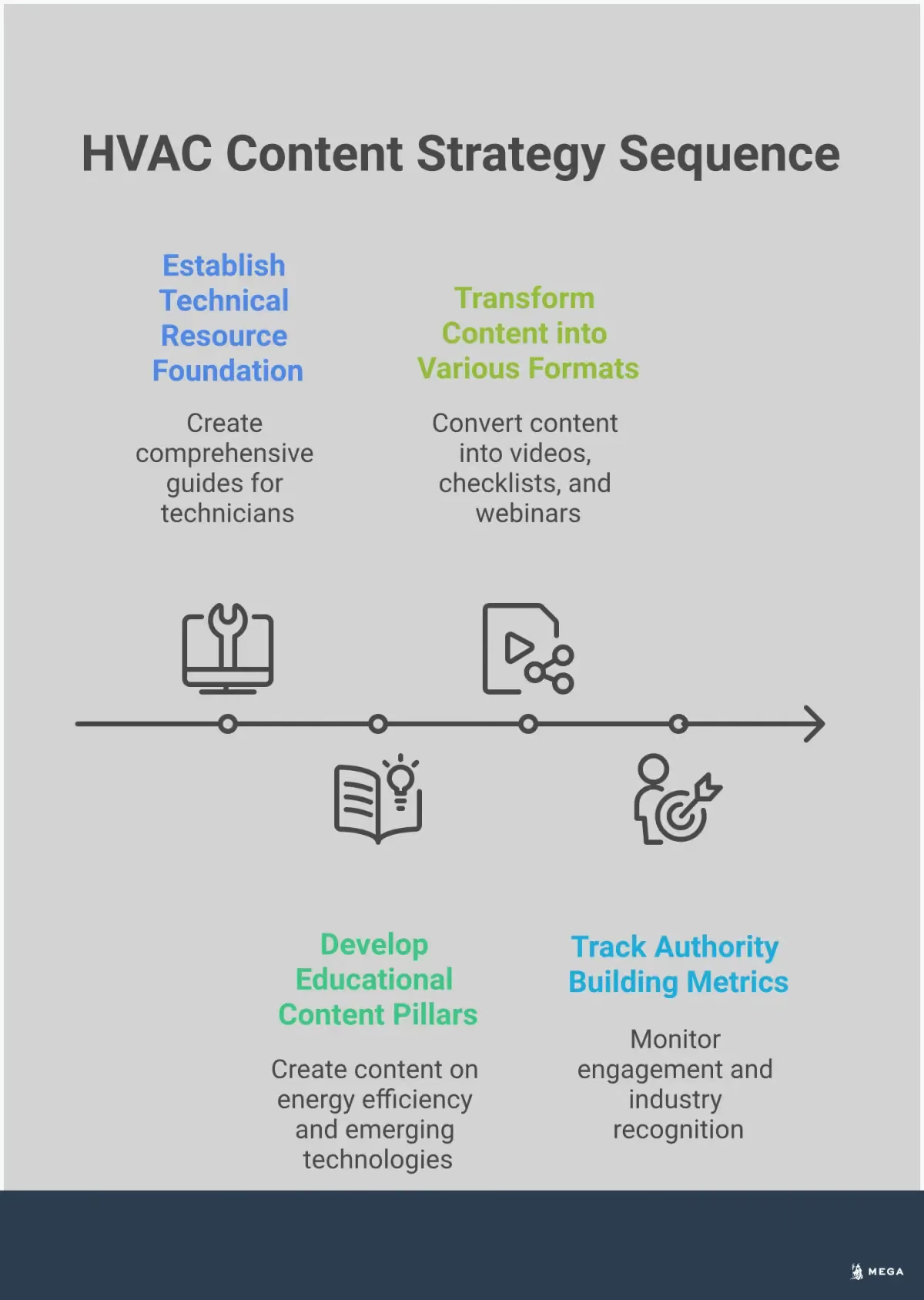
Write Step-by-Step Tutorials They'll Use
Technicians are hands-on professionals who learn by doing, and your content should reflect that. Step-by-step guides that break down complex tasks into simple, actionable instructions are incredibly valuable. Focus on common challenges and procedures, such as "A Guide to Safely Handling Refrigerants" or "How to Calibrate a Commercial Thermostat." Use clear headings, numbered lists, and bold text to make the information easy to scan on a job site. The goal is to create helpful information that solves customer problems and technician challenges alike. This practical content gets bookmarked, shared, and referenced repeatedly, establishing your company as a reliable source of expertise.
Show, Don't Just Tell, with Video
Some tasks are much easier to understand when you can see them in action. This is where video and other visual aids become essential. Since people process visuals much faster than text, short demonstration videos can clarify complex procedures that are difficult to describe with words alone. Consider creating clips on topics like "Replacing a Blower Motor" or "Properly Cleaning Evaporator Coils." These don't require a Hollywood budget; a clear, well-lit video from a smartphone is often enough. Infographics are also great for simplifying wiring diagrams or illustrating diagnostic processes. Visual content is easy to consume on a mobile device, making it a perfect on-the-job resource.
Offer Honest Product Reviews and Comparisons
HVAC professionals constantly make purchasing decisions about tools, equipment, and new technology. You can become a trusted advisor by publishing honest, detailed product reviews and comparison guides. Compare the latest smart thermostat models, review new manifold gauges, or break down the pros and cons of different furnace brands. This content helps technicians and business owners make informed choices. When you tailor your content to address common HVAC challenges related to equipment selection, you build a level of trust that a sales brochure can’t achieve. This positions you as an unbiased expert whose recommendations carry weight, making technicians more likely to buy from you.
Become a Go-To for Specs and Troubleshooting
When a technician is in front of a malfunctioning unit, they need technical data, and they need it fast. Creating a well-organized, searchable library of technical resources on your website can be a game-changer. This should include downloadable spec sheets, wiring diagrams, manufacturer error code lists, and troubleshooting flowcharts. The key is making this information accessible and mobile-friendly. Technicians need to be able to quickly figure out what's wrong with a system. By building a reliable knowledge base, your website becomes an essential tool that local professionals will turn to again and again, driving repeat traffic and fostering long-term loyalty.
How to Effectively Showcase Your Products and Services
Showcasing your products and services goes beyond a simple list of equipment and prices. Effective content marketing educates customers and empowers technicians, building trust long before a service call is ever booked. Instead of just selling, your goal is to become a reliable resource. This approach positions your company as an authority, helping both homeowners with purchasing decisions and technicians with on-the-job challenges.
Creating this educational content, from detailed service pages to technical guides, is a core part of a strong local SEO strategy. When you answer the questions your customers are asking online, you attract qualified traffic to your site. The key is to translate complex technical information into clear, problem-solving content that resonates with your audience, whether they’re a seasoned technician or a first-time homeowner.
Go Beyond Specs in Your Product Descriptions
Move beyond the manufacturer’s spec sheet. A compelling product description tells a story about how a specific unit solves a customer's problem. Instead of just listing BTUs and SEER ratings, explain what those numbers mean in practical terms, like lower energy bills, a quieter home, or better air quality. Frame your descriptions around the benefits. For technicians, you can include more technical details, but always connect them back to performance and reliability. This approach helps customers make informed decisions and gives technicians the information they need to make confident recommendations in the field.
Break Down Your Services in Detail
When a customer schedules a "furnace tune-up," what does that actually include? Vague service descriptions can lead to confusion and mistrust. Create detailed breakdowns for each service you offer, outlining every step your technician will take. You can present this as a checklist or a step-by-step guide on your website. This transparency not only educates the customer and manages their expectations but also demonstrates your professionalism. It shows you have a standardized, thorough process, which helps build customer trust and justifies your pricing.
Connect Technical Features to Real-World Benefits
It’s important to distinguish between benefits and features. A feature is a technical aspect of a product, like a variable-speed motor. A benefit is what that feature does for the customer, such as providing more consistent temperatures and using less energy. Your content should bridge this gap. For homeowners, lead with the benefits. For technicians, you can dive deeper into the technical features that make those benefits possible. Using different content formats, like blog posts and how-to guides, allows you to showcase your expertise and explain these details clearly.
Develop Content That Solves Problems
The most effective content addresses a specific need or answers a common question. Think about the issues your customers and technicians face every day. Create blog posts like "5 Signs Your Air Conditioner Needs Repair" or "How to Choose the Right Furnace Filter." You can also share case studies about how your team solved a complex issue for a client, such as fixing a furnace during a snowstorm. This type of problem-solving content demonstrates your expertise and shows you understand your customers' concerns. Automating this process with an AI agent can help you consistently produce helpful articles that attract and engage your target audience.
Explain Rules of Thumb like the $5,000 Rule
Technicians often rely on industry rules of thumb to make quick, sound judgments in the field. Creating content that explains these guidelines, like the $5,000 rule, is a powerful way to support your team and educate customers simultaneously. The rule itself is a simple calculation: multiply the age of an HVAC system by the estimated repair cost. If that number exceeds $5,000, replacement is likely the smarter financial move. By creating a clear article or video explaining this, you give your technicians a resource they can share with homeowners, helping them provide sound advice and justify a significant recommendation. This transparency builds trust and positions your company as an honest expert, turning a potentially difficult conversation into an educational moment.
Where to Share Your Content for HVAC Technicians
Creating valuable technical content is the first step. The next is making sure it reaches the right audience. Distributing your content on the right platforms ensures that busy technicians can find your resources when they need them most. A multi-channel approach helps you connect with technicians wherever they are, whether they’re scrolling on their phone, checking emails, or searching for answers online.
Rethink Your Social Media for a Technical Audience
While platforms like Facebook and Instagram are great for customer-facing content, a different approach is needed for technicians. Focus on networks where professionals gather, such as LinkedIn, or specialized Facebook Groups for HVAC pros. Share content that provides immediate value, like short video clips demonstrating a new technique, infographics of diagnostic codes, or links to your latest technical guides. The goal is to become a trusted source of information in their daily feed, not just another advertisement. This helps build a community around your business.
Join the Conversation in Industry Forums
Technicians often turn to industry forums and online communities to solve tough problems and share knowledge. Websites like HVAC-Talk or relevant subreddits are places where you can establish credibility by participating in conversations and offering genuine help. Instead of directly promoting your products, answer questions and link to your resource center when it provides a clear solution. This positions your company as an expert and builds trust organically. Over time, technicians will start seeking out your content on their own.
Connect Directly with Email Newsletters
An email newsletter is a powerful tool for speaking directly to an audience that has opted to hear from you. Create a dedicated newsletter for technicians that delivers value straight to their inbox. You can share a weekly troubleshooting tip, announce new training videos, or provide early access to technical guides. Unlike social media, email gives you a direct line of communication that isn't controlled by an algorithm. It’s an effective way to keep your company top-of-mind and drive traffic back to your website’s resource center.
Build a Central Resource Hub on Your Website
Your website should be the central hub for all your technical content. Creating a dedicated resource center organizes your how-to guides, product spec sheets, video tutorials, and FAQs in one easy-to-find place. This not only serves your existing audience but also attracts new technicians through search engines. A well-organized resource center establishes your site as an authority in the field, which is a cornerstone of an effective local SEO strategy. When technicians know they can find reliable answers on your site, they will return again and again.
How to Use Testimonials to Build Trust
Customer reviews are the lifeblood of any local service business. For HVAC companies, positive feedback builds the trust needed to win over new homeowners and establishes credibility among fellow technicians. When a potential customer sees that their neighbors have had a great experience, they’re far more likely to pick up the phone. Leveraging testimonials isn't just about collecting stars; it's about strategically using your customers' words to tell a story of reliability and expertise. This social proof can be one of the most powerful assets in your content marketing toolkit, turning happy clients into your most effective sales team.
MEGA AI's SEO agent can help you create dedicated pages to showcase these testimonials, optimizing them to attract local customers searching for trusted HVAC services. By integrating reviews directly into your site's content, you reinforce your reputation where it matters most.
How to Collect Authentic Technician Feedback
The best time to ask for a review is right after a successful service call when the customer is happiest. Your technicians are on the front lines and have the strongest rapport with clients. Equip them with a simple, direct way to request feedback. This could be a QR code on an invoice that links to your Google Business Profile or a follow-up text message sent shortly after the job is complete. The key is to make the process as easy as possible. A simple prompt like, "We'd love to hear how we did today. Could you take a minute to leave us a review?" is often all it takes to gather valuable feedback.
Showcase Your Reviews and Testimonials
Once you have a steady stream of positive reviews, you need to display them prominently. Don't hide your best testimonials on a single, buried page. Instead, sprinkle them throughout your website. Feature a rotating selection on your homepage, add relevant quotes to specific service pages (e.g., a review about a fast AC repair on your emergency services page), and even include a great line in your email signature. This constant reinforcement of your quality work acts as powerful social proof, assuring potential customers at every touchpoint that they are making the right choice by hiring your company.
Let Technicians Speak for You
While homeowner reviews are crucial for attracting customers, recommendations from peers build your brand's authority within the industry. This type of content is especially valuable for recruiting skilled technicians and establishing partnerships. You can feature a guest blog post from a respected industry veteran or include a quote from a parts supplier about your company's professionalism. This shows that your business is not only trusted by customers but also respected by other professionals in the field. It positions your company as a reliable and knowledgeable leader, which can attract top talent and bigger commercial projects.
Use Video Testimonials for Greater Impact
Written reviews are great, but video testimonials and detailed case studies take trust-building to the next level. A short video of a happy customer explaining how your team solved their HVAC issue is incredibly persuasive. It puts a face to the feedback and makes the experience feel more genuine. Similarly, a written case study can walk potential commercial clients through a complex installation, detailing the challenge, your solution, and the successful outcome. These in-depth stories provide a much richer understanding of your capabilities and are perfect for showcasing the technical skill your team brings to every job.
How to Tailor Content for Different HVAC Specialties
The HVAC industry isn't one-size-fits-all, and your content shouldn't be either. A technician working on a residential heat pump has different needs than one servicing a massive commercial chiller. By creating content tailored to different specialties, you demonstrate a deeper level of expertise and attract more qualified leads. This targeted approach helps you connect with the right audience, whether it's homeowners, facility managers, or technicians looking for specific technical information.
Segmenting your content also has significant SEO benefits. Homeowners search for different keywords than commercial property managers do. Creating dedicated content for each specialty allows you to rank for a wider range of specific, high-intent search terms. For example, you can create service pages for "commercial HVAC repair in [City]" and blog posts on "troubleshooting residential furnace issues." This strategy builds topical authority across different segments of your business. An AI-powered SEO agent can help identify these niche opportunities and automate the creation of targeted blog posts and city-specific pages, ensuring you cover all your bases without stretching your team thin.
Address the Needs of Residential Techs
When creating content for the residential market, think like a homeowner. Their primary concerns often revolve around comfort, cost, and safety. Content that addresses common household problems will always perform well. Think about topics like "Signs Your Air Conditioner Needs Repair" or "How to Choose the Right Thermostat for Your Home." These articles attract potential customers looking for solutions. They also serve as excellent resources for your technicians to share with clients, helping to explain issues and build trust. As one marketing expert notes, homeowners are primarily concerned with breakdowns and energy bills, so your content should directly address these pain points with clear, helpful advice.
Create Resources for Commercial Specialists
The commercial HVAC space is a different ballgame. Your audience here consists of building owners, facility managers, and property developers who are focused on efficiency, compliance, and long-term operational costs. Your content needs to reflect their business-oriented mindset. Create resources that address the unique challenges commercial clients face, such as "Preventative Maintenance Checklist for Commercial HVAC Systems" or "Understanding MERV Ratings for Office Buildings." In-depth case studies showcasing successful commercial projects can also be incredibly effective. This type of content positions your company as a knowledgeable partner capable of handling large-scale, complex jobs, which is crucial for winning high-value contracts.
Cover Common Maintenance and Repair Topics
Maintenance and repair are the bread and butter of most HVAC businesses. Creating detailed content around these topics establishes your company as a go-to expert. Develop step-by-step troubleshooting guides, seasonal maintenance checklists, and articles that explain common repairs in simple terms. This content is valuable for everyone. It helps homeowners understand what's wrong with their system, and it serves as a training tool for junior technicians. Because these topics are consistently searched for, they are considered evergreen content, meaning they can attract steady traffic to your website for years with minimal updates. This builds a lasting library of resources that supports both your marketing and operational goals.
Create Content on New Technology and Equipment
The HVAC industry is constantly evolving with new technologies, from smart home integrations to high-efficiency systems and updated refrigerant standards. Creating content that covers these advancements positions your company as a modern, forward-thinking leader. Write articles and create videos about the benefits of ductless mini-splits, the latest smart thermostats, or the transition to new, eco-friendly refrigerants. This not only attracts customers interested in the latest and greatest equipment but also appeals to skilled technicians who want to work for a company that stays current. Keeping your team and your content up-to-date with technological advancements is key to staying competitive in the market.
Covering New Regulations and Efficiency Standards
The HVAC industry is constantly changing, with new regulations and efficiency standards being introduced regularly. Technicians need a reliable place to find clear answers about these updates, and your content can become that go-to resource. For instance, when new DOE minimum efficiency standards are announced, it creates a need for information on testing procedures, affected equipment, and regional compliance differences. By creating straightforward guides that break down these complex rules, you provide immense value. This content helps technicians ensure their work is compliant, explain the changes to homeowners, and understand the benefits of newer, more efficient equipment. Keeping these guides updated establishes your company as a trusted authority that professionals can depend on.
Best Practices for Creating Technical HVAC Content
Creating content for a technical audience like HVAC technicians requires more than just expertise. The information must be accurate, easy to digest, and accessible wherever your audience is working. Following a few key best practices ensures your content not only builds trust with fellow professionals but also helps your business get found by customers. When you create high-quality, reliable resources, you establish your company as an authority in the field. This foundational trust is crucial for both educating technicians and attracting homeowners who are looking for a knowledgeable and dependable service provider. By focusing on clarity, visuals, and searchability, you can create a content library that serves your team and grows your business.
Prioritize Accuracy and Industry Compliance
In the HVAC industry, accuracy is not just a preference; it’s a requirement. Providing incorrect technical advice can lead to equipment damage, safety hazards, and a complete loss of credibility. Before publishing any content, have it reviewed by a senior technician or subject matter expert. It’s also critical to stay current with manufacturer guidelines and local building codes. As one industry resource notes, continuous education and partnerships with manufacturers are essential for keeping up with technological changes. By ensuring every guide and tutorial is precise and compliant, you build a reputation for reliability that technicians and customers will trust.
Clarify Complexity with Visuals and Diagrams
Complex HVAC concepts are often difficult to explain with words alone. This is where visual aids become essential. As marketing experts point out, people process visuals much faster than text, making videos and infographics highly effective. Use high-quality photos, clear diagrams, and short video clips to illustrate repair processes, explain system components, or compare different models. A well-labeled schematic of a heat pump or a step-by-step video of a thermostat installation can make your content far more valuable and easier to follow. These engaging formats also improve on-page metrics, which can help your SEO performance.
Make Sure Your Content Is Mobile-Friendly
Technicians are rarely sitting at a desk. They’re in the field, on a roof, or in a crawlspace, often looking up information on a smartphone or tablet. If your content isn’t formatted for mobile, it’s not serving its primary audience. Your website must be easy to use on mobile devices, with readable text, tappable buttons, and fast load times. Use short paragraphs, bullet points, and clear headings to make information scannable on a small screen. A frustrating mobile experience will cause users to leave your site quickly, which can negatively impact your search rankings and your reputation.
How to Optimize for Technical Search Terms
To connect with technicians, you need to speak their language. This means optimizing your content for the specific technical terms, model numbers, and error codes they use in search engines. While a homeowner might search for "AC not blowing cold air," a technician is more likely to search for "Trane XV20i low refrigerant pressure." Using the right keywords is fundamental. A comprehensive keyword research strategy will help you identify both the technical terms technicians use and the service-related queries that attract local customers, such as "A/C repair in [your city]."
How to Keep Your HVAC Content Fresh and Relevant
Creating a library of technical content is a great start, but its value depends on its accuracy and relevance over time. The HVAC industry doesn't stand still, and neither should your content. Keeping your articles, guides, and videos up-to-date shows technicians and customers that you are a reliable, authoritative source of information. A well-maintained resource center builds trust and keeps your audience coming back. The key is to establish a simple, repeatable process for monitoring industry shifts, auditing your existing assets, and incorporating real-world feedback from your team on the ground.
Keep a Pulse on Industry Trends
The HVAC landscape is constantly changing with new energy-efficiency standards, smart home integrations, and updated equipment. Your content must reflect these advancements to remain credible. Technicians are looking for information on the latest models and troubleshooting techniques, not outdated systems. To stay current, encourage your team to follow leading industry publications and attend training programs offered by manufacturers. This ensures your content addresses the most recent technological shifts and helps your team stay ahead of the curve. Regularly sharing insights from these sources can become a cornerstone of your content strategy, positioning your company as a forward-thinking leader in the field.
Perform Regular Content Audits and Updates
Information that was accurate a year ago might be obsolete today. Scheduling regular content audits is essential for maintaining a trustworthy resource hub. At least twice a year, review your top-performing articles for outdated statistics, discontinued product mentions, or broken links. This is also a perfect opportunity to identify gaps where you can add new sections to make an article more comprehensive. An AI-powered SEO agent can automate this process by identifying content decay and suggesting updates to improve rankings and click-through rates. Regularly refreshing your content not only serves your audience better but also signals to search engines that your site is active and relevant.
Using AI to Automate Content Updates
Manually reviewing every article on your site is a significant time commitment, especially when you're busy running your business. This is where AI can be a powerful ally. An AI-powered platform can continuously monitor your content's performance, flagging articles that are losing traffic or dropping in search rankings—a process known as content decay. Instead of guessing which pages need attention, you get data-driven recommendations. This allows you to focus your efforts on the updates that will have the biggest impact. For example, an AI-powered SEO agent can automate this process by identifying underperforming content and suggesting specific improvements, ensuring your resource library remains a valuable asset without demanding all your time.
Create a Feedback Loop with Your Audience
Your technicians are your best source for relevant content ideas. They interact with customers daily and have firsthand knowledge of the common challenges, questions, and equipment issues that arise in the field. Create a simple channel for them to share insights, whether it’s a dedicated chat group or a quick form. You can also use post-service surveys to gather feedback on the issues customers face. Turning these real-world problems into how-to guides or troubleshooting articles makes your content immediately practical and valuable. Involving your team in the content creation process not only improves its quality but also fosters a culture of shared knowledge and expertise.
How to Measure Your Content's Performance
Creating great content is half the battle. The other half is knowing if it’s actually working for you. Tracking the right metrics shows you which topics resonate with technicians and which ones are bringing in new customers. When you measure your content’s performance, you can stop guessing and start making data-driven decisions that grow your business.
Think of it this way: you wouldn’t install a new system without checking the specs and ensuring it’s the right fit. The same principle applies to your content. By monitoring a few key performance indicators (KPIs), you can refine your strategy, prove the value of your efforts, and turn your content into a reliable source of leads. This process doesn't have to be complicated. Focusing on a handful of essential metrics will give you a clear picture of your content's impact. From website visits and search rankings to form fills and phone calls, this data tells a story about your audience and what they need. Understanding this story is the key to creating more effective content and demonstrating a clear return on your marketing investment.
Track How Technicians Interact with Your Content
Engagement tells you if your content is genuinely connecting with your audience. It’s not just about how many people see your content, but what they do afterward. High engagement means technicians find your guides useful and your articles interesting. Key metrics to watch include time on page, bounce rate, and social media shares or comments.
You can track website engagement to see how long users spend reading an article or if they leave your site immediately. If a detailed troubleshooting guide has a high average time on page, you know it’s a valuable resource. If a post gets a lot of shares in a technician forum, it’s a sign you’ve created something worth talking about.
Connect Your Content to Conversions
For an HVAC business, a conversion is an action that leads to a potential job. This could be a phone call, a submitted contact form, or a scheduled service appointment. Setting up conversion tracking is essential because it connects your content directly to business results. You need to know where your new customers are coming from and how much it costs to acquire them.
Start by defining what a conversion means for your business. Then, use tools like Google Analytics to track those specific actions on your website. When you see that a blog post about common AC repair mistakes generated five service calls last month, you have clear proof of its value. This data helps you focus your efforts on content that drives revenue.
Understand Your Website Traffic Patterns
Understanding where your website visitors come from helps you identify your most effective marketing channels. Your traffic sources might include organic search (people finding you on Google), social media, direct visits, or referrals from other websites. Analyzing this data shows you where your target audience spends their time.
If you notice a lot of traffic comes from an industry forum where you shared a link, you know it’s a good place to engage. It’s also important to check if your visitors are using desktops or mobile devices. Since many technicians access information from the field, your content must be easy to read and use on a smartphone.
See Which Content Generates Leads
Lead attribution is the process of figuring out which piece of content convinced a potential customer to reach out. It helps you understand the customer journey, from reading a blog post to booking a job. By tracking key metrics like calls and form fills, you can see exactly how your content contributes to your bottom line.
For example, a homeowner might find your article on choosing the right furnace filter, click a link to your services page, and then call to schedule a maintenance visit. With proper tracking, you can attribute that new lead back to the original article. This allows you to calculate the return on investment for your content and justify spending more time and resources on what works.
How to Build Lasting Relationships with HVAC Technicians
Creating great content is the first step, but turning that effort into lasting business value means building relationships. You want technicians to see your company not just as a supplier, but as a trusted partner in their professional lives. This happens when you move from one-off articles to a consistent strategy focused on connection and value. By repeatedly showing up with helpful information, you build the kind of trust that keeps technicians coming back and recommending your business to others.
This long-term approach centers on three key actions: delivering content on a reliable schedule, creating a space for technicians to connect, and positioning your company as a genuine expert in the field. When you focus on these areas, your content becomes more than just marketing material. It becomes a resource that supports the careers of the technicians you serve, creating a loyal following that sees your brand as an indispensable part of the industry. This is how you turn readers into advocates for your business.
Establish a Consistent Publishing Schedule
Consistency is the foundation of trust. When technicians know they can count on you for regular, high-quality information, they are more likely to follow your brand and rely on your resources. A predictable publishing schedule—whether it’s a weekly blog post, a monthly technical video, or a bi-weekly newsletter—sets expectations and keeps your audience engaged. An editorial calendar is a simple but powerful tool to plan your topics in advance and ensure you never miss a post. This steady stream of content demonstrates your commitment to the industry and solidifies your reputation as a dependable source of knowledge.
Build a Community Around Your Content
Your content should be a conversation starter, not a monologue. Encourage interaction by creating spaces where technicians can discuss topics, ask questions, and share their own experiences. You can build a community on platforms like a dedicated Facebook Group or by actively participating in existing industry forums. Use your social media channels to pose questions related to your latest articles or videos. When you foster a sense of community, your company becomes a central hub for professional connection, giving technicians a compelling reason to engage with your brand beyond just reading an article.
Become the Go-To Expert in Your Niche
Becoming a thought leader means being the go-to source for reliable, insightful, and forward-thinking information. This starts with deeply understanding the challenges technicians face. Develop content that doesn't just answer questions but anticipates them, addressing their pain points with practical solutions. Share your expertise on new technologies, evolving industry standards, and complex troubleshooting scenarios. True thought leadership isn't about showing off what you know; it's about generously sharing your knowledge to help others succeed. This approach builds immense credibility and positions your brand as an essential partner in the HVAC field.