
Your next patient is likely searching for answers on Google right now. Will they find your practice? A strong online presence is essential for growth, and it all starts with your website. This is where patient content creation becomes your most powerful tool for patient acquisition. By focusing on the topics your ideal patients are searching for, you connect with them the moment they need your expertise. This guide breaks down how to find those topics, optimize for local search, and turn website visitors into scheduled appointments, building a predictable path for practice growth.
Key Takeaways
- Turn Patient Questions into Your Content Strategy: Build your topics around the common questions, seasonal issues, and conditions you discuss with patients daily. This approach ensures your content is always relevant and valuable.
- Focus on Local SEO to Connect with Nearby Patients: Use location-specific keywords in your content and maintain an accurate Google Business Profile. This helps you appear in "near me" searches when local patients need your services.
- Maintain Accuracy and Patient Privacy Above All: Translate complex topics into simple language and always secure written consent for patient photos. Ensuring your content is medically accurate and HIPAA compliant is essential for building trust and protecting your practice.
Why a Content Strategy Matters for Healthcare Practices
A content strategy does more than just attract visitors to your website; it builds the foundation of trust with potential patients. When someone is worried about a skin condition, their first step is often a search engine. Providing clear, accurate, and easy-to-understand information meets them at this critical moment. When you empower patients with knowledge, they feel more in control of their health and can make more informed decisions about their care. This educational approach positions your practice as a credible, authoritative resource, establishing a relationship based on trust before they even book an appointment. It transforms your website from a simple brochure into an essential patient education tool.
This trust directly contributes to a better overall patient experience. Educational content that answers common questions and explains complex topics helps manage patient expectations and reduces anxiety. A positive patient experience is proven to lead to better health outcomes, increased patient loyalty, and a stronger reputation for your practice. It also has a tangible impact on your bottom line, as retaining loyal patients is far more cost-effective than acquiring new ones. By investing in a content strategy, you are not just marketing your services; you are investing in long-term patient relationships and the sustainable growth of your practice.
Who Are You Creating Content For?
Before you create any content, you need a clear picture of who you’re trying to reach. Defining your audience is the foundation of a successful content strategy because it ensures you’re creating information that resonates with the right people. When you understand your patients' needs, questions, and concerns, you can craft content that provides real value, builds trust, and encourages them to book an appointment. This step saves you time and resources by focusing your efforts on topics that matter most to your potential and current patients. Think of it as the difference between a generic health pamphlet and a direct, helpful conversation with someone who needs your expertise.
Understand Your Patients' Needs and Demographics
Start by thinking about your patients in two main groups: new and existing. New patients are often searching for answers to common skin problems like acne, rosacea, or eczema. They need foundational, trustworthy information that helps them understand their condition and see you as an expert. Existing patients, on the other hand, might be interested in learning about new cosmetic treatments, advanced skincare routines, or seasonal tips. You can gather these insights by analyzing patient feedback from surveys or simply talking with your front-desk staff about the most frequently asked questions. This process helps you create a dermatology marketing strategy that serves both audiences effectively.
Communicate with Empathy
Your content should feel like a conversation, not a lecture. Patients often find medical information to be cold and impersonal, even when it's useful. To build trust, your articles and service pages need to show you understand their concerns. When someone is worried about a skin condition, they want to feel seen and heard, not just presented with clinical facts. Use language that acknowledges their experience, such as "We know dealing with persistent acne can be frustrating." This approach shifts the tone from purely informational to supportive, making potential patients feel more comfortable reaching out to your practice for an appointment.
Practice Cultural Sensitivity
Dermatology is not one-size-fits-all, and your content should reflect that. It's important to respect the different backgrounds and health beliefs of your community. For example, you can create content that shows how conditions like eczema or psoriasis present on various skin tones or discuss hyperpigmentation concerns specific to certain ethnicities. Using inclusive imagery and language demonstrates that your practice is welcoming to everyone. This awareness not only helps you connect with a broader audience but also shows that you provide thoughtful, personalized care for every individual who walks through your doors.
Empower Patients to Take Action
Good content doesn't just inform; it empowers. Instead of simply listing treatment options, explain *why* a particular procedure is recommended and what the patient can expect. Your goal is to give them the confidence to take the next step in their healthcare journey. Break down complex topics into clear, manageable steps. For instance, after explaining the benefits of a chemical peel, provide a simple checklist on how to prepare for the treatment and care for their skin afterward. This turns passive readers into active participants in their own care, making them more likely to follow through with your recommendations.
Distinguish Between Patient Experience and Satisfaction
It's helpful to understand the difference between patient experience and patient satisfaction. The patient experience is about what actually happens during their interaction with your practice—from finding your website to the follow-up call. It’s objective. Patient satisfaction is subjective; it’s about how a patient *feels* and whether their expectations were met. Your website content is a critical part of the patient experience. By providing clear, accurate, and helpful information, you set realistic expectations and create a smooth journey from the very first click, which directly contributes to a positive overall impression of your practice.
Where Do Patients Look for Health Information?
The way patients find a new doctor has changed. While referrals are still important, many people now start their search online. Your practice’s website, Google Business Profile, and social media accounts act as the digital front door for new patients. They are actively looking for answers, and your content should be there to provide them. Creating Q&A-style blog posts or videos that address their questions directly is an effective way to meet them where they are. Understanding the keywords and phrases they use is the first step in building a strong SEO foundation, which helps your practice show up in local search results when a potential patient needs you most.
Capitalize on Patient Search Behavior
Understanding how patients look for health information is key to connecting with them online. After speaking with a doctor, many people immediately turn to search engines to learn more about their symptoms, treatment options, and even the reputations of local specialists. This behavior presents a clear opportunity for your practice. By creating content that directly answers these questions, you meet patients at the exact moment they need guidance. Providing reliable, easy-to-understand resources helps patients feel more in control of their care and builds a foundation of trust before they even step into your office.
Patients are looking for quality and authority, not just a large volume of articles. They want trustworthy, well-researched answers that help them make informed decisions about their health. Your expertise as a dermatologist is your greatest asset in creating this high-quality content. When you translate complex medical topics into accessible blog posts or FAQs, you establish your practice as a credible source of information. This approach can transform patient engagement, turning your website into a valuable resource that attracts new patients and encourages them to book an appointment.
Strategic Frameworks for Patient-Centric Content
Creating content without a plan can feel directionless. Strategic frameworks provide a reliable structure for developing content that consistently meets patient needs. Using models like the 5 Cs of Content Marketing and the 4 Ps of Patient Experience ensures every blog post and video is clear, credible, and centered on the patient. This approach transforms your content from a simple marketing task into a core part of the patient journey, building trust from the first click.
Adopt the 5 Cs of Content Marketing
The "5 Cs of Content Marketing" offer a simple checklist for effective content: Clarity, Consistency, Creativity, Credibility, and Customer-Centricity. For your practice, this means writing in plain language that avoids confusing medical jargon (Clarity) and publishing on a regular schedule to build trust (Consistency). It also involves finding fresh angles on common topics, like seasonal skincare guides (Creativity). Most importantly, every piece of content must be medically accurate (Credibility) and should always address the specific questions your patients have (Customer-Centricity).
Incorporate the 4 Ps of Patient Experience
Your content is often a patient's first interaction with your practice, making it a key part of their experience. The "4 Ps" framework—Proactive, Personalized, Predictive, and Precise—can guide your strategy. Be proactive by creating content that anticipates patient needs, like an article on managing holiday skin stress before December. Personalize the experience by sending targeted information on cosmetic or medical treatments. Use search trends to be predictive about what topics patients will look for next. Finally, aim for precision by delivering the exact information a patient needs to make their journey smoother.
Understand the Link Between Experience and Outcomes
A positive patient experience, which begins with your online content, directly impacts health outcomes. When patients feel informed and understood, they are more likely to trust your advice, follow treatment plans, and keep their appointments. Your content serves as an educational tool that empowers them to take an active role in their care. By providing clear, empathetic, and accurate information, you build a foundation of trust before the patient enters your office. This relationship encourages better communication and compliance, ultimately supporting the quality of care you provide.
What Content Formats Attract New Patients?
Choosing the right content format is about meeting your potential patients where they are. Some people prefer to read detailed articles, while others would rather watch a quick video. A successful content strategy uses a mix of formats to educate patients, build trust, and make your practice the clear choice for their dermatological needs. Let's look at three effective formats you can start using.
Share Your Expertise with Educational Blog Posts
Blog posts are a powerful tool for improving your search rankings and establishing your practice as a trusted authority. Think about the questions you answer for patients every day. Each one is a potential blog topic. By creating clear, helpful articles on subjects like "How to Choose the Right Sunscreen" or "What to Expect at Your First Skin Cancer Screening," you directly address patient concerns.
This type of content helps you show up in search results when people are looking for answers. Well-written posts build credibility and educate patients before they even step into your office. If writing isn't your strong suit or you lack the time, an AI-powered SEO service can handle the keyword research and content creation, ensuring your blog consistently provides value.
Prioritize Short, Scannable Articles
Most people looking for health information online want quick, clear answers. They don’t read web pages word-for-word; instead, they scan for keywords and phrases that stand out. If your articles are dense blocks of text, potential patients might feel overwhelmed and click away before finding what they need. Structuring your content to be easily scannable is essential for keeping visitors engaged. This approach respects their time and makes your expertise more accessible, which helps build the trust needed to turn a reader into a patient.
Making your content scannable is straightforward. Use descriptive subheadings to break your article into logical sections. Incorporate bullet points or numbered lists to present tips, steps, or key takeaways in a digestible format. Keep your paragraphs short, with each one focused on a single idea. You can also use bold text to emphasize important terms, like specific conditions or treatments. This formatting allows readers to quickly find the answers they’re looking for, improving their experience on your website and positioning your practice as a helpful, authoritative resource.
Show, Don't Just Tell, with Video Tutorials
Video is one of the best ways to build a personal connection with potential patients. Short, informative videos can demystify procedures, introduce your staff, and showcase the welcoming environment of your practice. You don't need a professional film crew; a smartphone and good lighting are often enough to get started.
Consider creating short videos that demonstrate a proper skincare routine, explain a common cosmetic procedure, or give a quick tour of your office. According to marketing experts, showing your doctors in photos and videos helps to build patient trust. These videos are perfect for sharing on your website and social media channels, giving people a chance to get to know you and feel more comfortable booking an appointment.
Simplify Complex Topics with Infographics
Dermatology can involve complex topics. Infographics are an excellent way to break down complicated information into a visual format that’s easy to understand and share. You can create infographics that illustrate the differences between skin cancer types, explain the benefits of a specific treatment, or provide a seasonal skincare checklist.
Because they are so visual, infographics are highly shareable on platforms like Instagram and Pinterest. When someone shares your infographic, they’re also sharing your practice’s brand and expertise with their network. This format helps you reach a wider audience and positions your practice as a source of clear, accessible information on skin health.
Engage Patients with Interactive Content
Interactive content turns your website from a brochure into a conversation. Instead of just reading, potential patients can participate through quizzes, polls, or self-assessment tools. For example, a simple quiz like "Find Your Ideal Sunscreen" can provide personalized value and guide someone toward the right products or treatments. When you provide reliable health information, you empower patients to feel more in control of their care and see your practice as a trusted resource. This type of engagement not only builds a stronger connection but also encourages visitors to spend more time on your site, which is a positive signal for search engines.
How to Find Topics Patients Actually Care About
The most effective content ideas come directly from your patients. Instead of guessing what people want to know, you can create resources that answer the questions they are already asking. This approach ensures your content is relevant, helpful, and more likely to perform well in search results. A strong SEO strategy is built on understanding what your audience is looking for, and for a dermatology practice, that means tuning into patient needs.
Think about the conversations you have every day in your practice. What are the recurring themes, common worries, and frequent questions? These are your content goldmines. By systematically addressing these topics, you build a library of valuable information that establishes your authority and attracts new patients who are searching for the same answers online. Below are three straightforward methods for uncovering topics that your patients genuinely care about.
Address Common Skin Conditions and Treatments
Start with what you know best: the conditions you treat every day. Make a list of the top five or ten issues that bring patients into your office, such as acne, eczema, psoriasis, rosacea, or mole checks. For each condition, you can create foundational content that explains the basics in simple terms.
Write blog posts or create short videos that cover symptoms, causes, and an overview of treatment options. This type of educational content positions your practice as a trusted authority. When potential patients search for information on these common skin conditions, your content can provide the clear, reliable answers they need, making them more likely to book an appointment with you.
Create Content Around Seasonal Skincare Trends
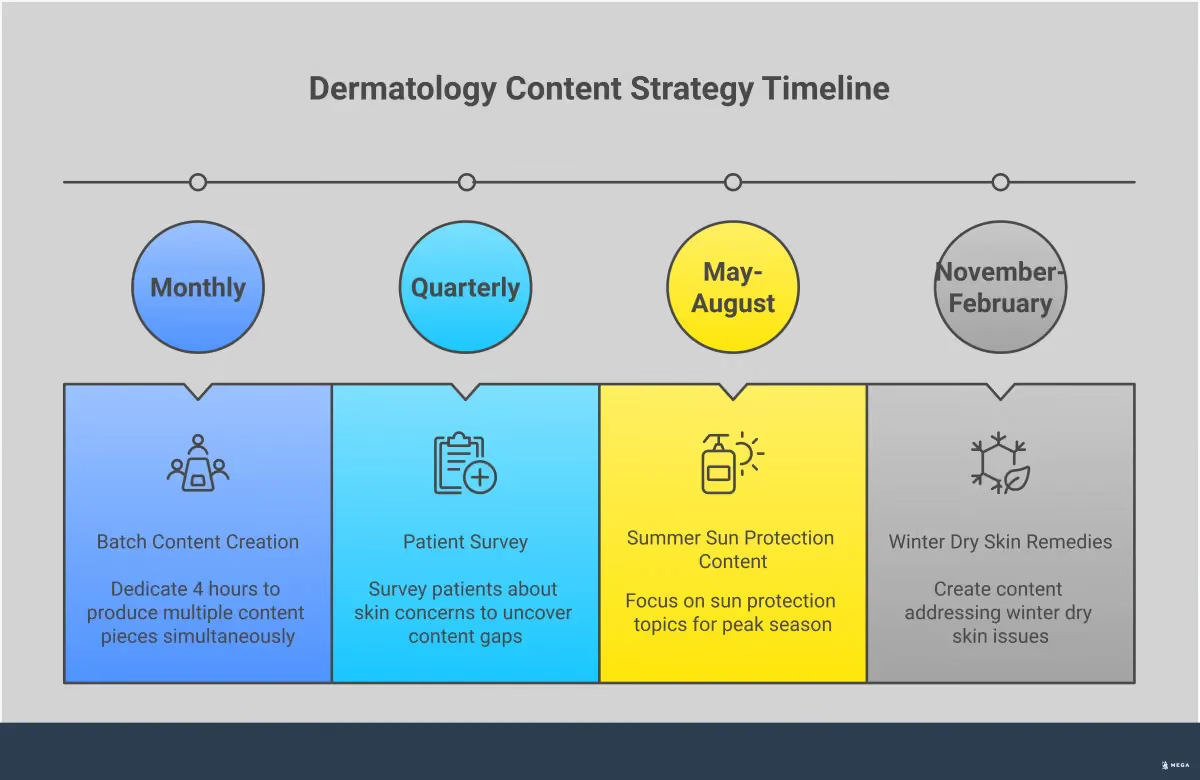
A patient's skincare needs often change with the seasons, giving you a natural and recurring content calendar. Planning your topics around the time of year keeps your content timely and highly relevant. For example, you can focus on sun protection and treating sunburns in the summer, then shift to managing dry, irritated skin during the winter months.
Other seasonal ideas include content about dealing with skin allergies in the spring or repairing sun damage in the fall. By anticipating these seasonal concerns, you can create content that addresses what’s on your patients' minds right now. This proactive approach shows that you understand their challenges and are ready to help them navigate the skincare changes each season brings.
Use Common Patient Questions for Inspiration
The questions you hear during appointments are direct insights into your patients' concerns. Keep a running list of the questions you get asked most often. Queries like, “What’s the best anti-aging ingredient?” or “Can stress cause my skin to break out?” are perfect prompts for blog posts, social media updates, or FAQ pages.
Creating content that directly answers these questions is one of the most effective marketing strategies. It shows that you are listening to your patients and helps you create highly specific, conversion-focused content. You can also use patient feedback forms or simple surveys to gather more questions and ideas. This method ensures you’re never short on relevant topics that resonate with your target audience.
Discuss New Health Trends and Treatments
Patients are constantly hearing about new skincare ingredients, cosmetic procedures, and viral health trends from social media and news outlets. By addressing these topics on your blog or in videos, you position your practice as a current and knowledgeable resource. When you provide reliable and easy-to-understand information about new treatments, you empower patients to feel more in control of their healthcare decisions. This type of educational content helps them separate effective innovations from passing fads. Discussing what’s new—whether it’s a cutting-edge laser technology or the science behind a popular serum ingredient—builds immense trust and shows that your practice is at the forefront of the field, making you the clear expert they turn to for advice.
How to Help Patients Find Your Content on Google
Creating valuable content is the first step, but ensuring potential patients can find it is just as important. Search engine optimization (SEO) is the process of making your website more visible when people search for the services you offer. Think of it as building a clear path from a patient's Google search directly to your practice's website.
When someone in your city searches for help with a skin condition, you want your practice to be one of the first results they see. A solid SEO strategy helps you connect with these potential patients at the exact moment they’re looking for your expertise. It involves understanding what patients search for, showing up in local results, and making sure your website is technically sound. Let’s look at the core components for getting your content seen.
Research Keywords Your Patients Are Searching For
To connect with patients, you need to speak their language. Keyword research is about identifying the specific words and phrases people type into search engines when they need dermatological advice or care. These might include "acne treatment in [Your City]" or "what does melanoma look like." By understanding these terms, you can create content that directly answers their questions.
Tools like Google Keyword Planner can help you discover what your audience is searching for. Integrating these keywords into your blog posts, page titles, and service descriptions helps search engines recognize your content as a relevant answer. This process ensures your expertise reaches the people who need it most. An AI-powered SEO agent can automate this research, finding the best keywords for your practice without you having to spend hours on it.
Master Local SEO to Attract Nearby Patients
As a local practice, your most important audience is the community around you. Local SEO helps you appear in search results for patients in your specific geographic area. A critical part of this is ensuring your practice's name, address, and phone number (NAP) are consistent across all online directories, especially your Google Business Profile, Yelp, and other local listings.
When your information is consistent, search engines trust that your practice is legitimate and located where you say it is. This improves your chances of appearing in the "map pack" on Google for searches like "dermatologist near me." Managing these listings is a foundational step to attract patients who are ready to book an appointment and visit your office.
Don't Forget These Key Technical SEO Elements
Technical SEO refers to the behind-the-scenes improvements that help search engines crawl and index your website more effectively. While it sounds complex, you can start with the basics. Focus on writing clear page titles and meta descriptions for each page, making sure to include your main keyword. Use headings (like H1 and H2 tags) to structure your content logically, which helps both readers and search engines understand the page's topic.
Another simple yet effective practice is internal linking—adding links from one page on your site to another relevant page. This helps patients discover more of your content and signals to search engines how your pages are related. Handling these technical details ensures your website provides a smooth experience, which can lead to higher rankings. Many of these ongoing fixes and optimizations can be managed by an automated SEO platform, freeing you to focus on your patients.
Create Visuals That Build Trust
In a field as visual as dermatology, what patients see has a huge impact on their decisions. High-quality images and videos do more than just decorate your website; they build a foundation of trust and help manage patient expectations. When potential patients can see the quality of your work, understand complex skin conditions through a simple graphic, or meet your team through a short video, they feel more connected and confident in your expertise. This visual proof is often the deciding factor for someone choosing a new provider.
Visual content demystifies procedures and makes your practice feel more approachable and transparent. It’s your chance to showcase your clinical environment, the technology you use, and the welcoming faces of your staff. A strong visual identity across your website, social media, and physical office creates a cohesive and professional impression. This consistency reassures patients that they are choosing a practice that is credible, professional, and attentive to detail. By investing in quality visuals, you are investing in the trust that turns a curious visitor into a loyal patient. It shows you care about every aspect of their experience, starting before they even book an appointment.
How to Ethically Use Before-and-After Photos
Before-and-after photos are one of the most powerful tools in a dermatologist's marketing toolkit. They offer tangible proof of your skills and give potential patients a clear picture of possible results. To be effective, these photos must be high-quality, well-lit, and taken from consistent angles to provide an accurate comparison. It's essential to obtain explicit, written patient consent before using any images for marketing. When presenting these photos, frame them with realistic and informative captions that explain the treatment, the number of sessions, and the typical patient experience. This approach not only showcases your best work but also educates patients and builds trust through transparency.
Make Complex Information Digestible with Infographics
Dermatology involves many complex topics that can be difficult for patients to grasp through text alone. Infographics are an excellent way to break down intricate information into simple, visually engaging formats. You can create graphics that explain the differences between UVA and UVB rays, illustrate how to perform a skin self-exam, or detail the stages of a condition like rosacea. Because they are easy to understand and share, infographics can significantly extend your reach on social media platforms like Pinterest and Instagram. They position your practice as an educational resource, helping you build authority while providing genuine value to your audience.
Tips for Creating Engaging Video Content
Video content brings your practice to life and creates a personal connection that photos cannot. Short, engaging videos are perfect for social media and your website. Consider creating content like a tour of your clinic, a "meet the doctor" segment, or a tutorial on the correct way to apply skincare products. You can also film short explainers for common procedures, walking patients through what to expect. Authenticity is key; a well-filmed video on a smartphone can often feel more genuine and relatable than a highly-produced commercial. This type of video marketing helps demystify the patient experience and showcases the human side of your practice.
Common Content Challenges for Dermatologists
Creating high-quality content is a powerful way to connect with new patients, but it comes with its own set of hurdles. For a busy dermatologist, juggling patient care with the demands of content creation can feel overwhelming. You’re an expert in skin health, not necessarily in marketing, and that’s perfectly fine. The key is to recognize the common challenges so you can build a strategy to address them effectively.
Many practice owners find themselves struggling with three main issues: a lack of time, the difficulty of translating complex medical knowledge into simple terms, and the challenge of standing out in a crowded digital space. Your expertise is your greatest asset, but presenting it in a way that resonates with patients requires a specific approach. By understanding these obstacles, you can create a sustainable content plan that builds trust with your audience, establishes your authority, and supports the growth of your practice without adding unnecessary stress to your schedule. The following sections break down each of these challenges and offer practical ways to manage them.
How to Create Content When You're Short on Time
Your primary focus is and should be on patient care. Finding extra hours in the week to brainstorm, write, and publish content often feels impossible. When you’re managing a practice, seeing patients, and keeping up with medical advancements, marketing can easily fall to the bottom of the priority list. This time crunch is the single biggest barrier for most dermatologists trying to build an online presence.
The solution isn’t to work longer hours but to work smarter. Start by creating reusable templates for common content formats like blog posts or social media updates. You can also try content batching—dedicating a single block of time each month to create all your content at once. For a more hands-off approach, consider how marketing automation can handle tasks like keyword research, content generation, and publishing, freeing you to focus on what you do best.
Write with Both Authority and Clarity
As a medical expert, you possess a deep understanding of dermatology that your patients don’t. This "curse of knowledge" can make it difficult to explain conditions and treatments in a way that is both accurate and easy to understand. Using technical jargon can alienate potential patients, while oversimplifying can risk spreading misinformation. Finding the right balance is critical for building trust.
To strike this balance, always write from the patient’s perspective. Think about the exact questions they ask during appointments and answer them directly in your content. A Q&A format is highly effective for this. Focus on creating clear, conversion-oriented content that addresses patient concerns without overwhelming them with medical terminology. This approach positions your practice as a helpful, authoritative resource and makes complex topics more accessible to a wider audience.
How to Stand Out from Online Misinformation
The internet is filled with skincare advice, much of it from influencers and brands with no medical background. This creates a noisy environment where misinformation can spread quickly, making it difficult for patients to find reliable guidance. Your challenge is to rise above this noise and establish your practice as the definitive source of truth for dermatological health.
Your medical expertise is your competitive advantage. Use it to create content that directly addresses and debunks common myths you hear from patients. Analyzing patient feedback from surveys or in-office conversations can give you a direct line into their biggest concerns and questions. By consistently providing evidence-based, trustworthy information, you can build a loyal following. A strong SEO strategy is also essential, as it ensures your expert content appears at the top of search results when patients are looking for answers.
Navigate the Impact of Legal Reviews
Creating content in healthcare involves an important extra step: legal review. This process is essential for protecting your practice and ensuring every piece of information you share is medically accurate and compliant with privacy regulations like HIPAA. Instead of viewing this as a final hurdle, treat it as a strategic part of your content creation. Thinking about compliance from the start helps prevent delays and ensures your content is both effective and responsible. This approach is a strategic advantage that builds durable trust with patients and makes the review process a smoother part of your workflow.
A Smarter Way to Approach Patient Content Creation
Running a dermatology practice is more than a full-time job. Finding extra hours to brainstorm, write, and publish content can feel impossible. The good news is that you don’t need to spend every spare moment creating content from scratch. By adopting a few smart strategies, you can build a consistent and effective content plan without sacrificing time with your patients.
The key is to work more efficiently, not necessarily harder. This means planning your content in focused blocks, getting the most mileage out of every piece you create, and using modern tools to handle some of the repetitive work for you. These approaches help you maintain a strong online presence, connect with potential patients, and establish your authority, all while respecting your demanding schedule. Let’s look at a few practical ways to streamline your content creation process.
Work More Efficiently with Content Batching
Instead of trying to create content daily, try content batching. This means dedicating a specific block of time—say, one afternoon a month—to create multiple pieces of content at once. You could write four blog posts, outline several video scripts, or design a month's worth of social media graphics in a single session. This approach allows you to get into a creative flow without the constant interruption of starting and stopping. Once your content is ready, you can use a scheduling tool to plan when each piece will be published. This ensures a steady stream of valuable information for your audience, keeping your practice top-of-mind even when you’re busy with patients.
Plan Ahead with a Content Calendar
A content calendar is the tool that brings your strategy to life. It’s a simple schedule that outlines what topics you'll post and when, turning your content ideas into a concrete plan. This is especially useful for mapping out seasonal topics, like sun protection in the spring or dry skin tips in the winter. By planning ahead, you can systematically address the common questions you hear from patients, ensuring you maintain a regular posting schedule without the last-minute stress. This consistency transforms your website from a static brochure into a dynamic resource. It’s a core component of a successful content marketing plan, helping you build a library of valuable information that establishes your authority and connects with patients when they are actively searching for answers.
Get More Mileage by Repurposing Your Content
You don't need to reinvent the wheel for every platform. A single, well-researched piece of content can be the foundation for many others. For example, a comprehensive blog post on the benefits of chemical peels can be repurposed into several different formats. You could create a short video summarizing the key points for Instagram, design an infographic that explains the different types of peels for Pinterest, and pull out key quotes for a series of Twitter posts. This strategy maximizes the reach of your original effort and presents the information in different ways to appeal to a wider audience. It’s an efficient way to fill your content calendar without starting from scratch each time.
Use AI Tools for Efficient Content Generation
Artificial intelligence can act as a powerful assistant, streamlining the most time-consuming parts of content creation. AI tools can help you brainstorm relevant topics, conduct keyword research, and even generate initial drafts for blog posts or social media updates. For instance, an AI-powered SEO service can identify the exact questions patients in your area are searching for, giving you a clear direction for your content. This allows you to focus your valuable time on what matters most: adding your medical expertise, ensuring clinical accuracy, and infusing the content with your practice's unique voice. By letting AI handle the foundational work, you can produce high-quality, optimized content more efficiently.
Critical Mistakes to Avoid in Your Content
Creating content is a powerful way to connect with patients, but a few missteps can undermine your efforts and even create legal risks. When building your content strategy, being aware of potential pitfalls is just as important as knowing what to include. Steering clear of these common mistakes will help you build a trustworthy online presence that protects your practice and genuinely serves your audience. Let's look at three critical areas where dermatologists often go wrong and how you can avoid them.
Always Protect Patient Privacy and HIPAA Compliance
Protecting patient privacy is non-negotiable. Before you share any patient stories, testimonials, or before-and-after photos, you must get explicit, signed consent. This goes beyond a verbal agreement; a formal release form is essential to stay compliant. Be mindful of details in photos or case studies that could inadvertently identify a patient. It's also crucial to use secure, HIPAA-compliant tools for all patient communications, from email newsletters to online contact forms. Never assume consent. Always document it to protect both your patient and your practice from serious legal and ethical issues.
Ensure Medical Accuracy and Include Disclaimers
As a medical professional, your content must be factually accurate and reliable. Inaccurate information can harm patients and damage your credibility beyond repair. For search engines like Google, this is a major ranking factor, especially for health topics. Your content needs to demonstrate expertise and trustworthiness. Always include a clear disclaimer stating that your blog posts or videos are for informational purposes only and do not constitute medical advice. If you use AI to help generate content, ensure a qualified medical expert from your practice reviews and approves every piece before it goes live.
Keep Your Language Simple and Accessible
You might discuss "comedones" with a colleague, but your patients are searching for information on "blackheads." Using overly clinical language alienates your audience and makes your content hard to understand. It also hurts your SEO performance, as you won't rank for the terms people actually use. Write for your patients, not your peers. Break down complex topics into simple, clear language. An effective keyword strategy focuses on the questions and phrases your patients use in everyday conversation. This approach makes your content more accessible, helpful, and discoverable in search results.
Is Your Content Actually Working? How to Tell
Creating content is only half the battle. To know if your efforts are actually helping your practice grow, you need to measure what’s working and what isn’t. Tracking your content’s performance helps you understand your patients better, refine your marketing strategy, and make sure your time and resources are well spent. Instead of guessing, you can use data to see which topics resonate, which formats drive engagement, and how your content contributes to your primary goal: attracting more patients.
Measuring success doesn’t have to be complicated. It starts with identifying a few key metrics that align with your practice’s objectives. Are you trying to increase website traffic, book more consultations for a specific procedure, or establish your practice as the local authority on skincare? Each goal has corresponding metrics that will tell you if you’re on the right track. By regularly reviewing these numbers, you can double down on successful tactics and adjust your approach as needed, ensuring your content strategy evolves with your practice.
Monitor Website Traffic and Engagement Metrics
The first step in measuring success is looking at who is visiting your website and how they interact with your content. An increase in website traffic, especially to your blog posts and service pages, is a strong indicator that your content is reaching new potential patients. You can use free tools like Google Analytics to monitor how many people visit your site, which pages they view, and how they found you.
Beyond just visitor numbers, look at engagement metrics. How long do people spend reading your articles? Do they click on other pages or leave immediately? High engagement shows that your content is valuable and holds your audience's attention. A consistent content strategy helps build this authority over time, improving your search ranking and turning more website visitors into scheduled appointments.
Connect Content Efforts to New Patient Appointments
Ultimately, the most important metric for your practice is the number of new patients walking through your door. Your content should directly contribute to this goal. To track this effectively, you need a system to connect appointments back to your marketing efforts. This could be as simple as adding a "How did you hear about us?" field to your intake forms or using a unique phone number on specific landing pages.
For online bookings, you can track which pages or articles lead to the most conversions. For example, a high-performing blog post about acne treatments should direct readers to a clear call-to-action to book a consultation. By creating these direct paths from content to conversion, you can clearly see how your dermatology marketing efforts translate into real business growth.
Get to Know Your Analytics Tools
To get a complete picture of your content's performance, you need the right tools. Platforms like Google Search Console can show you which keywords are bringing people to your site, allowing you to see what topics patients are searching for. This data is essential for planning future content and optimizing existing articles.
Beyond traffic data, consider gathering direct feedback from patients. Simple surveys or feedback forms can provide valuable insights into their experiences and what information they find most helpful. Combining quantitative data with qualitative feedback helps you refine your strategy from all angles. An integrated SEO platform can centralize this data, providing clear reports and actionable insights to help you make informed decisions without needing to be a marketing expert.
Use Content to Build Trust and Grow Your Practice
Creating content is about more than just filling your blog with articles. It’s about building a digital presence that establishes your practice as the leading authority on skin health in your community. When potential patients search for answers about a rash, acne treatment, or cosmetic procedure, your content should be what they find. This approach builds trust and credibility long before they ever step into your office.
A strong content plan is the foundation of any successful SEO strategy, turning your website into a powerful tool for patient acquisition. By consistently publishing accurate, helpful, and easy-to-understand information, you demonstrate your expertise and commitment to patient care. This not only helps you attract new patients but also nurtures your relationship with existing ones, encouraging loyalty and referrals. Think of your website as your digital front door; authoritative content is the welcome mat that invites people in and makes them feel confident in your care.
Position Yourself as a Trusted Health Resource
In healthcare, trust is everything. Patients are looking for reliable information from a source they can count on, and your website is the perfect place to provide it. Consistently publishing informative content positions your practice as a credible authority in the field of dermatology. When you create articles that explain common conditions, detail treatment options, and offer practical skincare advice, you build a library of resources that serves your community. This consistent effort shows that you are not just a service provider but a genuine partner in your patients' health. Over time, this trust translates directly into a stronger reputation and a steady stream of new patient inquiries.
Answer Patient Questions Before They Ask
A smart content strategy anticipates and answers the questions your patients are already asking. Think about the common concerns you hear in your office every day. By turning those questions into blog posts or FAQ pages, you can address patient needs before they even pick up the phone. This approach helps you build topical authority in the eyes of search engines, which can improve your rankings for relevant keywords. More importantly, it provides immediate value to potential patients, showing them that you understand their concerns. Answering questions online helps pre-qualify visitors, converting more of the right kind of traffic into scheduled appointments.
Create a Sustainable Content Strategy for Growth
Effective content marketing isn’t a short-term project; it’s a long-term asset for practice growth. Your strategy should evolve with your practice and your patients' needs. Use patient feedback and surveys to discover what topics they find most valuable. Plan your content calendar around seasonal skincare needs, new technologies you’re introducing, or common dermatological myths you want to debunk. Committing to a long-term plan ensures a steady flow of relevant content that keeps your practice top-of-mind. For busy practices, automating parts of this process can make all the difference. You can see how automation works to handle content creation and optimization, freeing you to focus on what you do best: caring for your patients.
Establish Clear Brand Guidelines
Establishing clear brand guidelines is about creating a consistent and professional experience that builds patient trust. Think of it as the rulebook for your practice's personality, ensuring every piece of communication—from a blog post about sun safety to a social media update—looks and sounds like it comes from the same reliable source. Your guidelines should define your practice's voice, specifying a tone that is both authoritative and accessible, avoiding the clinical jargon that can confuse patients. They also cover your visual identity, like your logo and color palette, and most importantly, your ethical standards. This includes mandating medical review for accuracy and outlining strict protocols for patient privacy. A consistent branding strategy makes your practice more memorable and reinforces your position as a trustworthy health authority.