
Think about the last time you made a significant purchase. Did you head to YouTube to watch a review or see the product in action? You’re not alone. The platform has become a central hub where people research, compare, and make buying decisions. This makes it one of the most powerful customer acquisition channels available today. But for a small business owner, managing video creation, ad targeting, and campaign optimization can feel overwhelming. This guide breaks down how to get started, why YouTube ads are more effective than you think, and how you can automate the entire process to get results.
Key Takeaways
- Meet customers where they make decisions: People use YouTube to research products and validate their purchasing choices. Placing your ads on the platform puts your brand directly in their path at a critical moment.
- Focus on strategy over spending: You can compete with larger brands by using precise targeting to reach interested viewers, crafting a clear call-to-action, and testing different ad formats to see what works.
- Let AI manage your campaigns for better results: An AI agent can handle the entire YouTube advertising process—from creating ad variations to optimizing your budget—saving you time and improving performance.
Why Use YouTube for Customer Acquisition?
YouTube has evolved far beyond a simple video-sharing site. It has fundamentally changed how people consume content and research products. According to Nielsen, YouTube is now the number one streaming platform on TV screens in the United States, outperforming Netflix, Hulu, and every other service. This massive audience isn't just passively watching; they're actively making decisions. For small businesses, this shift presents a huge opportunity to connect with potential customers where they already spend their time.
The platform’s real power lies in its influence on purchasing decisions. Research from Google shows that 50% of consumers watch an online video before buying a product. Think about it: when you want to see how a product works, read reviews, or learn a new skill, you likely turn to YouTube. This behavior makes it an ideal channel for customer acquisition. Unlike ads that interrupt a show, YouTube ads can feel like a natural part of the viewing experience, especially when someone is already watching a 15-minute product review. They are there specifically for video content.
This high level of engagement leads to real business results. Studies have shown that YouTube ads can generate a brand lift three times higher than the same ads on other social media platforms. By creating helpful, informative, or entertaining video content, you can build trust and credibility with your audience long before they visit your website. The key is to measure your YouTube ad success with the right metrics, allowing you to see exactly how your videos are turning viewers into customers.
Why Advertisers Are Shifting From TV to YouTube
For decades, TV advertising was the primary way to reach a mass audience. But viewer habits have changed. People no longer gather around a single screen at a set time; instead, they watch what they want, whenever they want. This shift has moved advertising budgets away from traditional television and toward platforms like YouTube.
YouTube isn't just a video-sharing site; it's the new television. Instead of a few channels broadcasting to everyone, it offers millions of channels, each catering to a specific interest or community. This structure gives advertisers a direct line to niche audiences that were previously difficult to reach. For small and local businesses, this means you no longer need a massive budget to get your message in front of the right people. You can connect with potential customers based on their actual interests and behaviors, not just broad demographic guesses.
Reach More People With Precision Targeting
Traditional TV advertising works by casting a wide net. You buy a spot during a popular show and hope the right viewers are watching. YouTube flips this model on its head. Instead of targeting shows, you target people. The platform’s powerful audience targeting capabilities allow you to reach viewers based on their search history, interests, and recent purchase intent.
This means you can show an ad for your new hiking boots to someone who just watched a video about national parks, even if they’re currently watching a tutorial on how to cook pasta. YouTube helps people find exactly what they’re looking for, and it helps your business find the exact people who are looking for you.
Get Higher Engagement Than Other Platforms
Context matters. When someone is scrolling through a social media feed, a video ad can feel like an interruption. But when they’re on YouTube, they are already there to watch video content. They are in an engaged, lean-in mindset, making them more receptive to your message. This environment is why ads on YouTube often see a significantly higher brand lift than the same ads on other platforms.
This built-in engagement means your ad budget works harder. You’re not just paying for views; you’re paying for attention from an interested audience. To measure success, it’s important to look beyond view counts and focus on metrics that align with your goals, whether that’s building brand awareness or driving direct sales.
How YouTube Influences Buying Decisions
YouTube is much more than an entertainment platform. It's a central hub where your potential customers spend time actively researching and making purchase decisions. Think about your own buying habits. When you’re considering a new piece of software, a home appliance, or even a vacation spot, where do you go for an honest look at how it works or what the experience is really like? For many, the answer is YouTube.
This shift makes the platform an essential part of the modern customer journey. People aren't just stumbling upon products; they are intentionally seeking out video content to help them understand their options, compare features, and see products in action. This active, engaged mindset is exactly what makes YouTube such a powerful channel for customer acquisition. Unlike passive advertising that interrupts a viewer, YouTube ads can meet customers in the exact moment they’re looking for answers. By providing valuable video content, you can guide their decisions and build a relationship before they even visit your website. It positions your brand not as an advertiser, but as a helpful resource, which is a much stronger foundation for a customer relationship.
Why People Watch Before They Buy
Research from Google shows that over 50% of shoppers say online video has helped them decide which specific brand or product to buy. People are no longer just killing time on YouTube; they're learning, comparing, and deciding. They watch product reviews, tutorials, and unboxing videos to build a mental shortlist of which brands they trust. When a potential customer searches for a solution to a problem your business solves, a well-placed video ad can introduce your brand as the perfect answer. This puts you directly in their consideration set at the most critical moment of their decision-making process.
How Video Builds Trust and Credibility
Video is uniquely effective at building confidence. In fact, 80% of viewers agree that YouTube helps them make more confident shopping decisions. When someone watches a product review or a how-to guide, they’re in a mindset to learn and engage with video content. This is fundamentally different from a traditional TV ad that interrupts a show. On YouTube, your ad can feel less like a disruption and more like a helpful piece of information. Tools like Brand Lift surveys even allow you to measure how your ads influence brand perception, tracking changes in brand recall and purchase intent.
Why YouTube Ads Work for Small Businesses
For a long time, video advertising felt out of reach for small businesses. The cost of producing a TV commercial and buying airtime was simply too high. YouTube changed that. It offers a platform where you can connect with a massive audience through video without needing an enterprise-level budget. The real power of YouTube lies in its ability to combine the broad reach of television with the precise targeting of digital marketing.
Unlike traditional media, YouTube allows you to show your ads only to the people most likely to be interested in your products or services. You can target based on demographics, interests, and even what they’ve recently searched for on Google. This precision means your marketing dollars go further, reaching potential customers at the exact moment they’re looking for a solution. For small and local businesses, this efficiency is a game-changer, making it possible to build a brand and drive sales on a platform once dominated by major corporations.
Spend Less Than on Traditional Media
One of the biggest hurdles for small businesses is the cost of advertising. Traditional media like television and radio require significant upfront investment with no guarantee of return. YouTube advertising operates on a more flexible and affordable model. You can start with a small daily budget and only pay when someone watches your ad or interacts with it. This pay-per-engagement model minimizes risk and ensures your budget is spent on attracting genuinely interested viewers.
The platform gives you access to massive scale and deep personalization, a combination that used to be reserved for companies with huge marketing departments. You can run a highly targeted campaign in your local area or reach a niche audience across the country, all for a fraction of the cost of a single TV spot.
Measure Your Results and Optimize in Real Time
With traditional advertising, it’s difficult to know who saw your ad and what action they took. YouTube provides detailed analytics that show you exactly how your campaigns are performing. You can track a wide range of YouTube metrics beyond simple views, including watch time, click-through rate (CTR), and conversions. This data tells you what’s working and what isn’t, allowing you to make adjustments on the fly.
If an ad isn't performing well, you can pause it, tweak the creative, or adjust your targeting to improve results. This ability to optimize in real time is crucial for small businesses that need to make every dollar count. By focusing on the right key performance indicators (KPIs), you can refine your strategy to consistently generate leads and sales.
Compete With Enterprise Brands
You don't need a massive budget to succeed on YouTube. The platform's targeting capabilities allow small businesses to compete effectively with larger companies by focusing on specific niches. While enterprise brands might spend millions on broad awareness campaigns, you can focus your budget on reaching high-intent customers who are actively searching for your products or services. Google’s ad tools are designed to help you find people in these crucial mid-to-lower funnel moments.
This is where smart strategy and compelling creative make all the difference. A well-crafted video that speaks directly to your target audience's pain points can outperform a generic, high-budget ad. By leveraging tools that help you launch and optimize paid ads, even a local business can find its audience and stand out against national brands, turning YouTube into a scalable channel for customer acquisition.
YouTube Ad Formats That Convert
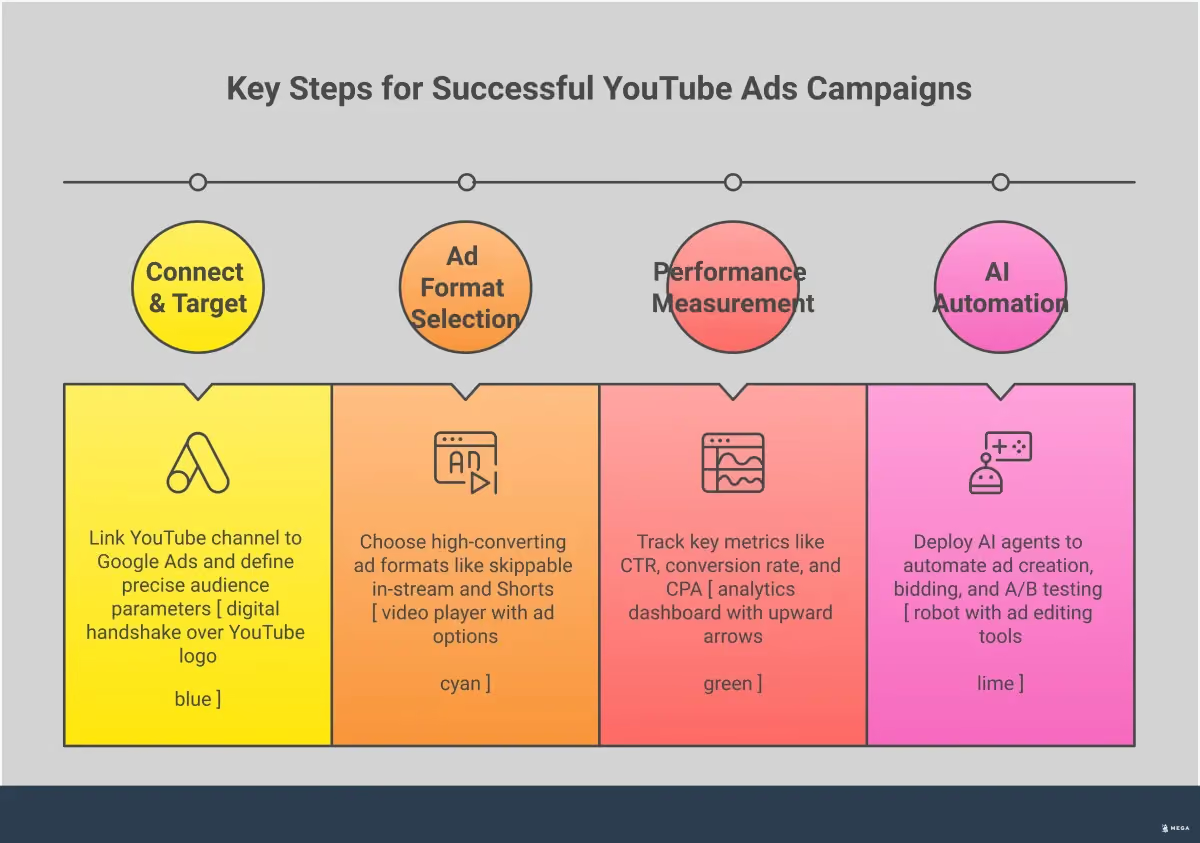
Choosing the right ad format is crucial for getting your message to the right people at the right time. Unlike other platforms where users are passively scrolling, YouTube viewers are already engaged in watching video content. This means your ad becomes part of their viewing experience, not just an interruption. Understanding the different video ad formats helps you align your campaign goals with how people actually use the platform. Whether you want to build brand awareness, drive website traffic, or generate direct sales, there’s a format designed to help you achieve it. Let's look at three effective options that deliver results.
Skippable vs. Non-Skippable In-Stream Ads
In-stream ads play before, during, or after other videos. With skippable ads, viewers can skip after five seconds, and you typically only pay when they watch at least 30 seconds (or the full ad if it's shorter). This format is great for telling a compelling story and capturing the attention of a highly interested audience. Non-skippable ads are 15 seconds or less and must be watched in their entirety. They work best for delivering a short, memorable message to a broad audience, ensuring your key point is seen and heard without the option to skip.
YouTube Shorts Ads for Mobile Audiences
YouTube Shorts are vertical, short-form videos designed for mobile viewing. Ads in this format appear between organic Shorts in the feed, creating a seamless experience. Because Shorts are known for high retention and replays, they offer a great opportunity to capture attention quickly. This format is ideal for showcasing products in action, sharing quick tips, or running user-generated style content that feels authentic and native to the platform. Since the audience is in a rapid-scrolling mindset, your message needs to be visually engaging and concise to make an immediate impact.
Shopping Ads and Product Features
With half of all consumers watching an online video before making a purchase, YouTube has become a key research destination. YouTube Shopping ads turn this viewer intent into action by allowing you to feature your products directly within your video ads. Viewers can see product images, pricing, and a direct link to purchase without leaving the platform. This format is incredibly effective for e-commerce brands and local businesses, as it shortens the path from discovery to conversion. It helps you build trust through video while making it easy for interested customers to buy.
How to Set Up Your First YouTube Ad Campaign
Launching your first YouTube ad campaign might feel like a big step, but it breaks down into a few manageable tasks. By focusing on the fundamentals—connecting your accounts, defining your strategy, and creating a simple video—you can build a powerful customer acquisition channel. Here’s how to get started.
Connect Your Google Ads Account
Since YouTube is part of the Google ecosystem, all your video ads are managed through Google Ads. The first step is to link your YouTube channel to your Google Ads account. This connection allows Google to access performance data from your videos, build remarketing lists from viewers, and run ads on your channel. Think of it as building the bridge that lets your ads and your channel communicate effectively. The process is straightforward and gives you the foundation needed to create targeted video campaigns for viewers who are most likely to engage with your business.
Define Your Audience and Goals
Before you spend a dollar, it’s important to know who you want to reach and what you want them to do. Are you trying to generate leads, drive website sales, or simply build brand awareness? Your goals will determine which metrics matter most. For customer acquisition, you might focus on conversions and click-through rates. Google’s demand gen campaigns are specifically designed to find people who are ready to consider your brand. Defining your target audience and campaign objectives from the start ensures you can accurately measure success and make informed decisions later on.
Create Compelling Video on a Budget
You don’t need a massive production budget to create effective YouTube ads. Authenticity often resonates more than high-gloss production. You can start with a smartphone, good lighting, and clear audio. Focus on a clear message, a compelling hook in the first few seconds, and a direct call-to-action. If you’re short on resources, AI tools can help. For example, Google’s demand gen features can automatically create simple videos from your existing brand images, logos, and ad copy. The key is to get started, analyze your ad metrics, and refine your creative strategy based on what performs best.
How to Measure Your YouTube Ad Success
Launching your YouTube ad campaign is just the first step. The real magic happens when you start measuring what works and what doesn't. Tracking your ad performance helps you understand your return on investment, refine your targeting, and make smarter decisions with your budget. While it might sound complicated, focusing on a few key metrics will give you a clear picture of your campaign's health.
Instead of getting lost in a sea of data, think about your primary goal. Are you trying to drive direct sales, generate leads, or simply get your brand name out there? Your goal determines which metrics matter most. For small businesses, every dollar counts, so tying your ad spend to tangible outcomes is essential. By regularly checking your performance, you can stop spending on ads that aren't delivering and double down on the ones that are. This process of continuous improvement is what turns a good campaign into a great one.
KPIs for Customer Acquisition
When your goal is customer acquisition, you need to track metrics that directly connect to sales and leads. Go beyond simple view counts and focus on Key Performance Indicators (KPIs) that measure action. The click-through rate (CTR) shows how many people clicked your ad after seeing it, indicating if your creative is compelling. The conversion rate tells you what percentage of those clicks resulted in a desired action, like a purchase or a form submission. Finally, cost per acquisition (CPA) calculates how much you spent to get each new customer. These are the core metrics that reveal the true financial performance of your ads.
Watch Time and Audience Retention
How long people watch your video ad before skipping is a powerful indicator of its quality and relevance. Watch time and audience retention metrics show how engaging your content is. If viewers are dropping off in the first few seconds, your hook might need work. If they watch all the way through, you’ve successfully captured their attention. A high average view duration suggests your ad resonates with your target audience, making them more likely to remember your brand and take action later. These engagement signals are crucial because they directly influence how YouTube's algorithm serves your ad to other potential customers.
Attribution and Conversion Tracking
To understand the full impact of your YouTube ads, you need to connect views to business results. Attribution and conversion tracking do just that. By setting up tracking in your Google Ads account, you can see when a viewer who saw your ad later visits your website and makes a purchase, even if they didn't click the ad directly. This helps you measure the ad's influence on the entire customer journey. You can also use tools like Brand Lift studies to measure changes in brand awareness and purchase intent, giving you a complete picture of how your campaigns are shaping consumer behavior.
Common YouTube Ad Mistakes to Avoid
Running a successful YouTube ad campaign is about more than just creating a great video. It's also about avoiding common missteps that can drain your budget and limit your reach. By steering clear of a few key mistakes, you can ensure your ads connect with the right people and drive real results for your business. Let's look at some of the most frequent errors small businesses make and how you can avoid them.
Targeting the Wrong Audience
One of the fastest ways to waste your ad budget is by showing your ads to the wrong people. If your content doesn't resonate with the viewers who see it, you’ll end up with low engagement and few conversions. For example, a local coffee shop in Austin shouldn't be advertising to viewers in Seattle. YouTube offers powerful audience targeting options that let you define your audience by demographics, interests, and even past online behavior. Taking the time to set up your targeting correctly ensures your message reaches potential customers who are genuinely interested in your product or service, giving you a much better return on your investment.
Using a Weak Call-to-Action
Your video ad might capture someone's attention, but what do you want them to do next? A vague or missing call-to-action (CTA) leaves viewers wondering what the next step is. Vague phrases like "check us out" are far less effective than clear, direct instructions. A strong CTA tells your audience exactly what to do, such as "Shop Our 24-Hour Sale" or "Download Your Free Guide." Remember, likes and views are nice, but customers are what keep your business running. An effective call-to-action is essential for turning viewers into leads and sales.
Forgetting Mobile Users and A/B Tests
A huge portion of YouTube views happen on smartphones, so if your ad isn't designed for a small screen, you're missing a major opportunity. Mobile-friendly videos are visually clear, use large text, and get to the point quickly. Beyond mobile optimization, it's important to continuously test your ads. A/B testing involves running slightly different versions of your ad to see which one performs better. You can test headlines, visuals, or calls-to-action to find the combination that resonates most with your audience. This process of testing and refining is key to improving your ad performance over time and making sure your marketing dollars are working as hard as possible.
Automate Your YouTube Ads With AI Agents
Managing a YouTube ad campaign involves more than just creating a great video. It requires constant monitoring, testing, and optimization—tasks that can quickly overwhelm a small business owner. This is where AI agents come in. Instead of you having to manually adjust bids, target new audiences, and analyze performance data, an AI agent can handle the entire process autonomously.
Think of it as having a dedicated marketing expert who works around the clock to ensure your campaigns are effective and efficient. These agents can research your market, execute a strategy, and improve performance over time, freeing you to focus on other parts of your business. For small teams, this level of automation makes it possible to run sophisticated ad campaigns that deliver real results without the high cost of a traditional agency.
Automate Campaign Creation and Optimization
Setting up a YouTube campaign involves defining goals, selecting audiences, setting budgets, and choosing bidding strategies. An AI agent simplifies this entire workflow. You provide the high-level goals, and the agent handles the technical setup within Google Ads. It can analyze your target market to identify the most promising audience segments and automatically adjust bids in real time to maximize your return on ad spend (ROAS).
This continuous optimization is key. The agent doesn't just set up the campaign and walk away. It constantly monitors performance, identifies what’s working, and reallocates your budget to the most effective ads and audiences. MEGA AI’s Paid Ads agent, the Ads Agent, autonomously manages this entire lifecycle, ensuring your campaigns are always running at peak efficiency.
Create and Test Ad Variations at Scale
One of the biggest challenges in video advertising is producing enough creative content to avoid ad fatigue. AI agents solve this by generating and testing multiple ad variations at scale. You can upload your core video assets, and the agent can automatically create different versions by changing the background music, updating the script, or adding different end cards. This allows you to conduct robust A/B testing without needing a large production team.
This process helps you quickly discover which messages, visuals, and calls-to-action resonate most with your audience. Instead of spending weeks producing two ad versions, an AI agent can generate and test dozens, gathering performance data much faster. This data-driven approach ensures your creative strategy is always based on what actually drives conversions.
Localize Content With Multi-Language Voiceovers
If you want to reach customers in different regions, you need to speak their language. Manually translating and re-editing videos for each market is both time-consuming and expensive. AI agents make global expansion accessible for any business by automating content localization. With the right tools, you can translate voiceovers and closed captions into multiple languages in a fraction of the time it would take a human team.
This capability allows you to run targeted campaigns in new markets without creating entirely new videos from scratch. By presenting your ads in a viewer's native language, you significantly increase engagement and build stronger connections with international audiences. It’s a powerful way to scale your business globally while maintaining a local feel.
Start Your YouTube Ads With MEGA AI
Setting up and managing a YouTube ad strategy can feel like a full-time job, especially for small businesses where everyone wears multiple hats. You need to create video content, define complex targeting, test ad variations, and constantly monitor performance. This is often where marketing efforts get deprioritized or outsourced to expensive agencies.
MEGA AI offers a different approach. Our AI-powered growth agent, the Ads Agent, autonomously plans, launches, and optimizes your paid advertising campaigns for you. Instead of wrestling with a complex ad interface, you get an agent that understands your goals and does the work to achieve them. This makes it possible for any business to use the power of YouTube without needing a dedicated marketing team.
Simplify Campaign Setup and Management
When you run an ad on most social platforms, you’re interrupting someone’s scroll. On YouTube, users are already there to watch video content, making them a more engaged and receptive audience. Reaching them effectively, however, still requires a clear strategy and a streamlined setup process.
MEGA AI simplifies this entire workflow. You start by connecting your ad accounts and telling our agent your goals. From there, the Ads Agent handles the technical setup, from campaign structure to audience targeting. There’s no need to spend hours learning the ins and outs of Google Ads. You provide the direction, and the agent executes the plan, freeing you to focus on running your business.
Let Autopilot Mode Handle Optimization
The biggest challenge in advertising is the constant need for optimization. You have to test different ad creatives, adjust bids, and refine your audience targeting to get the best results. This is where our Autopilot mode comes in. Once your campaign is live, the Ads Agent continuously works to improve its performance without requiring manual input.
Our agent can automatically remix your content to create hundreds of variations, testing different scripts, background music, and end cards to find what resonates with your audience. It also moves your budget to the best-performing ads and audiences, ensuring your spend is always placed optimally. If you want to see how this hands-off approach works, you can book a demo to see our agents in action.