
Your potential customers are looking for a reason to trust you. More often than not, they find it in your customer reviews. These authentic testimonials are powerful social proof, offering an unbiased perspective that ads simply can't match. Positive online reviews are one of the fastest ways to build credibility and convince prospects to choose you. This article will show you how to create a steady stream of this valuable feedback and use it to turn online searchers into loyal customers.
Key Takeaways
- Build a system for collecting reviews: Make asking for feedback a routine part of your customer experience. Use automated follow-ups with a direct link to make it simple for customers to leave a review while their experience is fresh.
- Respond to every review to build trust: Actively engage with both positive and negative feedback to show potential customers you are attentive. A thoughtful response can resolve issues and demonstrate your commitment to customer satisfaction.
- Use your best reviews as social proof: Feature positive testimonials on your website, social media, and in ads. This turns authentic customer feedback into a powerful marketing tool that builds credibility and attracts new business.
Why Your Business Needs Customer Reviews
Customer reviews are more than just feedback; they're a powerful engine for growth, especially for local businesses. Think of them as digital word-of-mouth that works for you around the clock. They play a dual role that is critical to attracting new customers. First, they directly impact how visible your business is in online search results. Second, they build the social proof and trust needed to turn a curious searcher into a paying customer. Getting a handle on your review strategy is one of the most effective ways to improve your online presence and strengthen your reputation.
The Power of Social Proof in Numbers
Social proof is the idea that people follow the actions of others. When it comes to your business, customer reviews are the most powerful form of social proof you have. The data is clear: nearly every customer (99.9%) checks reviews when they shop online, and most consider them essential for making a purchase. This isn't just about browsing; it has a direct impact on your bottom line. For example, simply displaying customer feedback can increase conversion rates significantly. In a digital world, a stranger’s online review carries the same weight as a recommendation from a friend, making a strong review profile a non-negotiable asset for any local business.
How Reviews Build Trust and Credibility
Trust is the foundation of any customer relationship, and authentic reviews are one of the fastest ways to build it. Because reviews come from real people who have used your service, they serve as an unbiased evaluation that potential customers find credible. In fact, about 90% of buyers read them before deciding to make a purchase. This feedback loop doesn't just help you attract new business; it also builds your company's reputation and encourages repeat customers. Even negative reviews offer a chance to build credibility. Responding professionally and resolving the issue publicly shows that you value customer satisfaction, turning a potential problem into a demonstration of excellent service.
Do Customer Reviews Affect SEO?
Reviews are a major factor in how search engines like Google decide to rank local businesses. Every review acts as a signal to Google that your business is active, legitimate, and popular with real customers. As one SEO expert puts it, "a review to Google is a proxy for popularity. The more reviews you get, the more Google says, 'Man, this is a really popular place.'" This perceived popularity can directly improve your visibility in local search results and on Google Maps. A steady stream of positive feedback helps solidify your relevance for local searches, making it easier for new customers to find you when they need your services. This is a core component of any effective local SEO strategy.
Use Reviews to Build Customer Trust
Positive online reviews are one of the fastest ways to build credibility and attract new business. According to the U.S. Chamber of Commerce, a majority of customers consider the number of reviews a business has before making a purchase. This is because reviews offer unbiased insight from people who have already used your product or service. Even negative reviews present an opportunity. How a business responds to feedback is a key factor for consumers. By addressing criticism professionally and transparently, you can show that you are listening and are committed to customer satisfaction, which can build even more trust than a flawless record.
Understanding the Landscape of Customer Reviews
When we talk about customer reviews, it’s easy to focus only on the star rating next to a business name. But reviews are much more than a number; they are the stories and experiences your customers share about your business. These can be detailed written comments, short quotes, or even video testimonials. Each format provides a different layer of insight that gives context to the stars. A short, punchy quote is perfect for a social media graphic, while a detailed written review can become a compelling case study. Video testimonials are especially powerful because they add a human face and voice to the feedback, making it feel incredibly authentic and persuasive for potential customers.
While Google is a giant in the review space, your customers are likely talking about you on other platforms, too. It's important to know where these conversations are happening so you can listen and engage. Different industries have their own key review sites, and having a presence on the right ones can make a significant difference. For restaurants, salons, and home services, Yelp remains a major player. If you run an e-commerce business, platforms like Trustpilot are essential, as they often focus on verified reviews from real purchasers. For establishing broad credibility, the Better Business Bureau (BBB) is a long-standing authority. Meanwhile, niche platforms like Tripadvisor dominate the travel and hospitality industry, and Capterra is a key resource for B2B software. Knowing which platforms matter most for your industry is the first step in building a comprehensive review strategy.
The Challenge of Fake and Unreliable Reviews
As important as reviews are, it's also true that the system can be manipulated. It’s often hard to trust customer reviews because some of them are not genuine. Unscrupulous sellers sometimes pay for positive feedback, a practice known as offering "incentivized reviews." On the flip side, a competitor might post a string of negative reviews to intentionally hurt a business's reputation. These practices can mislead consumers and unfairly penalize honest business owners. Understanding that fake reviews exist is crucial for both reading them as a consumer and managing them as a business.
Regulatory Action Against Fake Reviews
The problem of fake feedback has become so widespread that government bodies are stepping in. In 2023, the U.S. Federal Trade Commission (FTC) announced a proposed rule to ban fake reviews and testimonials. This move signals a serious effort to hold businesses accountable and protect consumers from deceptive marketing practices. The rule aims to prohibit buying, selling, and manipulating customer reviews. For small business owners, this is a positive development that helps level the playing field, ensuring that authentic customer feedback is what truly matters for building a reputation.
Tools to Help Identify Fake Reviews
While regulators work on long-term solutions, there are tools that can help you spot suspicious activity now. Services like Fakespot and ReviewMeta analyze reviews on popular sites like Amazon and Yelp to identify patterns that suggest fake feedback. They look for things like unnatural language, a reviewer's limited history, or a sudden influx of reviews in a short period. While these tools are primarily for consumers, business owners can also use them to monitor their own listings. Finding and reporting fake negative reviews can help you maintain the integrity of your online reputation.
The Phenomenon of "Spoof" Reviews
On a lighter note, not all unusual reviews are malicious. You might occasionally come across "spoof" reviews, which are intentionally humorous, ironic, or sarcastic. These are often found on sites like Amazon, where users write elaborate, glowing reviews for mundane or silly products, like a gallon of milk or a banana slicer. These reviews are a form of internet humor and are generally easy to spot. They don't offer genuine feedback, but they serve as a reminder that behind the screen are real people, and sometimes, they're just looking to have a little fun.
How Customer Reviews Impact Your Google Business Profile
Your Google Business Profile is often the first impression customers have of your local business. Reviews are one of the most influential parts of that profile, affecting how both search engines and potential customers see you. They are a direct line of communication that shows how you operate and how people feel about your services. Understanding their impact is the first step to building a stronger online presence.
How Reviews Influence Your Local SEO
Think of customer reviews as votes of confidence for your business. For Google, each review is a signal that your business is legitimate, active, and popular within your local area. The more positive reviews you collect, the more Google sees your business as a relevant and trustworthy answer to a searcher's query. This directly impacts your local SEO performance. Businesses with a steady stream of high-quality reviews are more likely to appear in the coveted "map pack" at the top of local search results. Google doesn't just look at the star rating; it also considers the total number of reviews and how recently they were left. A consistent flow of feedback tells the algorithm that your business is current and consistently serving customers.
How Star Ratings Get You More Clicks
Beyond the algorithm, star ratings have a powerful psychological effect on potential customers. When someone searches for a service you offer, the search results page is your digital storefront window. A high star rating next to your business name acts as instant social proof, catching the eye and building trust before a user even clicks. According to the U.S. Chamber of Commerce, 60% of customers consider the number of reviews a business has before making a decision. A listing with 4.8 stars and 150 reviews is simply more appealing than one with 3.5 stars and 10 reviews. This visual trust signal leads to a higher click-through rate, driving more qualified traffic to your website and your front door.
Optimize Your Google Business Profile to Get More Reviews
Your Google Business Profile is often the first impression a potential customer has of your business. It’s more than just a listing; it’s a dynamic tool that directly impacts your ability to attract reviews and rank in local search results. When your profile is complete, accurate, and active, it signals to both Google and customers that your business is credible. Think of it as your digital storefront. A clean, well-lit, and informative storefront invites people in, while a neglected one does the opposite. By treating your profile as a key part of your local SEO strategy, you create a foundation that naturally encourages customer interaction, including leaving reviews.
Start with a Complete Google Business Profile
A complete profile is a trusted profile. Start by ensuring every section is filled out with accurate and up-to-date information. This includes your business name, address, phone number, hours, and website. Add high-quality photos of your location, products, and team to help customers visualize your business. A detailed description of your services also helps you appear in more relevant searches. According to the U.S. Chamber of Commerce, positive online reviews improve your company’s reputation and attract new customers. A professional-looking profile is the first step in earning that trust and encouraging that first positive review.
Verify Your Profile to Manage Reviews
Before you can begin managing your online reputation, you need the keys to your digital storefront. On Google, this means verifying your business profile. As Google’s own guidelines state, you must first prove that you own your business before you can reply to reviews. This is a critical security step that ensures only authorized individuals can speak on behalf of the company. Verification unlocks your ability to respond to customer feedback, edit your business information, and access insights about how customers are finding you. Think of it as claiming your property. Once verified, you have full control over how you present your business and interact with the community, turning your profile into an active tool for customer engagement.
How to Interact with Reviews on Google
Engaging with reviews is one of the most direct ways to build trust with your audience. Replying to feedback shows that you are listening and that you value your customers' opinions. Make it a practice to respond to every review, not just the glowing ones. For positive reviews, a simple thank you that acknowledges a specific detail from their comment can make a customer feel seen and appreciated. For negative reviews, a prompt and professional response is even more critical. Acknowledge their concern, apologize for their experience, and offer to take the conversation offline to resolve the issue. This approach shows potential customers who are reading your reviews that you are accountable and committed to providing excellent service.
Replying to Text and Photo Updates
Customer feedback isn't limited to just text and a star rating. Users can also add photos with their reviews, and these visual testimonials offer a unique engagement opportunity. When a customer posts a photo, you can reply to add context or show your appreciation. For example, if a client posts a picture of their newly landscaped yard, you could reply, "It was a pleasure bringing your vision for a backyard oasis to life. We're so glad you're enjoying the new patio!" These interactions don't change your star rating, but they are visible to other users. Replying to photo updates helps you build a richer, more engaging profile that tells a more complete story about your business and the quality of your work.
Editing Your Replies and Sharing Direct Links
Your responses to reviews are a permanent part of your online presence, so it’s important to get them right. If you make a typo or feel your initial response could be improved, you can easily make changes. Google allows you to go back and edit or delete your reply at any time, ensuring your responses always maintain a professional tone. This feature gives you the flexibility to refine your message and put your best foot forward. Additionally, you can get a direct link to any review. This is perfect for sharing your best five-star testimonials on your website or social media channels, turning authentic customer praise into powerful marketing content that builds social proof and attracts new business.
Check Your Google Review Settings
Making the review process simple is the best way to get more customers to participate. Google provides a direct link that takes customers straight to the review submission window for your business. You can find this link in your Business Profile Manager dashboard. Once you have it, share it everywhere: in emails, on receipts, and via text messages. You should also make a habit of responding to the reviews you receive. Responding to reviews by thanking customers for positive feedback and addressing concerns in negative comments shows potential reviewers that you are listening and that their opinion matters. This simple act can encourage more people to share their own experiences.
How to Ask for Customer Reviews (Without Being Awkward)
Asking for a review can feel like a big favor, but it doesn't have to be uncomfortable. Most happy customers are willing to share their experience; they just need a gentle nudge. The key is to make the request a natural part of your customer service process. By finding the right moment, using the right channel, and making it incredibly simple for them, you can build a steady stream of positive feedback. Think of it less as asking for something and more as opening the door for a conversation about their experience with your business.
When Is the Best Time to Ask for a Review?
Timing is crucial when asking for a review. You want to catch customers when their positive experience is still fresh in their minds. For a service-based business, the ideal moment might be right after you’ve completed the job and the client is expressing their satisfaction. For an ecommerce store, it could be a week after the product has been delivered, giving them enough time to use it. The goal is to identify the "peak happiness" point in your customer journey. Requesting feedback too early or too late can miss that optimal window where a customer is most motivated to share their thoughts.
Where to Ask for Reviews: Email, SMS, and More
People have different communication preferences, so relying on a single channel might mean you’re missing out on valuable feedback. A multi-channel approach ensures you reach customers where they are most comfortable. You can add direct review links to your email signatures, digital receipts, and newsletters. Setting up automated follow-up emails or SMS messages after a purchase or service is another effective way to prompt a review. By making the request a standard part of your communication, it becomes a routine follow-up rather than a one-off, awkward ask.
Should You Ask for Reviews in Person or Online?
For local businesses with face-to-face interactions, asking in person can be very effective. Train your team to make the request when a customer gives a compliment or seems particularly pleased with their service. A simple, "We're so glad you had a great experience. If you have a moment, we'd love it if you shared your feedback online," works well. For online businesses, digital requests are your go-to. You can also consider offering small incentives, like a discount on a future purchase, but always check the specific review platform’s policies first to ensure you’re compliant.
Guiding Customers to Write Detailed Reviews
While a five-star rating is great, a detailed review is where the real value lies. Vague feedback like "good service" doesn't give potential customers much to go on. To encourage more descriptive responses, guide your customers with specific prompts. Instead of a generic "Leave a review," try asking open-ended questions like, "What did you like most about your experience?" or "Which part of our service stood out to you?" This simple change encourages them to reflect on the specifics. You can also prompt them to add photos or videos. Seeing your product or service in a real-world setting helps new customers visualize the benefits and builds a powerful layer of authentic social proof.
How to Systemize Your Review Collection
Asking for reviews ad-hoc works, but creating a repeatable system is how you build a steady stream of social proof. A consistent process ensures you never miss an opportunity to capture feedback while the experience is still fresh for your customer. It also makes review collection a predictable part of your operations, not just an afterthought. For a small business, this means less manual work and more consistent results for your local SEO.
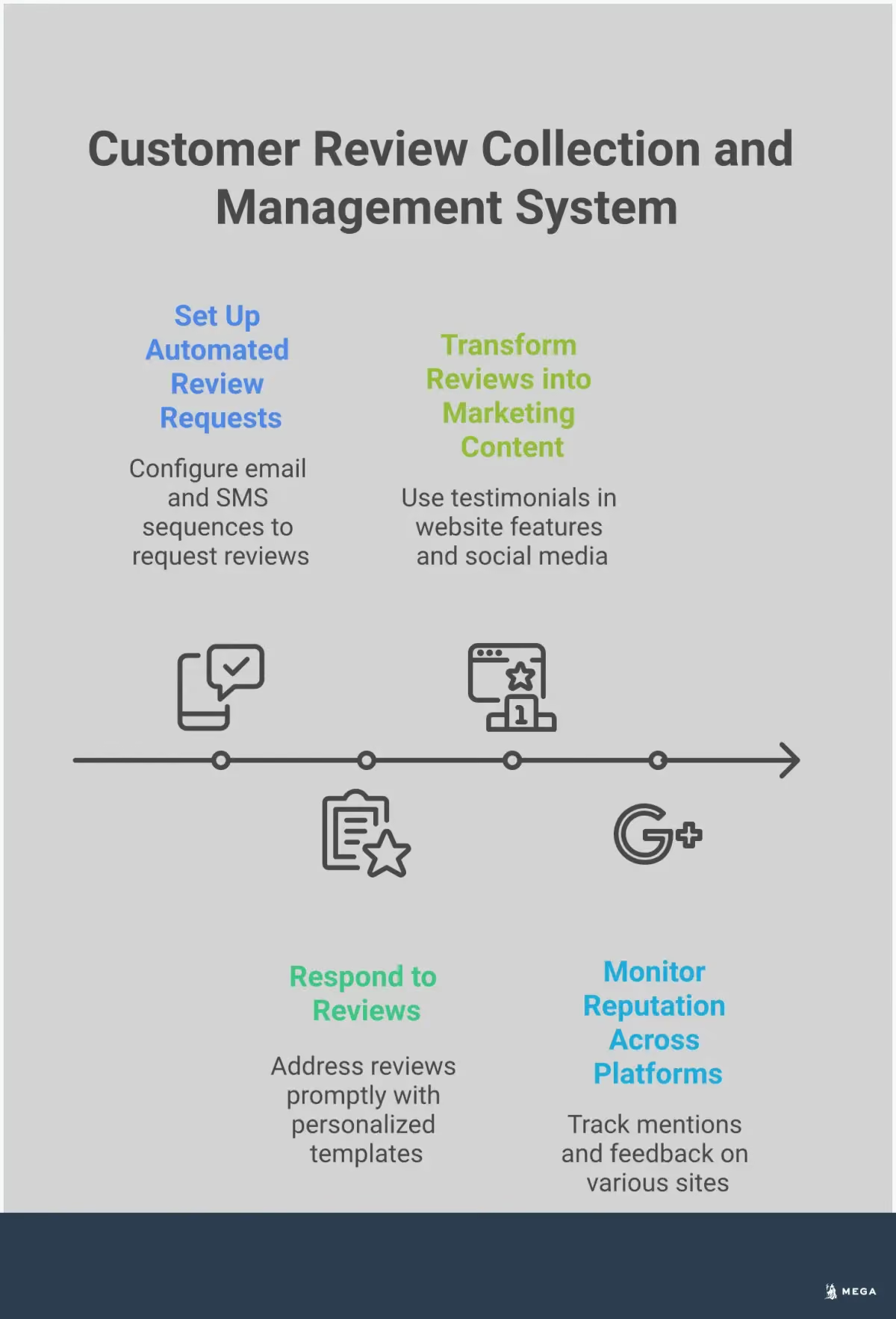
The goal is to make leaving a review a natural final step in your customer's journey. By building a simple, automated, and frictionless process, you can gather valuable feedback that builds trust and attracts new business without taking time away from your daily priorities. The following steps will help you build a system that works on autopilot.
Use Post-Purchase Follow-Ups to Get Reviews
The best time to ask for a review is shortly after a customer has experienced the value of your product or service. Following up after a purchase or service completion keeps the experience top-of-mind and makes it more likely they’ll share their thoughts. For an ecommerce store, this might be a few days after their order is delivered. For a local service business, it could be an hour after a job is completed.
This simple follow-up strategy does more than just ask for a review; it shows the customer you care about their experience. It reinforces the positive interaction they just had with your business and opens the door for them to share that positivity with others. Timing is everything, so integrate the request into the natural conclusion of your service.
Automate Your Review Requests
Manually sending every review request is time-consuming and easy to forget. Setting up automated follow-up emails or SMS messages streamlines the entire process, ensuring every customer gets a timely prompt to leave feedback. This is where you can truly put your review collection on autopilot, saving you valuable time while your online reputation grows consistently.
Many tools can trigger these messages based on a purchase or appointment. This automation is a core part of an effective local SEO strategy, as a steady flow of new reviews signals to search engines that your business is active and valued by customers. By automating these requests, you create a reliable system that works for you in the background, so you can focus on running your business.
Make it easy for customers to leave a review
Even the happiest customer might not leave a review if the process is complicated. The key is to reduce friction as much as possible. Instead of just asking them to find you on Google, provide a direct link that takes them straight to the review form. The fewer clicks required, the higher your conversion rate will be.
You can include this link in your automated emails, SMS messages, or even on your receipts. For brick-and-mortar businesses, a QR code at the point of sale can take customers directly to your review page. By making the process effortless, you respect your customer's time and significantly increase the chances they’ll complete the request and share their positive experience.
Using QR Codes and NFC Tap Cards
Technology offers a simple way to bridge the gap between a great in-person experience and a positive online review. QR codes and Near Field Communication (NFC) tap cards are two effective tools that make leaving feedback almost effortless for your customers. You can create a QR code that links directly to your Google review page and place it on signs, receipts, or business cards. A customer simply scans the code with their phone's camera to go straight to the review form. NFC tap cards work similarly; a customer just taps the card with their phone to open the link. These methods remove the friction of asking a customer to search for your business and find the right page to leave a review.
Strategic Placement for Review Prompts
Where you place your review prompts is just as important as how you ask. The goal is to make the request feel like a gentle invitation, not a demand. Avoid placing a large QR code sign directly at the payment counter, as this can make customers feel pressured while they are trying to pay. Instead, consider more subtle placements where they will see it on their way out, such as on a small sign by the exit door or on the back of their printed receipt. This gives them the freedom to scan the code in their own time, perhaps while walking to their car. This thoughtful approach to the customer experience respects their space and makes them more likely to follow through.
How to Respond to Every Type of Customer Review
Responding to reviews is a non-negotiable part of managing your online reputation. It shows both existing and potential customers that you are engaged, you care about their experience, and you’re willing to listen. A thoughtful response can change a customer's perception, resolve an issue, and even encourage more people to share their feedback. By making review responses a standard part of your operations, you take control of your business’s narrative.
A Simple Framework for Responding to Reviews
Timing is key when responding to reviews. Aim to reply within 24-48 hours to show customers you’re attentive. For positive reviews, thank the person by name and mention a specific detail from their feedback. This adds a personal touch and shows you’ve read their comment carefully. For negative reviews, always start by acknowledging their frustration and apologizing for their poor experience. Avoid getting defensive. Instead, offer to resolve the issue offline by providing a direct contact email or phone number. This demonstrates accountability and is a core part of any effective reputation management strategy.
How to Handle Negative Reviews Gracefully
While no one likes getting a negative review, it’s a valuable opportunity to show your character as a business. A public, professional response to criticism can actually build customer trust. It shows prospective customers that if something goes wrong, you’ll be there to make it right. Treat negative feedback as free insight into how you can improve your products or services. By addressing the issue head-on and offering a resolution, you can sometimes turn an unhappy customer into a loyal one. Your response isn't just for the original reviewer; it's for everyone else reading it.
How Your Responses Can Generate More Reviews
Engaging with current reviews can directly influence future ones. When potential customers see that you actively reply to feedback, they feel more confident that their own voice will be heard, making them more likely to leave a review. Responding to positive reviews is especially important. It validates the customer's experience and makes them feel appreciated. A happy customer who receives a personal thank you is more likely to become a vocal advocate for your brand, sharing their positive experience with others. This simple act helps create a positive feedback loop that strengthens your online presence.
Are You Making These Review Collection Mistakes?
Asking for reviews is a great first step, but how you ask can make all the difference. A thoughtful approach encourages customers to share their positive experiences, while a few common missteps can hurt your reputation or even violate platform policies. Getting your review collection process right means avoiding the pitfalls that can turn customers off or get your business profile flagged. By steering clear of these mistakes, you can build a steady stream of authentic feedback that helps your business grow.
The Do's and Don'ts of Offering Incentives
Offering a discount or a freebie in exchange for a review might seem like a smart way to get more feedback, but it can backfire. Major review platforms like Google and Yelp have strict policies against incentivizing reviews to prevent biased or fake feedback. Offering compensation can lead to penalties, including the removal of your reviews or a lower ranking for your business profile. Instead of offering a direct incentive for a review, focus on providing an excellent customer experience that makes people want to share their thoughts. You can still run general promotions or contests that aren't directly tied to leaving a review.
How to Follow Review Platform Rules
Every review platform has its own set of rules, and it’s important to know them. For example, some platforms prohibit "review gating," which is the practice of screening customers and only asking happy ones to leave a review. Others may have rules against soliciting reviews in bulk. Breaking these rules can lead to your reviews being filtered out or your business page being penalized. Take some time to read the business guidelines for each platform you use. Staying compliant ensures your hard-earned reviews remain visible and continue to build trust with new customers.
Don't Be Pushy: Timing Your Ask Correctly
When you ask for a review is just as important as how you ask. Requesting feedback too early, before a customer has fully experienced your product or service, can feel premature. Waiting too long can cause the initial positive feeling to fade. The best time to ask is shortly after a positive interaction, like after a successful delivery or a great service appointment. You should also make the process as simple as possible. Instead of just saying "review us online," provide a direct link to your preferred review page. A simple, well-timed request feels helpful, not pushy.
How to Use Customer Reviews in Your Marketing
Getting a great review is a fantastic feeling, but its journey shouldn't end there. Positive reviews are powerful marketing assets you can use to build trust and attract new customers. Think of them as authentic endorsements that do the selling for you. By strategically placing your best feedback across your marketing channels, you provide the social proof potential customers need to feel confident choosing your business. For small and local businesses, this is especially important. You're not just competing on price or features; you're competing on trust and community connection. Leveraging the words of your happy customers is one of the most effective ways to build that connection at scale.
This isn't about bragging; it's about building credibility. When someone is deciding whether to hire your service or buy your product, seeing that others have had a positive experience can be the final nudge they need. Integrating reviews into your website, social media, and even your ad campaigns creates a consistent message of quality and customer satisfaction. It shows you not only value your customers' feedback but are also proud of the service you provide. The goal is to make your customer's voice a core part of your marketing narrative, turning their positive experiences into your most persuasive sales tool. This approach humanizes your brand and makes your marketing feel less like advertising and more like a helpful recommendation from a friend.
Showcase Customer Reviews on Your Website
Your website is your digital storefront, and it's the perfect place to display your best reviews. When potential customers land on your site, they're looking for reasons to trust you. Sprinkling in authentic testimonials can significantly build that confidence. In fact, many customers now consider the number of reviews a business has before making a purchase.
You can create a dedicated testimonials page, feature a rotating review on your homepage, or place relevant reviews directly on product or service pages. Using a mix of formats, like simple text quotes or even short video testimonials, can make the feedback feel more dynamic and genuine. This turns passive browsing into an active trust-building experience.
Feature Reviews on Social Media and in Ads
Take your positive feedback beyond your website by sharing it on your social media channels. A simple, well-designed graphic featuring a quote from a happy customer can make for compelling content on platforms like Instagram, Facebook, or LinkedIn. This approach creates powerful social proof and shows your followers that real people love what you do.
These testimonials are also incredibly effective in paid advertising. Incorporating review snippets or star ratings into your ad creative can make your campaigns feel more authentic and trustworthy, leading to better performance. MEGA AI’s Paid Ads agent can help you remix this user-generated content into hundreds of ad variations, ensuring your best reviews reach the right audience.
Turn Your Best Reviews into Fresh Content
A single glowing review can be the seed for multiple pieces of content. Instead of just posting a quote, think about how you can expand on the story. A particularly detailed review could be turned into a short case study or a blog post that walks through the customer's problem and how you solved it. You could also group several reviews that mention the same theme into a video or infographic.
This strategy allows you to repurpose reviews and get more mileage out of each piece of positive feedback. It helps you create a library of content that highlights your strengths from the customer's perspective. This is an authentic way to showcase what makes your business special without having to say it yourself.
Using AI to Repurpose Customer Feedback
Once you've gathered great reviews, you can use them as a foundation for new marketing content. For many small businesses, finding the time to consistently create this content is a major hurdle. This is where AI can be a powerful ally. Platforms like MEGA AI can analyze your best customer feedback to identify recurring themes, positive language, and specific details that resonate with your audience. The AI can then generate content, such as blog posts or social media updates, that are built around these authentic customer stories. This approach saves you significant time and ensures your marketing voice is grounded in real experiences, making it more trustworthy and effective.
How to Manage Your Online Reputation with Reviews
Getting a steady stream of reviews is a huge win, but the work doesn’t stop there. Managing your online reputation is an ongoing activity that protects your brand and builds on the trust you've earned. It involves tracking what customers are saying, responding thoughtfully, and using that feedback to make your business even better. A proactive approach shows potential customers that you are engaged and care about their experience.
Tools for Tracking Your Online Reviews
You can’t manage what you don’t monitor. The first step is setting up a system to track new reviews as they come in. Most platforms, like Google Business Profile, offer email notifications to alert you to new feedback, which is often enough to stay on top of things. If you’re listed on many sites, a dedicated tool can aggregate all your reviews in one place. Responding promptly is a key part of reputation management, as it shows both the reviewer and future customers that you are listening and value their input.
Create a Simple reputation management process
Once you can track reviews, create a simple process for handling them. Decide who on your team will be responsible for monitoring and responding, and set a goal for response times, such as within 24 hours. Your process should cover both positive and negative reviews. A simple thank you for a positive review goes a long way, while a thoughtful response to a negative one can repair a relationship. Having consistent responses across all platforms helps build a reliable and trustworthy brand image. This structure makes reputation management a consistent business practice.
How to Identify and Act on Review Trends
Your customer reviews are more than just individual comments; they are a source of valuable business intelligence. As you monitor feedback, look for recurring themes. Are multiple customers praising the same employee? Is there a common complaint about your shipping times? Identifying these patterns allows you to address root causes and make meaningful improvements. Even negative reviews can inspire trust if you demonstrate that you're listening and taking action. When you respond, you can mention the changes you’re making, showing everyone that you are committed to providing the best possible experience.
How to Scale Your Review Strategy
Manually asking every customer for a review works when you’re just starting out, but it doesn’t scale. As your business grows, you need a system that works for you, not one that creates more work. Automation is the key to consistently gathering feedback without spending hours sending follow-up emails. By setting up automated workflows, you can ensure every customer gets a timely and polite request to share their experience.
This approach saves you valuable time and helps you build a steady stream of fresh reviews, which is a key signal for search engines and new customers. An automated system ensures you never miss an opportunity to collect feedback, helping you maintain a strong online reputation as you grow. It turns review collection from a manual chore into a seamless part of your operations.
Can AI Help Manage Your Customer Reviews?
AI-powered tools can handle the heavy lifting of your review management. Instead of just sending out templated emails, AI agents can intelligently time review requests, for example, by prompting a customer shortly after a product is delivered or a service is completed. This ensures you’re asking for feedback when the experience is still fresh. Beyond collection, AI can also help you monitor new reviews across different platforms, analyze sentiment to spot trends, and even draft thoughtful responses. This gives you a head start on engaging with customers, allowing you to maintain a personal touch while managing your online reputation at scale.
How to Automate Review Requests at Scale
As your customer base expands, an automated system for review requests becomes essential. You can set up simple triggers within your sales or scheduling software to automatically send an email or SMS message after a transaction. These messages should make it as easy as possible for the customer, providing a direct link to your preferred review platform, like your Google Business Profile. You can even set up automated follow-ups to gently remind customers who may have missed the first message. This consistency ensures a steady flow of reviews without adding to your daily to-do list.
Create a Sustainable Reputation Strategy
Collecting reviews isn't a one-time project; it's an ongoing process that supports your business's long-term health. A sustainable strategy involves more than just asking for feedback. It means consistently monitoring what customers are saying, responding to both positive and negative comments, and using that feedback to improve your services. Automation is the foundation of this strategy, as it provides the steady stream of data you need for a continuous feedback loop. This ongoing effort shows potential customers that you are engaged and value customer input, which helps build trust and strengthens your brand over time.