
Driving traffic to a new website often feels like a full-time job. The traditional playbook demands endless keyword research, constant content creation, and meticulous ad management. For a small business or solo founder, this approach can feel completely out of reach. But the way we grow websites is changing.
This guide outlines a more modern, efficient method. You'll learn how to use smart strategies and automation to execute a high-level growth plan—without the high-level headcount. It’s time to build a traffic system that works for you, not the other way around.
Key Takeaways
- Use paid ads for data, not just traffic: Run small ad campaigns to quickly identify which keywords and messages convert. Use this data to build a smarter, more effective long-term SEO content plan from the start.
- Fix technical issues before creating content: A new website's success depends on its foundation. Address site speed, mobile experience, and clear navigation first, as these technical elements ensure your content is discoverable and provides a good user experience.
- Turn traffic into an owned audience: Attracting visitors is just the first step. Use valuable lead magnets, like free tools or checklists, to capture email addresses and build a direct line of communication with potential customers from day one.
What Makes Driving Traffic to a New Website Unique?
Launching a new website is a fresh start, but that blank slate comes with its own set of challenges. Unlike an established site with years of content and authority, a new domain is an unknown entity to both search engines and potential customers. You’re not just building a website; you’re building a reputation from scratch, and the strategies that work for mature sites often fall flat here.
First, you have to overcome a significant trust deficit. When your business is new, it has no history, reviews, or backlinks to signal credibility. Consistently showing up in local search results and directories is one way to build that initial layer of trust, but it takes time. Without an established presence, visitors may be hesitant to engage or make a purchase.
The digital landscape is also more crowded than ever. You aren’t just competing with other businesses. You’re fighting for attention against massive brands, distracting social media feeds, and AI-powered search overviews. Simply publishing content and hoping for the best isn’t a viable strategy. To stand out, you need to find ways to create a meaningful impression that makes people want to come back.
Finally, new websites are especially vulnerable to common technical mistakes that can stop traffic growth before it starts. Issues like slow page speed, a confusing site structure, or a poor mobile experience can drive your first hard-won visitors away for good. Getting these foundational elements right from day one is critical, because you only get one chance to make a first impression.
What is "Good" Website Traffic?
It’s easy to get caught up in the numbers game, where success is measured by how many people visit your website. But not all traffic is created equal. "Good" traffic isn't just about a high visitor count; it's about attracting the right people who are steady, reliable, and likely to help your business grow. Think of it as the difference between a crowded open house and a private showing with a serious buyer. You want visitors who arrive with intent, actively searching for the products, services, or information you offer. This is why traffic from search engines is often so valuable—it’s composed of people who are already looking for a solution.
Ultimately, good traffic is defined by its ability to help you reach your business goals. Whether your goal is to sell products, generate leads for your local service, or build a loyal email list, the right visitors will take actions that move your business forward. A thousand visitors who leave your site after two seconds are less valuable than ten visitors who read your content, sign up for your newsletter, or make a purchase. Focusing on attracting quality traffic means you’re not just building an audience; you’re building a customer base. This shift in perspective is the foundation of a sustainable growth strategy.
Quality Over Quantity
One hundred visitors who are genuinely interested in your services are far more valuable than a thousand who land on your site by accident and leave immediately. This principle is the core of an effective traffic strategy. Quality traffic is made up of engaged users, and you can spot them by their behavior. They spend more time on your pages, view multiple articles, and, most importantly, they tend to come back. A returning visitor is a clear signal that you’re providing real value and building the trust necessary for a business relationship.
The ultimate measure of traffic quality is whether visitors take the action you want them to. For an ecommerce store, that’s a sale. For a local contractor, it might be a phone call or a submitted contact form. These actions, or conversions, are the true test of your marketing efforts. This is why a smart SEO strategy prioritizes keywords that signal purchase intent, not just informational queries. By focusing on the quality of interactions over the sheer volume of visitors, you can build a more efficient and profitable online presence from day one.
Where Do Most New Website Traffic Plans Go Wrong?
Launching a new website is exciting, but that initial energy can sometimes lead to scattered efforts. Many business owners try to do everything at once, hoping something sticks. This approach rarely works. Instead of seeing a steady stream of visitors, they end up with inconsistent traffic spikes and a lot of wasted time. Understanding the common missteps is the first step toward building a sustainable traffic plan.
One of the biggest issues is the lack of a focused strategy. Without a clear plan, you might jump between posting on social media, writing a blog post, and tinkering with your site design, all in the same day. This randomness prevents you from building momentum in any single channel. It’s also common to expect results too quickly. Building an audience takes consistent effort over time. A successful traffic strategy requires patience and a commitment to a long-term plan, not just a series of short-term tactics.
Another frequent mistake is neglecting the visitor's on-site experience. You can have the best marketing in the world, but if your website is slow, confusing, or cluttered, visitors will leave. A poor site architecture makes it hard for people to find what they need, causing them to bounce. Similarly, technical glitches or slow load times create frustration and signal to search engines that your site isn't high-quality.
Finally, many new site owners create content without considering what their audience actually wants to know. They write about their company or products instead of addressing the problems their customers are trying to solve. This failure to match content with search intent means your pages won't rank for relevant queries, and the traffic you do get won't be from qualified visitors. Effective content answers a specific question or solves a specific problem for your target audience.
Why You Should Check Website Traffic
Checking website traffic isn't about chasing vanity metrics. It’s about gathering business intelligence. Before you spend a single dollar on ads or an hour writing a blog post, you can get a clear picture of what’s already working in your market. Analyzing the traffic of other websites, especially your direct competitors, allows you to learn from their successes and failures. This process gives you a data-driven foundation for your own strategy, helping you make smarter decisions about where to invest your limited time and resources. It’s the difference between guessing what might work and knowing what already does.
Benchmark Performance and Spot Market Changes
Analyzing competitor traffic helps you set realistic expectations for your own growth. It provides a performance benchmark, showing you what’s possible in your niche. If a direct competitor is attracting 10,000 visitors a month, you have a tangible goal to work toward. More importantly, it acts as an early warning system for market shifts. You can notice if a competitor is suddenly gaining or losing traffic, prompting you to investigate the cause. Did they launch a new product that’s taking off? Or did a Google update hurt their rankings? Answering these questions helps you adapt your own plans before you fall behind.
Vet Partners and Find New Marketing Channels
Looking at where your competitors' traffic comes from is like getting a free roadmap to your audience. You can see which marketing methods, like social media, search ads, or guest blogging, work best for them. If you find that a competitor gets a significant amount of traffic from Pinterest but almost none from Facebook, that’s a strong signal about where your audience spends their time. This insight helps you focus your efforts on the channels most likely to deliver results. It’s also a practical way to vet potential partners. If you’re considering a collaboration, checking their site traffic can help you confirm they have a real, engaged audience worth tapping into.
How to Analyze Competitor Website Traffic
Once you understand why checking traffic is important, the next step is learning how to do it effectively. The goal is to move beyond simple visitor counts and dig into the data that reveals a competitor's strategy. By looking at specific aspects of their traffic, you can uncover actionable insights to inform your own content creation, marketing channels, and advertising efforts. Several online tools can provide this data, but knowing what to look for is what turns raw numbers into a real competitive advantage. This analysis is a core part of building an effective, end-to-end SEO strategy that doesn't rely on guesswork.
Find Their Most Popular Content
One of the most valuable insights you can gain is seeing which pages on a competitor's website get the most visitors. This essentially shows you a list of topics that are already proven to resonate with your target audience. Instead of brainstorming content ideas from scratch, you can identify their top-performing articles, guides, or landing pages and create something even better. This approach takes the guesswork out of your content plan. By focusing on proven themes, you can create content that directly addresses the needs and interests of the people you want to attract, increasing your chances of ranking and driving qualified traffic from day one.
Analyze Their Traffic Sources
Understanding where a competitor’s visitors come from helps you identify their marketing strengths and weaknesses. A traffic analysis will show you the breakdown between different channels, such as organic search, paid search, social media, email, and direct visits. If a competitor gets 80% of their traffic from organic search, you know they have a strong SEO game. If another relies heavily on paid ads, it suggests they are willing to spend money to acquire customers. This information helps you find opportunities. If your competitors are weak in search, you can double down on SEO. If they dominate it, you might focus on building a social media presence to compete on a different front.
Review Their Paid Ad Strategy
Analyzing a competitor's paid advertising is like getting a look inside their marketing playbook. You can see which keywords they are bidding on in Google and which ad copy they're using to attract clicks. This information is incredibly valuable because it shows you which terms they believe are profitable enough to spend money on. These high-intent keywords can become the foundation of your own campaigns. Tools like MEGA AI can help you not only discover these keywords but also manage your ad spend automatically, ensuring your budget is always directed toward the most effective campaigns across platforms like Google and Meta.
Discover Backlink Opportunities
Backlinks—links from other websites to yours—are a critical factor in building your site's authority and search engine rankings. By analyzing your competitors, you can see exactly which websites are linking to them. This gives you a ready-made list of potential backlink opportunities. If a well-regarded industry blog linked to your competitor's article, they might be open to linking to your content as well. You can reach out to these sites with your own high-quality content to build relationships and earn valuable links, systematically improving your domain authority over time.
Understanding Traffic Checker Limitations and Metrics
While traffic analysis tools are powerful, it’s important to remember that they provide estimates, not exact figures. The data is generally reliable for established websites, but the specific numbers can vary between tools. Instead of getting hung up on precise visitor counts, focus on the trends and the relative distribution of traffic. More importantly, remember that the ultimate goal is not just traffic volume but traffic quality. It's better to have a hundred visitors who are genuinely interested in what you offer than a thousand who visit and immediately leave. The right traffic consists of people who are likely to become customers.
SEO vs. Paid Ads: Which Comes First for a New Site?
It’s the classic dilemma for any new website: should you invest in the slow, steady build of Search Engine Optimization (SEO) or pay for immediate traffic with ads? The right answer depends on your budget, timeline, and goals, but the most effective strategy often involves a bit of both.
Paid ads are the fastest way to get your website in front of potential customers. When you invest in a platform like Google or Meta, you can start driving traffic almost immediately. This is incredibly valuable for a new site because it provides a quick feedback loop. You can test different messages, target specific audiences, and see which keywords lead to actual conversions. This data is gold. The main drawback is that the traffic stops as soon as you stop paying. It’s a rented, not owned, audience.
SEO, on the other hand, is about building a long-term asset. By creating helpful content and ensuring your site is technically sound, you earn organic traffic that can grow steadily over time. This approach builds authority and trust, creating a foundation for sustainable success. The challenge is patience. It can take months to see meaningful results from SEO, which can be a tough pill to swallow when you need to generate revenue now.
The most powerful approach is to make them work together. Use Paid Ads to get immediate traffic and validate your market. Identify the keywords and ad copy that convert, then use those insights to fuel your SEO content strategy. This way, you’re not guessing what will rank; you’re building your long-term organic presence based on proven data. If you have the budget, start with a small ad campaign for quick wins while simultaneously laying your SEO groundwork from day one.
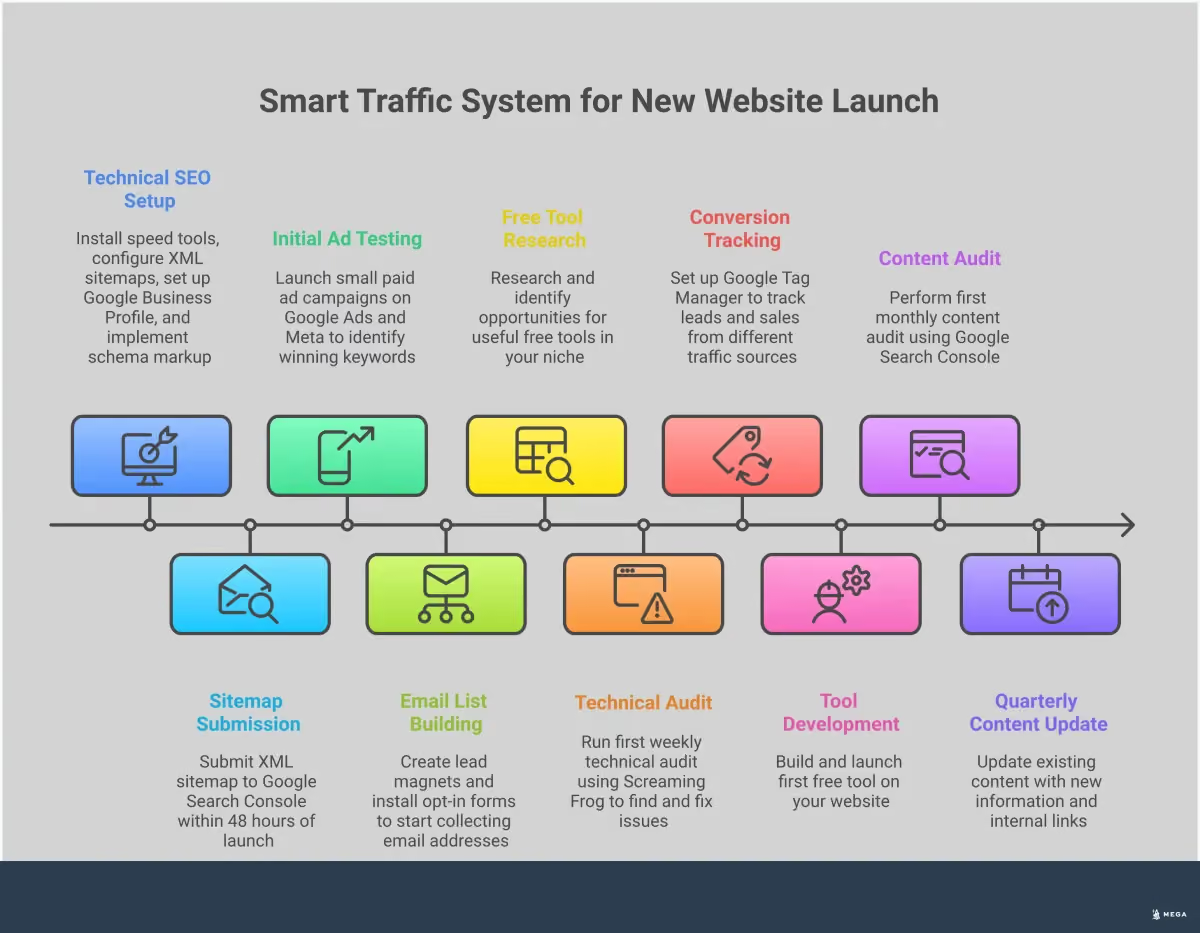
Foundational SEO Tactics for a New Website
Search engine optimization is a long-term strategy, but the work needs to start on day one. For a new website, getting the fundamentals right is the key to building momentum that pays off for months and years to come. Focusing on a solid technical base, local visibility, and a smart content plan will create the structure search engines need to find, understand, and rank your site. These foundational pillars ensure that as your business grows, your online presence grows with it.
Get Your Technical SEO Right from the Start
Think of your website's technical elements as the foundation of a house. Without a solid base, everything you build on top is at risk. Technical SEO ensures your site is easy for search engines to crawl and index. On-page elements like meta tags and a clear site structure are like road signs for both search engines and users, guiding them to the most important information. Ignoring this step means your site might not show up in search results, no matter how great your products are. Tasks like creating sitemaps, fixing broken links, and optimizing page speed are critical. Automating these fixes with an SEO agent can save you time and prevent common errors that hold new sites back.
Optimize Local Listings and Manage Online Reviews
For local businesses, your digital storefront extends beyond your website. It includes online directories like Google Business Profile, Yelp, and others. It's vital to keep business details accurate and consistent across all these platforms. Inconsistent information can confuse search engines and potential customers. Beyond just listing your details, you need to manage your reputation. Actively encourage satisfied customers to leave reviews after they visit. Positive reviews not only build trust with new customers but also send strong signals to search engines that your business is legitimate and valued in the community, which can improve your local search ranking.
Plan Your Content to Drive Website Traffic
Content is how you attract and engage your target audience. A successful strategy isn't about publishing random blog posts; it's about creating high-quality, targeted content that solves problems for your ideal customer. This is what earns links, encourages shares, and helps you climb the search rankings. Your goal is to create something so useful or interesting that people feel compelled to share it and subscribe. As one expert puts it, it’s the interesting things you actually do that make people want to recommend your content. Start by identifying the questions your customers are asking, then create the best, most comprehensive answers on the web.
How to Use Paid Ads for Quick Website Traffic
While SEO builds your website's long-term authority, paid advertising is your fastest path to immediate traffic. It allows you to place your brand directly in front of potential customers who are actively searching for solutions or fit your target demographic. For a new website, this isn't just about making sales; it's about gathering crucial data. Paid campaigns give you instant feedback on your messaging, your offers, and what resonates with your audience.
Think of it as a way to jumpstart the learning process. Instead of waiting months for organic traffic to build, you can start understanding your customers from day one. This initial data can even inform your long-term SEO and content strategy. The key is to be strategic and methodical. Running ads without a clear plan can drain your budget quickly with little to show for it. A focused approach helps you test your assumptions, find what works, and build a repeatable system for attracting visitors. With tools like MEGA AI's Paid Ads agent, you can automate much of this process, from campaign setup to budget optimization, making it accessible even if you don't have a dedicated marketing team.
Run Campaigns on Multiple Ad Platforms
Don't put all your eggs in one basket. Spreading your initial ad spend across a few different platforms helps you discover where your audience is most receptive. While it's tempting to just focus on Google or Meta, your ideal customer might be more active on LinkedIn, TikTok, or Reddit. If you want to target specific keywords that people are searching for, Google Ads is a great place to start. For reaching audiences based on interests and demographics, social media platforms are powerful.
Start by choosing two or three platforms that align with your customer profile. Run small, parallel campaigns to see which channels deliver the most qualified traffic for the lowest cost. This multi-platform strategy reduces your risk and accelerates your learning, helping you find your most profitable channels faster.
Allocate Your Budget and Test Different Campaigns
Your initial ad budget is for learning, not just for sales. Set aside a specific amount you're comfortable spending on tests. The goal is to find a winning combination of audience, creative, and messaging that you can scale later. It’s essential to find the right balance in your budget allocation to maximize the effectiveness of your campaigns.
Create multiple versions of your ads (A/B testing) to see what performs best. Test different headlines, images, and calls to action. Track key metrics like click-through rate (CTR) and cost per click (CPC) to make data-driven decisions. An AI agent can automatically shift your budget to the top-performing ads, ensuring your money is always working as hard as possible to bring traffic to your new site.
Design Ad Creative That Converts
Your ad is often the first interaction someone has with your brand, so make it count. Your ad creative—the images, videos, and copy—needs to be engaging and directly relevant to your target audience. High-quality visuals and clear, compelling copy can dramatically improve your campaign performance. Generic ads get ignored, so tailor your message to address a specific pain point or desire that your audience has.
Test different creative angles to see what captures attention. Does a product-focused image work better than a lifestyle shot? Is a direct, benefit-driven headline more effective than a question? Continuously refining your creative based on performance data is key to lowering your ad costs and increasing the flow of qualified traffic to your website.
How to Build Your Email List from Day One
Driving traffic to your new website is only half the battle. If visitors arrive and leave without a trace, you’ve lost a valuable opportunity. This is why building an email list from the very beginning is so important. Unlike social media followers or search engine rankings, your email list is an asset you completely own. It’s a direct line of communication to people who have already shown interest in what you do.
Think of it this way: SEO and paid ads get people in the door, but email marketing invites them to stay. Once you have a visitor’s email address, you can nurture that relationship over time. You can send them helpful content, share updates about your products or services, and guide them from being a curious visitor to a loyal customer. This approach turns one-time traffic spikes into a sustainable source of repeat visitors and revenue. For a small business, building this owned audience is one of the most reliable paths to long-term growth.
Create Lead Magnets That Convert
A lead magnet is a free, valuable resource you offer visitors in exchange for their email address. The key here is value. People are protective of their inboxes, so you need to offer something genuinely useful that solves a specific problem for them. For example, if you’re a real estate agent, a downloadable checklist for first-time homebuyers is a perfect lead magnet. It attracts the right audience and provides immediate help.
Your lead magnet should directly relate to your business. Offering a generic prize won’t attract qualified leads, but a resource like a free course, a helpful template, or an exclusive discount will. This strategy ensures you’re building a list of people who are actually interested in your products or services, making it easier to engage them with relevant content down the line.
Design Forms That Capture More Emails
Once you have a great lead magnet, you need an effective way to offer it to your site visitors. This is where email capture forms come in. When someone lands on your site, you have a brief window to make a connection before they click away. A well-placed form gives them an easy way to stay in touch. You can place forms in different spots, like a pop-up that appears after a few seconds, a banner at the top of your site, or embedded within a blog post.
Keep your forms simple. Often, all you need is an email address. The more fields you ask someone to fill out, the less likely they are to complete the form. Your call-to-action should be clear and compelling, telling visitors exactly what they’ll get by signing up. Instead of a generic "Subscribe," try something like "Get the Free Checklist." This small change frames the exchange around the value they receive.
Use Community Engagement to Grow Your Email List
When your website is brand new, you can’t wait for people to find you. You have to go where your audience already spends their time. Engaging in online communities is a powerful way to build recognition and drive your first wave of subscribers. Find relevant Facebook groups, subreddits, or LinkedIn groups where your ideal customers ask questions. Your goal isn't to spam your link but to become a trusted resource.
Spend time providing genuinely helpful answers and sharing your expertise. As you build credibility, people will naturally become curious about you and your business. You can then mention a relevant blog post or your free lead magnet where it makes sense. This approach helps you build relationships with potential customers and attracts highly motivated subscribers who already see you as an authority in your field.
More Strategies to Drive Website Traffic
Once you have your foundational SEO, paid ads, and email systems in place, you can start layering on other strategies to expand your reach. These methods are less about direct acquisition and more about building brand authority, fostering community, and creating highly targeted experiences for your visitors. Think of these as amplifiers for the work you’re already doing. They help you build trust with a wider audience and ensure that when people do arrive on your site, they find exactly what they need. This is how you turn initial traffic into a loyal following.
Use Public Relations (PR) to Build Trust
Public relations isn't just for big corporations. For a small business, getting featured in a local news outlet, an industry blog, or a relevant podcast can be incredibly powerful. When a trusted third party talks about your business, it acts as a strong endorsement that builds credibility much faster than you could on your own. This kind of exposure introduces your brand to a new audience and can drive a significant amount of referral traffic. Plus, these features often include a link back to your website, which is a valuable backlink that supports your long-term SEO efforts by signaling to search engines that your site is a credible resource.
Work with Influencers in Your Niche
Collaborating with influencers allows you to connect with an established, engaged audience. The key is to find people who are genuinely respected within your specific niche. You don't need a celebrity endorsement; a micro-influencer with a few thousand dedicated followers can often deliver better results. By having them share your product or service, you borrow their credibility and get your brand in front of people who are likely to be interested in what you offer. This approach helps you look more credible and can attract new, highly qualified customers who trust the recommendation. Start by offering a free product or a unique experience in exchange for an honest review or mention.
Focus on the Right Social Media Platforms
Trying to be active on every social media platform is a recipe for burnout, especially for a small business. Instead, choose one or two channels where your target audience spends the most time. If you sell a visual product, Instagram or Pinterest might be your best bet. If you serve a professional audience, focus your energy on LinkedIn. The goal is to create high-quality content that resonates with that specific platform's audience. And when you share a link, always direct people to a specific, relevant page on your site—like a blog post or product page—not just your homepage. This makes for a much better user experience and helps guide visitors toward a specific action.
Create Dedicated Landing Pages for Campaigns
When you run a specific marketing campaign—whether it's a paid ad, an influencer promotion, or an email blast—don't send that traffic to your homepage. Instead, create a dedicated landing page with a single, focused goal. A landing page removes all the usual distractions of a website, like navigation menus and sidebars, and presents the visitor with one clear call to action. This focus is essential for improving your conversion rates. For example, if your ad promotes a 20% discount, the landing page should be all about that offer and how to claim it. This ensures the message is consistent from ad to page, helping visitors find exactly what they were promised.
Create Free Tools and Resources to Drive Traffic
Content is essential, but offering a free, useful tool can be a game-changer for a new website. Think about it: a helpful calculator, a simple checklist generator, or a data converter provides immediate value to your visitors. This kind of resource is highly shareable and naturally attracts attention from other websites in your industry.
Unlike a blog post, which provides information, a tool solves a specific, recurring problem for your target audience. This makes it a powerful asset for building brand authority and generating a steady stream of relevant traffic. People will return to use your tool, and other sites will link to it as a trusted resource. For a new site trying to establish its presence, creating a valuable free tool is one of the most effective ways to build momentum. It's a long-term investment that continues to deliver results well after its launch, setting a strong foundation for your site's growth and separating you from competitors who only publish articles.
How to Develop a Free Tool
The best free tools are born from data, not guesswork. Start by understanding what problems your audience is trying to solve. You can uncover these ideas with some simple keyword research. Open a keyword tool and search for broad terms related to your niche. Then, filter the results to include words like “calculator,” “checker,” “template,” or “generator.” This process will show you the types of tools people are actively searching for. For example, a real estate agent might find searches for a “mortgage affordability calculator,” while a nutritionist could discover a need for a “calorie intake calculator.” Once you have a data-backed idea, you can develop a simple tool that meets that specific need.
How to Promote and Distribute Your Free Tool
Building a great tool is only half the battle; you also need to make sure people find it. Once your tool is live on your site, your next step is promotion. Start by optimizing the tool’s landing page for search engines, just as you would with a blog post. This includes a clear title, a description of what the tool does, and instructions on how to use it. Then, begin your outreach. Share the tool with relevant online communities, forums, and social media groups where your target audience spends their time. You can also reach out to bloggers and websites in your niche and show them how your tool could provide value to their readers. Consistent promotion is what turns a useful tool into a reliable traffic source.
Use Your Free Tool to Generate Backlinks
One of the biggest advantages of a free tool is its ability to attract backlinks naturally. When you create something genuinely useful, other websites are more likely to link to it as a resource for their own audience. These backlinks are critical for a new website because they act as votes of confidence in the eyes of search engines like Google. A strong backlink profile tells search engines that your site is a credible and authoritative source of information, which helps all of your pages rank higher. This makes free tools a sustainable SEO strategy that pays dividends long after the initial launch, building your site's authority and driving organic traffic over time.
Are You Making These Traffic-Killing Mistakes?
Even with a solid plan, certain missteps can stop your traffic growth before it starts. Getting a new website off the ground is a big accomplishment, but it's easy to overlook small details that have a major impact on your performance. Avoiding these common mistakes will ensure your hard work pays off and helps you build a strong foundation for sustainable, long-term growth. Let's walk through the most critical errors that could be holding your new website back.
Having a Poor Site Structure or Too Many Ads
First impressions matter. A confusing or cluttered website can send visitors running before they see what you offer. If your site has poor architecture, users can't easily find what they're looking for, leading to frustration and a quick exit. A logical structure helps visitors and allows search engines to crawl your pages effectively. Similarly, bombarding visitors with too many ads creates a negative experience by slowing down your page load times and distracting from your core message. This combination often results in a high bounce rate, signaling to search engines that your site isn't providing a good user experience.
Ignoring Content Quality and User Search Intent
Publishing content just for the sake of it won't get you very far. Every article and landing page you create must serve a purpose for your audience. Low-quality content that doesn't solve a problem will struggle to rank. This is directly tied to understanding search intent—the "why" behind a search query. Is the user looking for information or ready to make a purchase? Creating content that directly addresses the user's goal is crucial for attracting the right kind of traffic. When your content aligns with what people are looking for, you build trust and establish your site as a credible resource.
Overlooking Important Technical SEO Fixes
It’s easy to get caught up in creating great content and forget the technical details that help it get found. Simple on-page SEO elements are often the most overlooked. For example, neglecting to write unique meta titles and descriptions for each page is a missed opportunity, as these snippets are what users see in search results. Other technical missteps include keyword stuffing or ignoring issues like broken links and slow page speed. These foundational elements are critical for a smooth user experience. Regularly running a technical SEO audit can help you catch these issues before they hurt your rankings.
How AI Can Help You Get Website Traffic Faster
Getting traffic to a new site requires consistent effort across SEO, content, and paid ads. For small businesses, the biggest challenge isn't knowing what to do, but finding the time to do it all. This is where AI agents change the game. Instead of just providing tools, autonomous agents act like a dedicated marketing team, planning the strategy and executing the tasks needed to grow your traffic. This allows you to focus on your business while the agent handles your growth.
Automate Keyword Research and Content Creation
Keyword research and content creation are the engines of organic growth, but they are incredibly time-intensive. An AI agent can analyze millions of data points to uncover valuable keyword opportunities you might otherwise miss. From there, it can generate high-quality, optimized blog posts and landing pages. MEGA's SEO agent doesn't just create new content. It also improves your existing articles by updating them for better click-through rates and adding new information to keep them relevant, helping you get more value from the content you already have.
Use AI to Handle Technical SEO and Maintenance
A new website needs a solid technical foundation to rank well, but ongoing maintenance can feel overwhelming. An AI agent automates the most tedious parts of technical SEO, like performing site audits, fixing broken links, optimizing images, and improving page speed. By continuously monitoring your site's health, the agent helps you avoid common SEO mistakes that can penalize your rankings. It’s like having a developer on call 24/7, making sure your site is always in top shape for search engines and users.
Automate Ad Campaign Management and Budgeting
If you're using paid ads for a quick traffic injection, managing campaigns across multiple platforms is a full-time job. An AI agent simplifies this entire process by launching and managing campaigns on Google, Meta, and other platforms. The real power comes from its ability to test hundreds of ad variations and automatically allocate your budget to what's working best. This data-driven approach removes the guesswork and ensures your ad spend is always optimized. A platform like MEGA's Paid Ads agent can even generate new ad creative, solving another major bottleneck for small teams.
Adapt to the Rise of AI Search
The search engine results page is changing. With the introduction of AI-powered overviews, users often get answers to their questions without ever needing to click on a website. This shift means you're no longer just competing with other businesses for a top spot; you're fighting for attention against AI-powered search overviews. To adapt, your content needs to go beyond simple answers and provide comprehensive insights that AI summaries can't fully capture. This involves creating in-depth articles, offering unique data, and structuring your content so it's easily understood by both users and AI. An AI agent can help by identifying opportunities to add new, valuable sections to your existing articles, ensuring they remain the definitive resource on a topic and are optimized for these new search formats.
How to Measure and Optimize Your Traffic Growth
Getting visitors to your new site is a great first step, but the real work begins once they arrive. Effective marketing is all about testing, measuring, and making calculated decisions based on how each strategy impacts your website. Without tracking your performance, you’re essentially guessing about what works, which can waste valuable time and money. A data-driven approach ensures you’re focusing your efforts on the channels that deliver the best results.
Start by looking at a few key metrics. First, identify your main traffic sources. Are people finding you through Google search, social media, or paid ads? This tells you which channels are most effective. Next, you need to track conversion rates for each source. A flood of traffic is great, but it doesn't help your business if none of those visitors become customers. Also, keep an eye on engagement metrics like time on page to see if your content truly resonates with your audience.
Once you have this data, you can start optimizing. A great way to do this is by performing regular content audits. Go back to older posts and see if you can update them with new information or add internal links to newer articles. This keeps your content fresh and helps readers discover more of your site. You should also analyze your content to ensure it aligns with user search intent. If a page has a high bounce rate, it might mean the content isn't what visitors expected to find.
This continuous optimization is where AI can be a huge help. For instance, MEGA AI's Maintenance Agent automatically updates existing articles to improve their click-through rate and ranking. It identifies new content to add and re-optimizes posts based on search engine updates, so your site is always performing at its best without you having to manually review every single page.
Where to See Your Website Traffic Data
To make smart decisions about your marketing, you need reliable data. Knowing where your visitors come from and how they interact with your site is the first step toward optimizing your strategy. Luckily, there are powerful tools available that give you a clear view of your own performance and even offer a peek into what’s working for your competitors. Understanding how to use these resources helps you benchmark your progress and uncover new opportunities for growth. Let's look at the primary places you can find this valuable information.
Your Own Website (e.g., Google Analytics)
The most accurate source of truth for your website traffic is your own analytics platform, with Google Analytics being the most common choice. This is your direct line to understanding user behavior. It shows you exactly how many people visit your site, which pages they view, how long they stay, and where they came from. While third-party tools provide estimates, your own analytics data is the real deal. In fact, one study found that tools like Similarweb are quite accurate because their estimates match closely with what sites see in their own Google Analytics, which validates the usefulness of both types of tools.
Competitor Websites (Third-Party Tools)
While you can't access a competitor's Google Analytics, you can use third-party tools like Ahrefs or Similarweb to get a strong estimate of their performance. These platforms are excellent for competitive analysis, allowing you to see how much traffic your rivals are getting from both organic search and paid ads. You can also see how their traffic has changed over time, which can reveal their marketing strategy and seasonality. For a new business, this information is incredibly valuable for identifying what content topics are popular in your niche and which keywords are worth targeting.
How to Identify and Filter Fake Traffic
Not all website traffic is created equal. Some of it comes from bots and spam sources, which can skew your data and make it difficult to understand what’s truly working. This "fake" traffic can inflate your visitor numbers but will show zero engagement, giving you a false sense of success while hiding real problems. Learning to spot and filter out this noise is essential for making accurate, data-driven decisions about your marketing efforts. It ensures you’re optimizing for real human visitors, not automated scripts.
Signs of Fake or Bot Traffic
Fake traffic often leaves behind a few tell-tale signs. One of the most common is an unusually high bounce rate combined with a very short session duration. If many new visitors leave your site almost immediately without clicking on anything, it’s a red flag. Real visitors tend to look around a bit. Other signs include sudden, unexplained spikes in traffic that don't correspond with any marketing campaigns, or a large number of visitors from geographic locations that are completely irrelevant to your business. Keeping an eye out for these anomalies helps you maintain the integrity of your data.
Filtering Out Spam Traffic in Your Analytics
Once you suspect you have bot traffic, you can take steps to clean up your analytics. The easiest first step is to use the built-in features of your analytics tool. In Google Analytics, for example, there's a simple checkbox setting that lets you block all hits from known bots and spiders. This single action can filter out a significant amount of spam traffic. For more persistent issues, you can create custom filters to exclude traffic from specific IP addresses or referral domains that you’ve identified as spam sources. Regularly cleaning your data ensures your reports reflect genuine user engagement.