
A great website is only the first step. Without a steady stream of visitors, even the best products and services go unnoticed. This guide provides a practical roadmap to increase website traffic and attract your ideal audience. We will cover the essentials, from foundational SEO and content marketing to effective social media promotion and paid advertising strategies. You'll learn how to build a solid plan that brings the right people to your digital doorstep and supports sustainable business growth.
Key Takeaways
- Know your audience: Understanding your audience’s needs and preferences is fundamental for creating content that resonates and drives relevant traffic. Analyze user behavior and tailor your strategies accordingly.
- SEO is an ongoing effort: Stay informed about algorithm updates and industry best practices. Regularly review and refine your website’s technical SEO, on-page optimization, and off-page activities.
- Use a mix of traffic-driving tactics: Combine organic strategies like SEO and content marketing with paid advertising and email marketing for a comprehensive approach to traffic generation.
What is Website Traffic?
Website traffic refers to the number of visitors accessing your website. It’s a fundamental metric for any online business, indicating the effectiveness of your marketing strategies and the overall reach of your site. Think of it as the digital equivalent of foot traffic to a brick-and-mortar store—the more people visiting your pages, the greater your potential for sales and brand growth. Understanding website traffic is essential for evaluating the performance of your online presence, as explained in this guide to website KPIs.
Website traffic encompasses various metrics, providing a comprehensive view of user activity. These metrics include unique visitors, indicating how many individual people visit your site, and page views, which track the total number of pages viewed. You’ll also want to understand your traffic sources. Is traffic coming from organic search results, direct links, or referrals from other websites? Knowing where your visitors originate helps you refine your marketing efforts and focus on the most effective channels.
Analyzing user behavior is another crucial aspect of understanding website traffic. It’s not just about the quantity of visitors but also the quality of their engagement. How long do visitors stay on your site? Which pages do they visit? How do they interact with your content? These insights, discussed in this article on website KPIs, help you understand what resonates with your audience and identify areas for improvement. For example, if visitors quickly leave a specific page, it might indicate a problem with the content, design, or user experience.
High-quality traffic comes from visitors genuinely interested in your products or services. These visitors are more likely to engage with your content, subscribe to your email list, and ultimately become paying customers. As this article on website performance points out, high-quality traffic typically results in better engagement and conversion rates. By tracking website traffic and analyzing user behavior, you gain valuable insights into your audience. This knowledge helps you tailor content and marketing strategies to meet their needs and improve overall site performance, as this resource on website KPIs emphasizes. Ultimately, understanding website traffic is about more than just numbers—it’s about understanding your audience and using that knowledge to grow your business.
Why Traffic Matters: A Look at the Numbers
If you find it challenging to bring visitors to your site, you're not alone. Research shows that 61% of marketers struggle to generate enough website traffic and leads. A significant part of this challenge is search engine visibility. With the first page of Google capturing 71% of all search clicks, failing to rank high means you’re missing out on a massive audience. This is why consistent content creation is so effective; companies with blogs receive 97% more links to their sites, which builds authority and improves search performance. Ultimately, the goal isn't just to increase numbers. It's about attracting high-quality traffic—visitors who are genuinely interested in your products or services and are more likely to become loyal customers.
Key Factors Influencing Website Traffic
Getting people to your website involves a mix of different strategies, all working together. Think of it like a puzzle – you need all the pieces to see the full picture. Let’s break down the key elements that drive traffic to your site.
Content Quality and Relevance
High-quality content is the cornerstone of a successful website. It’s what draws visitors in, keeps them engaged, and encourages them to return. Think about what your target audience wants and needs. What questions are they asking? What problems are they trying to solve? Create content that provides real value and answers those questions. Regularly updating your site with fresh, relevant content keeps things interesting for your audience and signals to search engines that your site is active and valuable. This can improve your search rankings and drive more organic traffic.
Search Engine Optimization (SEO)
SEO is how you make your website visible to search engines like Google. It’s a combination of techniques that help your site rank higher in search results. This includes keyword research, understanding what terms people use when searching for products or services like yours. On-page optimization involves making sure your website’s content and structure are easy for search engines to understand. Technical aspects like page speed and mobile responsiveness also play a crucial role. Finally, building high-quality backlinks from other reputable websites can significantly boost your site’s authority and search ranking. Consider focusing on long-tail keywords to attract more targeted traffic, leading to higher conversion rates. Learn more about increasing website traffic with this Shopify article.
User Experience and Website Design
A well-designed website is more than just visually appealing. It needs to be user-friendly and provide a seamless experience for your visitors. Think easy navigation, clear calls to action, and a mobile-responsive design that looks great on any device. Site speed is also critical. A slow-loading website can frustrate visitors and lead to higher bounce rates. Use website analytics tools to understand how users interact with your site. This data can help you identify areas for improvement and optimize your website for better performance. Explore a helpful list of website analytics tools from Databox.
Social Media Presence
Social media is a powerful tool for driving traffic to your website. It’s a way to connect with your audience, share your content, and build a community around your brand. Promote your website content on your social media channels, using relevant hashtags to reach a wider audience. Identify and collaborate with influencers in your niche to expand your reach even further. Make sure your social media posts include clear calls to action, encouraging users to click through to your website. This Mailchimp resource offers practical tips on using social media for increased website traffic.
Master SEO for Organic Traffic Growth
Getting consistent, free traffic from search engines like Google is key for online growth. This is where SEO comes in. A strong SEO strategy can significantly increase your site’s visibility and drive organic traffic. Let’s break down how to approach on-page, technical, and off-page SEO.
On-Page SEO Techniques
On-page SEO is about optimizing elements on your website. Think of it as making your site both user-friendly and search-engine-friendly. Start by understanding what your audience searches for. Keyword research helps you identify the terms people use when looking for information related to your content. Create high-quality content that provides real value and answers their questions. Think informative blog posts, detailed product descriptions, or helpful guides. A well-structured site helps search engines understand your pages and how they relate to each other, so optimize your site structure, meta descriptions, and internal linking.
Strategic Keyword Placement
Once you have your keywords, the next step is to place them strategically within your content. This doesn’t mean stuffing them into every sentence. Instead, you should incorporate them naturally where they make sense. Key areas include your page title, main headings (like H1s and H2s), and within the first 100 words of your article. Also, focus on using long-tail keywords—longer, more specific phrases—which can attract visitors who are further along in their buying journey. For example, instead of "website traffic," a long-tail keyword might be "how to increase website traffic for free." This targeted approach often leads to better engagement and higher conversion rates.
Optimizing Titles and Meta Descriptions
Your page title and meta description are the first things a user sees in Google search results. Think of them as your digital billboard. A compelling title tag should be unique, under 60 characters, and include your primary keyword. The meta description is your chance to write a short, persuasive summary of the page's content. While not a direct ranking factor, a well-written meta description encourages users to click on your link over a competitor's. Improving this click-through rate (CTR) is crucial, as it signals to search engines that your page is a relevant result. Tools like MEGA AI's Maintenance Agent can automatically test and update titles to improve CTR, taking the guesswork out of optimization.
Technical SEO Essentials
Technical SEO focuses on the backend of your website, ensuring it performs well and is easily accessible to search engines. Site speed is a key factor. Slow loading times can frustrate visitors and hurt your search rankings. Make sure your website is responsive and optimized for mobile devices. With most web traffic coming from smartphones, a mobile-friendly site is essential. Follow Google’s SEO guidelines. These include using correct header tags, having a blog, and ensuring your site is mobile-friendly. MEGA AI can automate many of these technical improvements.
Using Google Search Console
Google Search Console is a free tool that offers direct insights from Google about your website's performance. Think of it as a health check for your site. It shows you which search queries bring users to your pages, helping you find new keywords and understand what content resonates with your audience. You can also use it to monitor your site's indexing status, ensuring Google can find and rank your pages. Beyond performance metrics, Search Console is essential for identifying technical problems, such as crawl errors or mobile usability issues, that could be holding your site back. Regularly checking this tool helps you make informed decisions to improve your SEO and drive more organic traffic.
Implementing Schema Markup
Schema markup is a form of microdata that you add to your website's code to help search engines better understand your content. While that might sound technical, its purpose is simple. It provides context, telling Google if a piece of content is a recipe, a product review, or an article. As Shopify explains, this can make your search results look richer and more appealing. When search engines understand your content better, they can display it with rich snippets—like star ratings, prices, or FAQs—directly on the results page. These enhanced listings stand out, which can improve your click-through rate and bring more qualified traffic to your site.
Updating and Refreshing Old Content
Your existing content is a valuable asset that shouldn't be left to gather dust. Regularly updating older blog posts and pages signals to search engines that your content is still relevant and accurate. As one source notes, you can update your articles with new information, current statistics, and fresh visuals to improve your ranking. This process, often called a content refresh, can give a significant lift to pages that have seen their traffic decline. It also ensures visitors are getting the most up-to-date information, which builds trust and authority. This can be a time-intensive process, but it’s crucial for maintaining a strong organic presence.
For small businesses and marketing agencies, manually identifying which articles to update and what to add can be a major challenge. This is where automation can make a difference. Platforms like MEGA AI offer a Maintenance Agent that streamlines the content refresh process. It analyzes your existing content to find opportunities for improvement, such as optimizing titles to improve click-through rates. The tool can also identify and automatically write net new sections to add to your articles, ensuring they remain comprehensive and competitive. This approach helps you maintain the value of your content library with less manual effort, keeping your SEO strategy effective over the long term.
Off-Page SEO Strategies
Off-page SEO involves activities outside your website that influence your search rankings. Backlinks are essential. Earning backlinks from reputable websites shows search engines that your content is valuable. Think guest posting on relevant blogs or getting mentioned in industry publications. Promoting your content on social media platforms drives traffic and increases visibility. Sharing your blog posts or product updates on social media can reach a wider audience and bring new visitors to your site. Building an email list is a powerful way to engage with your audience and drive repeat traffic. Sending newsletters or promotional emails keeps your audience informed and encourages return visits.
Special Considerations for New Websites
Launching a new website is an exciting step, but it comes with its own set of challenges. Unlike established sites with a history of content and backlinks, a new site starts from scratch. Traffic won’t appear overnight. It’s important to set realistic expectations and focus on building a solid foundation for long-term growth. Two key areas require special attention in the early days: understanding how search engines treat new domains and creating a strong base of initial content. Getting these right from the start will pave the way for sustainable traffic down the road.
Navigating the "Google Sandbox"
If you've just launched a new website, you might notice that traffic is slow to start. This is completely normal. Many SEO professionals refer to this initial period as the "Google Sandbox," a time when new sites may not rank well for several months. During this phase, which can last up to six months, Google is essentially getting to know your site. It's a waiting game, so focus on building a strong foundation rather than worrying about low initial numbers. The timeline can vary; a site in a non-competitive niche might see traffic in one to two months, while a highly competitive one could take much longer. The key is to be patient and consistent with your efforts.
Building a Foundational Content Base
While you're waiting for search engines to take notice, your primary focus should be on creating a solid base of high-quality content. This is the bedrock of your website; it's what will attract visitors and keep them coming back by genuinely helping them and answering their questions. For startups and small businesses, generating this volume of quality content can be a major hurdle. This is where a strategic approach is crucial. Tools like MEGA AI can help by automating keyword research and content generation, allowing you to build out that foundational content base much more quickly. This ensures you're consistently publishing relevant material that will eventually drive organic traffic and establish your site's authority.
Attract Visitors with Content Marketing
Content marketing is a powerful way to attract potential customers to your website. By creating valuable, engaging content, you can establish your brand as a trusted resource, improve search engine rankings, and drive targeted traffic. Let’s explore some effective content marketing strategies:
Create Valuable and Engaging Content
First, focus on understanding your target audience. What are their pain points? What information are they searching for? Once you have a clear picture of your audience, you can start creating content that resonates with them. This means high-quality, informative content that satisfies their needs and provides real value. Think blog posts, articles, infographics, and videos that offer solutions, answer questions, or entertain. Regularly creating and promoting fresh content keeps your website engaging and relevant, encouraging visitors to return. For more ideas, check out these tips on increasing website traffic.
Focusing on Evergreen Topics
Some topics never go out of style. This is the core idea behind evergreen content. Instead of chasing trending news that has a short lifespan, focus on creating content that will remain relevant and useful for years. Think foundational guides, detailed tutorials, and answers to common industry questions. This type of content acts as a long-term asset, continuously drawing in new visitors from search engines long after it’s published. By building a library of evergreen posts, you create a stable source of organic traffic that requires minimal upkeep. Tools like MEGA AI’s Maintenance Agent can help keep this content fresh by identifying new information to add, ensuring it maintains its high rank and relevance over time.
Writing Powerful Headlines
Your headline is often the only thing a potential visitor sees in search results or on social media. It’s your one shot to convince them to click. A compelling headline can make a massive difference; some data suggests it can lead to 500% more visitors. To write effective headlines, be specific, use numbers or data, and address the reader's problem or question directly. A great headline promises value and creates curiosity. For small businesses and marketers looking to get an edge, testing different headlines is crucial. AI-powered platforms can help by generating variations or, like MEGA AI, automatically work to improve the click-through rate of your existing content by optimizing elements like titles.
Using the Skyscraper Technique
The skyscraper technique is a method for creating content that is substantially better than the highest-ranking result for a given keyword. The process is straightforward: first, identify a popular piece of content in your niche that is already ranking well. Next, analyze it to find its weaknesses. Perhaps it’s outdated, not comprehensive enough, or poorly designed. Finally, you create a superior version that addresses these shortcomings. This could mean making it longer, more up-to-date, including better visuals, or adding more expert insights. This approach to creating "skyscraper content" positions your article as the definitive resource on the topic, making it highly attractive for backlinks and organic traffic.
Incorporating High-Quality Visuals
Content isn't just about words. High-quality visuals like images, infographics, and videos make your articles more engaging and easier to digest. They break up long blocks of text and can help illustrate complex points, improving the overall user experience. Beyond engagement, visuals offer their own SEO benefits. Original images and videos can appear in Google’s image and video search results, creating another channel for traffic. Furthermore, creating compelling visuals increases the likelihood that other sites will use them in their own content, often with a link back to your site as credit. This is a simple yet effective way to build valuable backlinks and authority.
Content Distribution Strategies
Creating great content is only half the battle; you also need to get it in front of the right people. Promote your content across various channels to maximize its reach. Share your blog posts on social media platforms like Twitter, LinkedIn, and Facebook to connect with a wider audience and drive traffic back to your website. Email marketing is another effective way to distribute content. Use newsletters and promotional emails to share your latest articles, videos, or infographics with your subscribers and direct them to specific pages on your website. Learn more about using email marketing to grow website traffic.
Leverage Different Content Formats
Don’t limit yourself to just one type of content. Experiment with different formats to cater to different preferences and learning styles. Well-written, search-optimized blog posts are a cornerstone of content marketing. Focus on creating blog posts that answer common questions and provide solutions to problems your target audience faces. Podcasts are another excellent way to build a loyal audience. Create engaging audio content that provides valuable insights and include links back to your website in the show notes. Videos are also highly effective for attracting viewers and driving traffic. Consider creating educational videos, storytelling videos, or entertaining videos to capture your audience’s attention.
Creating a Resource Center
A resource center is a dedicated part of your website where you offer free, high-value content like guides, templates, or webinars. The goal is to establish your brand as a trusted authority in your field. When you consistently provide answers and solutions to your audience's problems, you build trust and encourage repeat visits. This strategy turns your website into a go-to destination for reliable information. A well-developed resource center not only attracts organic traffic but also generates valuable backlinks from other sites that find your content useful. Building out this library of content can feel like a major project, but tools that assist with content creation can make it much more manageable, helping you populate your hub with quality articles and guides efficiently.
Generate Traffic with Social Media
Social media is a powerful tool for connecting with your audience and driving traffic to your website. Think of each platform as a potential doorway to your online store or blog. By understanding how to use social media effectively, you can turn casual scrollers into engaged visitors and loyal customers. MEGA AI can help you optimize your social media strategy with automated content generation and scheduling tools, freeing up your time to focus on building relationships and engaging with your community. Learn more about MEGA AI’s social media features.
Choose the Right Social Platforms
Not all social media platforms are created equal. Where you spend your time depends heavily on where your target audience spends their time. If you’re selling handmade jewelry, visual platforms like Instagram and Pinterest might be your best bet. If you’re a B2B SaaS company, LinkedIn might be more effective. Do some research to figure out which platforms align with your business goals and where your ideal customers are most active. Mailchimp offers some great advice on identifying the right platforms for your business. Consider factors like demographics, user behavior, and the type of content that performs well on each platform.
Publishing Natively on Platforms like LinkedIn
Publishing natively means creating and sharing content directly on a social media platform, rather than just posting a link to your website. Platforms like LinkedIn often favor this type of content, giving it more visibility in users' feeds. Sharing articles or detailed posts directly on LinkedIn is an excellent way to reach a professional audience and build your reputation as an industry expert. When you provide value directly within the platform, you engage users in their own environment, which helps establish your brand as a trusted resource. This strategy is particularly effective for B2B companies and marketers looking to build authority. You can even repurpose your long-form blog posts into native articles, re-optimizing the content to fit the platform’s format and audience.
Craft Shareable Content
Once you’ve chosen your platforms, focus on creating content that people actually want to share. Think about what problems your audience faces and how your content can provide solutions. Engaging, helpful content, whether it’s a blog post, a quick video, or a stunning infographic, builds authority and encourages repeat visits. Shopify’s guide on driving website traffic emphasizes the importance of creating shareable content. Remember, the more shareable your content, the wider your reach and the more potential traffic you can generate. MEGA AI can help you create high-quality, shareable content quickly and easily, from generating blog post ideas to crafting compelling social media captions. See MEGA AI’s content generation tools.
Targeting Industry Amplifiers
Beyond creating shareable content, you need a plan to get it in front of people who can give it a significant signal increase. Industry amplifiers—influencers, well-known bloggers, and respected experts in your niche—have already built the audience you want to reach. The key is to build genuine relationships with them. Start by engaging with their content, sharing their articles, and offering thoughtful comments. When you create something truly valuable that aligns with their audience's interests, they'll be more likely to share it. To effectively collaborate with influencers, focus on providing mutual value rather than just asking for a favor. This approach turns a cold outreach into a warm introduction, making them more receptive to amplifying your message and driving their engaged followers back to your site.
Build and Engage Your Social Community
Social media isn’t a one-way street. It’s about building relationships and fostering a sense of community. Actively participate in relevant conversations, answer questions, and engage with comments. Use relevant hashtags to increase your visibility and connect with new audiences. Interact with other users and build genuine connections. By building a strong social media presence, you can establish trust, increase brand awareness, and drive more traffic to your website. MEGA AI can help you manage your social media presence by scheduling posts, tracking engagement, and identifying trending topics. Explore MEGA AI’s social media management tools.
Running Promotions and Giveaways
Contests and giveaways are a fantastic way to generate excitement and drive a surge of visitors to your website. The key is to structure the promotion so that visiting your site is part of the entry process. For example, you could ask participants to find a specific piece of information on a product page or sign up for your newsletter to enter. This not only sends direct traffic but also introduces potential customers to your offerings. As Shopify suggests, you can run contests to get more followers and increase engagement, which creates a ripple effect, bringing even more eyes to your brand and, ultimately, your website.
Sharing User-Generated Content (UGC)
Your happiest customers can be your most effective marketers. Sharing user-generated content, like photos or reviews from people who love your products, builds a powerful layer of social proof and trust. When potential customers see real people enjoying what you offer, it feels more authentic than traditional advertising. Encourage this by creating a unique hashtag and featuring the best customer posts on your social channels and website. This not only provides you with a steady stream of content but also motivates others to share their own experiences, creating a community that actively helps drive traffic and engagement.
Adding Social Share Buttons
Don’t make your readers do extra work to share your content. By adding social share buttons directly to your blog posts and product pages, you make it incredibly easy for them to spread the word with a single click. This simple feature can turn your audience into an extension of your marketing team, amplifying your reach across their personal networks. Every share is a new pathway back to your website, bringing in valuable referral traffic from a trusted source. As this WordStream article points out, making content easy to share is a fundamental step in getting more visitors.
Developing Your Social Media Strategy
A successful social media presence doesn’t happen by accident; it requires a thoughtful strategy. Instead of posting sporadically, create a plan that aligns with your business goals. This means promoting your website content consistently across your chosen social channels and using relevant hashtags to reach a wider, more targeted audience. Your strategy should also define how you’ll engage with your community and measure your results. For businesses looking to scale their efforts, using a platform to manage and optimize paid social campaigns can streamline the process, ensuring your content reaches the right people at the right time and drives meaningful traffic back to your site.
Analyzing Competitor Content
You don’t have to reinvent the wheel. A great way to inform your content strategy is to see what’s already working for your competitors. Use tools to analyze which of their posts are getting the most engagement, shares, and comments. This isn’t about copying their ideas, but rather understanding what topics and formats resonate with your shared target audience. This research helps you create content that is more likely to perform well, saving you time and effort while helping you capture a piece of the conversation in your industry.
Posting at Optimal Times
The best content in the world won’t drive traffic if no one sees it. Posting when your audience is most active is crucial for maximizing visibility and engagement. Dive into the analytics provided by each social media platform to identify your unique peak hours. These insights will show you the days and times your followers are most likely to be scrolling, liking, and clicking. Scheduling your posts for these optimal windows ensures your content lands at the top of their feeds, increasing the chances that they will visit your website.
Accelerate Traffic Growth with Paid Advertising and Email Marketing
While organic strategies are essential for long-term growth, paid advertising and email marketing offer powerful tools to accelerate your traffic acquisition and see faster results. Let’s explore how these methods can work for you.
Pay-Per-Click (PPC) Advertising
PPC advertising, like Google Ads, allows you to target specific audiences actively searching for products or services like yours. By bidding on relevant keywords, your ads appear prominently in search results, driving highly qualified traffic directly to your website. This targeted approach ensures you’re reaching potential customers already interested in what you offer. Consider working with a consultant to develop a paid media strategy that aligns with your business goals. MEGA AI can also streamline your PPC campaigns by automating keyword research and optimizing your ad copy for maximum impact.
Social Media Advertising
Social media platforms offer robust advertising options, allowing you to reach a large audience through various ad formats, including photos, videos, and carousels. Platforms like Facebook and Instagram enable precise targeting based on user interests, demographics, and behaviors. Leverage tools like Facebook dynamic ads and the Meta pixel to refine your targeting and connect with the most relevant audience segments. Social media advertising helps you personalize your message, increasing engagement and driving traffic to your website. MEGA AI can further enhance your social media campaigns by automatically creating hundreds of ad variations and optimizing your budget allocation across different platforms. Learn more about our Paid Ads features.
Email Marketing Strategies
Email marketing remains a highly effective strategy for driving traffic and nurturing customer relationships. Use email newsletters and promotional emails to share valuable content and direct subscribers to specific pages on your website. Segment your audience to deliver targeted messages that resonate with their individual needs and interests. By providing personalized content and relevant offers, you can build stronger connections with your subscribers and encourage them to visit your website. Email marketing boasts a high return on investment, making it a valuable tool for driving traffic and generating revenue.
Capture Your Mobile Audience
More people browse the web on their phones than on desktop computers. If your website isn’t optimized for mobile, you’re missing out on valuable traffic. Prioritizing the mobile experience is key to attracting and retaining today’s online audience.
Mobile-First Design Principles
With mobile devices accounting for over half of all web traffic, it’s essential to adopt a mobile-first design approach. This means designing your website primarily for mobile users, then scaling up for larger screens. Think about how content and navigation appears on a smaller screen. Is it easy to read and find information?
A responsive design ensures your website adapts seamlessly to different screen sizes, providing an optimal user experience regardless of the device. Consider using a responsive theme or template for your website. This will automatically adjust the layout and content to fit various screen sizes.
Improve Mobile Page Speed
Page speed is critical for mobile users. Slow-loading pages can lead to high bounce rates and lost traffic. Aim for a loading time of under three seconds to keep users engaged.
Google’s PageSpeed Insights is a helpful tool to analyze your mobile page speed and identify areas for improvement. Optimizing images, minimizing HTTP requests, and leveraging browser caching are a few ways to improve your site’s speed. You can also use tools like GTmetrix to get detailed insights into your website’s speed.
Drive Local and In-Person Traffic
If your business has a physical footprint, your website traffic strategy shouldn't be confined to the digital world. Connecting with customers in your local area is a powerful way to build a loyal following and drive highly relevant traffic to your site. By merging your online and offline marketing, you create a seamless experience for customers, making it easy for them to find you. Let’s look at a few practical ways to turn local presence into online visitors.
Optimize for Local Search
When you have a physical store, you need to make sure people nearby can find you online. This is where local SEO comes in. Start by creating and optimizing your Google Business Profile, a free tool that acts like a digital storefront on Google Search and Maps. Keep your business name, address, and phone number (NAP) consistent across all online directories. Also, think about the specific terms people in your area might use, like "artisan bakery in downtown Austin," and incorporate these local keywords into your website. This helps you appear in those crucial "near me" searches.
Bridge the Physical and Digital Worlds with QR Codes
QR codes are a simple way to connect your physical marketing materials directly to your online assets. Create a QR code that links to your homepage, a specific product page, or a special offer. Place these scannable codes on your business cards, product packaging, in-store signage, or flyers. This makes it incredibly easy for someone interacting with your brand to visit your website with a quick scan of their phone. It removes the friction of having to remember your URL, capturing their interest in the moment.
Engage with Your Local Community
Getting involved in your local community builds brand recognition and fosters connections that translate into website traffic. Consider setting up a booth at a local market, sponsoring a community event, or participating in a neighborhood trade show. When you’re there, offer samples or run a small contest. Make sure your handouts include a QR code or a simple URL to a specific landing page on your site. The goal is to make a memorable impression and give people a clear next step to find you online after the event ends.
Analyze and Improve Your Traffic
Once you’ve implemented strategies to drive traffic, the next step is to analyze your results and refine your approach. This involves using analytics tools, tracking key performance indicators (KPIs), and using data to make informed decisions.
Essential Analytics Tools
Understanding where your traffic comes from and how users interact with your website is crucial. Google Analytics is a powerful platform that provides deep insights into user behavior, traffic sources, and conversion rates. Use it to identify your most effective traffic sources, understand user demographics, and track conversions. Tools like Semrush and Similarweb offer competitive analysis, keyword research, and website traffic data, allowing you to benchmark your performance against competitors. For understanding user behavior on your site, Hotjar offers visualizations of how users interact with your pages.
Key Performance Indicators (KPIs) to Track
Identifying the right KPIs is essential for measuring the effectiveness of your traffic-driving strategies. Some of the most important metrics include:
- Website traffic: The total number of visitors to your site.
- Traffic sources: Where your visitors are coming from (e.g., organic search, social media, referrals).
- Bounce rate: The percentage of visitors who leave your site after viewing only one page.
- Conversion rate: The percentage of visitors who complete a desired action (e.g., making a purchase, signing up for a newsletter).
- Average session duration: The average amount of time visitors spend on your site.
Google Analytics 4 is a great tool for tracking these KPIs and understanding how users find your website and how successful your marketing campaigns are. By monitoring these metrics, you can identify areas for improvement and optimize your strategies. Tracking website KPIs allows you to make changes to improve your site and give your audience a better user experience.
Use Data to Refine Your Strategy
Analyzing your website traffic data isn’t just about collecting numbers; it’s about using those numbers to make better decisions. For example, a high bounce rate on certain pages might indicate that the content isn’t relevant to the users who are landing there, or that the page design needs improvement. By analyzing user behavior, you can learn how users interact with specific pages. Similarly, understanding your top traffic sources can help you focus your efforts on the channels that are driving the most valuable traffic. Use your data to continually refine your content, SEO strategy, and user experience to maximize your traffic and achieve your business goals. These metrics provide valuable insights into website performance, allowing you to optimize your site.
Build Sustainable Traffic Growth
Building sustainable website traffic is a marathon, not a sprint. It takes time, strategy, and consistent effort. Here’s how to create a long-term plan for ongoing traffic growth:
Build Authority in Your Niche
Think of your website as a resource hub. Creating high-quality, valuable content is fundamental. A business blog is non-negotiable, offering significant opportunities to attract more visitors and establish your expertise. Statistics show companies that blog receive 97% more inbound links and 55% more website visitors. Consistently publishing informative and insightful content helps you become a go-to resource in your industry, attracting organic traffic and building trust with your audience. MEGA AI’s content generation features can help you create high-quality, SEO-optimized content efficiently, saving you time and resources.
Networking and Collaborations
Growing your network is just as important as growing your content. Partnering with industry influencers helps you reach a wider audience and build credibility. Collaborations can enhance your visibility and establish your authority within your niche. Guest blogging, participating in online communities, and co-hosting webinars are all effective ways to expand your reach and drive traffic back to your site. Learn more about how to grow your network.
Featuring Guest Posts and Expert Interviews
Another way to build authority and attract new audiences is to feature other experts on your own site. When you invite guest writers to contribute to your blog, you gain fresh perspectives and high-quality content. More importantly, those writers will likely share their published work with their own followers, directing a new stream of relevant traffic to your website. Similarly, you can interview industry leaders and publish the conversation. This not only provides immense value to your readers but also encourages the expert to share the feature with their network. It’s a collaborative approach that benefits everyone involved and expands your reach into established communities.
Getting Featured in Industry Newsletters
Industry newsletters offer a direct channel to a highly engaged and relevant audience. Instead of waiting for people to find you, you can go where they already are. Identify popular newsletters in your niche and see if they accept guest content or feature articles from other sources. A single feature in a well-read newsletter can send a significant amount of referral traffic your way. This strategy also helps with off-page SEO. When you get other reputable websites to link back to your content, it acts as a valuable backlink. This signals to search engines that your content is trustworthy, which can improve your site's overall standing in search results.
Adapt to Algorithm Changes and Industry Trends
The digital landscape is constantly evolving. Regularly analyzing data from analytics tools is crucial for optimizing your strategies. Keeping up with the latest SEO trends and best practices ensures your website remains optimized and can adapt to algorithm changes. Consider using paid advertising, like Google Ads, to drive traffic in the short term while you work on organic growth. This can provide immediate results as you build your long-term strategy. MEGA AI’s automated SEO updates help you stay ahead of the curve, automatically adjusting your content to maintain optimal performance even when algorithms shift. This ensures your traffic remains consistent and continues to grow over time. See MEGA AI’s pricing to learn more.
Explore Other Traffic Channels
While SEO and social media are foundational, diversifying your traffic sources can make your website more resilient and open up new avenues for growth. Looking beyond the usual channels can connect you with different segments of your audience in unique ways. Strategies like hosting webinars, creating free tools, and leveraging content aggregators can add powerful, new streams of visitors to your site. These methods often work by providing direct value, which in turn builds brand loyalty and encourages sharing.
Hosting Webinars
Webinars are live online events where you can teach your audience about a topic related to your industry. They are an excellent way to generate leads and drive traffic. To get people to attend, you need to promote the event through email, social media, and other channels, all of which directs potential attendees to a registration landing page on your website. This not only brings immediate traffic but also builds your email list for future marketing. By providing valuable information in an interactive format, you establish authority and build a direct relationship with your audience. You can find a helpful guide to hosting webinars to get started.
Creating Free Online Tools
Developing a simple, free tool that solves a specific problem for your audience can be a magnet for sustained traffic. Think of things like a mortgage calculator for a real estate site, a headline analyzer for a marketing blog, or a color palette generator for a design firm. These tools attract visitors who are actively searching for a solution. If the tool is useful, people will return to use it again and share it with others, creating a steady flow of referral and direct traffic. This strategy also naturally attracts backlinks from other sites, which is great for your overall SEO authority. Creating these kinds of marketing assets can provide lasting value long after you’ve built them.
Submitting Content to Aggregator Sites
Content aggregator sites collect and display articles and blog posts from various sources around a particular niche. Submitting your content to these platforms can expose your work to a large, relevant audience that you might not otherwise reach. Sites like Zest for marketing content or specific industry news aggregators can be powerful sources of referral traffic. When your content is featured, it includes a link back to the original article on your website. This not only drives new readers to your site but also helps build your brand’s visibility within your industry. It’s a straightforward way to syndicate your content and get it in front of fresh eyes.
Your Action Plan for Increasing Website Traffic
Driving more traffic to your website doesn’t happen overnight. It takes a combined approach, blending smart SEO practices, engaging content, and a bit of marketing savvy. Here’s a practical action plan to guide your efforts:
-
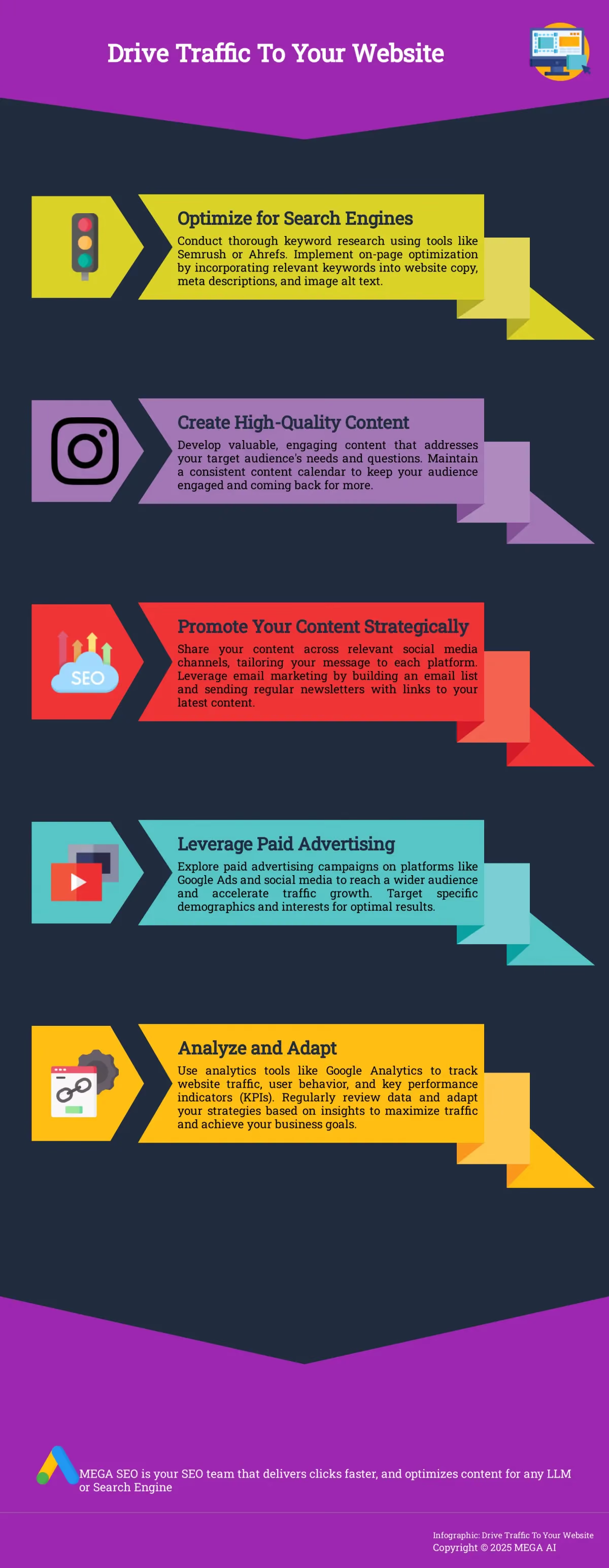
Start with a Solid SEO Foundation: Keyword research is your compass. Use tools like Semrush or Ahrefs to uncover the terms your target audience uses. Then, weave these keywords naturally into your website copy, meta descriptions, and image alt text. A well-organized site structure, complete with clear navigation and internal links, makes it easier for both search engines and users to find what they need. Don’t forget the technical side of SEO—a fast-loading, mobile-friendly website is crucial. Tools like Google’s PageSpeed Insights can help you pinpoint improvements. Learn more about improving your site speed. MEGA AI’s automated SEO features can handle keyword research, content optimization, and technical SEO improvements, streamlining this process for you. Learn more about MEGA AI’s SEO services.
-
Build Your Backlink Profile: Think of backlinks as votes of confidence. Earning high-quality backlinks from reputable sources signals to search engines that your content is valuable. Guest posting on relevant blogs and connecting with industry influencers can help you secure these links. Explore different link-building strategies. MEGA AI can also assist with internal and external linking strategies, further strengthening your backlink profile.
-
Create Content that Resonates: Content is king, but quality reigns supreme. Develop valuable, engaging content—blog posts, articles, videos, infographics—that addresses your audience’s questions. Think about what information they’re seeking and provide it clearly. Consistency is key; a regular content calendar keeps your audience engaged. Get tips on creating high-quality content. MEGA AI’s content generation tools can help you create high-quality, SEO-friendly content quickly and easily. The platform also offers automated content updates to improve click-through rates and search ranking.
-
Promote Your Content Strategically: Creating great content is only half the battle. Share your content across your social media channels, tailoring your message to each platform. Email marketing is another powerful tool; build an email list and send regular newsletters with links to your latest content. Consider paid advertising campaigns on platforms like Google Ads and social media to reach a wider audience. MEGA AI’s paid ads features can help you manage and optimize your campaigns across multiple platforms, including content remixing and automated budget allocation. Explore MEGA AI’s paid ads services.
-
Analyze, Adapt, and Improve: Use analytics tools like Google Analytics to track your website traffic and understand user behavior. Monitor key metrics like bounce rate, time on page, and conversion rates to see what’s working. Regularly review your data and adjust your strategies. Dive deeper into website analytics. MEGA AI integrates with popular analytics platforms, providing you with the data you need to make informed decisions.
Tools like MEGA AI can streamline these processes—and if you’re early-stage, our SEO automation for startups can help you implement enterprise-level strategies on a startup budget.
Choosing the Right Strategies for Your Business
Not every strategy will be the right fit for your business. The best approach is a tailored one, built around your specific goals, budget, and most importantly, your audience. Before you invest time and money, it’s essential to understand your audience’s needs and online habits. A balanced plan often yields the best results by combining long-term organic strategies with quicker, paid methods. For instance, SEO and content marketing are foundational for sustainable growth, building your site’s authority over time. While that foundation is setting, paid advertising on search engines or social media can provide an immediate stream of visitors. This dual approach ensures you’re not waiting months to see results while still investing in the long-term health of your website. Platforms that manage both SEO and paid campaigns can simplify the process of running a blended strategy.