
If your main social media platform vanished tomorrow, would your business survive? For many, the answer is a hard no. Relying on algorithms means your customer connection is always fragile—you're essentially building on rented land. This is where a brand community becomes your insurance policy. It’s an owned asset, a direct line to your audience that no third party can control. This creates a stable foundation for growth, protecting your business from unpredictable platform changes and building loyalty that ad spend simply can't buy.
Key Takeaways
- Build an asset you control, not just an audience you rent: Relying on algorithms makes your business vulnerable to platform changes. A community is a stable asset that gives you a direct line to your customers, independent of shifting organic reach or rising ad costs.
- Facilitate connections between members, not just with your brand: A following passively consumes your content, but a community is built on member-to-member interaction. Your goal is to create a space where people help each other, turning it into a valuable, self-sustaining resource.
- Use community to drive sustainable, low-cost growth: A strong community improves customer retention and turns your most loyal members into brand advocates. This creates a powerful word-of-mouth engine that is more authentic and cost-effective than paid advertising.
What is a Brand Community?
A brand community is much more than just a group of customers or a social media following. Think of it less as an audience you speak to and more as a network where members connect with each other. According to Sprout Social, a brand community is a "specialized, non-geographically bound group of consumers who share a deep, emotional connection to a specific brand, its products, and its values." The key here is the connection between members. They aren't just there to hear from you; they're there to interact with people who share their interests and passion for your brand.
This is a fundamental shift from traditional marketing. Instead of a one-to-many broadcast, you're facilitating a many-to-many conversation. For small and local businesses, this is incredibly powerful. While tools can help you improve your online visibility and attract new customers, a community is what makes them stay. It turns transactional relationships into emotional ones, fostering a level of loyalty that can't be bought with ad spend. Members become advocates, offering support to one another and creating a self-sustaining ecosystem around your brand.
The Three Pillars of a Brand Community
A truly strong brand community doesn't just appear out of thin air. It’s built on a foundation of three core principles that create a deep sense of belonging and shared purpose. According to research published in the Harvard Business Review, these pillars are shared consciousness, rituals and traditions, and a sense of moral responsibility. Understanding these elements is the first step to intentionally cultivating a space where your customers feel like they are part of something special, transforming them from passive buyers into active participants in your brand's story.
Shared Consciousness
Shared consciousness is the collective sense of identity that binds community members together. It’s the feeling of "we-ness," a clear distinction between those who are part of the community and those who are not. This isn't about being exclusive in a negative way; it's about creating a strong sense of belonging. Members feel a kinship with one another because they share a common interest and understanding related to the brand. This shared identity is the glue that holds the community together, making members feel understood and connected on a level that goes beyond a simple customer transaction.
Rituals and Traditions
Rituals and traditions are the repeated behaviors and shared practices that reinforce the community's values and ties. These don't have to be elaborate. They can be as simple as a weekly "ask me anything" session in a forum, an annual user conference, or even a specific way members greet each other online. For example, Harley-Davidson rallies are a classic tradition that strengthens the bond between riders. These common practices create a shared history and a predictable rhythm for the community, making the group's culture tangible and giving members something to look forward to and participate in together.
Moral Responsibility
Moral responsibility is the unspoken duty members feel to support the community, its members, and the brand itself. This is what motivates a long-time user to spend their free time answering a newcomer's question in a support forum or to defend the brand against criticism online. It’s a shared commitment to the group's well-being and longevity. This sense of duty is a powerful indicator of a healthy community, as it shows that members are invested not just in what they can get from the brand, but in what they can contribute to the collective.
A Quick Look Back: The Origins of the Term
The concept of a brand community isn't just a recent marketing trend. The term was first introduced in 1995, and later defined in 2001 by researchers Albert Muniz Jr. and Thomas C. O'Guinn. They described a brand community as a "specialized, non-geographically bound community, based on a structured set of social relations among admirers of a brand." Their work laid the groundwork for understanding that the relationships customers form with each other around a brand are just as important as the relationship they have with the brand itself. This established the idea that brands could play a central role in building genuine social connections.
How It Differs from Consumer Tribes and Subcultures
It's helpful to distinguish brand communities from similar concepts like consumer tribes and subcultures. A "consumer tribe" is generally more temporary and lacks a formal structure or clear leadership. Think of the crowd that gathers for a one-time pop-up shop; they share a short-term experience but may not form lasting bonds. On the other end of the spectrum, a "subculture of consumption" is a more permanent social group with deep personal connections, rituals, and beliefs that can heavily influence a person's identity. A brand community fits neatly between these two, offering more structure than a tribe but remaining centered on the brand rather than an entire lifestyle.
Why a Brand Community Beats the Algorithm
If you feel like you're in a constant race against changing algorithms, you're not alone. For years, the standard advice for small businesses has been to chase visibility on platforms like Google and Meta. While getting discovered is crucial, relying solely on algorithms puts your business on unstable ground. You're essentially borrowing attention from platforms that can change the rules overnight, leaving you scrambling to keep up.
Focusing on community shifts your strategy from renting an audience to owning a network. A brand community is more than just a list of followers; it's a group of customers connected by shared values and passions. Instead of one-way communication from your brand to your audience, a community fosters member-to-member connections, peer support, and genuine conversations. This creates a powerful sense of belonging that turns one-time buyers into loyal advocates.
This approach is a long-term investment in sustainable growth. While your competitors are spending more on ads to fight shrinking organic reach, you're building an asset that compounds over time. A strong community isn't affected by algorithm updates because the relationships exist independent of any single platform. It’s a durable competitive advantage that can’t be easily replicated, creating loyalty that ad spend simply can't buy.
Why Chasing the Algorithm Is a Losing Game
Relying on search engines and social media feels like a necessary part of running a business. You create content, run ads, and watch your analytics, hoping the algorithms will favor you. But this constant chase can feel like running on a treadmill. You’re putting in the work, but the finish line keeps moving. This is the algorithm trap—a cycle of dependency on platforms you don’t control, where your connection to your audience is always mediated by a third party whose priorities can change without notice.
While optimizing for these platforms is crucial, building a business solely on their terms is a risky strategy. The rules are always changing, your reach is never guaranteed, and the cost of entry keeps rising. A strong brand community, however, offers a more stable path to growth. It’s an asset you own, filled with people who are invested in your success for reasons that go beyond a single click or transaction. It complements your marketing efforts by creating a loyal base that isn't affected by the latest platform update, giving you a direct line of communication and a source of invaluable feedback. This approach shifts your focus from chasing fleeting attention to building lasting relationships.
Keeping Up with Algorithm Changes Is Impossible
One day your content is getting great reach, and the next, it’s radio silence. Sound familiar? Platforms like Google and Meta constantly update their algorithms, and they rarely share the details. One change can cut your visibility in half overnight, leaving you scrambling to figure out what went wrong. Trying to keep up is exhausting and takes your focus away from what you do best—running your business.
This unpredictability is by design. The platforms are built to serve their own goals, not yours. Instead of reacting to every minor shift, you can build a direct line to your audience through a community. While an AI-powered SEO agent can help you adapt to technical changes automatically, a community gives you a stable foundation that insulates your business from the volatility of platform-dependent traffic.
How Algorithms Shrink Your Organic Reach
If your primary social media platform disappeared tomorrow, would your business survive? For many, the answer is a hard no. That’s because a following isn’t an asset you own; it’s an audience you’re borrowing from a platform that can revoke access at any time. Over the years, organic reach has steadily declined across all major social networks. Platforms now expect you to pay to reach the very audience you worked so hard to build.
This model forces you onto a "pay-to-play" field where you're essentially renting your audience. A community, on the other hand, is an owned asset. It’s a dedicated space where you can engage with your most loyal customers directly, without an algorithm getting in the way. The goal is to convert that borrowed attention into a lasting relationship you control.
The Rising Cost of Paid Ads
Paid advertising can deliver quick results, but it’s becoming an increasingly crowded and expensive game. With a low barrier to entry, more businesses are competing for the same eyeballs, driving up the cost of every click and conversion. What was once an affordable way to acquire customers can quickly strain the budget of a small business, creating a bidding war that’s difficult to win.
This rising tide means you have to spend more just to maintain your position. While a smart Paid Ads agent can optimize your budget and improve campaign performance, relying solely on ads is not a sustainable long-term strategy. A thriving community generates authentic word-of-mouth, creating a powerful and cost-effective growth channel that reduces your dependence on ever-pricier ad platforms.
Community vs. Following: What's the Real Difference?
It’s easy to use the words “community” and “following” interchangeably, but they represent two very different approaches to building a brand. A following is a one-way street where people consume your content. A community is a dynamic network where people connect with you and with each other. While a large following might look impressive, a true community is where sustainable growth happens. Understanding this distinction is the first step toward building a brand that can withstand algorithm shifts and market changes. It’s about moving from broadcasting a message to fostering real connections.
From Passive Followers to Active Participants
The clearest sign of a community is active participation. Ask yourself this: Do your members help each other, or do they just consume content from you? A following is defined by passive consumption. You post, they scroll, maybe they like or comment, and then they move on. The interaction is transactional and centered entirely on your output. A community, on the other hand, thrives on member contribution. People don't just show up to see what you've posted; they show up to ask questions, share their own experiences, and offer advice. This shift from passive viewing to active engagement is what turns a simple audience into a valuable asset.
Fostering Connections, Not Just Broadcasting Posts
A following is a hub-and-spoke model where all communication flows from the brand outward. A community is a web of interconnected relationships. Real community happens when members start helping members. When someone asks a question and three other people jump in with answers before you even see the notification, you’ve built a community. The value is no longer solely dependent on you. Instead, you’ve created a self-sustaining ecosystem where members find value in connecting with each other. This peer-to-peer support system is something a simple brand-to-follower model can never replicate.
Building a Space for Shared Values and Problem-Solving
A following might gather around a product, but a community unites around a shared purpose or a common problem. When your customers feel like they're part of something bigger than a transaction, their loyalty deepens. They aren't just buying from you; they're buying into a system they've helped build. This shared identity creates a powerful sense of belonging. The focus shifts from your brand as the hero to the community as a collective working together. This foundation of shared values and collaborative problem-solving fosters a connection that is far more resilient than one based on discounts or algorithm-driven content.
How Does a Community Improve Customer Retention?
When you build a community, you shift the customer relationship from transactional to relational. Instead of just being a company that sells a product, you become the host of a valuable network. This connection is what keeps customers around long after the initial purchase. A strong community gives people a reason to stay that goes beyond features or price. It creates a support system, a knowledge base, and a sense of shared identity that competitors can’t easily replicate. By focusing on the people using your product, you build a durable asset that improves loyalty and reduces the constant pressure to acquire new customers.
Create a Genuine Sense of Belonging
At its core, a brand community works because it taps into our fundamental human need to belong. When people feel connected to one another through shared values and experiences, they feel like part of a group. A great community cultivates this sense of belonging, making members feel seen and understood. This connection fosters a deep loyalty that a simple customer-brand relationship can't match. Customers are far more likely to remain engaged with a brand that reflects their identity and connects them with like-minded peers. This emotional investment makes them less likely to churn when a new competitor comes along.
How Peer-to-Peer Support Reduces Churn
One of the most practical benefits of a community is the peer-to-peer support system it creates. When a customer has a question or runs into an issue, other experienced members can often provide a solution faster than a formal support ticket. This not only reduces the burden on your support team but also empowers your customers. Seeing others actively using and succeeding with your product builds confidence and validation. By facilitating this environment, you help customers feel more supported and valued, which directly addresses common frustrations that lead to churn.
How to Turn Members into Brand Advocates
Your most engaged community members often become your most powerful marketing channel. When customers feel a true sense of ownership and connection, they naturally want to share their positive experiences. These members evolve from passive users into active brand advocates who recommend your products, share content, and defend your brand online. This authentic, word-of-mouth marketing is incredibly effective because it comes from a trusted source. Investing in community is a direct investment in building an army of evangelists who help you grow customer loyalty and attract new business organically.
Adopting a Community-First Mindset
Building a brand community requires more than a new forum or social media group. It demands a fundamental shift in how you view your customers. Instead of focusing on short-term, transactional metrics, a community-first approach prioritizes long-term relationships and mutual value. It’s about moving from a mindset of "what can my audience do for me?" to "what can I do for my members?" This change in perspective is the foundation for creating a space where people feel a genuine connection, turning passive customers into loyal advocates who are invested in your success.
It’s a Business Strategy, Not a Marketing Tactic
It's easy to mistake community building for another marketing channel. But treating it as just another place to broadcast promotions is a recipe for failure. A true community is a core business strategy that impacts every part of your company, from product development to customer support. It’s an asset that provides invaluable feedback and creates a powerful retention engine. When you integrate community into your business, it stops being a tactic and becomes a durable competitive advantage that is difficult for others to replicate.
Serve Your Members, Not Your Business Goals
A community that exists only to serve the company's bottom line will feel inauthentic, and members will see right through it. The primary goal must be to serve the needs of the people in it. This means creating a space where they can build relationships, learn new skills, and find solutions to their problems. Your business goals, like improved retention, are the natural outcome of a healthy community, not the reason for its existence. By focusing on what your members need, you create a valuable resource they will return to again and again.
Define Your Brand Before You Build Your Community
Before you can attract the right people, you need to know who you are. A strong community is built around a clear brand identity. What is your mission? What values do you stand for? Your community should be a direct reflection of this identity, giving members a shared purpose to rally around. Without this foundation, your community will lack direction and struggle to attract people aligned with your brand. Taking the time to define your brand identity first ensures you build a community with a strong, cohesive culture from day one.
The Core Elements of a Thriving Brand Community
Building a community isn't about gathering a crowd; it's about creating a space where people feel they belong. Unlike a social media following that passively consumes your content, a community is an active, breathing ecosystem where members connect with you and, more importantly, with each other. This is where the real magic happens. When people feel seen and valued, they stick around, advocate for your brand, and become a resilient source of growth that no algorithm change can take away.
So, how do you build a space that people genuinely want to be a part of? It comes down to a few core principles. You need a unifying purpose that brings everyone together—a shared challenge that your members are all trying to overcome. You also need to create opportunities for real connection, moving beyond large-scale broadcasts to foster more intimate interactions. The goal is to shift the dynamic from brand-to-customer to member-to-member, where people show up to help each other. Finally, you have to recognize and celebrate the people who make the community a valuable place to be. Let's look at what each of these pillars looks like in practice.
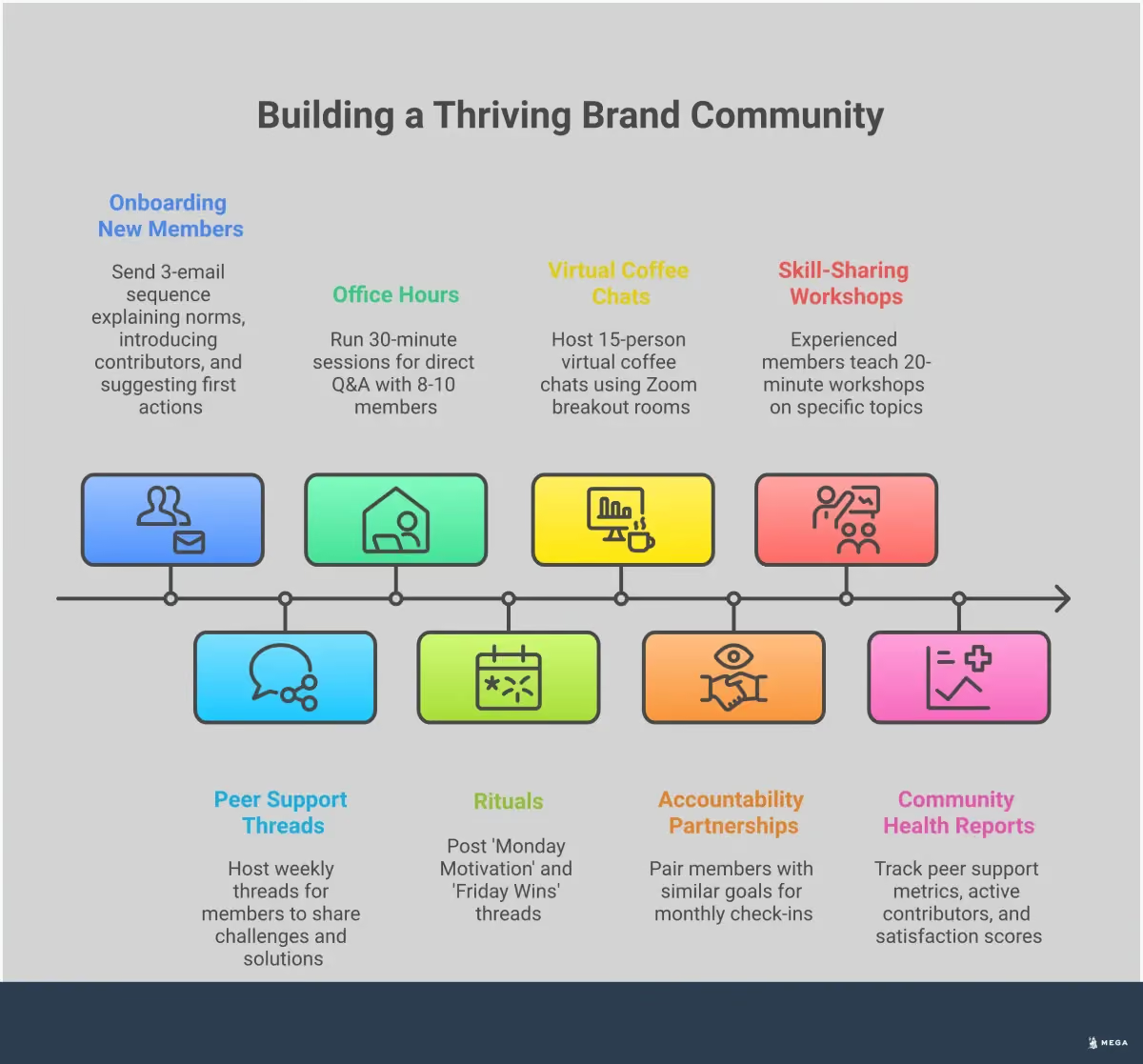
Start with the Shared Problem You're Solving
A strong community doesn't rally around a product; it rallies around a shared purpose or problem. Your product is simply a tool that helps them on their journey. Instead of focusing on what you sell, identify the core challenge that brings your customers to you in the first place. For a small business owner, that challenge might be figuring out how to grow with a tiny budget, navigating the complexities of digital marketing, or simply finding peers who understand the entrepreneurial grind.
This shared struggle is the foundation of your community. It gives members an immediate reason to connect and a common language to speak. When you frame your community’s mission around solving this problem together, you create a powerful sense of solidarity.
Use Recurring Events to Build Deeper Connections
Real relationships aren't built in an audience of thousands. They're formed in smaller, more intimate settings where people can have genuine conversations. While a big webinar might attract a crowd, it’s the small, recurring events that build the connective tissue of a community. The key is creating a predictable rhythm that members can count on.
Think about hosting a weekly "office hours" on Zoom for 15 people, a monthly virtual coffee chat, or a dedicated channel for a small group to tackle a specific challenge together. These consistent, small-scale interactions allow people to get to know each other on a personal level. This is how you turn a group of strangers into a tight-knit group of peers who trust and rely on one another.
Encourage Members to Support Each Other
A community truly comes alive when members start helping other members. Your role as the brand is to step back from being the sole expert and become the facilitator of these connections. The ultimate goal is to create a culture where people feel comfortable asking for help and generous in offering it. When someone posts a question, the most powerful thing that can happen is another member jumping in with the perfect answer.
You can encourage this by creating specific opportunities for peer support. Start a weekly thread where members can share a win or ask for advice on a challenge. When you see someone offer great advice, highlight their contribution. Over time, you’ll build a self-sustaining ecosystem where the value comes from the members themselves, not just from your brand.
How to Recognize and Reward Your Best Members
The most engaged and helpful members are the lifeblood of your community. Recognizing their contributions is essential for keeping the momentum going and showing other members what behavior is valued. This doesn't have to involve expensive rewards or elaborate prizes. Often, simple public acknowledgment is the most powerful tool you have.
Create a "member of the week" spotlight in your newsletter or on social media. Give your most active contributors a special title or badge within the community platform. You could even invite them to co-host a virtual event or contribute a guest post to your blog. By making helpfulness visible and valuable, you not only show appreciation to your key members but also inspire others to step up and contribute.
Why a Brand Community Builds More Loyalty Than Ads
Paid ads and community building both aim for a similar outcome: a loyal customer base. But they approach it from completely different angles. Ads work by interrupting, targeting, and persuading. They are a powerful tool for customer acquisition, placing your message directly in front of potential buyers. MEGA AI's Paid Ads agent, Erle, can optimize this process, launching and scaling campaigns to hit your goals. A community, on the other hand, works by connecting, supporting, and creating a shared identity. It’s a long-term strategy focused on retention and building genuine relationships that last far beyond a single click or campaign.
While a well-placed ad can drive a sale, it rarely builds deep-seated loyalty on its own. That loyalty is earned over time, through consistent value and positive interactions. A community provides the perfect environment for this to happen. It creates a space where customers can connect not just with your brand, but with each other. This shift from a one-to-many broadcast (like an ad) to a many-to-many conversation is where true, resilient loyalty is forged. It’s the difference between a customer who buys from you because of a compelling offer and a customer who stays with you because they feel like they belong.
How Shared Experiences Build Lasting Trust
Trust is the foundation of any lasting relationship, and it’s something that ads struggle to create. A great brand community cultivates a sense of belonging, connecting members through shared experiences and values. When customers can talk with others who are using your product to solve similar problems, it validates their decision and builds confidence in your brand. They see real people, not just marketing copy, succeeding with your solution. This shared journey—the learning curves, the small wins, the troubleshooting—makes your brand feel more human and relatable. It’s a powerful, authentic form of social proof that no advertisement can replicate. This collective experience is what transforms customers into a trusted network.
Create Emotional Investment in Your Community
People stick with brands they feel connected to on an emotional level. While ads can trigger a fleeting desire, communities foster a much deeper emotional investment. When members feel like they are part of a group that understands them, they become more than just customers; they become advocates. This happens because communities tap into our fundamental need to belong. They provide a space for members to share their passions, celebrate successes, and support each other through challenges. This emotional buy-in is incredibly powerful. It means customers are more likely to forgive a minor mistake, offer constructive feedback instead of just complaining, and stick with you even when a competitor comes along with a tempting offer.
Help Members Solve Problems to Strengthen Bonds
The most vibrant communities are built on a culture of mutual support. As one expert puts it, real community happens when members help members. When a customer posts a question and another member quickly jumps in with a helpful answer, it creates an incredibly positive experience. This peer-to-peer support system does more than just solve problems; it strengthens the bonds within the group and builds immense loyalty. People stay because they know they can get help when they need it, and they feel valued when they can contribute their own expertise. This creates a self-sustaining ecosystem where the value of the community grows with every interaction, turning it into an indispensable resource for every member.
Build Resilience Against Brand Missteps
No business is perfect, and sooner or later, you’ll make a mistake. A strong brand community acts as a safety net, providing a buffer against these inevitable missteps. When customers feel a genuine connection to your brand and to each other, their loyalty is based on more than just your product’s features or price. This emotional investment fosters a deep-seated trust, making them more likely to forgive a minor issue or a flawed product update. Because they feel seen and understood as part of a group, they are more willing to offer constructive feedback and remain supportive during challenging times, giving you the grace you need to fix what’s wrong.
Create a Moat Against Competitors
In a crowded market, a thriving community is one of the most durable competitive advantages you can build. A competitor can copy your features, undercut your pricing, or outspend you on ads, but they cannot replicate the relationships and shared identity within your community. This interconnected network creates a powerful lock-in effect that goes beyond transactional value. When customers feel a sense of belonging, they are far less likely to be swayed by a competitor’s shiny new offer. This emotional buy-in turns your most engaged members into brand advocates, creating a defensible moat that protects your business and fuels organic growth.
Common Hurdles When Building a Community
Building a community is a powerful strategy, but it’s not without its hurdles. It requires a different mindset than running a paid ad campaign or optimizing a landing page. You’re dealing with human connection, which can be messy and unpredictable. The most common challenges aren’t technical; they’re about shifting your perspective from broadcasting to facilitating and from controlling to empowering. Overcoming these challenges is what separates a thriving community from an empty forum.
Moving from a Fan Club to an Engaged Community
It’s easy to mistake an audience for a community. An audience listens to you; a community talks to each other. The real challenge is moving beyond a simple fan club where members just consume your content. True engagement happens when members start helping other members, answering questions before you even see them. This shift requires you to create opportunities for interaction that don't always center on your brand. Instead of just posting updates, ask open-ended questions. Spark conversations that encourage members to share their own expertise and experiences with one another. The goal is to build a network, not just a list of followers.
Why You Need to Let Your Members Lead
As a business owner, you’re used to being the expert. In a community, your role needs to change from expert to facilitator. This can be one of the hardest transitions to make. The challenge is to resist the urge to answer every question and solve every problem yourself. When you step back, you create space for members to step up. This is when the magic happens, as members begin creating value for each other. You can empower them by creating ambassador programs or highlighting top contributors. Letting go of control shows you trust your members, which in turn makes them more invested in the community’s success. It becomes their space, not just yours.
Building Trust and Maintaining Momentum
Launching a community often comes with a burst of excitement, but the real work is keeping that energy alive months later. Trust isn't built overnight. It comes from consistency, showing up for your members, and creating a reliable space. A great brand community cultivates a sense of belonging, making members feel connected through shared values and goals. To maintain momentum, establish simple rituals like weekly check-in threads or monthly member spotlights. Be transparent about your goals for the community and be open to feedback. This steady, consistent effort is what builds lasting relationships and turns casual members into loyal advocates.
How to Create a Safe Space for Different Viewpoints
As your community grows, so will the diversity of its members and their opinions. The challenge is to foster a space that feels safe for everyone without shutting down important conversations. This requires clear, simple, and consistently enforced community guidelines. Your job isn't to prevent all disagreements but to ensure they remain respectful and constructive. Effective community moderation is about guiding the conversation, not controlling it. By setting a positive tone and stepping in when necessary, you can create an environment where members feel comfortable sharing their thoughts, strengthening the community in the process.
Navigating Resistance to Brand Changes
Your most loyal community members often feel a sense of ownership over the brand. They joined because they connected with its values and identity. When you introduce a significant change—whether it's a new product, a logo redesign, or a shift in messaging—it can feel personal. This resistance isn't a sign of negativity; it's a sign of how deeply they care. As research notes, loyal members can resist changes that deviate from established brand values. The key is to manage this transition with transparency, bringing your community into the conversation early and explaining the "why" behind your decision. This approach shows respect for their investment and can turn potential backlash into a collaborative evolution.
Managing Rivalries with Competing Communities
A passionate community often defines itself not just by what it is, but by what it isn't. This can create a healthy "us vs. them" dynamic with competing brands, which can be a powerful force for strengthening group identity. Think of classic rivalries like Apple vs. Android or Nike vs. Adidas. This shared preference can solidify bonds between members. However, this passion can also lead to negativity if it's not guided constructively. The challenge is to channel that energy in a positive direction. Encourage members to celebrate what makes your brand unique rather than attacking competitors, and set clear guidelines to maintain a respectful environment. This ensures your community remains a positive space focused on your shared values.
Setting Up Your Brand Community for Success
A thriving community doesn’t happen by accident. It requires a thoughtful foundation built on the right platform, engaging content, and clear expectations. Setting up this structure from the start creates a space where members feel comfortable participating and connecting. These core elements help turn a simple audience into a network of advocates.
Assess Your Company's Readiness First
Building a community is a powerful strategy, but it requires a different mindset than running a paid ad campaign or optimizing a landing page. Before you choose a platform, it's important to assess if your team is prepared for this shift. The goal is to move from renting an audience to owning a network, which means focusing on long-term relationships over short-term metrics. This commitment means your role shifts from being the sole expert to the facilitator of connections. A community thrives when members feel empowered to help other members, creating a culture of contribution. If your company is built on top-down communication, you may need to adapt to a model that trusts members to lead the conversation.
How to Choose the Right Community Platform
The first step is deciding where your community will live. This choice depends entirely on where your target audience already spends their time, whether on Facebook, Slack, or a dedicated forum. The goal is to reduce friction and make participation easy. Don't force your members to adopt a new tool if you don't have to. Once you've chosen a home, you can create channels and topics to guide conversations around specific interests. Your platform should be comfortable, accessible, and suited to the types of interactions you want to encourage.
Develop Content That Starts a Conversation
Your role in the community is more of a facilitator than a speaker. Instead of broadcasting announcements, post content that invites a response. Ask open-ended questions, share behind-the-scenes looks at your business, or feature member-created content. Every post should tie back to your brand's promise and the shared values of the group. This alignment between what you stand for and what your members care about is what builds a shared sense of trust. Your content is the catalyst for connection, giving members a reason to engage with you and, more importantly, with each other.
Establish Clear Guidelines and Communication Rhythms
To maintain a positive and productive environment, you need clear rules of engagement. Create a simple set of community guidelines that outline acceptable behavior and the consequences for violating them. This isn't about censorship; it's about ensuring the space remains safe and respectful for everyone. Equally important is establishing a consistent communication cadence. Show up regularly to post content, respond to comments, and facilitate discussions. This consistency helps foster engagement and strengthen relationships, letting members know they can rely on the community as a valuable resource.
Empower Your Members to Contribute
A successful community is one where members start helping each other without your intervention. Your job is to create an environment where this is encouraged. You can do this by recognizing helpful members, creating spaces for peer-to-peer support, and asking members to share their own expertise. When you empower your community, they become your most effective advocates. These active members drive authentic word-of-mouth and social influence, attracting new customers who are drawn to the value and connection your community offers. This is how you build a growth engine that isn't dependent on ad spend.
Incentivize Participation with Rewards Programs
While many members participate out of a genuine desire to help, a formal rewards program can acknowledge your most valuable contributors and encourage others to get more involved. The most effective rewards are often not monetary. Instead, they offer status and recognition, which reinforces a culture of helpfulness. Simple gestures like a "member of the week" spotlight, a special badge next to their username, or exclusive access to new features can be incredibly motivating. These programs make positive contributions visible, showing the entire community what kind of engagement you value. By creating a system to recognize members, you formalize appreciation and inspire a cycle of positive participation.
How to Measure Community Success (Without Vanity Metrics)
Measuring the health of your community isn't about chasing vanity metrics like follower counts or likes. A large following doesn't automatically equal a strong community, and focusing on surface-level numbers can lead you down the wrong path. True success lies in the quality of connections and the value members provide to one another. Instead of asking, "How many people saw our post?" you should be asking, "How many members helped each other solve a problem this week?" This shift in focus helps you understand if you're building a passive audience or an active, self-sustaining community that adds real value.
Gauging the real impact of your community requires looking at deeper indicators of engagement and loyalty. Are members sticking around? Are they talking to each other, or just to you? Do they advocate for your brand without being asked? These are the questions that reveal the true return on your investment. While our AI-powered SEO can bring new people to your door, a thriving community is what convinces them to stay. By tracking the right metrics, you can nurture a space that not only supports its members but also drives sustainable, long-term growth for your business, independent of unpredictable algorithm changes.
Focus on Member-to-Member Interactions
The clearest sign of a healthy community is when members start talking to each other without your constant prompting. Real community happens when someone asks a question and other members jump in with answers before you even see the notification. This is the shift from a brand-centric broadcast to a member-centric conversation. To track this, look beyond the number of comments on your own posts. Instead, analyze who is replying to whom. Are members starting their own discussion threads? Are they tagging each other to share relevant information? These member-to-member interactions are the foundation of a community that offers value far beyond what you alone can provide.
Track How Often Members Help One Another
Going a step further, it’s not just about interaction, but about valuable contribution. If your metrics only track how people respond to you, you're building an audience. If you're tracking how people respond to each other, you're building a community. Pay close attention to how often members provide solutions, offer advice, or share resources to help their peers. When a member shares a challenge and another offers a thoughtful solution, your community is fulfilling its purpose. You can measure this by creating a simple tally of "solved problems" or "helpful interactions" each week. This metric proves your community is a genuinely useful resource, which is what keeps people coming back.
Monitor Member Retention and Organic Growth
A strong community directly impacts your bottom line by improving customer loyalty and retention. When members feel a sense of belonging and receive consistent value from peer support, they are far more likely to remain loyal customers. Monitor your community's churn rate—how many members leave over a certain period? A low churn rate is a strong indicator of a healthy group. Furthermore, a thriving community becomes a powerful engine for organic growth. Happy members naturally become advocates who invite their friends and colleagues, creating authentic word-of-mouth marketing. Track how many new members join through referrals to measure this organic expansion.
Keep an Eye on Brand Advocacy and Sentiment
Your most passionate advocates often come from within your community. These are the members who not only engage regularly but also promote your brand organically. Successful brands create online communities to strengthen customer relationships and build this kind of deep loyalty. Monitor brand mentions originating from community members on social media and other platforms. Look for user-generated content where members share positive experiences with your products or services. Pay attention to the overall sentiment—is the tone of conversation positive and supportive? When members start defending your brand or recommending it in other forums, you’ve successfully turned customers into a powerful extension of your marketing team.
What's the Real ROI of a Brand Community?
Investing in a community is a strategic business decision with a clear return. While SEO and paid ads are essential for reaching new customers, a strong community is what keeps them loyal and engaged for the long haul. This is where you build a resilient brand that isn't entirely dependent on external platforms or fluctuating ad costs.
The true value of a community shows up directly on your balance sheet through authentic growth, lower costs, and sustainable customer relationships. Let's look at the tangible returns you can expect.
Generate Authentic Word-of-Mouth Growth
A community transforms your customer base into a volunteer marketing team. When people feel a sense of belonging and trust, they talk about your brand not because they have to, but because they want to. This kind of word-of-mouth is more credible and effective than any advertisement. A strong community is built on a shared promise that aligns what customers expect with your company's values. This foundation of trust is what encourages members to become advocates, helping you strengthen customer relationships and generate authentic referrals that drive sustainable growth.
How a Community Lowers Your Marketing Spend
Constantly acquiring new customers is expensive. A community helps you shift focus from acquisition to retention, which is far more cost-effective. Loyal members are more likely to make repeat purchases and are less sensitive to price changes. Furthermore, active brand communities often become a first line of customer support, with experienced members helping newcomers solve problems. This peer-to-peer assistance reduces the burden on your support team and lowers operational costs, giving your business a sustainable competitive advantage.
Reduce Customer Support Costs
One of the most practical benefits of a community is the peer-to-peer support system it creates. When a customer has a question or runs into an issue, other experienced members can often provide a solution faster than a formal support ticket. This creates a scalable knowledge base that operates around the clock, without you having to staff it. This not only reduces the burden on your support team, freeing them up to handle more complex issues, but it also empowers your customers. They get faster answers and feel more confident using your product, which improves their overall experience and loyalty.
Increase Customer Spending
A strong community gives people a reason to stay that goes beyond features or price. This sense of belonging translates directly into higher customer lifetime value. In fact, studies show that community members often show higher loyalty and can even double their spending compared to non-members. Because they are more invested in your brand's success, they are more likely to make repeat purchases, try new products, and remain customers for longer. This turns your community into a reliable revenue driver that grows more valuable over time.
Create Algorithm-Proof Customer Relationships
Search engine and social media algorithms are constantly changing, and relying on them completely puts your business in a vulnerable position. One update can diminish your reach overnight. A community, however, is an asset you own. The relationships and trust you build exist independently of any single platform. A real community survives platform changes because the connection is between the members and your brand, not just with the platform itself. This creates a stable foundation for communication and engagement that you control, ensuring your business remains resilient no matter what the next algorithm update brings.
Fuel Your SEO with User-Generated Content
A thriving community does more than build loyalty; it creates a powerful, self-sustaining engine for your SEO strategy. Your members are constantly talking about their challenges, sharing solutions, and asking questions in their own words. This user-generated content is a goldmine of authentic language and relevant topics that search engines love. By tapping into these conversations, you can move beyond guessing what your audience is searching for and start creating content that you know they need. This approach turns your community into a living knowledge base that directly informs a more effective and authentic content strategy.
How Community Discussions Inform Keyword Research
Keyword research tools are great, but they can’t tell you the exact language your customers use to describe their problems. Your community can. Pay attention to the titles of discussion threads and the specific phrases members use when they ask for help. These are your long-tail keywords, straight from the source. When members talk to each other, they use natural, conversational language that reflects real search intent. This is far more valuable than a list of high-volume keywords from a tool. By listening to these discussions, you can build a content strategy around the topics and terms that matter most to your audience, ensuring your articles resonate and rank.
Using Member Insights for Content Generation
The best content ideas come from real customer problems. Your community is a constant source of these ideas. When you see the same question pop up repeatedly, that’s your cue to create a definitive blog post, tutorial, or FAQ page that addresses it. Your role is to facilitate conversations and spot these recurring themes. You can even feature member-created content or highlight a particularly insightful answer from a discussion thread. This not only provides you with authentic, relevant material but also makes your members feel valued. It transforms your content from a one-way broadcast into a collaborative resource built on genuine member-to-member interactions.