
Running a successful veterinary practice involves more than just providing excellent care—it requires a strong online presence to attract new clients. In today's digital world, pet owners turn to search engines when seeking veterinary services. If your practice isn't visible in search results, you're missing a significant portion of your target audience. Veterinarian SEO is the solution. It's the roadmap to online visibility, guiding pet owners directly to your practice. This comprehensive guide will break down the essentials of veterinarian SEO, offering practical strategies and actionable steps to improve your website's ranking, attract new clients, and establish your practice as a trusted resource.
Key Takeaways
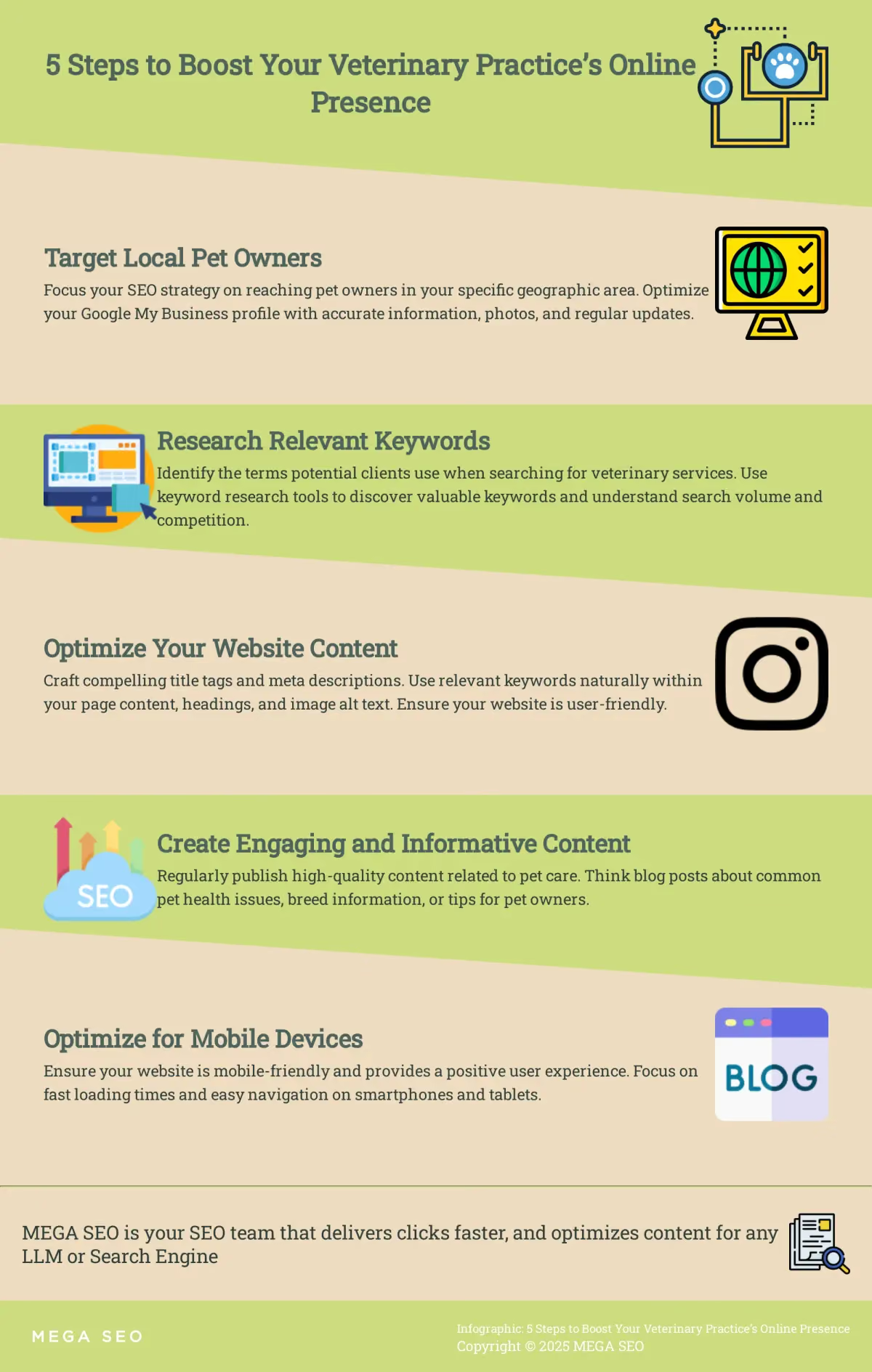
- Target local pet owners searching online: Focus your SEO strategy on reaching pet owners in your specific geographic area who are actively looking for veterinary services.
- Combine various SEO elements for a well-rounded approach: Implement keyword research, optimize your website content and structure, create engaging and informative content, and prioritize technical and local SEO.
- Track your progress and adapt your strategy: Regularly monitor key performance indicators and analyze website data to understand what's working and refine your SEO efforts for continued success.
What is Veterinarian SEO?
Defining Veterinary SEO
Veterinary SEO is simply the practice of increasing a veterinary clinic's visibility on search engines like Google. The goal? Attract more pet owners searching for services like yours. It involves optimizing your website's content, structure, and technical aspects to secure a higher ranking in search results for relevant keywords. Think of it as a digital storefront—the higher your placement for searches like "best vet near me," the more likely pet owners are to discover your practice. This increased visibility translates directly to more potential clients. For a deeper dive into SEO fundamentals, explore our SEO resources.
How Veterinary SEO Differs from General SEO
While general SEO principles apply, veterinary SEO requires a more specialized approach. It's not enough to simply have a website; you need a strategy tailored to the specific needs of veterinary practices. This includes focusing on local search optimization, understanding pet owner search behavior, and creating content that addresses their common concerns. For example, a pet owner searching for "emergency vet" has different needs than someone looking for "dog grooming." Veterinary SEO recognizes these nuances and targets pet owners in your specific geographic area. Unlike broader SEO practices, veterinary SEO uses a laser focus to connect with local pet owners actively seeking veterinary services in your community. Learn more about creating customized posts tailored to your specific needs.
Why SEO Matters for Veterinary Practices
When a pet needs care, owners want to find the best options quickly. That's where SEO comes in. It helps your veterinary practice appear in search results when potential clients are looking for services like yours. This isn't just about driving traffic to your website; it's about connecting with pet owners at a crucial moment and building a thriving practice.
Increase Online Visibility
Think about your own behavior when you need a service—you probably start with a Google search. Pet owners do the same. Studies show 93% of pet owners search online for veterinary care. If your website isn't visible in search results, you're missing a significant number of potential clients. Effective SEO helps your practice rank higher, putting you in front of pet owners searching in your area.
Attract New Clients
SEO is a long-term strategy that yields results over time. Consider it an investment in the future of your practice. A well-optimized website works around the clock to attract new clients. As your site's ranking improves, you'll see a steady increase in organic traffic, leading to more appointments and a larger client base.
Build Trust and Credibility
Beyond visibility and client acquisition, SEO helps build trust. Creating informative content that addresses common pet health concerns positions your practice as a knowledgeable resource. Answering questions and offering helpful advice establishes your expertise and builds credibility with pet owners. Coupled with positive online reviews, this strengthens your reputation as a trusted veterinary practice.
Key Components of an Effective Veterinarian SEO Strategy
A well-rounded SEO strategy is essential for any veterinary practice looking to grow. These core components work together to improve your search engine rankings and attract more clients.
Research Keywords for Veterinary Services
Understanding what pet owners search for online is the first step. Start by brainstorming common terms related to your services. Think like a pet owner: What would you type into Google if your pet was sick? Tools like Google Keyword Planner and Semrush can expand your initial list and provide valuable data on search volume and competition. For example, a short-tail keyword like "veterinary services" has high search volume but also high competition, while a long-tail keyword like "emergency vet clinic for cats near me" is more specific and targets a niche audience. Finding the right balance between broad and specific keywords is key. Consider exploring resources on keyword research for veterinarians to refine your approach.
Optimize On-Page Elements
Once you have your keywords, it's time to optimize your website content. This includes crafting compelling title tags and meta descriptions that accurately reflect the content of each page and entice users to click. Use relevant keywords naturally within your page content, headings, and image alt text. Avoid keyword stuffing, which can harm your rankings. Ensure your website is easy to use and provides a positive user experience. Consider this guide for beginners for helpful tips on optimizing on-page elements for veterinary practices.
Create Engaging Content
Content is king in the SEO world. Regularly publishing high-quality, informative content related to pet care establishes your practice as a trusted resource and keeps visitors engaged. Think blog posts about common pet health issues, breed information, or tips for pet owners. Engaging content not only attracts visitors but also encourages them to spend more time on your site, a positive signal for search engines. Review this article on common SEO mistakes to avoid in your veterinary marketing strategy.
Implement Technical SEO
Technical SEO focuses on the backend of your website. Ensure your website is crawlable and indexable by search engines, meaning they can easily access and understand your content. Page load speed is crucial; slow-loading pages can lead to frustrated users and lower rankings. A mobile-friendly website is also essential, as many people search for veterinary services on their phones. Regularly check for broken links and other technical issues that could negatively impact your SEO. This guide offers a deeper look into technical SEO for veterinary practices.
Local SEO: A Game-Changer for Veterinarians
For veterinarians, local SEO is crucial. Pet owners typically search for services like "animal hospitals near me" or "best vet in [city name]". Focusing on local SEO helps your practice appear in these searches, connecting you with pet owners in your area.
Optimize Google My Business
Your Google Business Profile is often the first impression a potential client has of your practice. Make sure your profile is complete and accurate, including details like your address, phone number, business hours, and website. Regularly upload photos of your clinic, staff, and happy patients. Sharing special offers or updates about your services keeps your profile fresh and engaging. Consider using MEGA SEO's customized posts feature to streamline this process.
Leverage Location-Based Keywords
Using location-based keywords throughout your website content helps attract local clients. Incorporate phrases like "veterinarian in [City]" or "emergency vet services near [Neighborhood]" within your page titles, descriptions, and body text. These keywords signal to search engines that your practice serves a specific geographic area, increasing your visibility in relevant local searches. Explore MEGA SEO's free tools for keyword research assistance.
Manage Online Reviews
Online reviews significantly influence pet owners' decisions. Encourage satisfied clients to share their positive experiences by leaving reviews on platforms like Google, Yelp, and Facebook. Responding to reviews, both positive and negative, shows you value client feedback. Addressing negative reviews professionally can build trust. Learn more about managing online reviews and other SEO strategies through MEGA SEO's resources.
Create SEO-Friendly Content
Content is a cornerstone of any successful SEO strategy. For veterinarians, this means creating content that not only attracts search engines but also resonates with pet owners. This involves understanding what pet owners search for online and delivering valuable information that addresses their needs.
Develop Informative Pet Care Articles
Think about the questions you get asked daily at your clinic. Chances are, pet owners are typing those same questions into search engines. Creating informative articles that address common pet owner concerns, like "How to treat a dog's upset stomach" or "Understanding cat vaccinations," builds trust and positions your clinic as a knowledgeable resource. This type of content naturally incorporates relevant keywords, boosting your website's visibility in search results. Focus on providing practical advice, answering specific questions, and offering solutions to pet-related problems. Promodo's guide for veterinarians offers additional insights into optimizing content for SEO.
Showcase Veterinary Services
While educational content is important, don't forget to showcase the services your clinic offers. Create dedicated pages for each service, detailing what it entails, the benefits for pets, and any specialized equipment or expertise you have. Clearly explain procedures like dental cleanings, vaccinations, surgeries, and emergency care. This helps potential clients understand what you offer and encourages them to contact your clinic. For more tips on showcasing your services effectively, check out LifeLearn's advice on veterinary SEO.
Incorporate Visuals
Visuals are key to keeping visitors engaged with your content. Use high-quality images and videos of animals, your clinic, and your staff. Consider adding infographics to explain complex topics or creating short videos demonstrating pet care techniques. Make sure your website is easy to navigate on all devices, allowing visitors to quickly find the information they need. DVM Elite offers helpful tips on using visuals and improving website navigation for a better user experience, which also positively impacts SEO.
Optimize for Mobile
These days, people search for everything on their phones—including veterinary care. If your website isn't easy to use on a mobile device, you're missing out on potential clients. Optimizing your site for mobile is no longer optional; it's essential for modern veterinary practices.
Implement Mobile-Friendly Design
A mobile-friendly website design ensures your site is accessible and easy to use on smartphones and tablets. Think about it: a pet owner in a hurry is more likely to call a vet whose website loads quickly and clearly on their phone. They should be able to easily find your contact information, hours, and location without zooming or scrolling excessively. A good mobile experience is the first step to converting a worried pet owner into a new client.
Improve Page Load Speed
Slow loading times can frustrate visitors and lead them to abandon your site before they even see your services. Check and optimize your page load times to keep potential clients engaged. Google PageSpeed Insights is a helpful tool to pinpoint areas for improvement. A faster website provides a better user experience, which can also positively impact your search engine ranking.
Enhance Mobile User Experience
A positive mobile user experience encourages visitors to explore your website and learn more about your practice. Make sure your site's navigation is intuitive and that important information, like services offered, is readily available. Consider features like click-to-call buttons and prominent location maps to make it easy for pet owners to connect with you. Streamlining the mobile experience can lead to more appointments and happier clients.
Measure and Track SEO Success
After optimizing your website and content, you need to know if your veterinary SEO strategy is working. Tracking your results is key to understanding what's effective and what needs adjusting. This section will guide you through the process.
Monitor Key Performance Indicators (KPIs)
Key Performance Indicators (KPIs) are the vital signs of your SEO strategy. They tell you how your website performs in search results and how users interact with your content. Here are some of the most important KPIs to track for veterinary SEO:
- Organic traffic: This metric shows how many people find your website through search engines like Google. Increased organic traffic suggests your SEO efforts are attracting more potential clients.
- Bounce rate: A high bounce rate (people leaving your site quickly) could indicate issues with your website's user experience, content relevance, or page load speed. Aim for a low bounce rate by providing valuable, easy-to-access information.
- Conversion rates: Conversions are the actions you want visitors to take, such as booking an appointment or completing a contact form. Tracking conversions helps you understand how effectively your SEO is turning visitors into clients.
- Keyword rankings: Monitor where your website ranks for relevant keywords. Improved rankings mean more visibility to potential clients searching for those terms.
Use Analytics Tools Effectively
Data is essential for SEO. Use analytics tools to gain insights into your website's performance and user behavior. Google Analytics is a free, powerful platform that provides a wealth of information, including:
- Traffic sources: Understand where your website traffic originates (organic search, social media, referrals, etc.).
- User demographics: Learn about the age, location, and interests of your website visitors.
- Page views and time on site: See which pages are most popular and how long visitors spend on them.
- User behavior flow: Visualize how users move through your website, identifying potential areas for improvement. Learn more about using Google Analytics.
Analyzing this data helps you identify what's resonating with your audience and make informed decisions to improve your SEO strategy.
Adjust Strategies Based on Data
SEO is not a set-it-and-forget-it process. Regularly review your website data and adjust your strategies accordingly. For example, if you notice a high bounce rate on a particular page, consider revising the content, improving the page layout, or addressing any technical issues. If certain keywords are driving significant traffic, explore creating more content around those topics. By continuously analyzing your data and making adjustments, you can ensure your veterinary SEO strategy remains effective and drives results. Consider MEGA SEO for automating tasks like keyword research and creating custom content.
Common SEO Mistakes to Avoid
Even with the best intentions, it's easy to fall prey to common SEO pitfalls. Let's explore some frequent missteps and how to steer clear of them.
Don't Neglect Local SEO
For veterinarians, local SEO is crucial. Pet owners typically search for services "near me," so appearing in local search results is essential for attracting clients. Many practices miss out on this by not claiming and optimizing their Google Business Profile. Ensure your profile is complete and accurate, including your address, phone number, website, and hours of operation. Consistently managing online reviews is also a key aspect of local SEO. VetVox Marketing offers a helpful guide to getting started.
Analyze Website Data and User Behavior
Understanding how people interact with your website is fundamental for improvement. Use website analytics tools, like Google Analytics, to track important metrics. Pay attention to how visitors find your site, which pages they visit, and how long they stay. This data offers insights into what's working and what needs adjustment in your SEO strategy. For example, if a specific blog post about dog breeds receives a lot of traffic, consider creating more content around similar topics. WinSavvy provides a detailed guide on using data to refine your approach.
Prioritize Content Quality and Freshness
Regularly publishing fresh, high-quality content keeps your website relevant and engaging for both users and search engines. Think beyond just promoting your services. Offer valuable information about pet care, answer common pet owner questions, and share insights into your practice. This establishes you as a trusted resource and encourages visitors to return to your site. A blog is a great platform for sharing this type of content. Ekwa Marketing discusses the importance of content in a broader SEO strategy.
Optimize for Mobile Users
With the majority of searches happening on mobile devices, a mobile-friendly website is a necessity. Ensure your website design adapts seamlessly to different screen sizes. Page load speed is also critical for mobile users. A slow-loading site can lead to frustration and high bounce rates. Test your site's mobile performance and make necessary improvements to provide a smooth user experience. SEO Sandwitch offers a beginner's guide to optimizing for mobile.