
The most successful coffee brands know more about their customers than you might think. Every mobile order, loyalty scan, and repeat visit provides valuable data. These companies aren't just selling coffee; they're building relationships through technology. They use this information to personalize offers, predict buying habits, and create a seamless customer journey that feels tailored to the individual. This data-driven approach is their secret weapon for building loyalty. In this ranking of the top coffee brands, we'll focus on how they use digital tools and customer insights to stay ahead, showing how any business can use similar tactics.
Key Takeaways
- Sell an experience, not just a product: Customers connect with a brand's identity, whether it's the convenience of Dunkin', the community feel of Starbucks, or the craft focus of Peet's. A clear identity is what creates lasting loyalty.
- Build your brand around a specific audience: Successful brands know exactly who their customer is. This focus guides every business decision—from menu design to marketing—to create an experience that connects with a specific type of person.
- Use big-brand tactics on a small-business budget: You don't need a huge budget to grow. Focus on the fundamentals that top brands use: create a simple loyalty program, design a memorable customer experience, and use digital tools to connect with your local community.
What Makes a Top Coffee Brand?
While a great cup of coffee is the starting point, it’s rarely the only reason a brand becomes a household name. The most successful coffee companies build an entire experience around their product. They understand that customers are buying more than just a beverage; they’re buying a routine, a moment of comfort, or a convenient boost to their day. This success comes from a blend of smart branding, consistent quality, and a deep understanding of their audience.
A clear brand identity is essential. Top brands know who they are and who they serve. For some, this means creating an approachable and friendly brand position that prioritizes customer connection over luxury. Others build their reputation on being a premium, third-wave coffee destination. This identity influences everything from store design and marketing campaigns to the way baristas interact with customers. It’s about creating a feeling that resonates with a specific type of coffee drinker and keeps them coming back.
Beyond branding, the combination of product quality and customer experience plays a huge role. A top brand consistently delivers a quality product, but it also creates an inviting atmosphere. For many leading chains, the goal is to establish a social environment where people can meet, work, or relax. This focus on ambiance turns a simple coffee run into a destination. At the same time, other brands win by focusing on speed and convenience, perfecting the grab-and-go model for busy commuters.
Ultimately, the best coffee brands thrive because they listen to their customers. They use consumer insights to adapt their menus, improve service, and build loyalty programs that feel genuinely rewarding. By understanding evolving preferences—whether it's a demand for sustainable sourcing or the convenience of mobile ordering—they stay relevant in a competitive market. This customer-centric approach is what separates a good coffee shop from a great coffee brand.
How We Ranked the Best Coffee Brands
Ranking the top coffee brands goes beyond a simple taste test. To understand what makes a brand truly successful, we analyzed their business from top to bottom. We looked at their marketing efforts, customer loyalty, product innovation, and overall market presence. This approach helps reveal the strategies that any small business can learn from, whether you're selling coffee or something else entirely.
Our evaluation focused on several key areas. First, we considered how well each brand understands its customers. The most successful chains use consumer insights to build loyalty and improve everything from their menu to their store layout. We also assessed product quality and innovation. The brands that stand out are the ones delivering "craveability" by creating unique flavor experiences that keep customers coming back for more.
Next, we examined each company's brand positioning and marketing. A strong brand has a clear identity that connects with a specific audience. For example, Dunkin’s marketing strategy centers on being approachable and convenient. The overall customer experience was another critical factor. This includes everything from the in-store ambiance to the usability of their mobile app. Finally, we looked at how these brands adapt to a rapidly growing market with constantly evolving consumer preferences.
#1: Starbucks: The Global Coffee Giant
Starbucks is more than just a coffee shop; it's a cultural landmark. With its green mermaid logo recognized worldwide, the brand has become synonymous with coffee itself. But this level of success didn't happen by accident. Starbucks built its empire on a sophisticated marketing strategy that combines product innovation, a carefully crafted customer experience, and a powerful loyalty program.
By looking at how Starbucks operates, small businesses can pull out key lessons on building a brand that resonates with customers. The company’s approach goes beyond just selling a cup of coffee. It sells an experience, a routine, and a sense of community. This focus on the bigger picture is what turned a single Seattle coffee bean roaster into a global powerhouse. We’ll break down the three core pillars of its strategy: its ever-evolving menu, the unique in-store and digital environment it creates, and the methods it uses to keep customers coming back for more.
Innovative Menus and Seasonal Favorites
A key part of Starbucks' appeal is its constantly evolving menu. The brand isn't afraid to experiment, which led to the creation of iconic drinks like the Frappuccino. This single invention in 1995 opened the door for countless other reimagined coffee-based drinks and set a new standard for the industry.
Beyond permanent menu items, Starbucks has mastered the art of seasonal marketing. Limited-time offerings like the Pumpkin Spice Latte create a sense of urgency and excitement, drawing customers in year after year. This strategy keeps the brand feeling fresh and gives people a reason to visit often, turning a simple coffee run into a seasonal tradition. This consistent innovation ensures Starbucks remains a leader in the market.
The In-Store Experience and Digital Tools
Starbucks famously positioned itself as the "third place"—a comfortable spot between home and work where people can relax, socialize, or work. The company achieves this through a carefully designed ambiance with comfortable seating, free Wi-Fi, and a consistent aesthetic. This social atmosphere encourages customers to stay longer and view the store as more than just a place to grab a drink.
To complement the physical space, Starbucks has invested heavily in digital tools that improve customer convenience and engagement. The Starbucks app is a central part of this strategy, allowing for mobile ordering, payments, and access to the rewards program. By integrating technology smoothly into the customer journey, Starbucks makes the entire experience faster and more personalized.
Building Loyalty and Keeping Customers
Starbucks has built an incredibly loyal customer base, thanks in large part to its highly effective rewards program. The program targets a wide demographic, from young professionals to older adults, by offering personalized deals and free items. By tracking purchases through its app, Starbucks gathers valuable data that it uses to tailor marketing messages and promotions to individual customer preferences.
This data-driven approach makes customers feel seen and valued, encouraging repeat business. The rewards program is structured to be simple to understand yet compelling enough to change purchasing habits. Members earn "Stars" for every purchase, which can be redeemed for free drinks and food. This gamified system creates a powerful incentive for customers to choose Starbucks over competitors, locking in their loyalty over the long term.
#2: Dunkin': America's Go-To for Coffee and Donuts
While Starbucks built an empire on being a "third place" between home and work, Dunkin' carved out its space by being the place you stop on the way. With its straightforward slogan, "America Runs on Dunkin'," the brand positions itself as an essential part of the everyday hustle. Its marketing strategy is a masterclass in understanding its audience: people who want good coffee and food, fast, without any fuss. This clear identity separates it from competitors who focus on luxury experiences or complex menus.
Dunkin's success comes from a relentless focus on simplicity and accessibility. The brand doesn't try to be overly fancy or exclusive. Instead, it leans into being reliable, friendly, and convenient. This approach has helped it build a fiercely loyal customer base that sees a morning Dunkin' run as a non-negotiable part of their routine. For small businesses, Dunkin's strategy shows the power of defining your lane and owning it completely. By prioritizing what their core customers value most—speed, affordability, and consistency—they've become a dominant force in the coffee industry without trying to be everything to everyone.
A Focus on Speed and Convenience
Dunkin's entire operation is built around getting customers what they need as quickly as possible. From efficient drive-thrus to a streamlined in-store process, the brand understands that for its target audience, time is a valuable resource. This focus on convenience is a core part of their brand identity. The menu is approachable, the ordering process is simple, and the goal is to minimize friction for people on the go.
This commitment to speed isn't an accident; it's a deliberate business strategy that respects the customer's busy schedule. By making the experience fast and predictable, Dunkin' becomes a reliable part of a daily routine, much like a trusted utility. This approach proves that you don't always need elaborate experiences to win loyalty; sometimes, the best thing you can offer is simply making your customers' lives a little easier.
Keeping Coffee Affordable
A key differentiator for Dunkin' is its pricing. The brand has consistently positioned itself as an affordable option, making it an accessible daily habit rather than an occasional splurge. This strategy broadens its appeal and reinforces its image as the coffee for working people. Instead of chasing premium trends, Dunkin' focuses on delivering consistent quality at a price point that encourages frequent visits. This value proposition is central to its marketing message.
By emphasizing affordability, Dunkin' forges a strong connection with a wide demographic. Customers feel they are getting a good deal, which builds trust and repeat business. This value-based pricing model is about more than just being the cheapest option; it's about aligning the price with the practical, everyday value the customer receives.
Engaging Customers Through Mobile Ordering
Dunkin' was an early adopter of mobile technology, and its app is a cornerstone of its customer engagement strategy. The DD Perks rewards program, integrated into the app, encourages repeat business by offering points and free beverages. Mobile ordering also plays directly into the brand's core promise of speed and convenience, allowing customers to order ahead and skip the line. This digital ecosystem is crucial for maintaining a direct relationship with their audience.
The app does more than just process orders; it's a powerful marketing tool. Dunkin' uses it to gather customer data, send personalized offers, and promote new products. For any local business, this is a key takeaway: a strong loyalty program can turn casual buyers into dedicated fans by offering tangible rewards and a more convenient experience.
#3: Peet's Coffee: The Specialty Coffee Pioneer
While Starbucks built a global empire and Dunkin' focused on speed, Peet's Coffee carved out a different path by becoming a pioneer in the specialty coffee movement. The brand built its reputation not on rapid expansion or convenience, but on a deep commitment to the craft of coffee itself. This approach has cultivated a loyal following of customers who see themselves as connoisseurs and value the brand's expertise. For small businesses, Peet's offers a powerful lesson in how to build a brand around a niche audience that values quality and authenticity over mass appeal.
Instead of trying to be everything to everyone, Peet's focused on doing one thing exceptionally well: sourcing and roasting high-quality coffee. This dedication to craftsmanship is the foundation of their entire marketing strategy. They don't just sell coffee; they sell an experience rooted in expertise and tradition. By educating their customers and building a community around a shared passion, Peet's has managed to thrive in a crowded market. Their success demonstrates that a deep understanding of your product and your target customers can be your greatest competitive advantage.
Sourcing and Roasting Premium Beans
Peet's Coffee built its brand on an unwavering commitment to sourcing high-quality beans. The company often features single-origin coffees, which allows them to highlight the unique flavor profiles of beans from specific regions around the world. This focus on premium ingredients is paired with artisanal roasting techniques designed to bring out the best characteristics of each batch. For Peet's, the product itself is a core part of its marketing. By consistently delivering a superior coffee experience, the brand reinforces its identity as a leader in the specialty coffee space. This strategy shows that a high-quality product can be a powerful tool for building brand loyalty and justifying a premium price point.
Embracing the Craft Coffee Culture
As one of the original players in the American craft coffee scene, Peet's has been instrumental in shaping consumer expectations around quality and craftsmanship. The brand's dedication to small-batch roasting and deep coffee knowledge resonates with consumers who seek authenticity and expertise. This careful market positioning sets them apart from competitors who prioritize speed or scale. For small businesses, the lesson is clear: becoming a trusted expert in your niche can create a powerful connection with customers. By embracing the values of a specific culture or movement, you can attract a dedicated audience that identifies with your brand on a deeper level.
Building Community Through Marketing
Peet's Coffee extends its brand experience beyond the cup by actively building a community around its stores. The company engages customers through local events, coffee tastings, and educational workshops that share their passion for coffee. This community-focused marketing strategy does more than just sell products; it fosters a sense of belonging and strengthens customer loyalty. By creating spaces where people can connect and learn, Peet's positions itself as a central hub for coffee lovers. This approach is highly effective for local businesses, as it turns customers into advocates and solidifies the brand's role as a leader in its field.
#4: Costa Coffee: The British Coffee House
Originating in London, Costa Coffee has grown from a local favorite into a global competitor. With a strong foothold in the UK, the brand has successfully exported its classic British coffee house experience worldwide. Costa’s strategy hinges on three key pillars: strategic global expansion, a deep commitment to sustainability, and an embrace of European café culture. By focusing on creating a welcoming atmosphere and sourcing high-quality, ethical beans, Costa has built a loyal following far beyond its home market. This approach offers valuable lessons for any business looking to scale while maintaining a strong brand identity.
Expanding Across the Globe
Costa Coffee has methodically grown its presence to over 4,000 locations around the world. Instead of competing head-to-head in saturated markets, the brand has focused its international expansion on regions with a burgeoning coffee culture, like Asia and the Middle East. This targeted approach allows Costa to establish itself as a premium option in developing markets. By identifying and moving into areas with high growth potential, Costa secures a strong market position and builds brand recognition with new audiences eager for a quality coffee experience.
A Commitment to Sustainable Sourcing
Modern consumers care about where their products come from, and Costa Coffee has built its brand around this principle. The company emphasizes its commitment to sustainable sourcing, ensuring all its coffee beans are ethically sourced. This focus isn't just about corporate responsibility; it's a core part of their marketing. By promoting environmentally friendly practices and supporting coffee-farming communities, Costa aligns its brand with the values of its customers. This creates a powerful connection that goes beyond the coffee itself, fostering loyalty among consumers who want to support ethical businesses.
The Influence of European Coffee Culture
Costa Coffee leans into its European roots by creating a distinct in-store atmosphere. Unlike fast-paced, grab-and-go competitors, Costa designs its cafés to be inviting spaces that encourage customers to stay, socialize, and relax. This model reflects the traditional European café culture, where coffee shops serve as community hubs. By prioritizing a comfortable and social customer experience, Costa attracts patrons looking for more than just a caffeine fix. They offer a place for connection, turning a simple coffee run into a valued part of a customer's daily routine.
What Consumer Trends Drive Coffee's Popularity?
The coffee industry is constantly evolving, shaped by the changing tastes and values of its customers. It’s no longer enough to just serve a great-tasting brew. Today’s top brands understand that consumers want coffee that aligns with their lifestyle, values, and desire for unique experiences. Three major trends are shaping how people buy and enjoy coffee: a growing demand for sustainable products, the use of technology for personalization, and a shift toward local and specialty roasters. Understanding these shifts is crucial for any coffee business looking to connect with its audience.
The Demand for Healthy and Sustainable Options
Modern coffee drinkers are more conscious than ever about the impact of their purchases. They want to know where their coffee comes from and how it was grown. This focus on ethics has made sustainability a major coffee market trend. Brands that prioritize eco-friendly practices, from reducing waste to using compostable packaging, are winning over customers. This trend also extends to health, with a rising interest in organic coffee, alternative milks, and low-sugar options. For coffee brands, transparency is key to building trust.
Using Tech for a Personalized Experience
Technology has changed how coffee shops interact with their customers. While mobile ordering and loyalty apps offer convenience, the smartest brands use tech for a more personalized experience. By using a customer data platform, shops can gather insights into guest preferences. This data allows them to send targeted marketing messages, offer custom rewards, and suggest new products a customer might love. This personalization makes customers feel valued and turns a simple coffee run into a meaningful brand interaction.
The Shift Toward Local and Specialty Brands
While global chains still dominate, there's a noticeable shift in consumer loyalty toward local and specialty coffee brands. Many customers seek unique flavor profiles and high-quality, craft-roasted beans for a more distinctive experience. This trend has created a huge opportunity for smaller, independent coffee shops to thrive by focusing on what makes them different. These businesses often build strong community ties and attract customers who value craftsmanship and a personal touch. In response, even some national chains are trying to improve their beverage quality to compete.
How Marketing Strategies Shape Brand Rankings
The world’s top coffee brands don’t just sell a great product; they sell an experience, a routine, and a sense of community. Their high rankings are the result of carefully crafted marketing strategies that build deep connections with customers. While each brand has a unique approach, they all rely on a few core principles: understanding their customers on a granular level, engaging them where they spend their time, and aligning every part of the brand with a specific audience.
These coffee giants have massive budgets, but the strategies they use can be adapted for businesses of any size. By focusing on data-driven personalization, authentic social media engagement, and a crystal-clear definition of their target customer, they create a loyal following that keeps them at the top. For small businesses, these same pillars are the foundation for sustainable growth and a strong online presence.
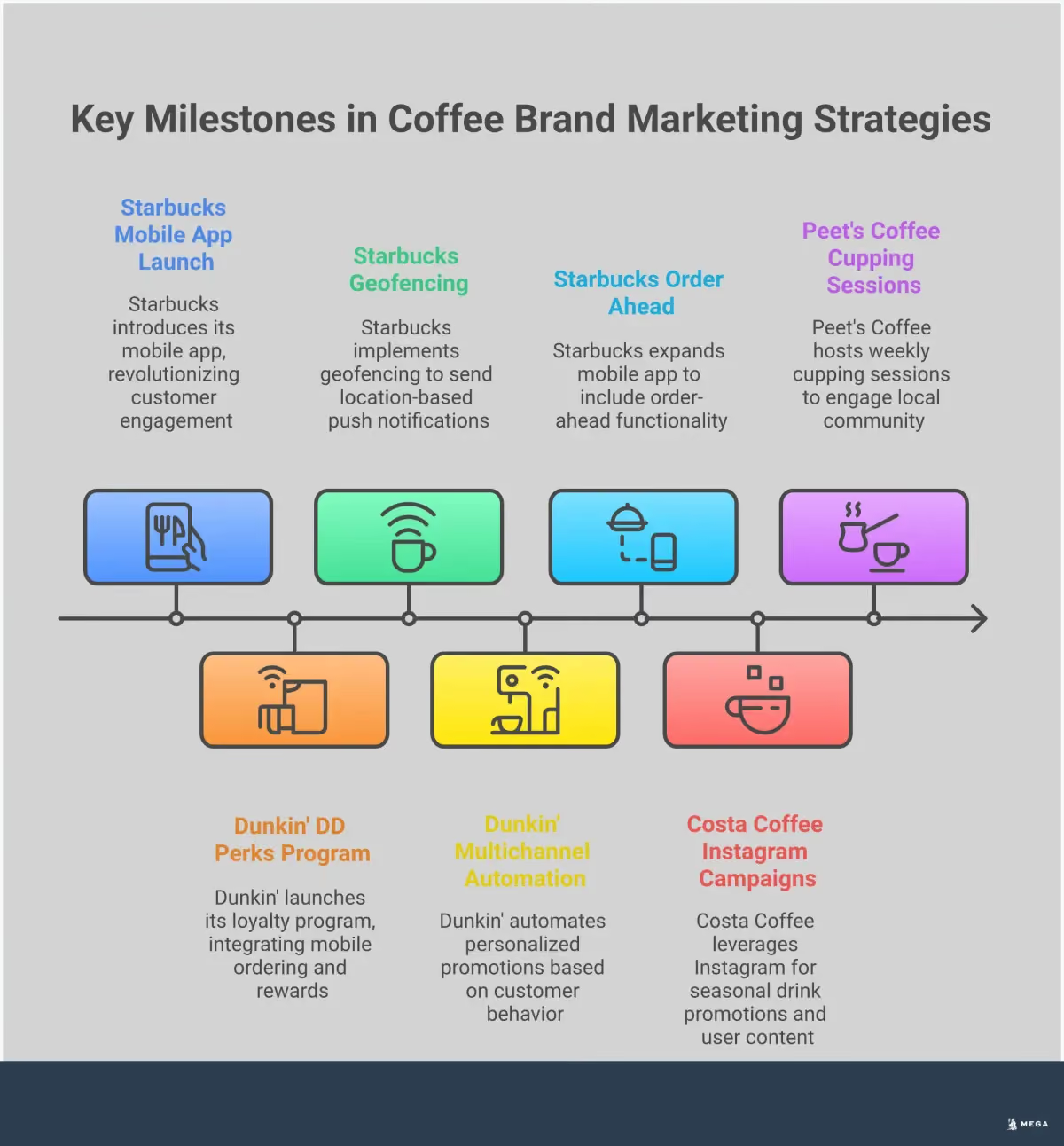
Using AI and Data for Personalization
Top coffee brands know that a one-size-fits-all message no longer works. They use data from loyalty programs, mobile apps, and purchase histories to understand individual customer preferences. Dunkin’, for example, uses a multichannel marketing mix to send personalized offers that encourage customers to try new products or visit more frequently. This approach makes customers feel seen and valued, turning a simple coffee run into a personalized experience. By analyzing purchasing patterns, brands can predict what a customer might like next and tailor their promotions accordingly, which builds loyalty and increases the average order value.
Engaging Customers on Social Media
Social media is where coffee brands bring their personality to life. It’s more than just posting pictures of lattes; it’s about creating a community. Brands like Starbucks and Dunkin’ use platforms like Instagram and TikTok to run contests, share user-generated content, and interact directly with their followers. This two-way conversation builds a strong, authentic relationship. Managing online reviews is another critical piece of the puzzle. Actively responding to feedback, both positive and negative, shows that the brand is listening and cares about the customer experience. This helps enhance customer trust and provides valuable insights for improving service.
Aligning the Brand with the Right Audience
Every successful marketing strategy starts with a deep understanding of the target audience. Starbucks, for instance, targets a tech-savvy demographic that values quality, ambiance, and convenience, which is reflected in their premium pricing, modern store designs, and robust mobile app. This sharp focus ensures that every decision—from menu development to advertising campaigns—resonates with the people they want to reach. For any coffee shop, identifying the ideal customer is the first step toward building a brand that sticks. It informs what products to offer, what messages to share, and how to create an experience that turns first-time visitors into regulars.
Which Coffee Brand Offers the Best Value?
When it comes to value, the lowest price doesn't always win. Value is the sweet spot where price, quality, and customer experience meet. For coffee brands, this means understanding what their target audience truly wants and delivering it consistently. The debate often comes down to two titans: Starbucks and Dunkin', each with a distinct approach to what "value" means.
Starbucks has built its empire on the idea of value as an experience. You're not just buying a latte; you're paying for a comfortable chair, free Wi-Fi, and a reliable "third place" between home and work. The brand's consistent ambiance and focus on a premium social atmosphere are key factors influencing Starbucks' market position. While the price is higher, millions of customers find value in the consistency and quality they associate with the Starbucks name. It’s a calculated strategy that positions the brand as an affordable luxury.
On the other hand, Dunkin' defines value through speed, accessibility, and a friendly, no-fuss attitude. Their marketing strategy prioritizes convenience, offering a diverse menu that goes beyond coffee to capture a wider audience. By focusing on an approachable brand position and efficient mobile ordering, Dunkin' delivers value to customers who need a quick, reliable, and affordable option to fuel their day. Their success shows that a clearly defined value proposition, communicated effectively, builds a loyal following.
Ultimately, the "best value" depends entirely on the customer. Starbucks provides value through a premium, experiential model, while Dunkin' delivers value through convenience and affordability. The key takeaway for any business is that value is in the eye of the consumer. Defining what your brand offers and communicating it clearly is what ultimately determines your worth in the market.
What Small Coffee Shops Can Learn from the Top Brands
You don’t need a global footprint to build a beloved coffee brand. While the marketing budgets of Starbucks or Dunkin' are out of reach for most small businesses, their core strategies are not. The world’s top coffee brands have mastered a few key areas: building customer loyalty, creating a memorable experience, and using technology to connect with their audience. These are principles any local coffee shop can adapt to fit their own community and budget.
By looking at what makes these giants successful, you can find inspiration for your own marketing. It’s not about copying them directly, but about understanding the psychology behind their success. They know that customers want to feel valued, enjoy a welcoming atmosphere, and have convenient ways to order and pay. Focusing on these fundamentals can help you build a strong local following and turn first-time visitors into regulars who choose your shop over the big chains every time. The following strategies are a great place to start.
Create a Loyalty Program That Works
Big brands know that retaining a customer is more cost-effective than acquiring a new one. Dunkin’s DD Perks program is a perfect example, rewarding members with points for every dollar spent to incentivize repeat visits. This approach fosters a sense of community and makes customers feel appreciated for their business.
For a small coffee shop, a loyalty program doesn’t have to be a complex app. It can be as simple as a physical punch card—buy nine coffees, get the tenth free. Or you can use a simple digital system that tracks purchases via a phone number. The goal is the same: to give your regulars a tangible reason to keep coming back.
Design a Memorable Customer Experience
People visit coffee shops for more than just caffeine. As Starbucks proved, creating a distinct ambiance and a social atmosphere makes customers want to stay. The experience you offer is a huge part of your brand. Coffee market trends show that customers are looking for an environment that feels welcoming and unique.
You can cultivate this by focusing on details. Greet customers by name, create a comfortable seating area, play good music, and feature art from local artists. A clean space, friendly staff, and consistent quality are the building blocks of a great customer experience. These elements build an emotional connection with your customers, making your shop their preferred "third place" between home and work.
Use Digital Marketing and Automation
The top brands use digital tools to make life easier for their customers and to stay top-of-mind. Dunkin’s marketing strategy leans heavily on mobile ordering and customer engagement through its app. You can apply the same principles on a local scale. Having a strong online presence ensures that when someone searches for "coffee near me," your shop appears.
Managing your online reviews and maintaining an active social media profile are great starting points. You can also use tools to automate your SEO, helping you attract new customers without spending hours on marketing tasks. Simple automations, like scheduling social media posts or sending a monthly email newsletter, can save you valuable time while keeping your audience engaged.
Find Your Perfect Coffee Match
With so many options, the "best" coffee brand really comes down to your personal priorities. The top chains have built loyal followings by understanding exactly what their customers want, whether it's a quick caffeine fix or a place to settle in and work. Thinking about what matters most in your daily coffee run can help you find the brand that’s the right fit for you.
If you value a comfortable environment and a consistent experience, Starbucks is your likely destination. The brand has perfected the "third place" concept, creating a reliable space between home and the office. Its success is built on more than just coffee; it’s the combination of quality drinks, a welcoming ambiance, and a social atmosphere that keeps customers coming back. It’s the ideal choice for meetings, study sessions, or simply a moment of calm.
For those who prioritize speed and value, Dunkin' is the clear winner. The brand’s entire model is designed for efficiency, catering to busy commuters who need a dependable product without the wait. Dunkin’s marketing strategy emphasizes convenience and accessibility through its vast network of stores, straightforward mobile app, and focus on quick service. It’s for the person who sees coffee as the fuel that gets their day started right.
If you’re a coffee purist who appreciates the craft behind the cup, Peet’s Coffee is probably more your style. With a deep focus on sourcing high-quality beans and expert roasting techniques, Peet’s appeals to customers who want a premium coffee experience. Similarly, Costa Coffee offers a taste of European café culture with a strong commitment to sustainability. These brands cater to a growing segment of consumer-driven trends toward specialty and ethically sourced products.