
Building a successful blog is a marathon, not a sprint. While quick monetization tactics might offer short-term gains, they often don't lay the groundwork for lasting success or align with a mission-driven approach. If you're looking to create an income stream from your blog that endures and grows with you, focusing on sustainable blog monetization is key. This approach prioritizes building genuine connections with your audience, offering consistent value, and choosing revenue methods that feel authentic to your brand. This article will delve into the actionable steps you can take to establish a monetization model that supports your blog for the long haul.
Key Takeaways
- Choose Aligned Monetization: Pick revenue methods, like ethical partnerships or your own digital offerings, that genuinely fit your blog's mission and build lasting reader trust.
- Create Resonant Content and Expand Its Reach: Focus on producing high-quality articles your audience loves, and use smart SEO practices so more people can discover your work.
- Continuously Refine and Nurture Your Community: Regularly review your performance, adjust your strategies based on what you learn, and actively build relationships with your readers for ongoing success.
What is Sustainable Blog Monetization?
Sustainable blog monetization is all about earning an income from your blog in a way that feels right for you and sets you up for long-term financial stability. It’s not just about making a quick buck; it’s about building a reliable income stream that aligns with your personal values and the core message of your blog. This approach really champions the creation of high-quality content that genuinely connects with your audience. When you focus on providing real value, you build trust, which is the bedrock of any lasting monetization effort.
The main idea here is to create a solid foundation where your amazing content works hand-in-hand with smart, ethical ways to make money. Think of it as finding that sweet spot between your financial aspirations and your commitment to your readers and your principles. This means choosing monetization methods—like affiliate marketing, selling your own digital products, or offering exclusive content through memberships—that don’t compromise your integrity or make your audience feel like they’re just a number. Diversifying how you earn is also a big piece of the puzzle. By not putting all your eggs in one basket, you create more stability and can grow your blog’s income steadily over time, all while staying true to what your blog stands for. And, of course, keeping an eye on what’s working by tracking key metrics helps you refine your strategies and ensure your blog remains both profitable and purposeful.
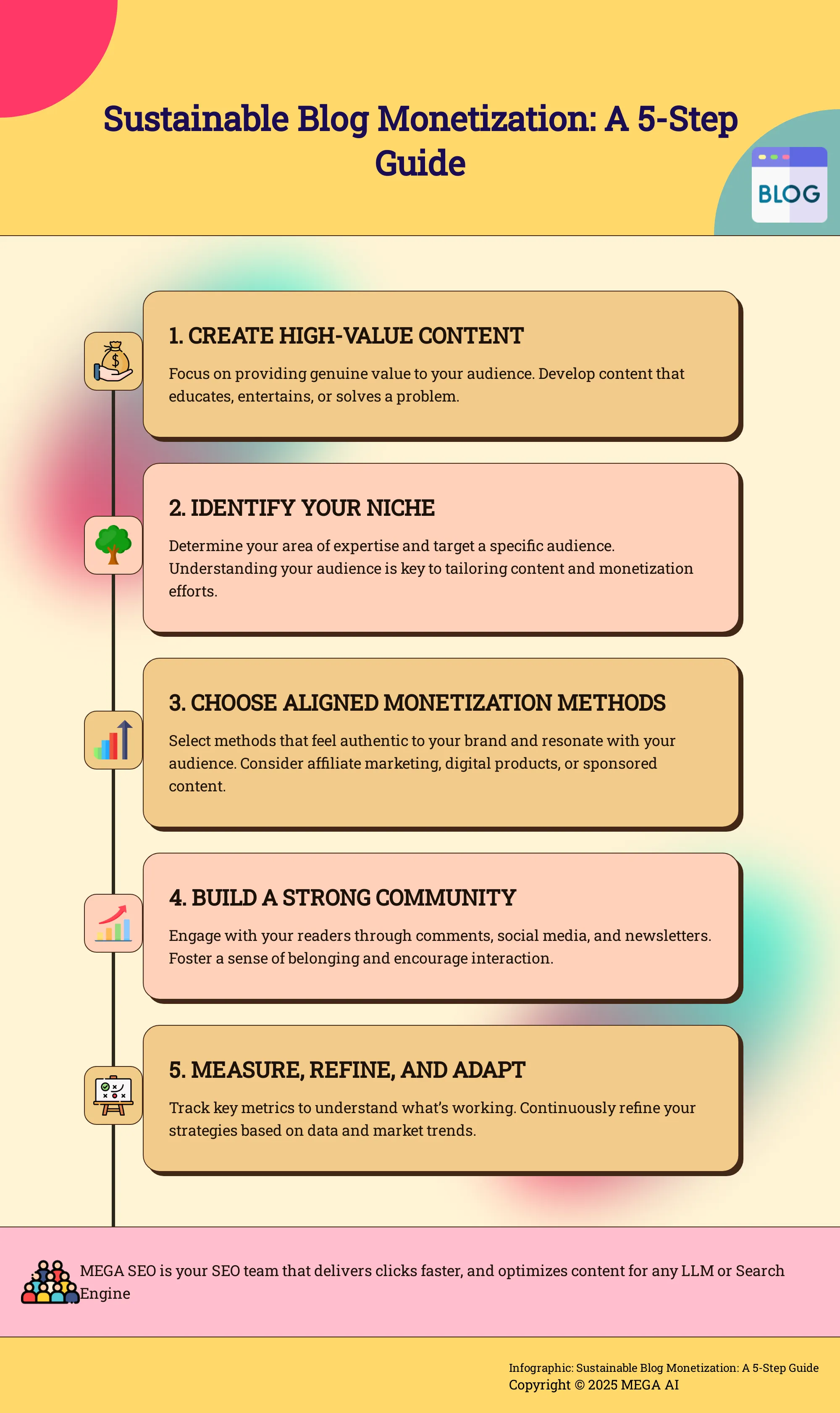
Why Sustainable Blog Monetization Matters
When we talk about monetizing your blog, especially one with an eco-conscious focus, it's about more than just earning an income. Sustainable blog monetization means building a revenue stream that not only supports you financially but also aligns with your core values and can stand the test of time. It’s about creating a business model that you can feel good about, one that doesn’t compromise your principles for profit. This approach requires a thoughtful balance between your financial aspirations and your environmental ethics, ensuring your work remains authentic and impactful.
Focusing on sustainability in your monetization strategy is crucial for long-term growth and achieving genuine financial independence. Quick wins might be tempting, but a sustainable approach involves diversifying your income and building a resilient foundation. This isn't just about making money now; it's about creating a reliable income that supports your work and passion for years to come. The digital publishing world is always changing, and publishers often face obstacles in monetizing content effectively. A sustainable model helps you weather these shifts.
Ultimately, sustainable monetization is deeply connected to building a loyal audience. When your readers trust you and see that your monetization methods are consistent with your message, they are more likely to support you. This journey takes time and consistent effort; it’s not an overnight success story. By prioritizing ethical practices and genuine connection, you cultivate a readership that values your content and is more receptive to the ways you choose to monetize, leading to more meaningful and lasting financial success.
Monetize Your Eco-Conscious Blog Effectively
Turning your passion for sustainability, or any niche interest, into a source of income is entirely achievable. The key is to choose monetization methods that align with your core values and genuinely resonate with your audience. When you approach monetization thoughtfully, you can build a profitable blog without compromising your principles. This means carefully selecting partners, creating valuable offerings, and always maintaining transparency with your readers. It’s about finding that sweet spot where your content’s purpose and your revenue goals support each other.
Many bloggers, especially those in specialized fields like eco-conscious living, find that their audience values authenticity above all. Therefore, any attempt to generate revenue must feel natural and add value, not detract from the core message. There are several avenues you can explore. From partnering with like-minded brands to sharing your expertise through digital products or services, each method offers unique opportunities. The most successful strategies are often those that deeply understand reader needs and preferences—insights that can be sharpened by understanding your blog's traffic and engagement patterns. Let's look at some effective strategies that allow you to profit while maintaining your blog's integrity and purpose. By implementing these thoughtfully, you can create a sustainable income stream that supports your work and your mission.
Form Ethical Affiliate Partnerships
One popular way to monetize is through affiliate marketing. This involves partnering with brands and earning a commission when your readers purchase their products or services through your unique affiliate link. For an eco-conscious blog, it's crucial to select partners whose products and values genuinely align with sustainability. Your audience trusts your recommendations, so promoting items you truly believe in is paramount. With growing consumer interest in sustainability—research shows many consumers are willing to spend more for eco-friendly products—there's a strong market for ethical affiliate promotions.
To get started, identify brands that fit your niche and values. You can reach out to them directly to inquire about affiliate programs or search established affiliate networks for suitable partners. Always disclose your affiliate relationships to your audience; this transparency is key to maintaining the trust you've worked hard to build.
Create and Sell Digital Products
Leveraging your expertise to create and sell digital products is another excellent monetization strategy. Think about what your audience finds most valuable and what problems you can help them solve. This could take the form of e-books, comprehensive guides, online courses, or workshops focused on sustainable living, zero-waste practices, or eco-friendly DIY projects. For instance, an e-book on a "Beginner’s Guide to Urban Composting" or an online course on "Sustainable Home Swaps" can be both profitable and incredibly helpful to your readers.
These products not only generate income but also position you as an authority in your niche. Platforms like Gumroad or Teachable can make it easy to sell digital products directly to your audience. The initial time investment in creating high-quality products can lead to a consistent revenue stream, offering a scalable way to share your knowledge.
Secure Sustainable Sponsored Content
Collaborating with brands for sponsored content, such as blog posts or social media features, can be a lucrative option. The key here is authenticity. Only partner with brands that genuinely reflect your blog's eco-conscious ethos and whose products or services you would personally use and recommend. Transparency is vital; always clearly disclose sponsored content to your readers. Your audience values your honest opinion, so authentic reviews that highlight how a product solves a problem or fits into a sustainable lifestyle will resonate more effectively.
When pitching to brands or when they approach you, ensure the partnership feels like a natural fit. Focus on creating content that provides genuine value to your audience, rather than just promoting a product. This approach helps maintain trust and credibility, ensuring your sponsored posts are well-received.
Offer Consulting or Coaching
If you've built considerable expertise in a specific area of sustainability, offering consulting or coaching services can be a great way to diversify your income. Businesses are increasingly looking for guidance on how to implement sustainable practices, and individuals often seek personalized advice on their eco-journey. You could offer services like sustainability audits for small businesses, coaching sessions for individuals looking to adopt a zero-waste lifestyle, or even freelance writing services for green companies. Consider what unique skills or knowledge you possess that others would pay for.
This not only provides a direct income stream but also reinforces your authority in the field. Start by defining your specific services and target clientele. You can promote your services through your blog, perhaps on a dedicated services page, and by leveraging your professional network. Clearly outlining your offerings and the value you provide will attract the right clients.
Create High-Quality, Resonant Content
At the heart of any successful blog, especially one aiming for sustainable monetization, is content that truly connects with readers. It’s not just about filling pages; it’s about providing genuine value that keeps your audience coming back and builds a foundation for ethical income streams. When your content resonates, it naturally supports your monetization efforts, whether through ethical affiliate partnerships, your own digital products, or carefully chosen sponsored posts. Creating content that people genuinely want to read and share is fundamental. This means going beyond surface-level information to offer real insights, practical solutions, and a unique voice that reflects your blog's purpose. Think of your content as the core of your relationship with your audience; it's how you build trust and establish authority in your niche. For businesses, especially startups and small enterprises, high-quality content can significantly improve their online visibility and attract potential customers without a massive advertising budget. This approach not only draws in organic traffic but also nurtures leads by demonstrating expertise and providing solutions. Ultimately, content that serves your audience well is the most sustainable way to build a blog that can also support itself financially. The following steps will guide you in crafting content that not only engages but also effectively supports your sustainable monetization goals.
Know Your Target Audience
Understanding who you're writing for is the first step to creating content that hits the mark. As Blog Tyrant notes, "Understanding your audience is crucial for creating content that resonates." When you have a clear picture of your ideal reader—their interests, challenges, and what they're searching for—you can tailor your topics and tone to genuinely serve them. This insight makes it easier to brainstorm blog post ideas and campaigns that feel relevant and helpful.
To get to know your audience better, pay attention to comments, engage in social media conversations, and consider simple surveys. You can also analyze search trends and keyword data to understand the questions they're asking search engines. This knowledge allows you to create content that not only attracts readers but also builds a loyal community around your sustainable message.
Develop Your Content Strategy
Once you know your audience, a well-thought-out content strategy acts as your roadmap. Magnet4Blogging highlights that "A well-planned strategy, including content creation and marketing, is essential." This plan guides what you create, when you publish, and how your content works together to achieve your blog's goals, including sustainable monetization. A good strategy often includes defining core content pillars—the main themes your blog will cover—and outlining the types of posts you'll create, from in-depth guides to quick tips or case studies focused on sustainability.
Your strategy should also consider a realistic publishing schedule you can maintain. Tools that help with content generation can be a valuable part of executing your strategy, allowing you to consistently produce fresh material. Remember, a clear strategy ensures your efforts are focused and your content effectively supports your blog's mission and monetization objectives.
Write Engaging, Informative Posts
Consistently creating high-quality, valuable content is essential for attracting readers, keeping them engaged, and performing well in search results. As WPX points out, "Creating high-quality, valuable content consistently is vital for attracting and engaging readers and ranking well in search results." An engaging post typically offers fresh insights, practical advice, or a unique perspective on topics your audience cares about. Focus on clarity and readability, breaking up long blocks of text and using straightforward language.
Think about the journey you want to take your reader on. Does your post answer their questions thoroughly? Does it inspire them or provide actionable steps? Regularly updating existing articles can also keep your content fresh and ensure it continues to provide value, which is key for long-term engagement. Storytelling can also be a powerful tool, especially when discussing sustainability, as it helps create an emotional connection.
Add Multimedia Elements
Words are powerful, but incorporating multimedia can make your content even more appealing and easier to digest. HubSpot Blog suggests, "Incorporating multimedia elements like images, videos, and infographics can enhance user engagement and make your content more appealing." Elements like images, videos, infographics, and even audio clips can break up text, illustrate complex points, and cater to different learning preferences. For a blog focused on sustainability, visuals can be particularly impactful—think photos of eco-friendly products in action or videos demonstrating sustainable practices.
When adding multimedia, ensure it’s relevant and enhances your message rather than distracting from it. Optimize images for web to maintain good site speed, and provide alt text for accessibility. While tools can help remix content for different platforms, the core principle is to choose multimedia that genuinely adds value and improves the user experience on your blog.
Optimize Your Sustainable Blog for SEO
Creating impactful content about sustainability is a wonderful achievement, but ensuring that content reaches the people who need it most is just as important. This is where search engine optimization (SEO) becomes your ally. SEO is essentially the process of making your blog more visible and attractive to search engines like Google. When individuals search for information on sustainable living, eco-friendly products, or ethical practices, you want your thoughtful blog posts to be among the top results. This organic traffic isn't just about numbers; it represents genuinely interested readers connecting with your message and potentially adopting more sustainable habits.
Optimizing your sustainable blog for SEO touches on several areas, from understanding the language your audience uses to ensuring your website is a pleasure to use. While some aspects might seem technical at first glance, the core principles are quite accessible. For bloggers passionate about sustainability, effective SEO means your valuable insights don't get lost in the vastness of the internet. Instead, you can strategically position your content to educate, inspire, and drive change. By focusing on these foundational SEO practices, you can greatly expand your blog's reach and amplify its positive impact. Tools like MEGA AI's SEO solutions can streamline many of these optimization tasks, freeing you up to concentrate on crafting compelling, purpose-driven content that resonates with your audience and supports your mission.
Research and Use Keywords
Effective SEO is vital for organic traffic, and keyword research is a key component of that. Before you begin writing a new post, take a moment to consider the specific words and phrases your ideal reader might type into a search engine. These are your keywords, and they are the bridge between your content and your audience. For a blog centered on sustainability, keywords could range from "beginner's guide to composting" to "sustainable fashion on a budget" or "reducing plastic waste at home."
Understanding these search terms allows you to tailor your content to directly address what your readers are looking for. You can discover relevant keywords through various online tools or by simply brainstorming from your audience's perspective. What challenges are they facing. What sustainable solutions are they seeking. Once identified, weave these keywords naturally into your titles, headings, and the main body of your content to help search engines and readers quickly understand its relevance.
Apply On-Page SEO
Optimizing your content for search engines to attract organic traffic is crucial, forming the core of on-page SEO. This involves practices you apply directly to your website and individual blog posts to help search engines clearly understand your content's subject matter. This naturally includes strategically using your researched keywords. Aim to include your primary keyword in your blog post title, within at least one subheading (like an H2 or H3), and ensure it flows naturally throughout your text.
Beyond keyword placement, on-page SEO also means crafting compelling meta descriptions—those brief summaries beneath your title in search results—to entice clicks. Using descriptive alt text for images is important for accessibility and gives search engines context. Well-structured posts with clear headings and concise paragraphs improve readability for users and search engine crawlers. Many content creation platforms can help structure articles with these SEO best practices from the start.
Build Quality Backlinks
Building backlinks, which means having other websites link to your blog, is another important aspect of a strong SEO strategy. When reputable and relevant websites link to your content, it acts as an endorsement, signaling to search engines that your blog is a credible and authoritative source on sustainability topics. Think of each quality backlink as a vote of confidence that can improve your blog's search engine ranking and bring in more referral traffic from interested readers.
For sustainable blogs, earning these valuable backlinks can happen in several ways. You might consider writing guest posts for other respected sustainability or lifestyle blogs, collaborating with eco-friendly brands or non-profit organizations, or creating truly unique, high-value content—like comprehensive guides or original research—that other sites will naturally want to reference and share with their audience. The focus should always be on the quality and relevance of the linking sites, rather than just the sheer number of links.
Improve Site Speed & User Experience
A well-designed, user-friendly website is crucial for retaining visitors and also significantly influences your SEO. If your blog loads slowly or is difficult to use, visitors are more likely to leave quickly—an action known as bouncing—which can negatively affect your search rankings. Search engines aim to provide users with the best possible results, and that includes a positive on-site experience, where site speed is a key factor.
To improve your site's speed, consider optimizing images to reduce their file size (without losing quality), choosing a reliable web hosting provider, and minimizing the use of heavy plugins or scripts that can slow things down. Ensuring your blog has a clean layout, easy-to-read fonts, and clear navigation also contributes to a better user experience. A mobile-friendly design is essential, as a large portion of your audience will likely access your blog from their smartphones. These technical SEO elements help keep readers engaged and show search engines your site is a quality resource.
Measure and Refine Your Monetization
Once you've set up your monetization strategies, the work doesn’t stop there. To build a truly sustainable and profitable blog, you need to consistently measure what’s working, what’s not, and be ready to adjust your approach. Think of it as tending to a garden; regular attention and tweaks help it flourish, ensuring it grows strong and healthy for the long term. This ongoing process of measuring and refining is absolutely central to maximizing your earnings while staying true to your blog's core purpose and values. It’s about moving beyond guesswork and making data-driven decisions that genuinely improve your results and ensure your income streams are as resilient as your commitment to sustainability. By systematically evaluating your performance, you can identify opportunities for growth, understand your audience on a deeper level, and ensure your monetization efforts are both effective and aligned with your principles. This proactive stance not only helps in financial terms but also reinforces the integrity of your blog. This section will guide you through the practical steps of tracking key metrics, leveraging analytics tools, implementing A/B testing for optimization, and adapting your strategies based on solid data, all to help your eco-conscious blog thrive financially and purposefully.
Track Key Monetization Metrics
To understand how your monetization efforts are performing, you need to keep an eye on specific numbers. These key performance indicators (KPIs) offer a clear picture of your financial health and highlight areas for improvement. Focus on metrics like your blog's overall revenue, revenue per mille (RPM) for ads, conversion rates for your affiliate links or digital products, and click-through rates (CTR) on calls to action. For instance, a low conversion rate on an affiliate product might signal a mismatch with your audience or an ineffective promotion. By keeping a keen eye on these indicators, you can gain valuable insights into your blog's performance and make informed decisions that will drive your financial success. Regularly reviewing these metrics helps you understand what resonates with your readers and what strategies yield the best returns, allowing for timely adjustments.
Use Analytics Tools Effectively
Understanding your audience is fundamental to effective monetization, and analytics tools are your best friends here. Platforms like Google Analytics provide a wealth of information about who your readers are, how they find your blog, and how they interact with your content. Pay attention to metrics such as page views, bounce rate, average session duration, and traffic sources. This data helps you see which posts are most popular, what topics engage your readers the most, and where your promotional efforts are most effective. When you know who you're creating content for, it's easier to think of relevant blog topic ideas and campaigns that will serve your audience and, consequently, your monetization goals. Use these insights to tailor your content and offers, ensuring they align with your readers' interests and needs.
A/B Test for Optimization
If you want to improve your monetization results, A/B testing, also known as split testing, is a powerful technique. This involves creating two versions of an element—like a headline, a call-to-action button, an ad placement, or even the pricing of a digital product—and showing each version to different segments of your audience to see which one performs better. For example, you could test two different email subject lines for a newsletter promoting a new affiliate product to see which gets more opens. Measuring the success of different approaches can sometimes be tricky, but A/B testing provides concrete data on what truly works. This methodical approach helps you fine-tune your strategies for maximum impact, taking the guesswork out of optimization and leading to better conversion rates and increased revenue over time.
Adapt Strategies with Data
The data you collect from tracking metrics and A/B testing is only valuable if you use it to make changes. Sustainable monetization requires a flexible approach and a willingness to adapt. If certain affiliate products aren't converting, perhaps it's time to find new partners. If a particular type of sponsored content receives negative feedback, reconsider your guidelines. It's important to remember that you can't judge value too early; when you track metrics, you have to put them in context and look for trends over time. Regularly review your data, identify patterns, and don't be afraid to experiment with new monetization methods or adjust existing ones. This iterative process of learning and adapting will help you build a resilient and increasingly profitable blog that continues to serve your audience well.
Balance Profit with Your Principles
When you're passionate about sustainability, the idea of monetizing your blog can sometimes feel like a delicate balancing act. You want to earn an income from your hard work, but not at the expense of the very principles your blog stands for. The good news is that profit and purpose can absolutely go hand-in-hand. In fact, for a sustainable blog, they must. Your audience is drawn to your message because they share your values. If your monetization strategies seem to contradict those values, you risk losing their trust, and ultimately, your readership.
Achieving this balance isn't just about ethical considerations; it's a smart business strategy. A blog that authentically lives its principles builds a much stronger, more engaged community. Readers are more likely to support a creator they believe in, whether that's through purchasing recommended products, enrolling in a course, or simply sharing your content. This creates a sustainable model in every sense of the word – financially viable for you, and true to the environmental and social ethics you promote. It’s about playing the long game, building a reputation for integrity that will serve you far better than any short-term financial gain from a misaligned partnership. This section will guide you through key strategies to ensure your blog monetization efforts genuinely reflect your commitment to sustainability, helping you grow your income while making a positive impact. We'll cover how to maintain authenticity, select partners who share your vision, and use your platform to educate and empower your audience.
Maintain Authenticity & Transparency
Readers interested in sustainability highly value honesty. They can often tell when a blog isn't being genuine. As Konnant highlights, "Success in sustainable blogging requires a balance between financial goals and environmental values. Authenticity and transparency are essential for building trust with an audience interested in sustainability." This means you should be clear about your monetization methods. If you use affiliate links or have sponsored posts, let your audience know. This openness builds respect and strengthens your message. Sharing your own sustainability journey, imperfections included, also helps. People appreciate honesty over perfection. When you are genuine about your efforts and how you earn, you create a stronger reader connection. This trust is key for a blog that aims to be both profitable and impactful. You can discover more about building trust through these open practices.
Choose Value-Aligned Partners
The brands you partner with for affiliate marketing or sponsorships reflect your dedication to sustainability. It's important to "Choose affiliate programs and sponsorships that align with your values and offer high-quality products," as this ensures your monetization supports, not undermines, your principles. Before you collaborate with a brand, research their practices. Do they match your blog's core beliefs? Are their products truly sustainable, or just marketed that way? Your audience relies on your judgment, so any product or service you feature should meet high sustainability and quality standards. This might involve declining some partnerships if they aren't a good fit. Maintaining your integrity is more valuable long-term, as it builds credibility and keeps your audience's trust.
Educate Your Audience on Sustainability
Educating your audience is an impactful way to monetize your blog and uphold your principles. As Konnant suggests, "Creating and selling e-books, guides, online courses, or workshops related to sustainable living can be a profitable way to educate your audience while reinforcing your commitment to sustainability." These digital products let you share deep expertise and offer significant value, establishing you as a knowledgeable voice. Moreover, "Building a strong online presence and establishing credibility are crucial for attracting opportunities that align with your sustainable mission." Consistently offering quality educational content draws a loyal audience and can lead to collaborations like speaking or consulting that fit your values. Educating your audience is a strong method for income generation that also supports sustainability. You can use platforms like Teachable to develop and sell your courses.
Build a Thriving Sustainable Blog Community
Beyond crafting excellent content and using smart monetization tactics, a truly sustainable blog flourishes because of its community. When you gather a dedicated group of readers who connect with your message, they become your supporters, offer valuable feedback, and form a key part of your blog's ecosystem. This community not only aids your monetization efforts but also expands your influence, helping you make a meaningful impact.
Foster Loyal Readership
Cultivating a loyal audience is fundamental for any blog aiming for long-term success. Think of it as tending to a garden; it requires consistent attention and care. Begin by regularly providing high-value content that truly speaks to your ideal reader's interests and concerns. When readers leave comments or ask questions, make an effort to respond thoughtfully. This interaction demonstrates that you value their input and helps to build rapport. Creating a space where readers feel heard and appreciated encourages them to return, share your content, and become invested in your blog's growth.
Engage via Social Media & Newsletters
Your blog serves as your central hub, but social media and newsletters are essential channels for broadening your reach and strengthening connections. Use these platforms to share your latest articles, offer glimpses behind the scenes, and initiate discussions on relevant topics. An email newsletter, for example, allows you to deliver exclusive content or updates directly to your most engaged readers. Consistent, genuine engagement on these channels helps you establish credibility and develop a more robust online presence, which can, in turn, attract more opportunities for your blog.
Collaborate with Sustainable Bloggers
You're not on this journey alone. Partnering with fellow bloggers in your niche can be an effective way to grow your audience and diversify your content. Seek out creators whose values and audience are similar to yours. You could suggest writing guest posts for each other, co-hosting a webinar, or developing a joint resource. These collaborations introduce your blog to new, interested readers and offer fresh insights to your current audience. This approach also broadens your professional network, potentially leading to new avenues for shared growth and opportunities within your field.
Achieve Long-Term Monetization Success
Building a blog that not only shares your passion but also generates income is a rewarding journey. However, achieving long-term monetization success isn't about finding one magic bullet. It's about building a resilient strategy that can weather changes and continue to grow with you. This means looking beyond immediate gains and focusing on sustainable practices that will serve your blog and your audience for years to come. Let's explore a few key pillars to help you build that enduring success.
Diversify Income Streams
Relying on a single source of income for your blog can be a precarious position. Market shifts, algorithm changes, or evolving audience preferences can impact that one stream, potentially affecting your earnings significantly. That's why diversification is a cornerstone of effective blog monetization strategies. Think of it as not putting all your financial eggs into one basket.
By implementing a variety of monetization methods, you create a more stable foundation for your blog's finances. This could include affiliate marketing, selling your own digital products, securing ethical sponsored content, or even offering consulting services based on your expertise. The key is to explore different avenues that align with your blog's niche and resonate with your audience. As experts advise, "Don't rely on just one income stream"; a multifaceted approach helps you achieve sustained growth and greater financial independence.
Commit to Continuous Learning
The digital world is in a constant state of flux, and what works effectively today might not yield the same results tomorrow. To maintain and grow your blog's income, it's important to commit to continuous learning. This involves regularly analyzing your blog's performance and staying informed about industry best practices and emerging trends.
Pay close attention to key metrics to understand what content resonates most with your audience and which monetization efforts are proving most fruitful. As one source aptly puts it, "By keeping a keen eye on these indicators, you can gain valuable insights into your blog's performance and make informed decisions that will drive your financial success." Remember that measuring the success of a blog requires looking beyond raw traffic numbers; you have to put data into context to truly understand engagement and impact. This ongoing education will empower you to refine your strategies effectively.
Adapt to Market Trends
The landscape of digital publishing is constantly evolving, presenting both fresh challenges and exciting opportunities for bloggers. To achieve long-term success with your monetization efforts, your ability to adapt to these market trends is crucial. What's popular now might change, and new platforms or audience expectations can emerge quickly.
Staying flexible allows you to pivot when necessary and explore new avenues for growth. "Bloggers can carve out successful niches, build communities, and establish sustainable monetization strategies" by remaining aware and responsive to these shifts. This might mean experimenting with new content formats, exploring different social media platforms, or even re-optimizing your existing content. For instance, tools that help update content automatically can be invaluable in keeping your material relevant and optimized across various search engines or even for AI-driven discovery platforms.
Related Articles
- How to Monetize Your Blog: Affiliate Marketing, Sponsored Posts, and Ad Placements in the Context of Optimizing for Conversion vs. Monetization Goals - MEGA SEO | Blog
- Boost Your Blog's Revenue: SEO for Conversions & Monetization
- Build Trust & Credibility in Affiliate Marketing: The Ultimate Guide
- Repurpose Video Into Blog Posts With These Smart Tools
- Essential Blog Setup Dos & Don'ts for SEO Success
Frequently Asked Questions
What's the first step I should take if I want to monetize my blog in a sustainable way? Before you even think about specific monetization methods, really focus on creating high-quality content that genuinely serves your audience. Understanding who your readers are and what they value is foundational. Once you have that, you can begin to explore one or two monetization avenues that feel like a natural extension of your content and your principles, rather than trying to do everything at once.
How can I be sure a potential affiliate partner or sponsor truly aligns with my blog's values? This requires a bit of detective work on your part. Start by thoroughly researching the brand's practices, their mission, and any public information about their operations or sourcing. Look for transparency on their end. Don't hesitate to ask them direct questions about their values or sustainability efforts. Ultimately, trust your intuition; if a partnership doesn't feel right or authentic to your message, it's okay to pass.
Is it better to implement several monetization methods at the start, or focus on one or two? It's generally more effective to start with one or two monetization methods that align closely with your content and audience. This allows you to learn the ropes, understand what works for your specific community, and refine your approach without feeling overwhelmed. Once you're comfortable and seeing some success, you can then thoughtfully explore adding other complementary income streams.
My blog has a passionate but relatively small audience. Can I still monetize it effectively and sustainably? Absolutely. A smaller, highly engaged audience can be incredibly valuable. Instead of focusing on methods that require massive traffic numbers, like some forms of display advertising, consider strategies that cater directly to your dedicated readers. This could include creating niche digital products they'd find useful, offering specialized coaching, or partnering with very specific affiliate brands that perfectly match their interests.
How often should I review and potentially adjust my blog's monetization strategy? Think of your monetization strategy as something that evolves with your blog. It's wise to set aside time, perhaps quarterly or bi-annually, to review your analytics. Look at which methods are performing well, which ones aren't, and how your audience is responding. This regular check-in allows you to make informed adjustments, ensuring your approach remains effective and aligned with your goals and your readers' needs.