
Want to know the secrets hidden within search results? SERP scraping unlocks those secrets. It gives you a direct view into what users want and how your competitors deliver. This guide explores the power of using a serp scraper, transforming raw search engine results pages (SERPs) into actionable insights. Whether you're an SEO pro or just starting out, learn how SERP scraping can revolutionize your keyword research and content strategy. We'll cover the basics, explore advanced techniques, discuss ethical scraping, and look at the future of AI-driven SERP analysis.
Key Takeaways
- Understand your audience and competition with SERP data: Analyzing search results reveals what users search for, which sites rank highly, and what content resonates. This knowledge is fundamental for a strong SEO strategy.
- Select SERP scraping tools strategically: Consider features like real-time data, success rates, and integration options when choosing a tool or service. Always prioritize ethical scraping practices and respect search engine guidelines.
- Use SERP insights to drive business growth: Inform your content strategy, improve keyword targeting, and make data-driven product development decisions based on SERP data analysis. Track key metrics to measure the effectiveness of your efforts.
SERP Scraping: What Is It and Why Use It?
Search engine results pages, or SERPs, are the pages you see after entering a search query into Google, Bing, DuckDuckGo, or any other search engine. These pages contain a wealth of information, from organic search results and paid ads to featured snippets and related searches. SERP data encompasses all of this information, and understanding it is crucial for businesses aiming to improve their online visibility. Think of it as a direct line to your target audience—what are they searching for, and what are they finding?
What is a SERP?
Search engine results pages, or SERPs, are the pages you see after entering a search query into Google, Bing, DuckDuckGo, or any other search engine. These pages contain a wealth of information, from organic search results and paid ads to featured snippets and related searches. Understanding the layout of a SERP and the different elements it contains is the first step towards effective SERP analysis. For example, knowing the difference between an organic result and a paid advertisement can help you interpret the competitive landscape for a particular keyword. This knowledge is fundamental for crafting a robust SEO strategy that resonates with your target audience.
What is SERP Scraping?
A SERP scraper, or SERP scraping API, is a tool that automatically extracts data from search engine results pages (SERPs). It can extract data from multiple pages at once, including organic and paid results, keyword suggestions, and links. SERP scraping automates the process of manually collecting this data, saving you time and resources. Imagine manually copying and pasting hundreds of search results—SERP scraping handles this for you, allowing you to focus on analyzing the data and extracting actionable insights. This automation is particularly valuable for businesses and SEO professionals who need to process large volumes of SERP data regularly.
Benefits of Using a SERP Scraper
Using a SERP scraper offers several advantages for businesses and SEO professionals. By automating data collection, you can gain valuable insights into search trends, competitor strategies, and user behavior. This data can inform your SEO strategy, content creation, and overall marketing efforts. Think of SERP scraping as a powerful research tool, providing a comprehensive view of the search landscape and empowering you to make data-driven decisions.
Keyword Research
SERP scraping is invaluable for keyword research. Discover new keywords and phrases to use in your content by analyzing which terms are driving traffic to your competitors. Identify long-tail keywords and niche topics that you might have overlooked. This allows you to refine your content strategy and target the most relevant search terms. Tools like MEGA SEO can automate this process, providing you with a constant stream of relevant keyword ideas.
SEO Analysis
Monitor search trends and rankings, and refine your content and advertising strategies with the data gathered from SERP scraping. Track your website's performance for specific keywords and identify areas for improvement. By understanding how your site ranks compared to your competitors, you can make data-driven decisions to optimize your content and improve your visibility. MEGA SEO offers tools to automate this analysis, providing you with actionable insights to enhance your SEO performance. This continuous monitoring and optimization are essential for maintaining a strong online presence and achieving your business goals.
Competitor Research
Track what your competitors are doing with SERP scraping. Analyze their top-performing keywords, content strategies, and backlink profiles. This information can help you identify opportunities to outperform them and gain a competitive edge. Understanding your competition is crucial for developing a winning SEO strategy, and SERP scraping provides the data you need to stay ahead. By analyzing their tactics, you can identify gaps in the market and develop strategies to capitalize on them.
Market Research
Explore new markets and gather data on consumer preferences with SERP scraping. By analyzing search trends and related searches, you can gain insights into what consumers are looking for and tailor your products and services accordingly. This data can inform your product development, marketing campaigns, and overall business strategy. Book a demo with MEGA SEO to see how our platform can help you leverage SERP data for market research and business growth. Understanding consumer behavior is key to developing successful products and marketing campaigns, and SERP scraping provides a valuable window into this behavior.
What Is SERP Data and How Can It Help You?
SERP data provides valuable insights into user search behavior and the competitive landscape. It reveals which keywords are driving traffic, which websites are ranking for those keywords, and what type of content resonates with searchers. This information is essential for developing effective SEO strategies, creating targeted content, and understanding your audience’s needs. By analyzing SERP data, you can identify opportunities to improve your website’s ranking, attract more organic traffic, and ultimately, grow your business. Want to know what questions your customers are asking? SERP data has the answers.
Unlock Business Insights with SERP Data
SERP scraping is the automated process of collecting and analyzing this valuable SERP data. Specialized tools, called SERP scrapers, extract data from search engine results pages, giving businesses a deeper understanding of their online presence and their competitors. By using SERP scrapers, businesses can see where they and their competitors rank for relevant keywords, identify content gaps, and make data-driven improvements to their SEO and content strategies. This offers several key advantages:
- Competitive Analysis: Learn what your competitors are doing well and where they’re missing the mark. Identify their top-performing keywords and analyze their content strategies to find opportunities to outperform them.
- Keyword Research: Discover new keyword opportunities and refine your existing keyword targeting. Understanding high-performing keywords can help you expand your reach and attract a larger audience.
- Content Optimization: Identify content gaps and create targeted content that resonates with your audience. By analyzing the content that ranks well for specific keywords, you can create content designed to attract organic traffic.
- Performance Tracking: Monitor your website’s ranking over time and track the impact of your SEO efforts. This helps you measure the effectiveness of your strategies and make adjustments as needed.
- Market Understanding: Gain a deeper understanding of your target market and their search behavior. This knowledge can inform your overall marketing strategy and help you create more effective campaigns. SERP scraping tools retrieve structured data for analysis, revealing critical information about keyword rankings, featured content, and competitors. This data can inform product development, marketing campaigns, and overall business strategy.
Best SERP Scraping Tools and Services
Finding the right SERP scraping tools and services is key for a solid SEO strategy. This section explores some popular options and key features to consider.
Top SERP Scraping Tools and Services to Consider
Several providers offer robust SERP scraping solutions, each with its own strengths:
SerpApi
SerpApi excels at extracting data from search engine results pages, giving you access to live data so you can base your decisions on current insights. This focus on real-time data makes SerpApi a valuable tool for staying on top of market trends. Learn more about how SERP APIs can change search engine data analysis with this SerpApi resource.
ScraperAPI
If you’re looking for a user-friendly option, ScraperAPI simplifies collecting data from SERPs without needing complex coding. Its streamlined features provide valuable insights, making it accessible to both seasoned SEO professionals and those new to SERP scraping. ScraperAPI offers a range of solutions for efficient SERP data collection.
Oxylabs
Oxylabs offers a cost-effective solution for public web scraping, with its SERP Scraper API starting at a competitive price. It has a high success rate in gathering organic and paid search results. Check out the Oxylabs SERP Scraper API for details and a free trial.
Bright Data
Speed is critical in SERP scraping, and Bright Data delivers with an impressive API response time. This makes it a top choice for time-sensitive projects where quick access to data is essential. For a comparison of various SERP APIs, including Bright Data, see this resource on the best Google SERP APIs.
Apify
Apify stands out with its comprehensive platform for web scraping, including SERP data extraction. Its focus on ease of use and integration makes it a versatile option for various scraping needs. Explore Apify’s features and guide for a deeper understanding of its capabilities.
Smartproxy
Smartproxy offers a SERP Scraper API designed for real-time data extraction from search engine results pages (SERPs). Built for speed and reliability, it lets users bypass the complexities of building their own scraping infrastructure. Key features include real-time data access, geo-location targeting with rotating proxies, ready-made scrapers, and high success rates in overcoming anti-bot protection.
NetNut
NetNut provides a Google SERP Scraper API that automates real-time data extraction from search engine results pages. This tool is particularly useful for SEO analysis and market research. Recognized as G2's #1 Web Data Provider, NetNut offers structured data in formats like JSON or HTML. The pay-per-successful-request pricing model makes it a cost-effective solution for businesses seeking to improve their SEO strategies.
MEGA SEO
MEGA SEO provides a suite of SEO tools, including SERP scraping functionalities. These tools help users track keyword rankings, analyze competitor performance, and gain a competitive edge. Learn more about SERP analysis with this MEGA SEO resource. You can also explore MEGA SEO’s free tools to get started.
Must-Have SERP Scraping Tool Features
When choosing a SERP scraping tool, consider these essential features:
- Real-Time Data Access: Accessing live SERP data is crucial for making informed decisions based on current market conditions.
- High Success Rates: Look for tools with proven high success rates in retrieving data, minimizing errors and ensuring reliable insights.
- Comprehensive Data Collection: A good tool should collect a wide range of data points, including organic results, paid ads, featured snippets, and other SERP elements.
- Easy Integration: Seamless integration with your existing workflows and other SEO tools can streamline your processes and maximize efficiency. Consider tools that offer APIs or other integration options. Learn more about using a SERP scraper to stay competitive with this helpful guide.
SERP Scraping Tool Pricing: How Much Does It Cost?
Pricing for SERP scraping tools varies depending on the provider and features. Some tools use a pay-per-result model, while others offer monthly subscriptions based on usage. Evaluate your needs and budget to find the best fit. Oxylabs offers a pay-per-result model, providing a flexible option. You can also book a demo with MEGA SEO to discuss customized pricing.
Product Research and Comparison with SERP Scraping
SERP scraping is a powerful tool for gathering product information and understanding the competitive landscape. By extracting data from search engine results pages, you can gain valuable insights into customer preferences, pricing strategies, and market trends. This knowledge helps you make informed decisions about product development, marketing, and sales. Let’s explore how SERP scraping can be used for product research.
Extract Key Product Details from SERPs
Scraping SERPs allows you to collect a wealth of information about products, including product titles, descriptions, features, images, and prices. This data is essential for understanding how your products compare to the competition. You can identify key differentiators, areas for improvement, and opportunities to enhance your product offerings. For example, if competing products consistently highlight a feature that you don’t offer, you might consider adding it to your product roadmap. SERP scraping tools often target metrics like keyword rankings and top search results, giving you a clear picture of how products are positioned in the market. This guide explains search engine scraping in more detail.
Analyze Customer Reviews and Ratings on SERPs
Customer reviews and ratings are a goldmine of information for product research. SERP scraping lets you collect this data from various sources, including product pages and review sites. By analyzing customer sentiment, you can identify areas where your product excels and where it falls short. This feedback is invaluable for improving product design, addressing customer concerns, and enhancing overall customer satisfaction. Content creators can also use this data to identify content gaps and make improvements. This article provides more information on SERP scraping and analysis.
Track Pricing and Promotions with SERP Data
Pricing and promotions play a crucial role in product competitiveness. SERP scraping enables you to monitor the pricing strategies and promotional activities of your competitors. This information helps you make informed decisions about your own pricing and promotions, ensuring that you remain competitive. By tracking pricing trends, you can identify opportunities to adjust your prices, offer discounts, or run promotions to attract customers. This guide offers a comprehensive look at SERP analysis.
Improve Competitive Analysis with SERP Scraping
SERP scraping is a powerful tool for competitive analysis. By tracking your competitors’ keyword rankings, search visibility, and online presence, you can gain a deeper understanding of their strategies and performance. This information helps you identify opportunities to outperform your competitors, improve your own SEO strategies, and gain market share. SERP scraping allows you to collect data from different search engines, providing a comprehensive view of the competitive landscape. This guide offers a complete overview of using SERP scraping for competitive analysis. MEGA SEO offers tools and services to help you with keyword research, content generation, and technical SEO improvements, allowing you to automate and streamline your SEO efforts. You can also book a demo to learn more.
Legal and Ethical SERP Scraping: What to Know
SERP scraping is a powerful tool, but it’s essential to use it responsibly. Legal and ethical considerations should always guide your scraping activities. Ignoring these can lead to penalties, reputational damage, and even legal action. Let’s explore how to approach SERP scraping ethically and legally.
Search Engine Terms of Service for Scraping
Every search engine has its own terms of service that dictate how you can interact with their platform. These terms outline acceptable use and restrictions on data extraction. Before you begin any scraping project, carefully review the terms of service of the search engines you plan to target. Pay close attention to clauses related to automated access, data usage limits, and prohibited activities. Understanding these guidelines is the first step toward responsible SERP scraping. For example, Google’s terms of service explicitly prohibit automated queries that violate their robots.txt.
Ethical SERP Scraping Best Practices
Beyond simply adhering to the stated rules, ethical scraping involves respecting the resources and infrastructure of search engines. Implement these best practices to ensure your scraping activities are ethical:
- Respect robots.txt: The robots.txt file provides directives to web crawlers. Always check and adhere to the robots.txt rules of the websites you’re scraping. This shows respect for website owners’ preferences regarding automated access. This small step can prevent unintended consequences.
- Reasonable crawl rate: Avoid overloading search engine servers by implementing a reasonable crawl rate. Excessive requests can disrupt service and lead to IP blocking. Space out your requests and mimic natural user behavior. Think of it like being a polite guest, not overwhelming your host.
- Data privacy: Be mindful of data privacy regulations, especially when handling personal information. Comply with regulations like GDPR and CCPA to protect user data. Mishandling personal data can have serious legal ramifications.
- Transparency: If possible, be transparent about your scraping activities. Identify yourself as a scraper in your user agent string. This fosters trust and open communication. While not always required, transparency can build positive relationships with search engines. Ethical considerations are crucial for long-term success in SERP scraping.
Mitigate Legal Risks with SERP APIs
One of the most effective ways to mitigate legal risks is to use commercial SERP APIs. These APIs provide a structured and legitimate way to access SERP data, often with built-in safeguards for compliance. Reputable providers like SerpApi handle the complexities of interacting with search engines, allowing you to focus on data analysis. They also manage aspects like IP rotation and request throttling, reducing the risk of IP bans. Using a commercial SERP API demonstrates a commitment to responsible data collection and minimizes potential legal issues. It’s a best practice for anyone serious about SERP scraping. MEGA SEO leverages commercial SERP APIs to ensure ethical and compliant data collection, providing you with reliable data without the legal headaches. Learn more about how MEGA SEO can simplify your SERP scraping efforts.
Building Your Own SERP Scraper vs Using a SERP API
When it comes to SERP scraping, you have two primary options: building your own scraper or using a SERP API. Both have their own set of pros and cons, and choosing the right approach depends on your technical skills, budget, and the scale of your data needs. Let's explore each option.
Building Your Own Scraper
Building a SERP scraper from scratch gives you complete control. You can customize it to extract precisely the data you need and tailor it to specific search engines. However, this approach comes with significant challenges.
Challenges of Building and Maintaining a Scraper
Developing a robust SERP scraper requires advanced programming skills and a deep understanding of how search engines work. You'll need to handle complexities like HTML parsing, IP rotation, and request throttling to avoid getting blocked. Building and maintaining such a system is resource-intensive, requiring ongoing effort to adapt to search engine algorithm updates. Google, in particular, employs sophisticated anti-scraping measures, making consistent data extraction difficult without getting your IP address banned. This constant battle can be frustrating and time-consuming.
Beyond the technical hurdles, maintaining a scraper involves continuous monitoring and adjustments. Search engines frequently update their layouts and algorithms, which can break your scraper and require code revisions. This adds to the development overhead and can disrupt your data collection efforts. You'll also need to manage the infrastructure required to run your scraper, including servers, proxies, and other resources. This can be a significant expense, especially as your data needs grow.
Using a SERP API
A SERP API (Application Programming Interface) offers a simpler and more efficient way to access SERP data. It acts as an intermediary between you and the search engine, handling the technical complexities of data extraction. This allows you to focus on analyzing the data rather than building and maintaining the scraping infrastructure.
Advantages of Using an API
Using a dedicated API, like Oxylabs' SERP Scraper API, offers several advantages. SERP APIs often provide parsed and structured data, saving you the effort of cleaning and formatting raw HTML. They also handle IP rotation and other anti-blocking measures, ensuring high reliability and uptime. Additionally, using a SERP API is often more cost-effective than building and maintaining your own scraper, especially when considering development time and server costs. Many providers offer flexible pricing plans based on your usage. Commercial SERP APIs also provide a legitimate and compliant way to access data, minimizing legal risks.
Another benefit of using a SERP API is the access to advanced features. Some APIs offer functionalities like geotargeting, allowing you to retrieve search results from specific locations. This is invaluable for businesses targeting international markets or conducting location-based SEO research. Furthermore, reputable API providers offer support and documentation, making integrating their services into your workflow easier. This can save you valuable time and resources compared to troubleshooting issues with a custom-built scraper. For businesses and individuals looking for a reliable, scalable, and hassle-free solution, a SERP API is often the best choice.
Using SERP Data for Business Growth
After you’ve collected SERP data, the next step is analysis. This is where you transform raw data into actionable business strategies. Let’s explore how to interpret this data to gain valuable insights and fuel business growth.
Turn SERP Data into Actionable Insights
SERP data reveals a wealth of information about user search behavior and competitor strategies. One of the most valuable uses of SERP data is to see where your business and competitors rank for specific keywords. This analysis helps identify content gaps and opportunities to improve your search visibility. For example, if a competitor consistently outranks you for a high-value keyword, examine their content. What are they doing differently? Do they have a more comprehensive guide or more engaging visuals? Use these insights to improve your own content and target those keywords more effectively. Beyond keyword rankings, look at the types of content appearing on the SERP. Are there a lot of videos or images? This tells you what kind of content Google believes best answers the user’s query. Consider incorporating these content formats into your strategy.
Integrate SERP Data into Your Marketing Strategy
Integrating SERP data into your broader marketing strategies is key for maximizing its impact. A SERP scraper retrieves structured data, revealing critical information about keyword rankings, featured content, and competitors. Use this data to inform your content strategy, create more targeted ad campaigns, and refine your overall SEO approach. For example, if you notice a particular question frequently appears in the “People Also Ask” section of the SERP, create content specifically addressing that question. This not only provides valuable information to your audience but also increases your chances of ranking for related keywords. You can also use SERP data to identify trending topics and adjust your content calendar accordingly.
Improve Product Development with SERP Data
SERP analysis can be a game-changer for product development. By understanding what users are searching for and the types of products already ranking, you can identify unmet needs and opportunities for innovation. SERP analysis provides a competitive advantage by revealing what features users value, what pain points they’re experiencing, and what language they use to describe their needs. This information can inform product design, feature development, and even marketing messaging. For example, if you see a lot of searches related to a specific product feature that you don’t offer, it might be worth considering adding it to your product roadmap.
Elevate Your SEO Strategy with SERP Data
SERP analysis involves closely evaluating the content and features of results pages for specific keywords relevant to your business. This analysis helps you understand what Google considers high-quality, relevant content for a given keyword. Use this knowledge to optimize your existing content and create new content that aligns with user search intent. Based on the data scraped from different search engines, you can develop a solid strategy to improve your online rankings and get more organic traffic. MEGA SEO’s Maintenance Agent can help you automatically update and optimize your content based on the latest SERP data, ensuring your website stays ahead of the curve. Learn more about MEGA SEO. You can also explore our free tools to get started with SERP analysis.
How SERP Scrapers Work
SERP scrapers automate the process of collecting data from search engine results pages (SERPs). They act like a digital research assistant, gathering valuable information about keywords, rankings, and competitors. Let's explore how these tools work behind the scenes.
The Scraping Process
Sending Automated Queries
The process begins with sending automated queries to search engines, much like typing a search term into Google, but on a much larger scale. Instead of manual entry, the SERP scraper automatically sends hundreds or even thousands of queries. These queries are structured to target specific keywords and can be customized to include location, language, and other parameters, ensuring the data collected is highly relevant to your specific needs. This automated approach saves you time and effort, allowing you to focus on analyzing the results.
Retrieving Search Results
Once the queries are sent, the scraper retrieves the search results. This involves fetching the HTML code of the SERP, which contains all the information displayed on the page—organic results, paid ads, featured snippets, and more. SERP scrapers efficiently handle large volumes of data, quickly retrieving results from multiple pages. This raw HTML is then organized into a structured format, making it easier to analyze and extract meaningful insights.
Data Parsing
With the search results retrieved, the scraper parses the data, extracting the key information you need. This might include ranking URLs, page titles, meta descriptions, and other relevant data points. Many SERP scraping tools deliver this extracted data in a structured JSON format, simplifying import into spreadsheets or analysis tools. Some tools even offer customization options using XPath or CSS selectors, giving you greater control over the specific data points you collect. This allows you to tailor the data extraction to your exact requirements.
Handling Anti-Scraping Measures
Search engines use anti-scraping measures like IP blocking and CAPTCHAs to prevent abuse and protect their infrastructure. These measures are designed to identify and block automated bots. Sophisticated SERP scrapers employ techniques like IP rotation, proxy servers, and AI-driven fingerprinting to overcome these challenges. These techniques help the scraper mimic human behavior, avoiding detection and ensuring reliable data retrieval. By staying ahead of anti-scraping measures, these tools provide consistent access to the valuable data you need for your SEO strategies.
Advanced SERP Scraping: Techniques and Challenges
SERP scraping is a powerful tool, but it’s not without its hurdles. This section covers some advanced techniques and common challenges you’ll want to be aware of.
Handling Dynamic Content and JavaScript
Many websites use JavaScript to load content dynamically. This means what you see when you view the page source isn’t what a user sees. Traditional scraping methods might miss this crucial data. To get around this, use techniques like JavaScript rendering. A headless browser can execute JavaScript and render the page fully, allowing you to scrape the complete, dynamically loaded content. This ensures you capture all the information a user would see.
Overcoming Anti-Scraping Measures
Websites often implement anti-scraping measures to protect their data. These can include IP blocking, rate limiting, and CAPTCHAs. Google, for example, is known for its robust anti-scraping efforts. To overcome these challenges, you might use techniques like rotating proxies, implementing delays between requests, and using user agents to mimic real browser behavior. Commercial SERP scraping APIs often handle these complexities, making data extraction smoother.
Scaling Your SERP Scraping Operations
Scraping SERPs at scale presents a unique set of challenges. Large-scale scraping requires robust infrastructure and careful resource management. Consider factors like request concurrency, data storage, and processing power. Cloud-based solutions can be helpful for scaling your operations efficiently. Using a reliable SERP scraping API can simplify this process, as they often provide the necessary infrastructure and handle the technical complexities of large-scale data extraction.
Managing CAPTCHA and IP Blocking
CAPTCHAs and IP blocking are common roadblocks in web scraping. CAPTCHAs distinguish between humans and bots, and frequent triggering can slow down your scraping process. IP blocking prevents access from specific IP addresses, often due to excessive requests. To mitigate these issues, consider CAPTCHA-solving services and rotating proxies to distribute your requests across different IP addresses. Commercial APIs often have built-in mechanisms to handle these challenges.
Ensure Accurate and Consistent SERP Data
Maintaining data accuracy and consistency is paramount in SERP scraping. Data inconsistencies can arise from various factors, including website changes, scraping errors, and data formatting issues. Implement data validation and cleaning processes to ensure the data you collect is accurate. Regularly monitor your scraping process and adapt to any website changes to maintain consistency. Adhering to ethical scraping practices and respecting website terms of service are also crucial.
Measuring the ROI of SERP Scraping
Measuring the return on investment (ROI) of SERP scraping is crucial. Tracking the right metrics and analyzing their impact on your business decisions helps you understand how SERP scraping contributes to your bottom line. This section will guide you through that process.
KPIs for SERP Scraping: What to Track
Start by identifying key performance indicators (KPIs) aligned with your business objectives. If you want to improve organic search visibility, track metrics like keyword rankings and the visibility of your content in top search results. For paid search campaigns, monitor paid ad costs and their position relative to organic results. SERP scraping tools can collect this data and provide the structured information you need for analysis. Also, track your overall organic traffic and conversions to see how SERP scraping influences these important metrics. Tools like MEGA SEO can automate this tracking and provide comprehensive reports on your SEO performance.
Evaluating the Cost of SERP Scraping Tools
Consider the costs of your SERP scraping tools and services. Compare the cost of different tools and evaluate their features to find the best value. Factor in the time saved by automating data collection and analysis, which can significantly reduce labor costs. Balance the tool costs with the potential revenue generated from improved search rankings and increased organic traffic. Analyzing SERP data from various search engines helps you develop a robust strategy to improve rankings and drive more organic traffic to your site.
How SERP Data Impacts Business Decisions
Evaluate how SERP scraping data informs your business decisions. Does it help you identify content gaps and optimize existing content? Does it enable more informed decisions about keyword targeting and content strategy? Consider how SERP data influences your competitive analysis and helps you understand competitor strategies. A deep understanding of how users interact with search results gives you a competitive edge. Make data-driven decisions that improve your search performance, and remember the legal and ethical implications of web scraping. Ensure your practices align with search engine terms of service and best practices. Ethical web scraping practices protect your business’s reputation and maintain its integrity. Consider using commercial SERP APIs like SerpApi to mitigate legal risks.
Implementing SERP Scraping in Your Business
SERP scraping is a powerful tool, but to get the most from it, you need a clear implementation plan. This section covers how to get started, integrate SERP insights into your existing workflows, and maintain your efforts long term.
Getting Started with SERP Scraping: A Guide
Start by identifying your core business objectives. What do you want to achieve with SERP data? Are you looking to improve your keyword rankings, understand your competitors, or refine your content strategy? Once you have a goal, you can determine the specific data points you need. Scrapers often target metrics like keyword rankings, top search results, and paid ad costs, giving you a comprehensive view of the search landscape. Learn more about search engine scraping. MEGA SEO’s keyword research tools can help you identify valuable keywords to target.
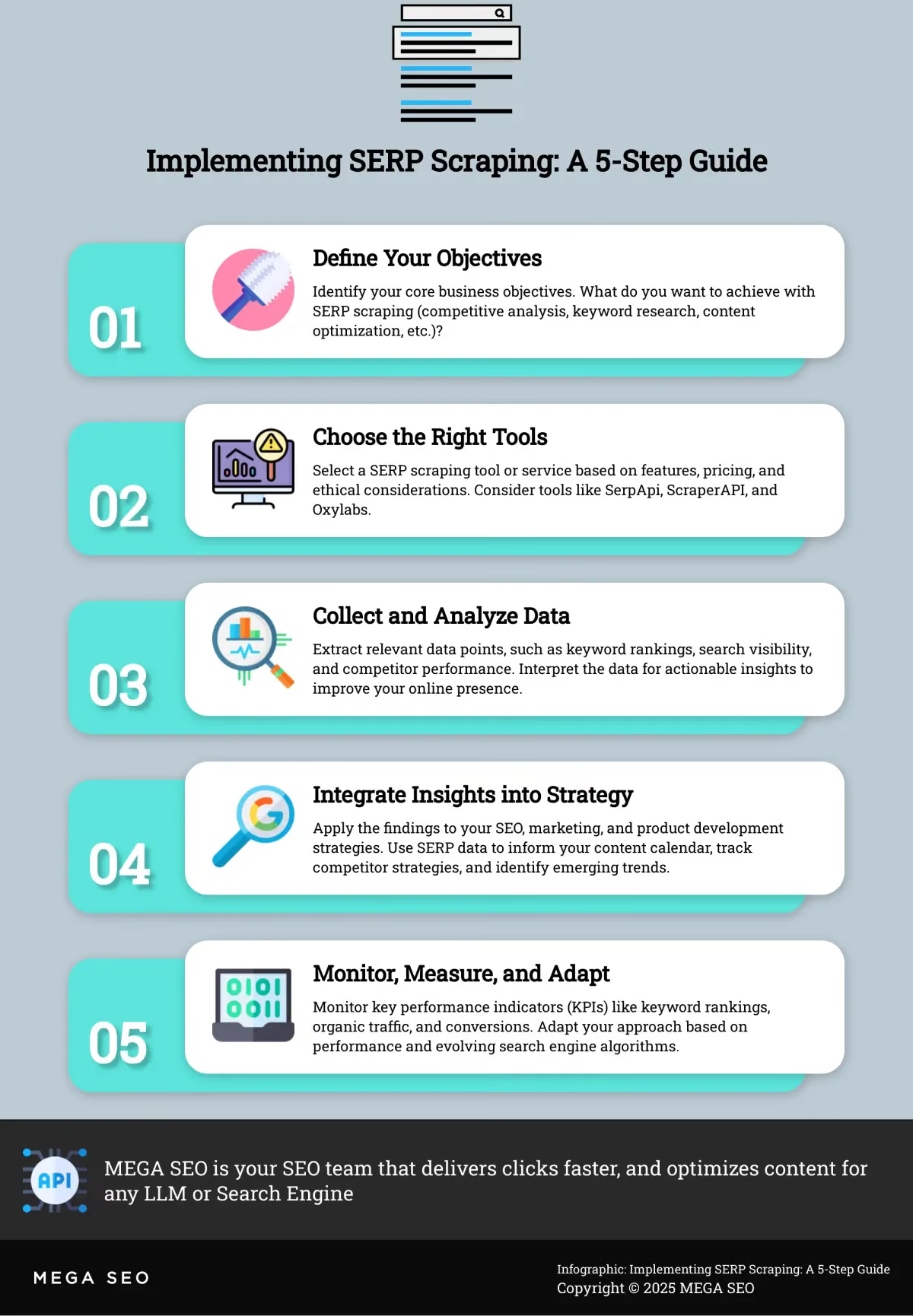
Next, choose the right scraping tool for your needs. Consider factors like ease of use, scalability, data accuracy, and legal compliance. Some tools specialize in specific types of SERP data, while others offer a more comprehensive approach. Experiment with different tools to find the one that best fits your workflow. This guide to SERP scraping offers helpful information. You can explore MEGA SEO’s free tools to get a feel for how our platform can support your SERP scraping efforts.
Integrate SERP Data into Your Workflow
SERP data shouldn’t exist in a vacuum. To maximize its value, integrate it into your existing marketing and product development processes. Analyzing search results pages can give you a competitive advantage by revealing content gaps and opportunities. Use SERP data to inform your content calendar, track competitor strategies, and identify emerging trends. This SERP analysis guide offers a deep dive into the topic.
For example, if you notice a competitor ranking highly for a keyword you’re targeting, analyze their content and identify areas where you can improve your own. Perhaps they’re using a different content format, targeting a slightly different angle, or building more high-quality backlinks. SERP scraping can reveal these insights and help you refine your approach. MEGA SEO’s content generation features can help you create optimized content based on these insights. By scraping SERPs, businesses can see where they and their competitors rank and identify gaps in their content.
Choosing the Right SERP Scraper
Selecting the right SERP scraper is crucial for effective SEO. The ideal tool aligns with your specific needs, budget, and technical capabilities. Take the time to evaluate different options before committing, so you're getting the most out of your investment.
Consider Your Needs and Budget
Pricing for SERP scraping tools varies depending on the provider and features. Some tools use a pay-per-result model, like Oxylabs, offering flexibility for occasional users. Others offer monthly subscriptions based on usage, which can be more cost-effective for high-volume scraping. Evaluate your needs and budget to find the best fit. If you're unsure, consider starting with a free trial or a lower-tier plan to test the waters. You can also book a demo with MEGA SEO to discuss customized pricing options tailored to your specific requirements.
Evaluate Features and Capabilities
When choosing a SERP scraping tool, consider essential features. Real-time data access is crucial for staying on top of current market trends. High success rates ensure reliable data retrieval, minimizing errors and wasted time. Comprehensive data collection, encompassing organic results, paid ads, featured snippets, and other SERP elements, provides a holistic view of the search landscape. Easy integration with your existing workflows and other SEO tools, often through APIs, streamlines your processes and maximizes efficiency. MEGA SEO offers seamless integrations with popular SEO tools, ensuring your SERP data flows effortlessly into your existing workflows.
Test Different Providers
Don't settle for the first SERP scraper you find. Testing different providers is essential. Many offer free trials or demos, allowing you to explore their features and interface before committing. This hands-on experience gives you a better understanding of each tool. Consider providers like SerpApi, ScraperAPI, and Oxylabs, each with its own strengths and weaknesses. By testing different options, you can make an informed decision. Remember to explore MEGA SEO’s free tools.
Best Practices for SERP Data Management
Finally, establish best practices for ongoing SERP data management. This includes adhering to ethical scraping guidelines and respecting website terms of service. Using commercial SERP APIs can mitigate legal risks and ensure data accuracy. Regularly review your scraping strategy and adjust it as needed to stay compliant and effective. It’s also important to maintain data quality by cleaning and validating your scraped data regularly. This ensures that your insights are accurate and reliable. Learn about ethical considerations in web scraping.
MEGA SEO’s customized posts can help you maintain data quality and stay on top of your SERP scraping efforts. Understanding the legal framework and respecting website terms of service ensures your web scraping activities are compliant and responsible. For more information on how MEGA SEO can help you implement SERP scraping into your business strategy, book a demo today.
The Future of SERP Scraping and AI
Search engine results pages (SERPs) are constantly evolving, and so are the methods we use to understand them. SERP scraping, combined with the power of AI, is transforming how businesses gather and interpret search data. Let’s explore the emerging trends shaping the future of SERP analysis.
Emerging Trends in SERP Analysis
Staying ahead in SEO requires understanding how to analyze SERPs for a competitive advantage. Whether you’re a beginner or an SEO expert, SERP analysis reveals valuable insights into search engine behavior and user intent. As search engines become more sophisticated, so too must our approach to SERP analysis. We’re seeing a shift towards analyzing SERP features beyond traditional organic rankings. Consider the impact of featured snippets, knowledge panels, and the increasing presence of visual content like images and videos within SERPs. Understanding how these elements influence user behavior is crucial for optimizing content and improving visibility. Tools like MEGA SEO can automate this analysis, providing the data you need to make informed decisions about your content strategy.
AI and Machine Learning for SERP Data
AI and machine learning are revolutionizing how we interpret SERP data. A SERP scraper gathers structured data, providing crucial information about keyword rankings, featured content, and competitor analysis. AI then takes over, automating the process of extracting insights from this raw data. This allows businesses to identify patterns, trends, and correlations that would be impossible to spot manually. Imagine being able to predict which keywords are most likely to convert or understanding how changes in SERP features correlate with fluctuations in organic traffic. AI-powered SERP analysis tools can provide these insights, allowing you to adapt your strategies in real time. MEGA SEO’s advanced algorithms leverage AI to automate insights and help you stay ahead of the competition. Learn more about how MEGA SEO leverages AI for SERP scraping by exploring our free tools and customized posts.
Adapting to Evolving Search Algorithms
Search engine algorithms are in constant flux, making it essential to adapt your SERP scraping strategies. Compliance requirements differ between search engines and change frequently, so staying informed about the latest guidelines is crucial. Using a reliable and compliant SERP scraping API is essential for mitigating legal risks. Respecting website terms of service and adhering to ethical scraping practices is paramount. By staying informed about legal and ethical considerations, you can ensure your SERP scraping activities are both compliant and responsible, allowing you to continue gathering valuable data without running afoul of search engine guidelines. Schedule a demo with MEGA SEO to learn how our platform helps you stay compliant while maximizing your SEO efforts.