
Traditional marketing agencies are expensive, and for a growing HRTech company, every dollar counts. Instead of paying high monthly retainers for uncertain results, you can build a powerful, long-term asset that generates leads on its own. A smart SEO for HRTech strategy is that asset. It places your solution directly in front of potential customers at the exact moment they are searching for it, attracting high-intent visitors who are already qualified. This approach builds a steady pipeline of demo requests and drives consistent, organic growth for your business. This guide explains how to build that engine.
Key Takeaways
- Address the entire buying committee: Create specific content that speaks to the unique needs of every stakeholder, from HR managers to finance leaders, guiding them through the long and complex sales cycle.
- Integrate all three SEO pillars: A strong strategy requires more than just content; it must balance on-page optimization, a solid technical foundation, and off-page authority building through backlinks.
- Build a strategic roadmap for consistency: Ditch sporadic efforts for a long-term content plan. A consistent publishing schedule built around topic clusters establishes your authority and creates a reliable lead generation engine.
Why is SEO Crucial for HRTech Companies?
For HRTech companies, search engine optimization (SEO) is not just another marketing channel; it's a foundational strategy for sustainable growth. The path from awareness to purchase is often long and involves multiple decision-makers, from HR managers to CTOs. A strong SEO presence ensures your platform is visible at every stage of this complex journey. It builds trust, educates potential buyers, and generates high-quality leads without the high cost of traditional agencies. By investing in SEO, you create a reliable engine for attracting customers who are actively searching for the solutions you provide.
Understand the Competitive HRTech Market
The HR technology space is incredibly crowded. Dozens of platforms offer solutions for everything from payroll and benefits administration to recruiting and employee engagement. In this environment, simply publishing a few blog posts is not enough to capture attention. Many HRTech companies find it difficult to grow because the market is so competitive and their buyers have complex needs. To stand out, you need a cohesive, long-term content strategy that addresses specific pain points and establishes your brand as a trusted authority. This requires a connected marketing plan that consistently delivers value.
How SEO Drives Qualified Leads for HR Software
When an HR professional needs to solve a problem, like finding a better applicant tracking system or improving their onboarding process, their first stop is usually Google. SEO helps your company show up higher in Google search results, placing your solution directly in front of potential customers at the exact moment they are looking for it. This is far more effective than interruption-based marketing. By targeting the right keywords and creating helpful content, you attract high-intent visitors who are already qualified and interested in what you offer. This approach builds a steady pipeline of leads and drives consistent, organic growth for your business.
What Are the Core Components of an HRTech SEO Strategy?
A strong SEO strategy is built on three core pillars: on-page, technical, and off-page SEO. Think of them as the foundation, framework, and reputation of your online presence. On-page SEO covers the quality content and keywords on your site. Technical SEO is the behind-the-scenes structure that makes your site fast and easy for search engines to understand. Off-page SEO is about building your authority across the web.
For an HRTech company, neglecting any one of these areas means leaving opportunities on the table. You might have the best payroll software or recruiting platform, but if potential customers cannot find you, it does not matter. A balanced approach that addresses all three components is the most effective way to attract qualified leads and grow your business. It ensures your message not only reaches the right people but also provides them with a seamless user experience from their first click.
Optimize On-Page Elements
On-page SEO includes all the elements on your website that you directly control, from the words on your blog to the titles of your pages. For HRTech companies, this is your chance to show you understand your audience's problems. Your website's content, structure, and code should be optimized to clearly communicate your value. This means creating service pages that plainly describe solutions for things like employee training or hiring assistance.
Start by researching the terms HR managers and founders use when looking for solutions. High-quality content that answers their specific questions will always perform better than generic marketing copy. Focus on being a helpful resource, and you’ll naturally improve your on-page SEO and attract the right kind of attention.
Master Technical SEO for Your Platform
Technical SEO is the work you do to make sure your website is well-built, loads quickly, and is easy for search engines to crawl and index. For a software company, this is non-negotiable. A slow or confusing website can make potential customers question the quality of your platform before they even see a demo. A solid technical foundation ensures that all your great content can be discovered.
Key areas to focus on include site speed, mobile-friendliness, and a logical site structure. Your platform should be just as easy to use on a phone as it is on a desktop. Regularly auditing your site for issues like broken links or crawl errors is also essential. These fixes ensure a smooth user experience, which is a major factor in how search engines rank your site.
Build Authority with Off-Page SEO
Off-page SEO involves all the activities you do away from your website to build its reputation and authority. This is primarily about earning high-quality backlinks from other reputable sites. When an established HR publication or tech blog links to your content, it acts as a vote of confidence, telling search engines that you are a trustworthy source of information.
Beyond backlinks, off-page SEO also includes your presence on social media and positive online reviews on software comparison sites. Building your company's reputation online takes consistent effort. You can start by sharing your expertise, engaging in industry conversations, and forming partnerships with other businesses in your space. Using a variety of SEO tools can help you find opportunities to build links and monitor your brand's online presence.
How to Find the Right Keywords for Your HRTech Brand
Keyword research is the foundation of a successful SEO strategy. It’s about more than just identifying popular search terms; it’s about understanding the specific language your potential customers use when they’re looking for solutions. For HRTech companies, this means getting inside the minds of HR managers, department heads, and C-suite executives to uncover the exact problems they need to solve, like "how to improve employee onboarding" or "best payroll software for small business."
A solid keyword strategy ensures your content connects with the right people at the right time. When you align your website, blog posts, and landing pages with the terms your audience is actively searching for, you attract highly qualified traffic instead of casual browsers. This process involves defining who your buyers are, using the right tools to find relevant terms, and focusing on niche phrases that signal strong purchase intent. By mastering these three areas, you can build a content plan that directly addresses the pain points of your ideal customers and guides them toward your solution. An AI-powered SEO agent can automate this entire process, from discovery to implementation, allowing your team to focus on product and customer success.
Define Your Buyer Personas and Their Search Intent
Before you can find the right keywords, you need to know who you’re trying to reach. Start by developing detailed buyer personas for each segment of your audience, such as "The Overwhelmed HR Manager" or "The Data-Driven CFO." Think about their daily challenges, goals, and the questions they might ask Google. Understanding why someone is searching is the key to effective keyword research. For example, a search for “employee onboarding checklist” shows an informational intent, while a search for “best applicant tracking system for startups” indicates a commercial intent. Mapping keywords to each stage of the buyer’s journey helps you create content that meets their needs, whether they are just starting their research or are ready to make a purchase.
Discover Keywords with the Right Tools and Techniques
Once you understand your audience, you can use specialized tools to find the keywords they’re using. SEO strategists rely on platforms like Google Keyword Planner or Moz to identify relevant and high-impact terms for the HR industry. Free tools are also incredibly valuable. Google Search Console shows you which queries are already bringing people to your site, while Google Trends helps you spot rising interest in specific HR topics. These tools provide essential data on search volume, competition, and seasonality, allowing you to prioritize keywords that will attract traffic and convert visitors into qualified leads. This data-driven approach removes the guesswork from your content strategy.
Target Niche Solutions with Long-Tail Keywords
While broad keywords like “HR software” have high search volume, they are also highly competitive. A more effective approach is to target long-tail keywords, which are longer, more specific phrases. Think “performance management software for remote teams” or “how to calculate employee retention rate.” These terms have lower search volume but reflect a much more specific user need, leading to higher conversion rates. A great way to find these is by using Google’s autocomplete feature to see what real users are searching for. Focusing on long-tail keywords helps HRTech companies rank for valuable search terms that larger competitors may overlook, carving out a profitable niche in the market.
What Content Should Your HRTech Company Create?
Effective SEO runs on high-quality content. For HRTech companies, your content strategy needs to do more than just attract traffic. It must build trust with HR professionals, clearly demonstrate your product's value, and establish your brand as an authority in a competitive space. A successful approach balances three types of content: educational articles that solve problems, product-focused pages that convert, and thought leadership that builds your reputation. This isn't about simply writing blogs; it's about creating a strategic library of resources that serves your audience at every stage of their journey.
From an HR manager researching new compliance laws to a CFO evaluating the ROI of a new software, your content needs to provide the right answers at the right time. By creating a mix of educational, product-focused, and industry-leading content, you can guide potential customers from initial awareness to a final purchasing decision. This multi-faceted approach ensures you are meeting the needs of all the different people involved in a buying decision. MEGA AI's SEO agent can help you identify the right topics and generate content at scale, ensuring your strategy covers all these essential bases without overwhelming your team.
Educate HR Professionals
The majority of your content should focus on educating your audience. Create helpful articles, guides, and resources that address the common challenges HR professionals face. Based on your keyword research, write about topics your potential clients are actively searching for, such as improving remote work policies, streamlining the hiring process, or enhancing employee engagement. This type of content establishes your brand as a helpful expert and attracts a wide audience at the top of the sales funnel. The goal is to teach people and provide genuine value before you ever ask for a sale.
Showcase Your Product and Its Features
While educational content builds your audience, product-focused content drives conversions. This includes your homepage, feature pages, and competitor comparison pages. These pages should clearly explain what your HR software does, who it’s for, and how it solves specific problems better than any alternative. Use clear language, compelling visuals, and customer testimonials to build a strong case for your solution. Make sure each page highlights the unique benefits of your platform, connecting every feature back to a tangible outcome for the user. Your product pages are where you convince interested prospects that your tool is the right choice for their organization.
Share Thought Leadership and Industry Insights
Thought leadership content positions your brand as a forward-thinking leader in the HR industry. This includes case studies, original research reports, and opinion pieces on emerging HR trends. Customer success stories are particularly powerful, as they provide real-world proof of your product's impact. This content is excellent for building authority and earning high-quality backlinks from other industry publications. By sharing unique insights and data, you create assets that not only attract traffic but also build long-term brand credibility and trust with senior decision-makers who are looking for innovative partners.
Overcome Common HRTech SEO Challenges
The HRTech industry presents unique SEO hurdles. Unlike simple ecommerce transactions, the sales cycle is long and involves multiple decision-makers, from HR managers to finance officers and IT leaders. The market is also incredibly competitive, with new startups and established players all vying for the attention of the same audience. A generic approach of just publishing blog posts and hoping for the best is not enough to drive meaningful growth.
To succeed, you need a strategic framework that addresses these specific challenges head-on. This means moving beyond random acts of marketing and building a cohesive plan that guides potential customers through their complex decision-making process. It requires creating content that not only attracts traffic but also speaks to the distinct needs of different stakeholders and establishes your brand as a trusted authority. By focusing on a few key areas, you can build an organic marketing engine that delivers consistent, qualified leads for the long term.
Simplify the Complex Buyer Journey
The path from problem awareness to purchase in HRTech is rarely a straight line. A potential customer’s journey often begins with a broad problem, like high employee turnover, long before they even consider a software solution. The key to effective SEO is meeting them with the right information at the right time. Map your content to the different stages of the buyer’s journey. For the awareness stage, create content that addresses their core problems. For the consideration stage, offer content that presents your type of product as the solution. Finally, for the decision stage, provide case studies and comparisons that show why your brand is the best choice. This approach turns your website into a helpful resource, building trust at every step.
Stand Out in a Crowded Market
In a saturated market, generic content gets lost in the noise. To differentiate your brand, you must create content tailored to the various people involved in the buying decision. An HR manager is looking for features that improve team workflows, while a CFO is focused on ROI and scalability. Develop distinct content streams that address the specific pain points, questions, and priorities of each persona. Simply writing blog posts is not enough; you need a connected marketing plan where your SEO efforts align with your overall brand messaging. This targeted approach demonstrates a deep understanding of your customers’ challenges and positions your solution as the most thoughtful option on the market.
Develop a Strategic Content Plan
Sustainable growth comes from building a strong organic marketing engine, not from chasing quick fixes. Instead of publishing sporadic articles, develop a strategic content plan built around topic clusters. This involves creating comprehensive pillar pages on core HR topics and supporting them with a network of related articles that dive into specific details. This structure establishes your authority on subjects your audience cares about and helps you rank for a wide range of relevant keywords. A successful content strategy requires consistency, which is where an automated platform can help you plan, generate, and update content to ensure your brand remains a relevant and trusted voice in the industry.
Key Technical SEO Checks for HRTech Platforms
Technical SEO is the foundation of your entire strategy. Think of it as the plumbing and wiring of your website. You can have the most beautifully designed office, but if the pipes are leaky and the lights don't turn on, no one will have a good experience. Similarly, if your HRTech platform has technical issues, search engines will struggle to find and rank your content, and potential customers will have a frustrating experience.
Getting this right means ensuring your site is fast, secure, and easy for both search engines and people to understand. Many of these tasks, like fixing crawl errors or improving site speed, can feel overwhelming. The good news is you don't have to handle it all manually. An AI-powered SEO agent can run technical audits and implement fixes automatically, letting you focus on your product and customers. By addressing these core technical elements, you create a solid base that makes all your other SEO efforts, from content creation to link building, far more effective.
Improve Site Architecture and User Experience
A well-organized website acts like a clear map for both your visitors and for search engines. Your site architecture is how your pages are structured and linked together. A logical structure makes it easy for users to find what they need, whether it's pricing information, a product feature page, or a blog post. This positive user experience is a signal to Google that your site is valuable. For search engines, a clean architecture allows their crawlers to discover and index all your important pages efficiently. Plan your navigation to be intuitive, ensuring your most critical pages are just a few clicks away from the homepage.
Speed Up Your Site for Better Demos
For an HRTech company, a primary goal is often to get a potential customer to book a demo. A slow-loading website is one of the fastest ways to lose that lead. If a page takes too long to load, busy HR professionals will likely click away before they even see your call-to-action. While page speed is just one of many ranking factors, it has a direct impact on user engagement and conversion rates. You can use tools like Google's PageSpeed Insights to test your site's performance and get recommendations for improvement. A faster site leads to a better user experience and more opportunities to turn visitors into qualified leads.
Meet Mobile and Security Standards
More and more professionals research business software on their phones. Your website must provide a seamless experience on any device, which is why a mobile-friendly design is essential. Beyond that, your site needs to be secure. Using HTTPS encryption is a standard practice that protects your users' data and serves as a trust signal for both visitors and search engines. You can also implement schema markup, a type of code that helps search engines understand specific information on your pages, like your company details or product features. Meeting these modern standards shows that your platform is professional, trustworthy, and ready for today's users.
How to Build Authority with Link Building
Think of link building as earning votes of confidence from around the web. When another reputable website links to yours, it signals to search engines that your content is valuable and trustworthy. For HRTech companies, building a strong backlink profile is essential for establishing authority in a competitive market. It helps you rank higher for critical keywords and puts your brand in front of decision-makers. A solid off-page SEO strategy requires actively building relationships and promoting your work to earn those valuable links.
Leverage Industry Partnerships
Building relationships with other companies in the HRTech ecosystem can open doors to powerful backlink opportunities. Consider adjacent, non-competing businesses whose audiences overlap with yours, like payroll providers or benefits administrators. You can collaborate on a joint research report, co-host a webinar, or guest post on each other’s blogs. These B2B marketing partnerships enhance your credibility and create natural reasons for partners to link back to your site. This approach turns potential competitors into collaborators and builds a network of support within your industry.
Promote Your Content Strategically
Creating insightful content is only the first step; you also need to make sure the right people see it. Strategic promotion is key to earning backlinks. Share your articles, white papers, and case studies on social media platforms where HR professionals are active, like LinkedIn. Use your email newsletter to distribute new content directly to your audience. You can also engage with relevant online communities by sharing your expertise and linking to your content where it adds value. A consistent content promotion strategy increases visibility and makes it more likely that others will discover and link to your work.
Earn Backlinks from HR Publications
Getting your brand featured in well-respected HR publications is a powerful way to build authority. To do this, focus on creating high-quality, data-driven content that addresses the latest industry trends. Think about topics like the impact of AI on recruiting, strategies for employee retention, or the future of hybrid work. When you produce original research or a uniquely helpful guide, you create a resource that journalists and industry leaders will want to cite. Pitching your content to editors at top HR publications can land you features that drive both referral traffic and high-authority backlinks.
What Common SEO Mistakes Should HRTech Companies Avoid?
Even the most strategic teams can fall into common traps that limit their SEO potential. Getting your HRTech platform to stand out requires avoiding a few key missteps that can undermine your hard work. By sidestepping these issues, you can build a stronger foundation for sustainable growth, ensuring your content reaches the right people when they need it most. The goal isn't just to create content, but to create a system that consistently attracts and converts qualified leads.
Targeting the Wrong Audience
One of the fastest ways to waste your marketing budget is by creating content for the wrong people. The HRTech space has a complex sales cycle with multiple decision-makers, from the HR manager researching solutions to the CFO approving the budget. If your content doesn't address the specific pain points and search intent of each buyer persona, it won't resonate. A common mistake is creating overly broad content that tries to appeal to everyone but ends up connecting with no one. Instead, focus on mapping your keywords and topics to specific stages of the buyer's journey to deliver the right information at the right time.
Neglecting Technical SEO Fundamentals
You can have the best content in the world, but if search engines can't find, crawl, and index it properly, it won't rank. Technical SEO is the foundation of your entire strategy. It ensures your website is fast, secure, and easy for both users and search engine bots to use. Many companies focus heavily on content creation while ignoring critical elements like site speed, mobile-friendliness, and a logical site structure. A poor technical foundation can lead to a frustrating user experience and signal to Google that your site is low-quality, hurting your ability to rank for competitive keywords.
Lacking a Consistent Publishing Schedule
Sporadic blog posts and an unpredictable content calendar send weak signals to both your audience and search engines. Consistency is crucial for building authority and keeping your audience engaged. When you publish valuable content on a regular schedule, you train search engines to crawl your site more frequently and show your audience that you are a reliable source of information. This doesn't mean you need to publish new articles every day. The key is to create a realistic content calendar and stick to it. A steady stream of content keeps your brand top-of-mind and continuously builds your library of assets that can rank and drive traffic over time.
How to Measure Your HRTech SEO Performance
An SEO strategy is only as good as its results. To know if your efforts are paying off, you need to consistently track your performance. Measuring your HRTech SEO isn't just about watching traffic go up; it's about understanding what drives meaningful business outcomes, like demo requests and new customers. By focusing on the right metrics and using the proper tools, you can turn raw data into a clear roadmap for growth.
What SEO Metrics Should You Track?
Tracking every available metric can be overwhelming. Instead, focus on a handful of key performance indicators (KPIs) that directly reflect the health of your SEO strategy. Start with organic traffic to see how many people are finding you through search. Then, monitor your keyword rankings for high-intent terms specific to the HR industry, like "applicant tracking system for small business" or "employee engagement software." A high click-through rate (CTR) shows your titles and descriptions are resonating with searchers. Most importantly, track your conversion rate, which measures how many visitors complete a desired action, such as signing up for a demo or downloading a whitepaper. This metric connects your SEO efforts directly to business growth.
Use the Right Tools to Monitor Success
To track these metrics accurately, you need a reliable set of tools. The essentials are free: Google Analytics helps you understand website traffic and user behavior, while Google Search Console provides direct insights into your keyword performance, CTR, and any technical issues Google finds. For a more comprehensive view, many HRTech companies use all-in-one platforms like SEMrush or Ahrefs. These tools offer deeper competitive analysis, backlink tracking, and rank monitoring in one place. The right combination of keyword research tools will give you a complete picture of what’s working and where you need to make adjustments.
Set Up Automated Reporting
Manually pulling data every week is time-consuming and prone to error. Setting up automated reports helps you monitor performance consistently and spot trends without getting lost in the data. Your reports should provide a clear snapshot of your most important KPIs: organic traffic growth, top-performing content, keyword ranking changes, and lead generation from organic search. Tools like Google Data Studio can pull information from multiple sources into a single, easy-to-read dashboard. Many SEO platforms also offer scheduled reports sent directly to your inbox. This approach frees up your time to focus on strategy, letting you turn insights into action more effectively.
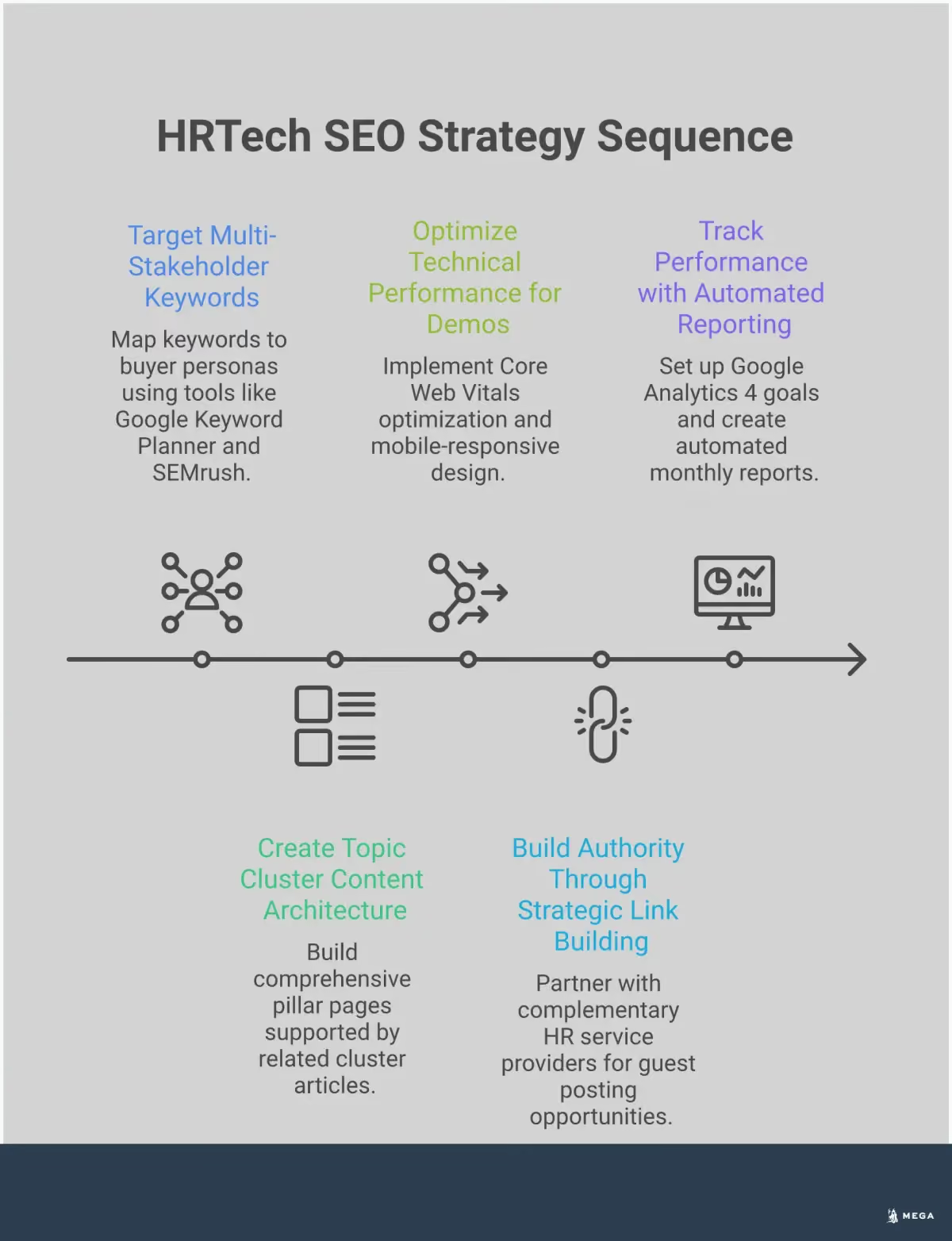
Create Your Strategic HRTech SEO Framework
Putting together a strategic framework is about moving from scattered tactics to a cohesive, long-term plan. For HRTech companies, this means creating a system that consistently attracts and converts customers, whether they are just starting to research new HR solutions or are ready to request a demo. A solid framework doesn't just focus on one area like keywords; it integrates on-page content, technical health, and off-page authority into a single, manageable strategy that aligns with your business objectives. This approach ensures that every piece of content you create and every technical fix you implement serves a specific purpose in your growth model.
Your framework should be built around the buyer's journey, addressing the unique questions and pain points your audience has at each stage. This requires a clear understanding of who you're trying to reach and what problems your software solves for them. The most effective frameworks are built on three core pillars: a detailed roadmap that outlines your activities, clear goals to measure your progress against, and the right technology to execute your plan efficiently. By establishing this structure, you create a repeatable process for driving sustainable organic growth instead of chasing short-term wins. It’s the difference between hoping for results and engineering them.
Build a Comprehensive SEO Roadmap
A roadmap is your step-by-step guide to achieving your SEO objectives. It should start with foundational keyword research to understand what your audience is searching for. SEO strategists often use tools like Google Keyword Planner to find relevant and high-impact keywords for the HR industry. This initial step is essential for aligning your content with the search intent of your target audience. Your roadmap should then detail a content calendar, a schedule for technical SEO audits, and a plan for acquiring backlinks. This document turns your strategy into a series of actionable tasks assigned to specific timelines, ensuring your team stays focused and organized.
Set Realistic Goals and Timelines
Once you have a roadmap, you need to define what success looks like. Setting clear, measurable goals and timelines ensures your SEO efforts are focused and effective. Instead of aiming for a vague goal like "more traffic," set specific targets, such as increasing organic demo requests by 15% in six months or ranking on the first page for five key bottom-of-funnel keywords within a year. When you're ready to go beyond research and start optimizing, you can use software to help organize keywords, monitor performance, and turn insights into strategy. Remember that SEO takes time, so your goals should reflect a long-term commitment.
Use Automation to Scale Your Results
For lean HRTech teams, executing a comprehensive SEO roadmap can feel overwhelming. This is where automation becomes a critical advantage. SEO platforms can provide valuable information like keyword suggestions, rank tracking, and site analysis. However, a truly autonomous system goes further by executing the work for you. An AI-powered SEO agent can handle everything from generating on-brand blog posts and performing technical fixes to updating existing content for better performance. Leveraging automation allows you to scale your efforts efficiently, freeing up your team to focus on product and customer relationships while your SEO program runs and optimizes itself.