
Building an innovative EnergyTech website without a clear SEO strategy is like constructing a state-of-the-art power plant but forgetting to connect it to the grid. You have incredible potential, but no one can access the value you're creating. A solid plan for SEO for EnergyTech is that connection. It ensures that the right audience—from enterprise clients to potential investors—can find your solutions when they need them most. This isn't about technical jargon or marketing tricks. It's about making your website visible and valuable, turning your digital presence into a powerful asset that generates real business growth.
Key Takeaways
- Build Authority with Technical Content: Develop in-depth educational articles and pillar pages that answer the specific, complex questions your audience has. This positions your company as a trusted expert in the EnergyTech field.
- Prioritize Technical Website Health: A solid technical foundation is non-negotiable. Ensure your site has a logical structure, fast page speeds, and a mobile-friendly design so search engines can effectively crawl and rank your content.
- Implement a Measurable Strategy: Break down your SEO efforts into a manageable plan, like a 90-day cycle of building, creating, and refining. Consistently track key metrics like organic traffic, keyword rankings, and conversions to prove your strategy's impact.
What is SEO for EnergyTech (and Why Does It Matter)?
Search Engine Optimization (SEO) is the practice of improving your website to increase its visibility when people search for products or services related to your business. For EnergyTech companies, this isn't just about getting more website traffic. It's about connecting with the right audience—investors, engineers, policymakers, and enterprise buyers—at the exact moment they're looking for innovative energy solutions.
As the energy sector becomes more digitized, your online presence is your most critical asset. A strong SEO strategy ensures that when someone searches for a specific technology, from carbon capture systems to grid management software, your company appears as a credible and authoritative answer. It positions you as a leader in a complex and competitive field, helping you build trust before the first sales call is even made. By focusing on SEO, you make it easier for the people who matter most to find you, understand your value, and take the next step.
What SEO Means in the Energy Sector
In the energy sector, SEO means optimizing your digital footprint so you rank higher in search results for industry-specific queries. This involves more than just adding a few keywords to your homepage. It’s a comprehensive approach that includes creating in-depth content that explains your technology, ensuring your website is technically sound, and building a profile of high-quality backlinks from reputable industry sources. Effective search engine optimization helps you clearly communicate your value to a highly specialized audience, turning complex technical topics into accessible, discoverable information that drives qualified leads and establishes your authority in the market.
How Search is Changing the Energy Market
Traditional marketing methods are no longer enough to stand out in the EnergyTech space. Today, the B2B buyer’s journey almost always begins with a search engine. In fact, a significant portion of traffic to government resources like the Department of Energy comes directly from search. This shift means your potential customers, partners, and investors are actively looking for solutions online. SEO bridges the gap by putting your company in front of them at the right time. It helps you reach a global audience, educate potential buyers on your unique offerings, and establish your brand as a trusted voice in the future of energy.
How SEO Drives Growth for EnergyTech Businesses
In the EnergyTech sector, your customers aren't just browsing; they're conducting serious research. Whether they're investors, policymakers, or enterprise clients, they turn to search engines to find innovative solutions, vet potential partners, and understand complex technologies. An effective SEO strategy ensures your company shows up right when they're looking. Traditional marketing isn't enough when most buyers now start their journey online. SEO is the bridge between your complex solutions and the decision-makers who need them.
It’s more than just traffic. A solid SEO plan is a powerful engine for generating qualified leads, establishing your brand as an industry authority, and building the trust required to close high-value deals. By consistently appearing in search results for relevant industry terms, you position your business as a credible and essential player in the market. This consistent visibility translates directly into business growth, helping you connect with the right audience at the exact moment they need your expertise. Let's look at the three core ways SEO drives tangible growth: gaining visibility in a crowded market, generating high-quality leads, and building the authority needed to win over skeptical buyers.
Gain Visibility in a Crowded Market
The EnergyTech landscape is filled with groundbreaking companies, making it difficult to stand out. SEO helps you cut through the noise by placing your brand directly in front of an audience that is actively searching for your solutions. When a potential client searches for "grid modernization technology" or "renewable energy storage solutions," you want your website to be one of the first things they see. Showing up in these search results is how you reach potential customers and ensure your innovations get the attention they deserve. This targeted visibility is crucial for capturing market share and becoming a recognized name in the industry.
Generate Leads and Acquire Customers
Visibility is the first step, but the ultimate goal is to acquire customers. A well-executed SEO strategy drives high-intent traffic to your website—people who are not just curious but are actively looking to solve a problem. By optimizing your site for the right keywords, you attract qualified leads who are further along in the buying cycle. For example, one B2B company that invested in SEO saw a 25% increase in new customers who found them through search engines. This approach turns your website into a reliable lead generation tool that works for you around the clock, connecting you with decision-makers and fueling your sales pipeline.
Build Authority and Trust
In a technical and high-stakes field like EnergyTech, trust is everything. SEO helps you build credibility by showcasing your deep industry knowledge. You can do this by creating content that demonstrates expertise, experience, authoritativeness, and trust (a concept known as E-E-A-T). Developing in-depth guides on major topics, supported by detailed blog posts, positions your company as a thought leader. When you consistently provide valuable, accurate, and well-researched information, you build a strong reputation that makes potential clients feel confident choosing you as a partner. This foundation of trust is essential for long-term success and customer loyalty.
Key Components of an EnergyTech SEO Strategy
A successful SEO strategy for an EnergyTech company rests on three core pillars: a solid technical setup, clear on-page signals, and a robust content plan. Think of it like building a power plant. You need a strong foundation and infrastructure (technical SEO), clear signage and efficient operations inside (on-page SEO), and a reliable power source that delivers value to the grid (content). Neglecting any one of these areas can cause the entire system to underperform. By focusing on these key components together, you create a comprehensive strategy that helps search engines understand your value and show it to the right audience.
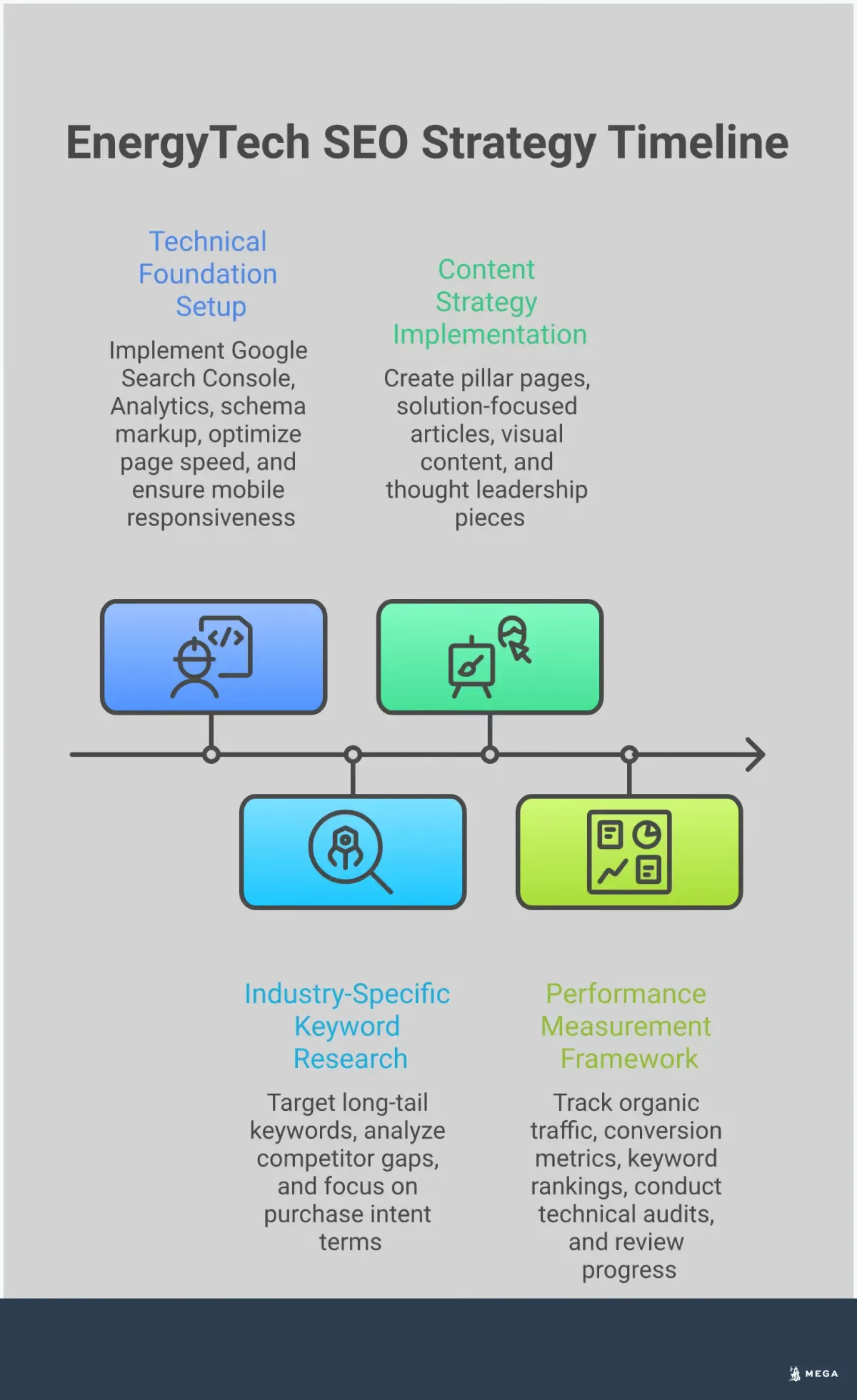
Establish a Strong Technical Foundation
Before you can rank, search engines need to be able to find, crawl, and understand your website. This is the job of technical SEO. A key part of this foundation is ensuring your website loads quickly and works flawlessly on all devices, especially mobile phones. A slow or clunky mobile experience can turn potential customers away and hurt your rankings. You can check your site’s performance with free tools to see where you stand. Beyond speed, a well-organized site structure with a clear sitemap and logical internal linking helps search engines discover all your important pages. These technical elements work behind the scenes to make sure your content gets the visibility it deserves.
Master On-Page Optimization
On-page optimization involves refining individual pages to make them as clear and relevant as possible for both users and search engines. Start with your page titles and meta descriptions. Each page should have a unique title that accurately describes its content and includes a primary keyword. Avoid vague marketing slogans and focus on clarity. Your meta descriptions act as short summaries in search results, so make them compelling and descriptive. Within your content, use headings (like H2s and H3s) to create a logical structure. This not only improves readability for your visitors but also gives search engines important clues about your page's main topics.
Develop a Content Marketing Strategy
Content is how you demonstrate your expertise and build trust in the complex EnergyTech space. A great approach is to create "pillar pages," which are comprehensive guides on core industry topics, supported by a cluster of more specific blog posts that link back to them. This structure positions your company as an authority. You can also develop content like case studies that showcase your technology's success, or write articles sharing expert insights on market trends. High-quality, informative content not only attracts your target audience but also earns valuable links from other reputable websites, further strengthening your online presence and credibility.
How to Master Keyword Research for EnergyTech
Keyword research is the foundation of any successful SEO strategy. In a technical field like EnergyTech, it’s about more than just finding popular terms; it’s about understanding the specific language your audience uses to find solutions. This means digging into the questions, problems, and terminology that engineers, facility managers, homeowners, and policymakers are searching for every day. The language can be complex and niche, but getting it right connects you directly with high-intent leads who are actively looking for your technology.
A solid process helps you uncover the exact phrases people use when they need what you offer. While this used to require hours of manual work sifting through data, modern tools have changed the game. AI-powered platforms can streamline this discovery phase, handling the heavy lifting of data analysis so you can focus on strategy. For example, MEGA AI's SEO agent automates keyword research to find high-value opportunities you might otherwise miss, ensuring your content aligns perfectly with what your ideal customers are searching for.
Find Industry-Specific Keywords
Your first step is to identify keywords unique to the energy sector. Think about the different segments you serve—businesses, consumers, and utilities all use different language and have different priorities. A homeowner might search for "residential solar panel incentives," while a commercial facility manager might look for "industrial energy management systems." The key is to find terms that signal a specific need your product can solve. This focus helps you attract a relevant audience and avoids wasting resources on overly broad keywords that don't convert.
Target Long-Tail Keywords and User Intent
Long-tail keywords are longer, more specific phrases that users type into search engines. Think "how to integrate EV charging stations into a commercial property" instead of just "EV charging." These phrases often have lower search volume but much higher conversion rates because they capture specific user intent. Someone searching a long-tail keyword is usually further along in their research and closer to making a decision. Answering these specific questions with your content establishes you as a helpful authority and directly addresses their needs.
Analyze Your Competitors' Keywords
You don’t have to start from scratch. Analyzing the keywords your competitors rank for is a smart way to find proven opportunities and refine your own strategy. Use an SEO tool to see which terms are driving traffic to their sites, then look for a "keyword gap"—keywords they rank for that you don't. This analysis can reveal valuable content topics and strategic angles you haven't considered. By understanding their approach, you can create better, more comprehensive content that fills the gaps and outperforms their efforts.
What Content Types Work Best for EnergyTech?
In a technical field like EnergyTech, your content needs to do more than just attract clicks. It has to educate, build trust, and clearly communicate the value of complex solutions. Focusing on the right types of content will help you connect with your target audience, from engineers to executives, and guide them through their decision-making process. Here are four content formats that are particularly effective for EnergyTech companies.
Create Educational Content for Complex Topics
EnergyTech topics are often complex, so your content must serve as a clear, reliable resource. A great way to do this is by creating comprehensive "pillar pages" on core subjects like solar panel efficiency or grid modernization. These main guides can be supported by a cluster of shorter blog posts that cover related subtopics in more detail. This structure shows search engines that you have deep expertise in your niche. More importantly, it provides genuine value to potential customers who are researching solutions, establishing your brand as a knowledgeable and trustworthy partner. This approach helps organize your content and provides a comprehensive resource for your audience.
Write Solution-Focused Articles
Your potential customers are looking for answers to specific problems. Your content should meet them there by focusing on solutions, not just features. Frame your articles around the challenges your audience faces, like reducing operational costs or meeting sustainability targets. When writing, it's important to balance essential industry terminology with clear, accessible language. This ensures your content is credible to technical experts while still being understandable to business leaders making the final purchasing decisions. Crafting content that resonates with your readers is key to turning them into qualified leads.
Use Video and Visuals to Explain Your Tech
Explaining how a new energy technology works can be difficult with text alone. This is where visual content becomes essential. Use infographics, animated videos, and product demos to break down complex processes and showcase your technology in action. According to the U.S. Department of Energy, incorporating videos and visuals can significantly improve the understanding of complicated tech. These formats not only make your content more engaging but also improve user experience by keeping visitors on your site longer, which can positively influence your search rankings. They help make abstract concepts tangible for your audience.
Publish Thought Leadership Pieces
To stand out in the EnergyTech sector, you need to establish your company as an authority. Publishing thought leadership content is a direct way to build that credibility. Share in-depth case studies, customer success stories, and articles with expert insights on the future of the industry. This type of content demonstrates your expertise and builds trust with your audience. It also tends to attract high-quality backlinks from industry publications and other reputable websites, which is a powerful signal to search engines. An AI-powered SEO platform can help you identify trending topics and generate data-driven content to support your thought leadership strategy.
How to Optimize Your EnergyTech Website
Your website is your digital storefront, and optimizing it is crucial for attracting the right audience. A well-optimized site not only ranks higher but also provides a better experience for potential customers, turning visitors into leads. This involves building a solid technical foundation that search engines can easily understand and that users find helpful. Focusing on your site’s structure, speed, and how it communicates with search engines can make a significant difference in your growth. Here are three key areas to get started.
Perfect Your Site Structure
A clean site structure acts as a roadmap for your visitors and for search engines. For an EnergyTech company, this means creating clear, separate pages for each core service, like solar installation, grid management, or EV charging solutions. This approach helps search engines understand your specific offerings and allows potential clients to find exactly what they need without getting lost. A logical website hierarchy not only improves user experience but also helps distribute authority across your site, making your key service pages more powerful in search results.
Prioritize Page Speed and Mobile-Friendliness
If your website takes too long to load, visitors will leave before they even see what you offer. Aim for your pages to load in three seconds or less, especially on mobile devices where many potential clients are doing their initial research. A slow site leads to higher bounce rates, which signals to Google that your page isn't providing a good user experience. You can test your site’s performance using tools like Google’s PageSpeed Insights. Ensuring your site is fast and functions flawlessly on all screen sizes is a fundamental step in modern SEO.
Implement Schema Markup for Technical Content
Schema markup is code that helps search engines understand the context of your content more deeply. For complex EnergyTech topics, this is incredibly valuable. By implementing structured data, you can tell Google that a piece of content is a technical specification, a case study, or a product page. This can lead to "rich snippets" in search results—like star ratings or FAQs appearing directly under your link. These enhanced listings stand out on the page, which can improve your click-through rates and attract more qualified traffic from interested buyers.
Common SEO Challenges for EnergyTech Companies
The EnergyTech industry is complex, and its SEO landscape is no different. While the potential for growth is massive, companies in this space often run into specific roadblocks that can slow down their progress. From handling intricate technical topics to staying on top of industry rules, the path to ranking on search engines has its own unique set of hurdles. Understanding these common challenges is the first step toward building a strategy that can effectively overcome them and connect you with the right audience.
Overcoming Technical Complexity
EnergyTech websites often deal with sophisticated products and services, which can lead to complex site structures and technical requirements. If search engines can't properly crawl and understand your site, even the best content won't rank. Technical SEO is the foundation of your online presence, ensuring your site is accessible and performs well. For many EnergyTech firms, this means paying close attention to site speed, mobile optimization, and structured data to help search engines make sense of your highly specialized offerings. Ignoring this foundation can make it difficult to gain any traction in search results.
Working with Regulatory Compliance
The energy sector is subject to strict regulations, and your marketing content is not exempt. These rules can influence the language you use, the claims you make, and the keywords you target. Navigating industry compliance is essential to avoid legal issues and build trust with your audience. This means your content strategy must be developed with a clear understanding of what you can and cannot say. It adds a layer of complexity to content creation that companies in other industries may not face, requiring a careful balance between marketing goals and regulatory obligations.
Addressing Resource and Expertise Gaps
Many EnergyTech companies, especially startups and small businesses, operate with lean teams. You might not have a dedicated SEO expert on staff, making it difficult to find the time and develop the skills needed to compete online. When you're focused on product development and innovation, tasks like keyword research, content creation, and link building can fall by the wayside. This resource gap is a significant hurdle, as SEO requires consistent effort to see results. An AI-powered SEO service can help bridge this gap by automating complex tasks and providing the expertise needed to grow your online presence.
Tools and Resources to Improve Your EnergyTech SEO
A solid SEO strategy requires the right toolkit. For EnergyTech companies dealing with complex topics, these tools help you work smarter. They provide the data you need to make informed decisions, automate repetitive tasks, and stay ahead of the competition. From foundational analytics to advanced AI, here are the resources that can support your growth.
Must-Have SEO Tools for Energy Companies
Every EnergyTech company needs a few foundational tools. Keyword research platforms help you find the specific, high-value terms your audience uses, uncovering niche topics competitors might overlook. Analytics tools are just as important, allowing you to track key metrics like site visitors, keyword rankings, and lead generation. Finally, Google Search Console is non-negotiable. It offers direct insight into how Google sees your site and shows you the exact search queries people use to find your content, which is invaluable for refining your strategy.
How AI-Powered SEO Can Help
AI-powered platforms can handle the heavy lifting of a complex SEO strategy. For EnergyTech companies, AI can automatically find low-competition keywords and identify content gaps compared to your competitors, helping you focus on topics with a higher chance of ranking. Furthermore, AI can generate content optimized not just for search engines but also for Large Language Models (LLMs). An AI SEO agent can also update existing articles to improve click-through rates (CTR) and search performance, ensuring your content stays relevant without constant manual effort.
Automate Content and Performance Tracking
Automation is key to maintaining a high-performing website without draining your resources. Modern SEO platforms can automate routine content maintenance by fixing broken links, adding FAQs, and inserting relevant calls to action. Beyond content, you can automate technical optimizations like building an internal linking structure, implementing structured data, and improving site speed. By letting an AI-powered platform manage these tasks, you can ensure your site's technical health is always in good shape, freeing you up to focus on your business.
How to Measure SEO Success in EnergyTech
An SEO strategy is only as good as the results it produces. To know if your efforts are working, you need to track your performance against clear business goals. Measuring your success helps you understand what’s resonating with your audience and where you need to adjust your approach. Instead of guessing, you can make data-driven decisions that lead to real growth.
The key is to focus on metrics that directly impact your bottom line. While there are dozens of data points you could follow, three areas give you the clearest picture of your SEO health: organic traffic and conversions, keyword rankings, and the technical performance of your website.
Track Organic Traffic and Conversions
The most direct way to see if your SEO is working is to measure how many people visit your site from search engines. This is your organic traffic. You can find this data in tools like Google Search Console, which shows clicks and impressions from Google Search. But traffic alone doesn’t tell the whole story. You need to know if those visitors are taking meaningful actions.
That’s where conversions come in. A conversion is any desired action a user takes, like requesting a demo, downloading a technical whitepaper, or filling out a contact form. By setting up goals in your analytics platform, you can connect your SEO efforts directly to lead generation and customer acquisition, proving the return on your investment.
Monitor Keyword Rankings
Knowing where you stand in search results for your most important terms is essential. Keyword rankings show your visibility for the specific queries your potential customers are using. While it’s exciting to rank for a high-volume term, it’s more important to track a range of keywords that reflect different stages of the buyer’s journey, from informational queries to purchase-intent searches.
Use a rank tracking tool to monitor your position for these terms over time. Look at what keywords your competitors rank for and identify opportunities to create better content that fills those gaps. Consistent monitoring helps you see progress and spot potential issues before they impact your traffic. Platforms like MEGA AI can automate your keyword strategy and tracking, saving you time while providing clear performance insights.
Check Your Technical SEO Health
Your website’s technical foundation can make or break your SEO strategy. If search engines can’t easily crawl, index, and understand your site, even the best content will struggle to rank. Technical SEO health involves making sure your website loads quickly, is secure, and works well on mobile devices. Slow-loading pages can cause potential customers to leave and signal to Google that your site offers a poor user experience.
Regularly check your site’s performance using tools like Google’s PageSpeed Insights. Look for issues like broken links, crawl errors, or problems with your site structure. Maintaining good technical health ensures that nothing stands in the way of your content reaching the right audience.
Get Started with Your EnergyTech SEO Strategy
Putting an SEO strategy into motion can feel like a major project, especially in a complex field like EnergyTech. But you don’t need to do everything at once. The best approach is to start with a solid foundation and build from there. By focusing on a few key areas, you can create a clear, manageable plan that delivers results without overwhelming your team.
The first step is to equip yourself with the right tools to gather data and measure progress. Once you have visibility into your performance, you can create a simple 90-day plan to tackle the most important tasks first. This structured approach helps you make steady progress and demonstrate the value of SEO to your organization. For small teams or startups, an AI-powered platform can automate these foundational steps, from keyword research to content creation, allowing you to see traffic growth while you focus on your core business. Instead of spending weeks on manual research and writing, an AI agent can identify high-value keywords and generate optimized content for you, freeing up your team to work on product development and customer relationships. This is how you build momentum without needing a large, dedicated marketing department.
Set Up Your Essential Tools
Before you can build a strategy, you need the right tools to see what’s working. Start with the basics, which are mostly free and incredibly powerful. Set up Google Search Console to monitor your site’s health and see which queries bring people to your pages. Next, install Google Analytics to track user behavior, traffic sources, and conversions.
For local service providers, claiming your Google Business Profile is essential for appearing in local search results and maps. Finally, use a keyword research tool to find the specific terms and questions your audience is searching for. These tools provide the data you need to make informed decisions and track your progress over time.
Create Your First 90-Day SEO Plan
A 90-day plan breaks your strategy into manageable phases. In the first 30 days, focus on your technical foundation and on-page SEO. Make sure your site loads quickly, is mobile-friendly, and has a clear page for each core service you offer.
In the next 30 days, shift your focus to content creation. Write a comprehensive "pillar page" on a major topic in your niche, supported by a few detailed blog posts that answer specific customer questions. For the final 30 days, concentrate on review and refinement. Check your analytics to see which content is performing best, update older articles with new information, and fix any broken links. This simple cycle of building, creating, and refining is the key to long-term SEO success.