
Think of your marketing budget like a real estate portfolio. Paid ads are like renting a property; the moment you stop paying, you have nothing to show for it. SEO, on the other hand, is like buying a home. Every piece of quality content you create and every technical improvement you make builds equity in a valuable digital asset. This asset works for you around the clock, generating traffic and leads for years to come. The claim that SEO is dead misses this fundamental point. The strategies have changed, but the outcome of building a sustainable, long-term traffic source is more critical than ever.
Key Takeaways
- Prioritize user value over algorithm tricks: Success in modern SEO comes from creating genuinely helpful content that answers real questions, not from trying to game the system with outdated tactics.
- Combine quality content with a solid technical foundation: The most valuable content can fail to rank if your website is slow, broken, or difficult for users and search engines to use.
- Build a sustainable asset instead of renting traffic: SEO creates long-term value by building your brand's authority and driving organic traffic for years, offering a more cost-effective growth strategy than paid ads.
Is SEO Dead? Here's the Real Story
You’ve probably heard the chatter online or from other business owners: "SEO is dead." With the rise of AI-powered search and constant algorithm updates, it’s easy to see why some people think search engine optimization is a thing of the past. The truth is, SEO isn’t dead—it has just evolved. The old playbook of keyword stuffing and building low-quality links no longer works. Modern SEO requires a more sophisticated, strategic approach.
The core goal of search engines remains the same: to provide the best possible answer to a user's query. What has changed is how they determine what "best" means. Today, success in SEO is about creating high-quality, targeted content that genuinely helps your audience. Success stories and lessons learned from across the web point to one clear conclusion: a strong SEO strategy is still a vital part of digital marketing. It’s about building a solid technical foundation for your website and demonstrating your expertise in a way that both users and search engines can understand.
For small businesses, this evolution is actually good news. It levels the playing field, shifting the focus from big budgets to smart strategy. With an autonomous SEO agent, you can plan, launch, and optimize campaigns without needing a dedicated marketing team. This approach combines AI-driven insights with consistent execution to deliver measurable results. In fact, most businesses that adopt a modern SEO framework see organic traffic growth within three to nine months, building a sustainable asset that drives leads and sales long after you’ve published your content.
How SEO Evolved: From Keywords to AI
If you’ve heard the rumor that SEO is dead, it’s likely because the old way of doing things is. The days of gaming the system with simple tricks are long gone. A decade ago, SEO was often about finding loopholes. Marketers would stuff pages with keywords, buy links from questionable websites, and use other tactics to trick search engines into ranking their content. It was a technical game that often ignored the most important person in the equation: the reader.
But search engines have grown incredibly sophisticated. They no longer just match keywords; they understand intent, context, and quality. This evolution is why the old playbook is obsolete. Modern SEO is less about finding shortcuts and more about building a genuine, helpful online presence. It’s about creating content that answers real questions, ensuring your website is technically sound, and earning authority through quality. The core principles of marketing—understanding your audience and providing value—are now at the heart of a successful search strategy. This shift doesn’t mean SEO is dead; it means it has matured into a more sustainable and valuable marketing channel that rewards businesses who prioritize their customers.
Why Old SEO Tactics Don't Work Anymore
The tactics that once offered a quick path to the first page are now a fast track to getting penalized. Practices known as "black hat SEO" focused on manipulating search engine rankings instead of earning them. This included things like hiding keywords by making them the same color as the background, creating pages with duplicate content, or buying thousands of low-quality links.
While these methods might have produced temporary spikes in traffic, they created a poor experience for users and were built on a shaky foundation. Search engines are now designed to identify and penalize these deceptive strategies. Relying on black hat SEO tactics today can get your site demoted in rankings or removed from search results entirely, causing long-term damage to your brand.
How Search Engines Got Smarter
The reason old tactics fail is simple: search engines are much smarter. They’ve moved beyond just scanning for keywords and now focus on understanding the meaning and context behind a search query. Thanks to advancements in artificial intelligence and natural language processing, algorithms can interpret user intent. They know that someone searching for "best coffee shop near me" is looking for local recommendations, not a blog post about the history of coffee.
This shift means search engines prioritize websites that provide real, valuable answers. They reward high-quality, well-researched content that genuinely helps the user. An ethical SEO strategy now centers on creating a great user experience, from fast-loading pages to content that is clear, helpful, and authoritative. It’s no longer about outsmarting a machine but about serving your audience.
What Modern SEO Actually Looks Like
Forget the old tricks of keyword stuffing and buying spammy links. Modern SEO is a sophisticated discipline that centers on providing genuine value to your audience. It’s less about trying to game the system and more about building a credible, helpful online presence. Success today depends on three core pillars: creating content for people, ensuring your website is technically sound, and using intelligent tools to guide your strategy. When these elements work together, they create a sustainable growth engine for your business.
Create Content That Serves Real People
The foundation of modern SEO is high-quality content that answers questions and solves problems for your target audience. Search engines are designed to reward the most helpful information. By creating targeted content, you naturally attract visitors and signal that your site is a valuable resource. This means focusing on topics your customers care about, not just keywords. An AI-powered SEO agent can handle content generation, ensuring a steady stream of relevant articles that build your authority and engage your audience.
Build a Solid Technical Foundation
Great content needs a great website. If your site is slow, broken, or hard to use, visitors will leave. A solid technical foundation is non-negotiable. This includes a fast-loading site, a mobile-friendly design, and clear navigation for both users and search engines. Issues like broken links and slow page speeds can hurt your rankings. Regular technical SEO audits identify and fix these problems, improving the user experience and helping your content perform its best in search results.
Use AI to Guide Your Search Strategy
Guesswork has no place in a modern SEO strategy. AI tools provide deep insights based on massive datasets, helping you optimize with precision. Instead of manually researching keywords, an AI-powered growth agent can analyze millions of data points to build a strategy tailored to your business. This includes everything from keyword selection to content updates. This data-driven approach helps you make smarter decisions, adapt to algorithm changes, and achieve better results much faster than with traditional methods.
How AI and Algorithm Updates Changed the Game
The world of SEO is constantly moving. What worked five years ago, or even one year ago, might not deliver the same results today. The rise of AI in search and frequent algorithm updates from Google haven't killed SEO; they’ve just raised the bar. Instead of focusing on loopholes and keyword density, modern SEO is about understanding and serving user intent better than anyone else. These changes reward businesses that create genuinely helpful content and provide a seamless user experience.
This shift means that a reactive strategy is no longer enough. To succeed, you need a proactive approach that anticipates changes and adapts quickly. This is where technology becomes a powerful ally. Using AI trained on massive datasets, like MEGA AI's proprietary models built from over 450 million Google Search data points, allows you to understand what search engines are looking for and create content that meets those standards consistently. The game has changed from trying to trick algorithms to building a real, authoritative presence that search engines want to recommend. It’s about proving your expertise and earning your rank through quality and relevance.
Optimize for ChatGPT and Google Overview
Search is becoming more conversational. Instead of just getting a list of blue links, users now see AI-generated summaries at the top of the results page, like in Google's AI Overviews or when they ask a question to ChatGPT. This means your goal is no longer just to rank number one; it's to become the source material for these AI-powered answers. To do this, your content needs to be clear, well-structured, and directly address the questions your audience is asking. Think of your articles and web pages as the definitive resource that an AI would trust to inform its users. This is what LLM optimization is all about—positioning your content to be featured in these new search formats.
Adapt to Zero-Click Search Results
A "zero-click search" happens when a user gets their answer directly from the search results page without clicking on any website. This can happen through featured snippets, knowledge panels, or direct answers. While it might sound like a loss of traffic, earning these placements is a huge win for brand visibility. It positions your business as the go-to authority on a topic. To adapt, focus on creating content that provides concise, scannable answers. Use clear headings, bulleted lists, and Q&A formats. By structuring your content this way, you make it easy for Google to pull your information for a snippet, giving you prime real estate on the results page and building trust with potential customers.
Prioritize Quality Over Quantity
In the past, some SEO strategies involved publishing as much content as possible to capture more keywords. Today, that approach can do more harm than good. Google's algorithm updates, particularly the focus on helpful content, are designed to filter out thin, low-value pages. One piece of well-researched, comprehensive content that fully satisfies a user's query will outperform dozens of shallow articles. Your focus should be on demonstrating real expertise and providing genuine value. By building a solid foundation with ethical SEO practices, you create a long-term asset that can withstand algorithm updates and continue to attract the right audience over time.
Proof That SEO Still Delivers Results
Despite the constant chatter about its demise, SEO continues to be one of the most effective ways to grow a business online. The proof isn't just in anecdotes; it's in the measurable results that companies see every day. When done correctly, a modern SEO strategy drives consistent traffic, provides a better return on investment than many other channels, and builds a lasting asset for your brand. It’s not about chasing fleeting algorithm hacks or trying to trick search engines. It's about creating a solid foundation that serves your audience and, in turn, serves your business goals. This approach focuses on understanding what your customers are searching for and delivering the best possible answers.
The key is understanding that SEO isn't a single action but a continuous process of improvement. By consistently publishing valuable content, ensuring your website is technically sound, and building authority in your niche, you create a reliable engine for growth. For small businesses, this is especially powerful. A smart SEO strategy allows you to compete with larger players by focusing on specific needs within your market. The results compound over time, turning your initial efforts into a source of sustainable traffic and leads that you don't have to pay for with every click.
See Measurable Traffic Growth
One of the most direct ways to see SEO's impact is through a steady increase in organic traffic. This isn't about luck; it's the result of a deliberate strategy. By creating new, keyword-optimized content and updating older posts, you signal to search engines that your site is a relevant and active resource. Improving your site’s structure with internal linking helps both users and search engines find your best content, which can directly improve your rankings. This approach is proven to lead to significant increases in organic traffic. In fact, most businesses that invest in a consistent SEO plan see measurable growth within three to nine months.
Compare the Cost: SEO vs. Paid Ads
For small businesses, every marketing dollar counts. While paid ads offer immediate visibility, they operate on a pay-to-play model—the moment you stop paying, your traffic disappears. SEO, on the other hand, is an investment that builds equity. The content and authority you develop continue to attract visitors long after the initial work is done. This makes SEO a more cost-effective strategy for long-term growth. While a comprehensive approach might include both Paid Ads and SEO, relying solely on ads is like renting your traffic. Investing in SEO means you’re building an asset that generates returns for years to come.
Build a Long-Term Asset, Don't Just Rent Traffic
Think of your website's search engine presence as a piece of digital real estate. Each piece of high-quality, targeted content you create is another improvement to that property. It attracts organic links from other sites, engages your audience, and helps you climb the search rankings. Over time, this effort builds a powerful brand asset that generates traffic and leads on its own. Unlike a temporary ad campaign, your search rankings and content library become a durable advantage. This strategy enhances the user experience and drives conversions, making SEO a valuable long-term investment rather than a short-term expense.
What SEO Myths Are Holding Your Business Back?
There’s a lot of noise surrounding SEO, and it’s easy to get caught up in outdated ideas. Believing these common myths can stop you from using one of the most effective channels for long-term growth. Let's clear up a few misconceptions that might be preventing your business from getting the visibility it deserves.
Myth: "SEO Takes Too Long to Work"
While it’s true that SEO doesn’t deliver overnight results, the timeline is more predictable than you might think. With a consistent strategy, most businesses begin to see meaningful organic traffic growth within three to nine months. The key is executing the right tasks consistently, from publishing targeted content to making technical fixes. Unlike paid ads where the traffic stops the moment you stop paying, the work you put into SEO builds a lasting asset for your business. Each piece of content and every backlink you earn continues to work for you long after the initial effort.
Myth: "AI Will Replace Search Engines"
The rise of AI assistants like ChatGPT and Google Overview has led many to believe traditional search is obsolete. The reality is that search behavior is evolving, not disappearing. People are now discovering information in new ways, and a modern SEO strategy accounts for this. The goal is to be the authoritative answer wherever people are looking. A solid content strategy based on expertise and quality ensures your business gets found, whether it's in a list of blue links or an AI-generated summary. This is why it's important to optimize for AI search and treat it as the next frontier of digital visibility.
Myth: "Only Big Companies Can Compete"
Many small business owners feel they can’t compete with the massive marketing budgets of large corporations. But SEO actually levels the playing field. Big brands often chase broad, highly competitive keywords, leaving countless opportunities in more specific niches. A small or local business can dominate search results by focusing on targeted, long-tail keywords and local SEO. With the right tools, you can implement the same strategies that enterprise companies use. This allows you to build authority in your area of expertise and attract highly qualified customers without needing a massive budget.
How White Hat SEO Drives Better Business Results
White hat SEO is about playing by the rules to build a business asset that lasts. It means using ethical, search engine-approved strategies to improve your online visibility. The goal isn’t to trick algorithms for a temporary spike in traffic but to create a genuinely valuable online presence that serves your customers and earns its rank over time. This approach focuses on creating high-quality content, ensuring your website is technically sound, and building authentic relationships and authority in your niche. It’s the difference between building a house on a solid foundation versus a house of cards.
For small and local businesses, this is the only sustainable way to approach SEO. While shortcuts might seem tempting, they put your entire online presence at risk. A white hat strategy, on the other hand, aligns your marketing efforts with your business goals: building a strong reputation, fostering customer trust, and generating sustainable growth. It turns your website from a simple online brochure into a reliable engine for attracting and converting customers for years to come. By focusing on the user first, you naturally align with what search engines want to reward, creating a win-win scenario for your brand and your bottom line.
Avoid Black Hat Tactics That Hurt Your Brand
Black hat SEO refers to practices that violate search engine guidelines to manipulate rankings. Think of tactics like keyword stuffing, buying links, or using invisible text. While these methods might offer a quick win, the long-term consequences can be devastating. Search engines like Google are constantly updating their algorithms to penalize sites that use these deceptive techniques.
Engaging in these practices can lead to severe penalties, including a dramatic drop in rankings or even complete removal from search results. For a small business, disappearing from Google can be catastrophic. It’s better to invest in legitimate strategies that build a solid foundation rather than risk your brand’s reputation and online visibility on short-term gains.
Build Trust with a Transparent Strategy
Your SEO strategy directly impacts how customers perceive your brand. When you focus on creating helpful, well-researched content and providing a seamless user experience, you’re not just optimizing for search engines; you’re building trust with your audience. Brands that use transparent and ethical SEO strategies are seen as more credible, which helps foster customer loyalty.
A transparent approach also means you have complete visibility into the work being done. You should always know what tasks are being performed and how they align with your business goals. This clarity ensures your SEO efforts are contributing to a positive brand image and a trustworthy online presence, making customers more likely to choose you over the competition. This focus on E-E-A-T (Experience, Expertise, Authoritativeness, and Trustworthiness) is central to modern SEO.
Reap the Long-Term Benefits of Good SEO
The most significant advantage of white hat SEO is its sustainability. Unlike paid advertising, where your visibility disappears the moment you stop paying, a strong organic presence is an asset that compounds over time. By consistently creating high-quality, targeted content, your business can attract valuable links, engage its audience, and steadily improve its search engine rankings.
This approach creates a flywheel effect. Good content earns authority, which improves rankings, which drives more traffic, which further solidifies your authority. This method not only enhances your visibility but also builds a durable online presence that continues to deliver value long after the initial work is done. As various SEO case studies show, the long-term return on investment from ethical SEO is unmatched.
What SEO Strategies Actually Work Right Now
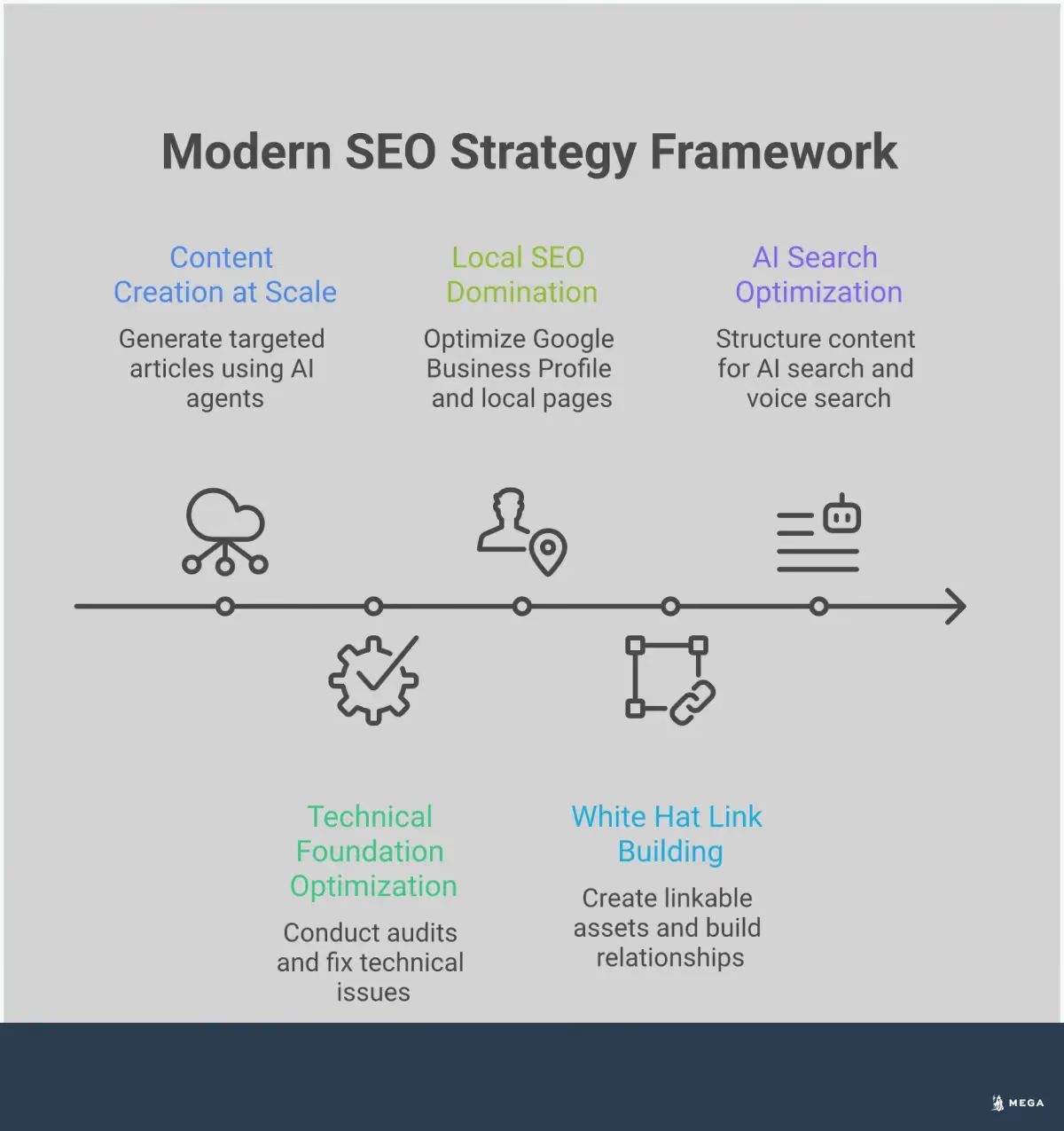
The conversation around SEO has changed, but the goal remains the same: connect with customers who are actively searching for what you offer. The strategies that get you there have simply become more sophisticated. Forget about keyword stuffing and chasing algorithm updates. Modern SEO is about building a solid technical foundation, consistently publishing helpful content, and understanding how AI is shaping search behavior. It’s less about trying to trick a system and more about genuinely serving your audience with the information they need.
For small businesses, this is good news. You don't need a massive marketing department to see results. Instead, you need a clear, focused plan that prioritizes the tasks with the highest impact. This means focusing on three core areas: creating and optimizing content at scale, fixing the technical issues that hold your site back, and, for many, dominating your local market. By concentrating your efforts here, you can build a powerful, long-term asset for your business that generates traffic and leads without a constant ad spend. The key is to move from theory to consistent execution, which is where many businesses get stuck. An effective strategy isn't just a document; it's a set of repeatable actions that drive growth over time.
Automate Content Generation and Optimization
Consistently creating high-quality, targeted content is the foundation of modern SEO. It’s how you attract your audience, earn valuable links, and demonstrate your authority to search engines. But for most business owners, it’s also the most time-consuming part. This is where automation becomes a game-changer. An autonomous SEO agent can handle the heavy lifting of keyword research, content creation, and ongoing optimization. By creating a steady stream of relevant articles, you build a library of resources that answers your customers' questions and establishes your site as a go-to source in your industry.
Make Technical Fixes That Move the Needle
Your website's technical health is the invisible framework that supports all of your content efforts. Simple issues like broken links, slow page speed, or incorrect meta tags can prevent your pages from ranking, no matter how great the content is. The right approach involves ongoing maintenance, not just a one-time audit. Regularly updating old blog posts with fresh, keyword-optimized content and using internal linking to guide users and search engines through your site are simple fixes that can produce significant gains. These are the kinds of tasks that improve your rankings and user experience at the same time.
Focus on Local SEO for Your Small Business
If you serve a specific geographic area, local SEO is your most powerful tool. Customers are constantly searching for products and services "near me," and you want to be the business that shows up. This strategy goes beyond your website; it involves optimizing your Google Business Profile, gathering customer reviews, and ensuring your business information is consistent across the web. A strong local search presence helps you appear in map results and local listings, connecting you directly with customers in your community who are ready to make a purchase.
Why Small Businesses Should Prioritize SEO
For a small business, every marketing dollar has to count. While paid ads offer quick traffic, they stop the moment you stop paying. SEO is different. It’s an investment in a long-term asset that can generate leads and sales for years. By focusing on organic search, you build a direct line to customers actively looking for your products or services, creating a more stable and cost-effective way to grow your business.
Find Less Competition in Niche Markets
You don’t need to compete with global brands for broad, expensive keywords. Small businesses have an advantage: they can dominate niche markets. By focusing on a specific audience or product category, you can target long-tail keywords that have less competition but high purchase intent. Creating high-quality, targeted content for this audience helps you attract the right kind of traffic. This approach allows you to find your niche and build a strong foundation, climbing the search rankings for terms that matter most to your bottom line.
Achieve Sustainable Growth Without Ongoing Ad Spend
SEO is the process of enhancing your visibility in organic search results, which drives traffic without a per-click cost. While a paid ad campaign stops delivering results the second your budget runs out, a well-ranked article can bring in customers for months or even years. This creates a sustainable growth engine for your business. An effective SEO strategy turns your website into an asset that appreciates over time, generating a predictable stream of leads and sales without the constant need for ad spend. It’s how you move from renting traffic to owning it.
Build Authority That Compounds Over Time
Great SEO is about more than just keywords; it’s about becoming a trusted authority in your field. When you consistently publish helpful, high-quality content that answers your customers’ questions, you build credibility. This focus on a positive user experience not only drives conversions but also signals to search engines that your site is a valuable resource. Over time, this authority compounds, making it easier to rank for more competitive terms and solidifying your brand’s reputation. It’s a long-term play that builds a loyal customer base that trusts your expertise.
How to Start SEO Without a Marketing Team
For a small business owner, the idea of tackling SEO can feel overwhelming. You know it’s important, but you don’t have a dedicated marketing department to manage keyword research, technical audits, and content creation. The good news is, you don’t need one. Modern tools and strategies have made it possible for founders and small teams to manage a powerful SEO strategy effectively. It comes down to having the right approach, the right tools, and the right expectations.
Explore Autonomous SEO Management
The biggest hurdle for businesses without a marketing team is execution. Autonomous SEO platforms handle this by acting as your digital marketing agent. Instead of just providing data and dashboards, these systems do the work for you. They can plan and launch campaigns, generate high-quality content, and fix technical issues on your site without requiring constant oversight. This approach allows you to focus on running your business while your SEO efforts run in the background, attracting links and climbing search rankings on their own. It’s about shifting from manual tasks to automated, results-driven management.
Find the Right Tools and Processes
A successful solo SEO strategy depends on streamlined processes. Instead of juggling multiple tools for keywords, site health, and content, you can use a single, integrated platform. The right tool connects directly to your CMS and Google Search Console, creating a seamless workflow from audit to execution. It should handle everything from the initial technical optimization to ongoing content promotion. By finding a comprehensive solution, you can manage your SEO efforts efficiently and ensure no critical tasks fall through the cracks, making the entire process manageable for an individual or a small team.
Set Realistic Expectations and Timelines
SEO is a long-term investment, not an overnight fix. While AI-driven tools can accelerate results, building sustainable organic traffic takes time. It’s important to set clear, realistic goals from the start. A good benchmark is to expect noticeable organic traffic growth within three to nine months. This timeline allows the strategy to take root as search engines index new content and recognize your site's authority. Understanding this helps you stay committed to the process and accurately measure your return on investment without getting discouraged by a lack of immediate results.