
Resource pages are fantastic assets for users seeking comprehensive information on specific topics, and for marketers, they represent golden opportunities for high-value backlinks. Getting your content featured on a relevant resource page can significantly improve your site's credibility and search performance. But how do you systematically uncover these pages and make a compelling case for your inclusion? This article provides a detailed roadmap, focusing on how to use SEMrush for resource page link building. We will delve into practical strategies for utilizing SEMrush's suite of tools to identify promising resource pages, evaluate their authority, and develop outreach strategies that convert, helping you build a more authoritative and visible website.
Key Takeaways
- Leverage Resource Pages for SEO Gains: Secure high-quality backlinks from curated resource pages to improve your site's authority, using SEMrush to efficiently discover these valuable opportunities.
- Streamline Prospecting with SEMrush: Configure SEMrush with your target keywords and competitor insights to pinpoint relevant resource pages, then vet them for authority before initiating personalized outreach.
- Optimize for Lasting Impact: Consistently track your outreach, monitor link acquisitions, and analyze performance data within SEMrush to refine your resource page link building strategy for long-term SEO benefits.
What is Resource Page Link Building?
Link building is a fundamental part of making your website more visible online. Essentially, it’s about getting other websites to link back to yours. You can think of these incoming links as recommendations; the more good recommendations you gather from reputable sites, the more search engines like Google will see your site as a credible source. This credibility often translates into higher search rankings and, consequently, more people finding your website organically. While there are many strategies to earn these valuable links, one particularly effective method is resource page link building.
So, what exactly are resource pages? They are web pages that someone has put together to share a curated list of helpful links and information all centered around a specific topic. Imagine a popular cooking blog – they might have a resource page that lists their favorite kitchen gadgets, online spice shops, or even other food blogs they admire. Getting your website or a specific piece of your content featured on relevant resource pages like these can be a great way to obtain high-quality backlinks. The beauty of this approach is that these pages are designed to link out to other useful sites, which can make your outreach efforts a bit smoother compared to other link building tactics. The main goal is to find the right resource pages where your content would be a genuinely helpful addition for their audience.
Understanding Its Role and SEO Impact
Resource page link building follows a pretty straightforward process. You identify websites in your industry that host these curated lists, and then you reach out to suggest your content as a valuable addition. As the team at Link Builder points out, "This type of link building is beneficial because it targets pages that are already designed to link out to valuable content, making it more likely that your request will be successful." This strategy aligns well with a comprehensive SEO plan because it focuses on acquiring links that are contextually relevant and editorially given.
The impact on your SEO comes from the quality and relevance of these acquired links. When an established, topic-specific page links to your site, it sends a strong signal to search engines about your content's credibility. This can positively influence how your site appears in search results for your important keywords, helping more potential customers discover you.
Exploring the Benefits of Resource Page Backlinks
The advantages of securing backlinks from well-chosen resource pages are quite compelling. Firstly, these links can significantly improve your website's authority and online visibility. According to Link Builder, "These links are often from reputable sites that are seen as trustworthy by search engines, which can lead to improved rankings." This is because resource pages are frequently maintained by knowledgeable individuals respected within their field.
Secondly, being featured on a relevant resource page can drive highly targeted traffic to your website. People visiting these pages are actively looking for information related to your area of expertise. As Outreach Monks aptly states, "Building links on sites with content closely related to your niche or industry strengthens your SEO efforts." This alignment means visitors from these links are more likely to be interested in what you offer. Ultimately, as Backlink Works summarizes, "Resource page backlinks are valuable because they not only provide a direct link to your site but also enhance your site's credibility and trustworthiness, which are crucial factors in SEO."
How SEMrush Powers Your Link Building Efforts
When you're aiming to build high-quality backlinks through resource pages, having a robust toolkit can make all the difference. SEMrush stands out as a comprehensive platform that really streamlines the often complex process of link building. It’s designed to help you not just find opportunities, but also to manage and analyze your efforts effectively. Think of it as your co-pilot for handling the link building landscape, helping you make informed decisions and save valuable time.
By leveraging its diverse features, you can significantly enhance your strategy and work towards securing those impactful backlinks that contribute to your site's authority and search engine ranking. For businesses looking to grow their online presence, understanding how to use such tools efficiently is key. SEMrush provides the structure and data needed to approach link building methodically, rather than relying on guesswork. This is particularly helpful when targeting resource pages, as it requires careful identification and outreach. The platform helps you organize these efforts, making a potentially overwhelming task much more manageable and ultimately more successful.
Discover SEMrush's Link Building Capabilities
SEMrush offers a suite of tools specifically designed to support and enhance your entire link building workflow. At its core, the platform helps you find promising link opportunities that you might otherwise miss. You can thoroughly audit your existing backlink profile to understand your current standing and identify any potentially harmful links that need addressing. This initial analysis is crucial for building a solid foundation for your future link building activities.
Beyond your own site, SEMrush allows you to analyze your competitors' backlink strategies, giving you insights into how many links you might need to effectively compete in your niche. A key advantage is its ability to help you manage outreach campaigns. This means you can organize your communication with potential link partners directly within the platform, making the process more efficient and increasing your chances of successfully acquiring valuable backlinks.
Pinpoint Key Features for Resource Page Success
For successful resource page link building, a few SEMrush features are particularly invaluable. The Link Building Tool is a standout, as it helps automate and manage your outreach campaigns from start to finish. This tool intelligently suggests link prospects by analyzing data from various reports, including the Organic Competitors Report, which helps you identify websites linking to your competitors but not to you, a great starting point for finding relevant resource pages.
Another crucial feature is Backlink Analytics. Regularly using this tool to check your backlink profile is essential. It allows you to monitor new and lost backlinks, understand the authority of linking domains, and even see the types of links you're acquiring, such as nofollow links. This vigilance ensures your link profile remains healthy and strong, helping you maintain and improve your search engine rankings over time by making sure your efforts are yielding positive results.
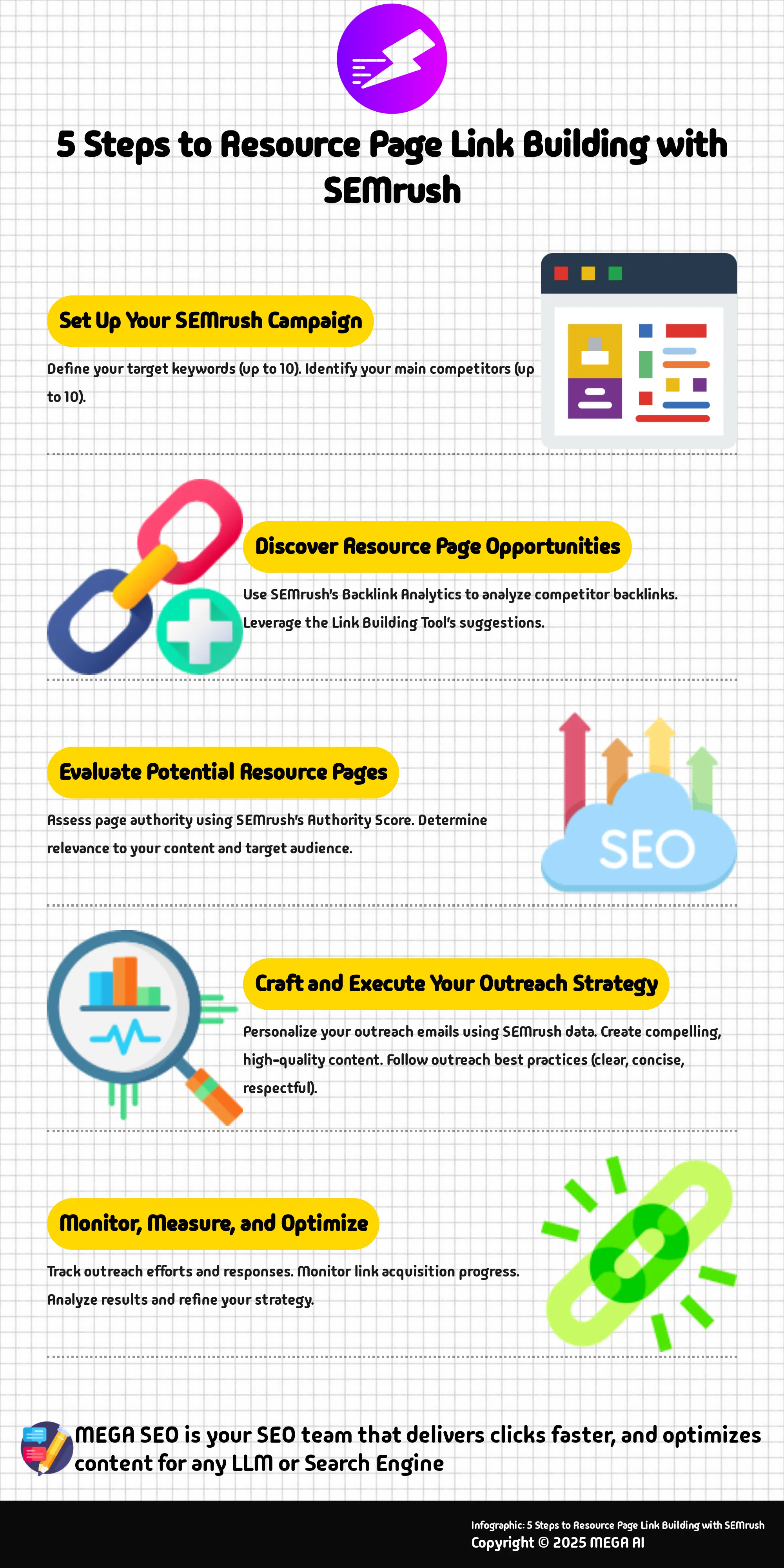
How to Set Up Your SEMrush Campaign for Resource Pages
Getting your SEMrush campaign set up correctly is the first practical step toward uncovering valuable resource page link building opportunities. Think of this initial configuration as laying the groundwork; it tells SEMrush what to look for, ensuring the prospects it finds are aligned with your specific SEO goals. While the idea of sifting through potential link prospects might seem daunting, a methodical setup can make the process much more manageable and effective. This stage is all about defining your targets so the tool can do its heavy lifting.
Many businesses, especially startups and small teams, find that tools like SEMrush significantly streamline their SEO strategies. By clearly inputting your desired keywords and identifying key competitors, you empower SEMrush to gather targeted data. This means the list of potential resource pages you eventually work with will be much more refined and relevant from the get-go. Taking the time to thoughtfully complete these initial steps will save you considerable effort down the line and increase the likelihood of acquiring high-quality backlinks that genuinely contribute to your site's authority and search engine ranking. Let's walk through how to get this campaign off the ground.
Configure the Link Building Tool
Your journey into resource page link building with SEMrush begins within your Projects dashboard. Once you're there, look for the Link Building widget; you should see a setup button that kicks off the process. SEMrush has designed this to be quite straightforward, guiding you through the necessary inputs. The main goal here is to provide the tool with enough information to start its search for potential link-building targets.
The configuration process primarily involves two key stages: entering the keywords you want to improve your ranking for and listing your main competitors. This isn't just about filling in blanks; it's about strategically directing SEMrush’s powerful crawlers and database to work specifically for your niche and objectives. Completing this step carefully ensures that the subsequent prospect discovery phase is as targeted and efficient as possible.
Select Your Keywords and Competitors
When it comes to keywords, SEMrush allows you to input up to 10 that you're aiming to rank higher for. While the platform often provides helpful suggestions based on your domain or initial input, you have complete control to customize this list. It's wise to choose keywords that are not only relevant to your content but also have a realistic chance of ranking improvement through link building. Consider your target region as well, as this can refine the search.
Similarly, you can add up to 10 competitors. This step is invaluable because SEMrush will analyze their backlink profiles, which can reveal resource pages that link to them and might also link to you. It’s a smart way to find proven link opportunities. The Link Building Tool's setup uses this information to populate a list of prospects, giving you a solid starting point for your outreach.
Identify Relevant Resource Pages
Once SEMrush has processed your keywords and competitors, it will present you with a list of potential link-building prospects. Now, the crucial task is to identify which of these are genuinely relevant resource pages within your niche. This step often requires the most manual effort and careful judgment, but its importance cannot be overstated. Targeting the right opportunities is fundamental to successful resource page link building.
As you sift through the prospects, you're looking for pages that curate lists of helpful links and information for a specific audience—an audience that would also find your content valuable. Focusing your outreach on highly relevant pages significantly increases your chances of securing a backlink and ensures that the link contributes positively to your SEO performance, a key aspect of any resource page link building strategy. This careful vetting process is what separates a scattergun approach from a strategic one.
How to Find and Analyze Resource Pages with SEMrush
With your SEMrush campaign configured, the next step is finding valuable resource pages. SEMrush provides tools to streamline this, helping you pinpoint pages that truly impact your SEO. Let's look at using competitor insights and effectively evaluating potential opportunities.
Use Backlink Analytics for Competitor Insights
One smart way to find resource pages is by seeing who links to your competitors. If a site has a resource page linking to a competitor, they might link to you too, especially if your resource is even better. SEMrush's Backlink Analytics tool is key here. It lets you monitor your own backlink profile and analyze your competitors' backlinks. This tool reveals new and lost links, authority scores, and referring domains.
By studying where competitors get their links, you can uncover resource pages actively linking out to content in your niche. These become prime candidates for your outreach efforts.
Leverage the Link Building Tool to Discover Resource Pages
Beyond competitor backlinks, SEMrush’s dedicated Link Building Tool proactively finds link opportunities. This tool is excellent for resource page link building. After you input your target keywords and competitors during setup, it uses this information to identify potential websites for outreach.
These prospects are often websites that already link to your competitors or rank for your target keywords, making it much simpler to find relevant resource pages. The tool provides a list of potential websites, and you can filter and sort through these to pinpoint resource pages. It often categorizes prospects by the type of link opportunity, which can sometimes directly highlight resource or listicle-style pages.
Evaluate Page Authority and Relevance
Finding potential resource pages is just the start; evaluation is next. Not all links offer the same value, so focus on pages that will genuinely benefit your site. Two key factors are page authority and relevance. Building links on sites with content closely related to your niche strengthens your SEO. It signals to search engines that your website is authoritative.
Always check the authority of pages you're considering to ensure they are reputable. SEMrush provides metrics like Authority Score for this. A link from a high-authority, relevant page is far more impactful than many links from low-quality sites. Prioritize well-maintained pages with quality content that fit your resource.
How to Craft Effective Outreach Strategies
After finding promising resource pages with SEMrush, smart outreach is crucial for earning those backlinks. It’s about offering genuine value and building connections, not just asking. Your approach should be personal, highlight your excellent content, and make it easy for page owners to agree. Here’s how to craft strategies that work.
Personalize Your Approach with SEMrush Data
Generic outreach often gets ignored. To stand out, personalize your communication; SEMrush data can really help. Before writing, explore your competitor's backlinks using SEMrush. The Indexed Pages report, for instance, shows content ideas that already attract links from resource pages in your niche.
Understanding what’s working lets you tailor your pitch. Mentioning something specific about their resource page or typical content shows you’ve done your research. For example: "I saw your resource page on [topic] and thought my guide on [related sub-topic] would be a useful addition." This targeted approach is more relevant.
Create Compelling Content for Resource Pages
Your outreach is only as good as your content. Resource pages aim for genuine value, so your content must be a standout asset. As Sendible suggests, you need to "create high-quality, interesting content that people will want to share." This means well-researched, insightful, current material that offers a unique perspective.
Think about what makes a resource truly useful: an in-depth guide, unique data, or an actionable tutorial. Ensure your content is well-structured and easy to read. When your content genuinely enriches their page, owners are more likely to see the benefit of linking to it for their audience.
Follow Best Practices for Contacting Page Owners
When sending your outreach email, keep it professional, clear, and respectful of their time. The goal is to make it easy for them to say yes. Nutshell advises to "be clear, concise, and provide all necessary information upfront." Briefly introduce yourself, explain why you're reaching out, state how your content benefits their audience, and include a direct link to your resource.
To simplify things, suggest a specific spot for your link and perhaps relevant anchor text. This shows you’ve considered how your content fits and reduces their effort. Always maintain a polite tone and proofread carefully. A polished email reflects well.
Explore Advanced SEMrush Techniques for Resource Links
Once you've got a handle on the basics of using SEMrush for your resource page link building, you're ready to explore some more sophisticated strategies. Think of it as moving from playing scales to composing a symphony. These advanced techniques allow you to delve deeper into the data, uncover more nuanced opportunities, and truly refine your approach for outstanding results. In the competitive world of SEO, simply finding resource pages isn't always enough; you need to find the best ones and approach them strategically. By fully harnessing the comprehensive suite of tools SEMrush offers, you can gain a distinct edge. This means not just identifying potential links, but understanding the landscape, your competitors, and the kind of content that truly resonates with resource page curators. Let's look at a few powerful methods that can significantly enhance your link building efforts and help you secure those high-quality backlinks that make a real difference to your site's authority and visibility.
Utilize the Domain Overview Feature
SEMrush's Domain Overview tool is an excellent starting point for a comprehensive analysis of any website, including those of your direct competitors. It provides a holistic snapshot of a domain's online presence, detailing its organic search performance, paid search strategies, and, most importantly for our purposes, its complete backlink profile. According to Backlink Works, this feature is invaluable because it "allows you to identify potential resource pages that link to competitors, giving you insights into where you might also gain backlinks." By carefully examining the "Referring Domains" report for your competitors, you can uncover resource pages that find their content valuable. This isn't just about seeing who links to them; it's about understanding why and identifying patterns that you can leverage for your own high-quality content.
Implement Keyword Research for Precise Targeting
Effective keyword research is a fundamental pillar of any successful SEO strategy, and it plays an equally critical role in resource page link building. To ensure your outreach is as effective as possible, you need to identify the precise terms and phrases that your target audience uses when searching for information related to your niche. SEMrush offers a suite of powerful keyword research tools that can help you uncover these valuable search terms, including long-tail keywords and questions that often form the basis of comprehensive resource pages. As Outreach Monks aptly puts it, this allows you to "tailor your outreach efforts to align with these terms." When your content directly addresses the topics highlighted by these keywords, your pitch to a resource page owner becomes significantly more relevant and persuasive, increasing your chances of securing a link.
Leverage SEMrush's Indexed Pages Report
Gaining insight into which of your competitors' pages are recognized and valued by search engines can provide a significant strategic advantage. SEMrush's Indexed Pages report (found within the Organic Research section) allows you to see exactly which pages on a competitor's site have been crawled and added to the search engine's index. This information is particularly useful because, as The HOTH highlights, it "can guide your content creation and outreach strategy." If you notice that certain types of content—perhaps detailed guides, comprehensive lists, or original research—are frequently indexed and also appear on resource pages, it’s a strong indicator of what kind of material attracts links. You can then focus on creating similar, or ideally superior, content that is well-structured, informative, and highly valuable, making it an irresistible addition to relevant resource pages.
How to Manage Your Resource Page Link Building Campaign
Managing your resource page link building campaign effectively is just as important as finding the opportunities in the first place. Consistent tracking and analysis ensure your efforts translate into valuable backlinks that strengthen your site's SEO. Let's look at how you can stay on top of your campaign.
Track Your Outreach Efforts and Responses
This is where good organization really shines. Keeping a detailed record of every website you contact is fundamental. I recommend noting down the date of your outreach, the specific person or email address you reached out to, and the resource page where you suggested your content. When responses come in, log those too – whether it’s a yes, a no, or a request for more information. This systematic approach helps you avoid sending duplicate emails, allows for timely follow-ups, and gives you clear insight into which outreach messages are effective. You can use a simple spreadsheet for this, or explore features within SEMrush's Link Building Tool to manage communications.
Monitor Your Link Acquisition Progress
Once your outreach messages are sent, you’ll want to see the results. This means regularly checking for new backlinks pointing to your site. Tools like SEMrush's Backlink Analytics are incredibly helpful here. You can use SEMrush's Backlink Analytics tool to spot new links as they appear and also to notice if any previously acquired links have been lost. It's a good practice to set a weekly schedule for this review. This consistent monitoring shows you which outreach efforts were successful and helps you quickly identify potential issues, like a link being implemented with a 'nofollow' tag when you expected 'dofollow'.
Measure Success and Optimize Your Results
Acquiring links is a great step, but their quality and impact matter most. Beyond just counting new links, assess the authority and relevance of the pages linking to you. A link from a high-authority, relevant resource page is far more valuable than several links from low-quality sites. It's also crucial to identify potentially harmful links that could negatively affect your SEO. If you find such links, you might need to disavow them to protect your site’s standing with search engines. Regularly analyzing these aspects allows you to refine your targeting and outreach strategy, focusing on acquiring links that truly contribute to your SEO goals.
How to Overcome Common Link Building Challenges
Building links, especially for resource pages, can present a few bumps in the road. You might find yourself facing common hurdles that many digital marketers encounter. The good news is that with thoughtful strategies and the capabilities of tools like SEMrush, you can effectively manage these issues and keep your link building efforts moving forward. Let's explore how to tackle some frequent challenges you might come across.
Address Low Response Rates Strategically
It can be frustrating when your outreach emails don't get the replies you hoped for. Often, low response rates happen because the outreach feels too generic or doesn't quite hit the mark for the recipient. To improve this, it’s important to refine your outreach strategy by making sure your emails are personalized and directly relevant to what the recipient cares about. Use the insights you gather from SEMrush about a resource page owner’s site or their existing content to tailor your message. Mentioning something specific you admire about their resource page or clearly explaining how your suggested content uniquely adds value to their existing material shows you’ve put in the effort and can significantly increase your chances of a positive response.
Deal with Content Relevance Issues
A fundamental principle of successful link building is relevance. Search engines, and indeed your audience, value links that make logical sense within the context of the content. If you're aiming to get a link from a resource page focused on organic urban farming, offering content about stock market trends probably won't be a good match. It's always best to choose websites with content that is closely related to your own niche or industry. SEMrush can be a great help here, allowing you to identify resource pages that are topically aligned with your content by analyzing keywords and looking at competitor backlink profiles. Securing links in the right context not only supports your SEO but also helps establish your website as a credible and trustworthy voice in your field.
Avoid Common Pitfalls in Outreach and Follow-Up
Beyond ensuring relevance and personalization, a few other common issues can hinder your link building success. It's vital to be mindful of the quality of the websites you're targeting; links from spammy or low-authority sites can actually harm your SEO. You should regularly audit your backlink profile using tools like SEMrush to identify and, if necessary, disavow any harmful links to keep your profile clean. When it comes to your outreach process, make sure your efforts are well-targeted. A polite and timely follow-up can often make a difference, but it's a balance – avoid being overly persistent. Understanding common mistakes, including general tool usage like potential SEMrush errors, can also offer valuable lessons for maintaining a professional and effective outreach system.
How to Maximize SEMrush for Long-Term Link Building Success
Achieving sustainable link building success isn't just about short-term wins; it's about building a strong, authoritative backlink profile that stands the test of time. SEMrush is a powerful ally in this endeavor, but to truly maximize its potential, you need a strategic, long-term approach. This involves not only using its features effectively but also integrating its insights into your broader SEO strategy and staying adaptable. By focusing on quality and consistency, you can build a resilient link profile that continuously supports your website's growth and search engine rankings. Think of it as laying a solid foundation for your online presence, brick by valuable brick. This approach ensures that your efforts today continue to pay dividends well into the future, helping you maintain a competitive edge. Let's look at how you can make the most of SEMrush for lasting results.
Integrate SEMrush Data with Other Tools
While SEMrush offers a comprehensive suite of tools, integrating its data with other platforms can provide a more holistic view of your link-building landscape. For instance, you might use a CRM to manage your outreach communication or project management software to track your link-building tasks. Exporting prospect lists or backlink audit data from SEMrush allows you to seamlessly incorporate this information into your existing workflows. Using SEO tools like Ahrefs or Semrush to find backlink opportunities can significantly enhance your link-building strategy. These tools allow you to analyze competitors' backlinks and identify potential sites for outreach, creating a more robust dataset for your campaigns. This synergy ensures that the valuable insights gleaned from SEMrush are actively used across all facets of your link-building efforts, leading to more organized and effective campaigns.
Stay Current with SEMrush Features and Updates
The digital marketing landscape is constantly evolving, and so are the tools designed to help you succeed in it. SEMrush frequently updates its platform, adding new features and refining existing ones to provide users with the most current and effective capabilities. To maximize SEMrush for long-term success, it's important to stay informed about these changes. Regularly check your backlink profile using tools like Backlink Analytics to stay informed about your link status and identify any new opportunities or issues. Subscribing to SEMrush's newsletters, following their blog, and participating in webinars can help you learn about new functionalities that could streamline your link-building process or uncover new opportunities. Staying proactive with these updates means you're always equipped with the latest methods to keep your strategy effective.
Get Actionable Tips for Sustainable Link Building
Sustainable link building is about quality, not just quantity. It's about earning links that genuinely add value to your site's authority and relevance. SEMrush can guide you in this, but the underlying principles of good link building remain crucial. Always focus on earning high-quality backlinks from authoritative and relevant websites, as these links will provide the most value to your SEO efforts. A key strategy is to create high-quality, linkable content that naturally attracts backlinks; this approach not only helps in building links but also enhances your site's overall authority. Equally important is to avoid buying links or using spammy tactics, as this can harm your website's ranking and credibility in the long run. Consistently applying these principles, supported by SEMrush's analytical power, will help you build a strong and enduring backlink profile.
Related Articles
- Basics of Link Building: Guest Blogging, Broken Link Building, Skyscraper Technique, and Resource Page Link Building - MEGA SEO | Blog
- Link Building Strategies: The Ultimate Guide (2024)
- Link Building Strategies: The Complete Guide
- Basics of Link Building: Definition, Importance, and Types of Links - MEGA SEO | Blog
- Link Building 101: Definition, Types & Best Practices
Frequently Asked Questions
How quickly can I expect to see SEO improvements from resource page links? The timeline for seeing SEO benefits from resource page links can vary. Search engines need time to discover new links and re-evaluate your site's authority. Generally, you might start noticing positive movements in a few weeks to a few months, depending on the authority of the linking page, how quickly it's crawled, and your overall site health. It's a strategy that builds momentum over time.
Is resource page link building a good strategy for brand new websites? Yes, resource page link building can be a solid strategy for new websites. It helps establish initial authority and relevance. Since resource pages are designed to link out to helpful content, securing a few quality placements can give your new site a good foundation and start driving relevant traffic. Just be sure your content is genuinely valuable and a good fit for the resource pages you target.
What makes a resource page link different from other types of backlinks, like those from guest posts? A resource page link typically comes from a curated list of helpful links on a specific topic, where your content is listed as a valuable resource. The primary purpose of the linking page is to direct users to useful external information. Guest post links, on the other hand, are usually embedded within an article you've written and published on someone else's website. Both can be valuable, but resource page links often highlight your content as a standalone recommendation.
Besides SEMrush, are there other ways to find resource page opportunities if I'm on a tight budget? While SEMrush offers powerful features, you can certainly find resource page opportunities manually if you're working with a smaller budget. You can use advanced Google search operators like "your keyword" + "resources," "your keyword" + "helpful links," or "your keyword" + "useful sites." This method requires more manual sifting, but it can uncover good prospects.
How often should I be looking for new resource page opportunities? Consistent effort is key in link building. For resource pages, it's a good idea to dedicate some time regularly, perhaps monthly or quarterly, to search for new opportunities. The web is always changing, with new resource pages being created and old ones updated. Regular searching ensures you don't miss out on fresh chances to earn valuable links.