
Receiving a negative review can feel like a direct hit to your business, especially when you’ve poured your heart into it. The natural instinct might be to get defensive or simply ignore the comment and hope it goes away. However, a well-handled negative review can be more powerful than a dozen positive ones. It presents a public opportunity to demonstrate your professionalism, showcase your commitment to customer satisfaction, and even win back an unhappy customer. For prospective buyers watching from the sidelines, seeing you resolve a problem gracefully can build more trust than a perfect record. This article will walk you through how to handle criticism constructively and turn difficult feedback into a testament to your brand’s integrity.
Key Takeaways
- Responding to reviews directly impacts your business growth: Engaging with customer feedback improves your local search visibility, builds trust with potential buyers, and offers free insights into what your customers value most.
- Personalize positive responses and professionalize negative ones: Acknowledge specific details in glowing reviews to build loyalty. When faced with criticism, respond promptly and professionally with a solution, then take the conversation offline to resolve the issue.
- Create a simple, scalable management system: You don't need a complex process. Designate a person to monitor reviews, use templates as a starting point for replies, and maintain a consistent brand voice to manage your reputation effectively.
Why Do Customer Reviews Matter for Small Businesses?
For a small or local business, your reputation is everything. Online reviews are the modern-day word-of-mouth, shaping how potential customers perceive your brand before they even visit your website or walk through your door. They are a powerful form of social proof that can either build immediate trust or create hesitation. When customers see you actively engaging with feedback, it signals that you value their experience and stand behind your products or services.
Customer reviews are also a significant factor in your local search ranking. Search engines like Google see a steady stream of positive reviews—and your responses to them—as a sign that your business is active, credible, and important to the community. By answering both good and bad reviews, your business shows that you care about customer satisfaction, which can directly influence your visibility in local search results and on maps.
Beyond marketing, reviews offer a direct line of communication with your customers. They provide honest insights into what’s working well and where you have opportunities to improve. Positive feedback validates your efforts and can be a great morale booster for your team. Negative reviews, while tough to read, are invaluable. They pinpoint specific issues, giving you a chance to fix problems, win back an unsatisfied customer, and show other potential buyers that your business is committed to excellent service. For small business owners who often lack a dedicated marketing team, a strategic approach to reviews is one of the most efficient ways to make a tangible impact.
How Responding to Reviews Impacts Your Business
Responding to customer reviews is much more than just good etiquette; it’s a critical part of managing your online reputation and driving growth. For small and local businesses, every customer interaction counts, and reviews are a public record of those experiences. When you actively participate in the conversation, you show both current and potential customers that you are present, engaged, and committed to their satisfaction. This simple act helps build trust and fosters customer loyalty over time.
Your responses also have a direct impact on your digital footprint. Search engines like Google favor businesses that are active and responsive. By answering both good and bad reviews, you signal that your business is operational and values customer feedback. This consistent engagement can improve how visible your business is in local search results, making it easier for new customers to find you. Think of each response as a small piece of fresh content that keeps your online profiles relevant.
Beyond visibility, your replies are a powerful tool for customer service. A thoughtful response to a negative review can effectively mitigate a poor experience, demonstrating accountability and a willingness to make things right. For prospective customers reading through your reviews, seeing that you handle criticism professionally can be more persuasive than a page full of only positive feedback. It shows you’re a real business that cares about solving problems, turning every review into an opportunity to strengthen your brand.
What Makes an Effective Review Response Strategy?
A solid review response strategy is your playbook for handling customer feedback. It ensures every reply, whether to a glowing recommendation or a critical comment, reinforces your brand’s commitment to customer satisfaction. For small businesses, where every customer interaction counts, having a clear plan helps you build trust and manage your online reputation effectively.
The core of a great strategy rests on three simple but powerful principles: being timely, professional, and personal. Mastering these will help you protect your brand and strengthen customer relationships.
Respond Quickly and Consistently
Responding to reviews quickly shows that you value customer feedback and are committed to the customer experience. Aim to reply within 24 to 48 hours. This promptness can soften the impact of a negative review by showing you’re attentive and ready to address issues. For positive reviews, a quick response capitalizes on the customer's excitement. Consistency is just as important. Replying to all reviews, not just a select few, shows that every customer's voice matters to you. This creates a reliable and trustworthy brand image for anyone reading your reviews.
Maintain a Professional Tone
No matter what a review says, your response should always be calm, respectful, and professional. Remember that your reply is public and will be seen by potential customers. By graciously responding to both positive and negative comments, you not only address the original reviewer but also demonstrate professionalism to a much wider audience. Avoid getting defensive or emotional, especially with negative feedback. Instead, stick to the facts and keep the tone helpful and constructive. This approach shows that your business is mature, confident, and truly focused on service.
Personalize Your Responses
A generic "Thanks for your feedback" is easy to ignore. A personalized response, on the other hand, makes a real impact. Take a moment to reference a specific detail from the customer’s review. Did they love a particular product or mention an employee by name? Acknowledging these points shows you’re not just using a template. This level of personalization helps build a connection with your customers and makes them feel genuinely heard and appreciated. It’s a small effort that can turn a happy customer into a loyal advocate for your brand.
How Should You Respond to Positive Reviews?
Positive reviews are more than just a nice confidence boost; they are powerful social proof and a valuable marketing opportunity. When a customer takes the time to share a good experience, they’re handing you a chance to strengthen that relationship and show potential customers what your business is all about. Ignoring these comments is a missed opportunity to build loyalty and amplify your brand's positive reputation.
A thoughtful response strategy does two things. First, it makes the happy customer feel seen and appreciated, increasing the likelihood they’ll return and recommend you to others. Second, it shows prospective customers browsing your reviews that you are an engaged and caring business owner. Your reply is just as public as the original review. By responding strategically, you can reinforce the positive points the reviewer made, add a human touch to your brand, and encourage a cycle of positive feedback. The key is to move beyond a simple "thank you" and create a genuine connection.
Show Genuine Gratitude
The first step in any positive review response is to express sincere appreciation. A customer chose to spend their time writing about their good experience, and that deserves a genuine thank you. Happy customers are one of your best marketing assets, and acknowledging their feedback makes them feel valued. This simple act reinforces their positive feelings and makes it more likely they will become a loyal, repeat customer.
Instead of a generic, copy-pasted reply, try to convey warmth and sincerity. Phrases like, "Thank you so much for taking the time to share your experience," or "We were so happy to read your review," feel much more personal than a simple "Thanks." This small effort shows there’s a real person behind the screen who cares about the customer’s happiness, which helps build a stronger, more authentic brand image.
Highlight Specific Feedback
To make your response even more impactful, go beyond a general thank you and mention a specific detail from the customer's review. This proves you’ve actually read and absorbed their comments, rather than just sending an automated reply. Referencing a particular product they enjoyed, a team member who helped them, or a feature they found useful makes your appreciation feel tailored and authentic. It also helps reinforce that positive point for other potential customers reading the reviews.
For example, if a customer at a local bakery writes, "The almond croissant was flaky and delicious," your response could be, "We're so glad you enjoyed the almond croissant. Our bakers work hard on getting that recipe just right." This not only validates the reviewer's experience but also subtly advertises a popular item. This technique turns a simple reply into a powerful testimonial for your business.
Encourage Future Engagement
A great review response closes the loop by inviting the customer to continue their relationship with your business. When a customer leaves a glowing review, they are in a positive moment of engagement with your brand. Use this opportunity to encourage them to come back. A simple and friendly closing like, "We look forward to seeing you again soon," or "We can't wait to help you with your next project," can make a significant difference.
You can also use this as a chance to offer a light suggestion. For instance, "Next time you visit, you might also enjoy our seasonal latte." This not only encourages a return visit but also provides a helpful tip that enhances their customer experience. By ending on a forward-looking note, you transform a one-time transaction into the potential for a long-term, loyal relationship.
How Do You Handle Negative Reviews Professionally?
Negative reviews can feel like a personal attack, especially when you’ve poured everything into your business. But a thoughtful response can turn a bad experience into a demonstration of your commitment to customer satisfaction. The key is to approach the situation with a clear strategy instead of emotion. A professional response not only addresses the unhappy customer but also shows potential new customers that you take feedback seriously and are dedicated to providing a great experience.
For small and local businesses, online reputation is a critical asset. How you manage criticism in a public forum can directly impact your local SEO and a customer's decision to choose you over a competitor. By handling negative feedback gracefully, you can mitigate damage, rebuild trust, and sometimes even win back a customer for life. It’s an opportunity to control your brand’s narrative and showcase your professionalism.
Acknowledge Concerns, Not Defensiveness
The first step is always to acknowledge the customer's complaint and validate their feelings. Start your response by thanking them for their feedback and apologizing for their negative experience. It’s important to show empathy and let them know you’re listening. Avoid making excuses or getting into a public debate about what happened. A simple, sincere acknowledgment shows that you value their perspective, which can immediately de-escalate the situation. Responding quickly is also crucial, as it shows you are attentive and care about resolving issues promptly.
Offer a Solution
After acknowledging the issue, your next move is to offer a clear path to resolution. This demonstrates that you are proactive and committed to making things right. Depending on the situation, this could be a refund, a replacement product, or a discount on a future purchase. If the complaint involves a company policy that can't be changed, briefly and politely explain the reasoning behind it. The goal is to show that you are taking action. This not only helps the customer who left the review but also signals to other readers that you are a responsible and customer-centric business.
Take the Conversation Offline
For issues that require a more detailed discussion or involve sensitive customer information, it’s best to move the conversation to a private channel. After your initial public apology and offer to help, invite the customer to contact you directly via email or phone. This prevents a lengthy, public back-and-forth and allows you to gather the specific details needed to resolve the problem effectively. Providing a direct contact person or email address makes the process feel more personal and shows you are genuinely invested in finding a solution. This is a standard practice for effective conflict resolution.
How to Use Reviews to Engage Customers
Customer reviews are more than just a report card for your business; they are direct lines of communication with the people who matter most. Each review, whether it’s a five-star rave or a one-star critique, is an opportunity to deepen your relationship with your audience. Engaging with this feedback shows that you’re not just a faceless company, but a group of real people who listen and care. This interaction transforms a simple transaction into a memorable experience, fostering a sense of community around your brand.
For small and local businesses, this level of engagement is a significant advantage. While larger corporations might rely on automated, impersonal responses, you can build genuine connections that create loyal customers and brand advocates. By treating reviews as conversations, you can gather valuable insights, demonstrate your commitment to customer satisfaction, and actively manage your online reputation. This proactive approach doesn't just solve problems; it builds a stronger, more resilient business based on trust and mutual respect. It shows both current and potential customers that you stand behind your service and are dedicated to providing the best possible experience.
Build Personal Connections
Responding to reviews shows that you genuinely appreciate your customers taking the time to share their thoughts. When someone leaves a positive comment, they are still in that positive moment, making it the perfect time to reinforce their good feelings. A personalized reply that mentions a specific detail from their review confirms that you’ve read their feedback carefully. This simple act makes customers feel heard and valued, strengthening their connection to your brand. Happy customers are one of your best marketing assets, and a thoughtful response makes it more likely they’ll recommend you to others.
Use Feedback as a Learning Opportunity
Every review contains a piece of valuable data you can use to improve your business. By understanding the significance of online reviews, you can turn all feedback into opportunities for growth. Positive comments highlight what you’re doing right, giving you clear signals on what to continue or even expand upon. Negative reviews, while tougher to read, are often even more valuable. They pinpoint specific areas for improvement in your products, services, or customer experience. This direct feedback is a gift that can guide your business strategy and help you better meet customer needs.
Create Relationship-Building Opportunities
Engaging with reviews is a powerful tool for relationship management. When a customer shares a glowing review, your response can turn their satisfaction into long-term loyalty. You’re not just thanking them; you’re inviting them to continue being a part of your brand’s story. For negative reviews, a prompt and empathetic response can turn a bad experience around. When you act quickly to apologize, show you understand their frustration, and offer a real solution, you can often salvage the relationship and demonstrate your commitment to service. This can even convert a dissatisfied customer into a loyal one.
How Can You Measure Your Review Response Strategy?
Responding to reviews feels good, but to make it a true growth driver, you need to measure its impact. A data-informed approach helps you understand what’s working and where you can improve, turning a simple customer service task into a powerful part of your marketing engine. By tracking a few key metrics, you can see how your efforts translate into tangible business results, from improved brand perception to a healthier bottom line. The goal is to move beyond just reacting to feedback and start proactively shaping your brand’s reputation.
Track Customer Sentiment
Customer sentiment is the emotion behind the words in a review. Is the customer happy, frustrated, or just neutral? Tracking this over time gives you a clear picture of how people perceive your brand. When you start responding thoughtfully to reviews, you should see a gradual shift. Applying sentiment analysis helps quantify these emotional responses, moving beyond simple star ratings. For example, you might notice that while your average star rating stays the same, the language in negative reviews becomes less angry and more constructive. This indicates that customers feel heard, even when they have a problem, which is a huge win for your brand’s reputation.
Monitor Review Volume and Quality
The number of reviews your business receives is a direct signal of customer engagement. When potential customers see that you actively reply to feedback, they are often more encouraged to share their own experiences. A steady increase in the volume of reviews can be a sign that your response strategy is fostering a stronger community. Pay attention to the quality of these new reviews, too. Are they more detailed? Do they mention specific employees or positive experiences you’ve highlighted in previous responses? An increase in both the quantity and substance of your reviews shows that your engagement efforts are paying off.
Measure Customer Retention
A great review response can turn an unhappy customer into a loyal advocate, which directly impacts your bottom line. While it can be hard to draw a straight line from one review response to a specific sale, you can track broader trends in customer retention. One of the most important metrics here is Customer Lifetime Value (CLV), which represents the total revenue you can expect from a single customer account. If you implement a consistent review response strategy and notice a drop in customer churn or an increase in repeat purchases over the following months, it’s a strong sign that your efforts are strengthening customer loyalty and contributing to long-term growth.
What Common Mistakes Should You Avoid?
Knowing you should respond to reviews is one thing; knowing how to do it effectively is another. Even with the best intentions, it’s easy to fall into common traps that can do more harm than good. For small business owners who are already short on time, these missteps can undermine the effort you put into building a positive reputation. A poorly handled response can be just as damaging as no response at all.
The key is to approach every response with a clear strategy. This means avoiding generic replies that feel impersonal, letting feedback sit for too long, or reacting emotionally to criticism. Each of these mistakes sends a message to both the reviewer and the potential customers who are watching how you handle feedback. By understanding these pitfalls, you can create a response process that consistently strengthens customer relationships and protects your brand’s image. A thoughtful approach shows you’re not just checking a box—you’re actively listening and committed to providing a great experience.
Generic or Robotic Responses
An effective reply does more than just say "thank you." When a customer takes the time to leave a detailed positive review, a generic response can make them feel unheard and unappreciated. Avoid one-size-fits-all templates that lack any personal touch. Instead, your response should acknowledge the specific points the reviewer made. This shows you’ve actually read their feedback and value their input.
This practice helps reinforce your brand’s values and turns a happy customer into a loyal advocate. A personalized reply that mentions the product they loved or the team member who helped them feels genuine and strengthens their positive perception of your business. This simple act of acknowledging specific feedback makes the interaction memorable and encourages others to share their own positive experiences.
Delayed or Inconsistent Replies
In the world of online reviews, timing is critical. Customers expect businesses to be engaged and responsive. A good rule of thumb is to reply within 24 to 48 hours. A prompt response shows that you are attentive and that you value customer feedback. When reviews are left unanswered for days or weeks, it can give the impression that you don’t care about your customers' experiences, which can frustrate both the original reviewer and anyone else reading the exchange.
Consistency is just as important as speed. Replying to some reviews while ignoring others can seem arbitrary and unprofessional. It’s better to establish a consistent workflow for monitoring and responding to all feedback. This ensures every customer feels heard and demonstrates that you are committed to maintaining an open line of communication with your audience.
Getting Defensive or Emotional
It’s natural to feel protective of your business, but responding defensively to a negative review will only escalate the situation. When a customer expresses frustration, your first step should be to listen and understand their perspective, not to argue. Avoid making excuses or blaming the customer. Instead, focus on acknowledging their concerns with empathy and professionalism. This approach shows that you are taking their feedback seriously.
Being open and forthcoming can help de-escalate the situation and demonstrates your commitment to customer satisfaction. An emotional or argumentative reply can damage your reputation and deter potential customers. By maintaining a calm and helpful tone, you can often turn a negative experience into an opportunity to showcase your excellent customer service and resolve the issue constructively.
How to Build a Scalable Review Management System
As your business grows, managing customer reviews on an ad-hoc basis becomes unsustainable. A stray negative review can sit unanswered for weeks, while positive ones go unacknowledged. Creating a scalable system ensures that every customer feels heard and that your online reputation is actively managed, not just reacted to. A structured approach saves time, maintains consistency, and turns your review platforms into a powerful tool for customer engagement and retention.
Set Up a Response Workflow
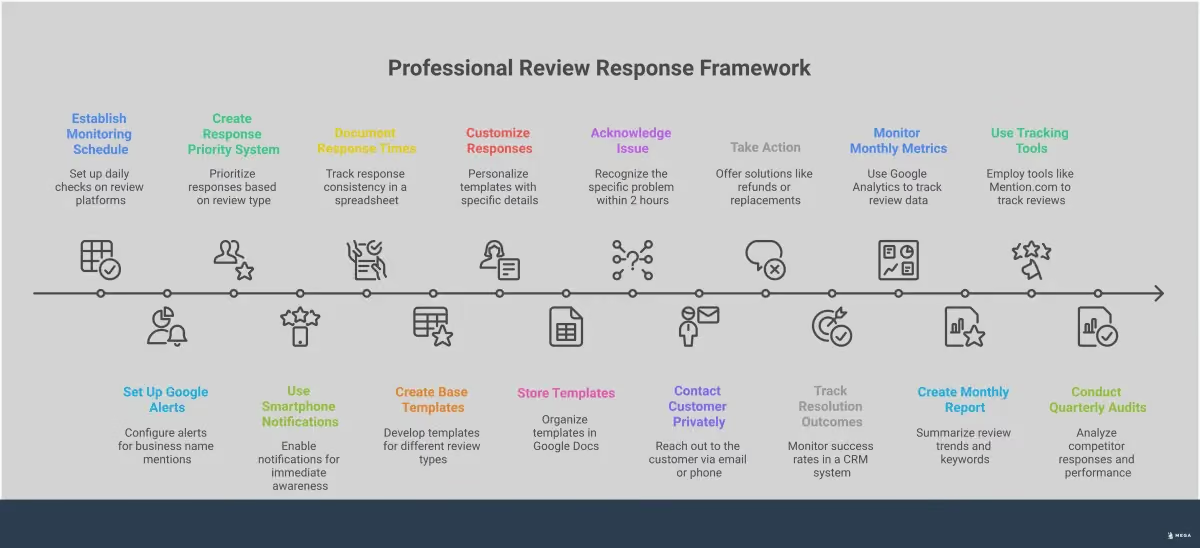
A response workflow is a simple plan that outlines how your business handles reviews from start to finish. It clarifies who is responsible for monitoring reviews, how often they should check, and which platforms to prioritize. Start by assigning a point person—even if it’s you—to check major sites like Google, Yelp, and Facebook daily. By answering both good and bad reviews, you show current and potential customers that you value their feedback. This process doesn’t need to be complicated. It just needs to be consistent so that no review slips through the cracks.
Create Team Guidelines
To maintain a consistent brand voice, you need clear guidelines for your team. These rules should define your company’s tone—whether it’s friendly and casual or more formal—and provide a framework for responding. A great starting point is to create a few response templates for common scenarios, like a simple thank you for a positive review or an apology for a negative experience. Your guidelines should also include instructions on when to escalate a particularly difficult review to a manager. This ensures every response is professional, on-brand, and helpful, no matter who writes it.
Automate Without Losing the Personal Touch
Automation can make your workflow more efficient, but it should never replace genuine interaction. While tools can help you monitor reviews and use templates, the most important part of the response—personalization—is still manual. An effective positive review reply does more than say thanks; it references a specific detail from the customer’s feedback. For negative reviews, a canned response can make a bad situation worse. Use templates as a foundation, but always customize your reply to address the reviewer’s unique experience. This balance of efficiency and personalization helps you scale your efforts while strengthening customer relationships.