
Seeing an embarrassing photo or false information about yourself in Google search results is frustrating. It’s natural to want it gone. But can you actually remove content from Google? The answer isn't a simple yes or no, as Google must balance the public's right to know with individual privacy. This guide cuts through the confusion. We'll explain Google's content removal policies, showing you exactly what qualifies for a removal request. You'll get a practical, step-by-step walkthrough of the process, helping you manage your online reputation effectively.
Key Takeaways
- Google’s content removal policies are specific: Focus on violations of Google’s policies, infringement of rights, or content that creates safety risks. Understanding these policies is the first step to a successful removal.
- Accurate and complete requests are essential: Use the right form, provide exact URLs, and include supporting documentation. This streamlines the process and avoids rejections.
- Manage your online presence proactively: Create positive content to build a strong online reputation and minimize the impact of negative content, even if removal isn’t possible.
What Content Can You Remove from Google Search?
You can request removal of certain types of content from Google Search results, though Google doesn’t remove everything. Understanding Google’s content removal policies is the first step. Generally, content violating Google’s policies, infringing on your rights, or posing a safety risk has a higher chance of being removed.
Consider the type of content you want removed, as this determines the removal process. Removing personal information like your phone number and address follows a different procedure than reporting copyright violations. Getting rid of explicit images requires a different approach than dealing with outdated content. Knowing these distinctions streamlines your efforts. Google may remove personally identifiable information (PII) that creates significant risks of identity theft, financial fraud, or other harms. Keep in mind that Google won’t remove all negative content. There are other tools and strategies to minimize its impact, however.
Personal and Financial Information
Google provides a process to remove sensitive personal and financial information from its search results. This policy is designed to protect you from potential harm like identity theft or financial fraud. According to Google, "You can ask Google to remove some of your private personal information from its search results." It's important to understand that this action only removes the content from Google's search index. The information may still exist on the original website, and you would need to contact the website owner directly to have it taken down from the source.
Examples of Removable Information
Google's policy covers specific types of personal data that present a high risk of harm if made public. You can request the removal of content that displays:
- Confidential government identification numbers like a Social Security Number or national ID.
- Bank account or credit card numbers.
- Images of your handwritten signature or official identification documents.
- Highly personal and restricted records, such as private medical records.
- Personal contact information like your home address, phone number, or private email address.
Each request is evaluated to determine if the content poses a significant risk. The goal is to balance personal safety with the public's right to access information.
Non-Consensual Explicit Imagery
Google maintains a strict policy against non-consensual explicit imagery, recognizing the severe distress and harm it can cause. If intimate, nude, or sexual photos or videos of you have been shared without your consent, you can request their removal from search results. As Google's policy states, "You can ask Google to remove different types of personal content from its search results. This includes nude or sexual material that was shared without your permission." This is a high-priority category for removal, and Google provides a dedicated form to report this content quickly and confidentially.
Real and AI-Generated Content
The policy protecting individuals from non-consensual explicit imagery is broad and has adapted to modern technology. It covers both real and synthetic content. This includes "fake images (like 'deep fakes') or content that wrongly links you to sex work." Whether the image is an actual photograph shared without permission or a digitally altered or AI-generated piece of media, you can request its removal. This ensures that individuals are protected from harassment and reputational damage, regardless of how the harmful content was created.
Content About Minors
Protecting children is a top priority for Google, which has specific and stringent policies for content involving individuals under the age of 18. "Google has special rules for removing images of children, especially if they are nude or sexually explicit." Beyond explicit content, a parent or legal guardian can request the removal of any image of their child from Google Search. This policy acknowledges the unique vulnerability of minors and gives guardians greater control over their child's digital footprint, helping to ensure their safety and privacy online.
Doxxing and Harmful Content
Doxxing occurs when an individual's private information is shared online with malicious intent. Google allows you to request the removal of doxxing content, particularly when it includes threats or encourages harassment. According to Google, you can request removal if the content "includes your personal info with threats, or a lot of your personal info shared without a good reason." While removing harmful content is a critical step, it's also wise to build a strong, positive online presence. A proactive SEO strategy that focuses on creating valuable content can help control your search results and minimize the impact of negative information.
Content from Sites with Exploitative Practices
Some websites operate by posting personal information and then demanding payment to remove it. Google has a firm policy against these exploitative removal practices. "If a website asks you for money to take down personal content, you can report it." You should not have to pay a website owner to remove your personal information from their site. Instead, you can report these sites to Google. If Google determines a site is engaging in these practices, it may de-index the harmful content, preventing it from appearing in search results and discouraging this predatory business model.
What Are Google's Rules for Removing Content?
Google’s content removal policies balance protecting personal information and keeping publicly relevant content accessible. These policies are based on specific criteria Google uses to assess removal requests. Understanding these guidelines is the first step toward getting something removed from search results.
Google may remove personally identifiable information (PII) that creates significant risks of identity theft, financial fraud, or other harm. However, they prioritize keeping publicly relevant information accessible, even if it contains PII, if it contributes to public discourse or awareness. This often applies to information about public figures or newsworthy events.
If the website hosting the content removes it, Google will eventually reflect that change. You can expedite this update using Google’s removal request tools, but addressing the source of the content is the first step.
Google honors valid legal requests for content removal including copyright infringement, defamation, court orders, and certain privacy violations. Providing proper legal documentation is essential for these requests. Clear evidence supporting your claim strengthens your case.
Google reviews all requests against its content guidelines. Requests that don’t meet the criteria are typically denied. This process ensures search results remain comprehensive and reliable while protecting individual rights. If your request doesn’t fall under Google’s personal content policies, explore other options through their Legal Help Center for additional guidance.
Tools and Methods for Content Removal
Google provides several tools to help you manage what appears in search results. The right method depends on your specific situation—whether you’re dealing with personal information, outdated content, or a page on a website you own. Each tool serves a different purpose, so understanding which one to use will make your removal request more effective. Let's look at the primary options available to you.
The "Results about you" Tool
Google’s "Results about you" tool is your starting point for finding and removing personal information that appears in search results. Think of it as a personal monitoring system. It helps you track down search results containing your home address, phone number, or email address. You can then request the removal of these results directly through the tool. This process is designed to protect you from potential harm like identity theft or unwanted contact. It’s a proactive way to manage your digital footprint and take control over how your sensitive, personally identifiable information is displayed online.
The "Refresh Outdated Content" Tool
Sometimes, you succeed in getting content removed from a website, but it still lingers in Google’s search results. This happens because Google hasn't re-crawled the page yet to see the change. The "Refresh Outdated Content" tool is designed for this exact scenario. After you've confirmed the information is gone from the source website, you can use this tool to ask Google to update its index more quickly. It’s important to remember this is a secondary step; you must first contact the website owner to have the content taken down. This tool simply speeds up the process of reflecting that removal in search.
Direct Removal from Search Results
In some cases, you may need to remove private information from Google Search even if the website owner won't take it down. This is where you can request a direct removal from the search results. This action doesn't delete the content from the original website—it only removes the link from Google's search pages. This is a critical distinction. The information will still exist on the internet, but it will be much harder for people to find through a Google search. This method is typically used for sensitive personal information that poses a direct risk to you. You can submit a request to have Google review the content against its policies for removal.
Google Search Console for Site Owners
If you own the website where the content is located, you have more direct control. Google Search Console is a free tool that helps you manage your site's performance in search, and it includes a feature for content removal. You can use it to temporarily hide specific URLs from search results for about six months. This is useful if you accidentally publish a page or need to take something down quickly while you make permanent changes. While this is a temporary fix, it gives you immediate control over your own content. Proactively managing your website's content is a core part of any SEO strategy, and using tools like Search Console is a fundamental step in that process.
How to Start a Google Content Removal Request
Getting content removed from Google requires a specific process. Understanding the steps and requirements upfront can save you time and effort. Let’s break it down:
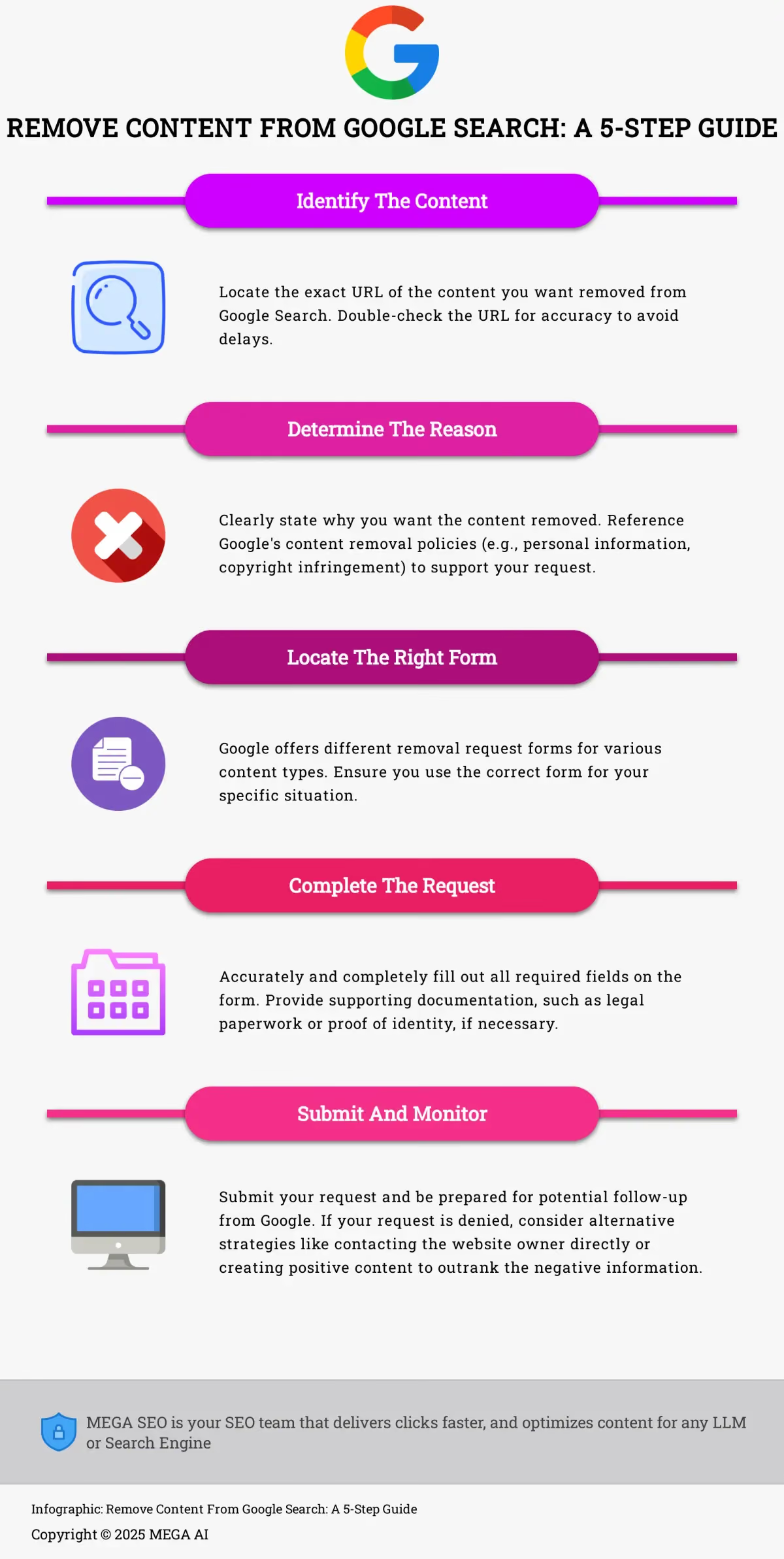
A Step-by-Step Guide for Your Request
-
Start with Google’s Help Center: Search for “remove content” or “removal request” to find the official resources and tools. Review Google’s policies on personal content and product removals, as these guidelines determine whether your request is approved.
-
Find the Removal Request Form: This form is how you formally submit your request. Make sure you’re using the right form for the type of content you want removed.
-
Provide complete and accurate information: Fill out every required field on the form. Double-checking everything before submitting can prevent delays or rejections.
-
Submit your request: After reviewing your submission, send it to Google. The review process takes time, and Google may contact you for additional information.
Practical Tips for Your Submission
To give your request the best chance of success, precision is essential. Provide the exact URLs of the pages containing the content you want removed, not just the URL of the Google search results page. This helps Google’s team locate the specific information you’re referencing. Also, make sure you select the correct category for your request, as the process for removing personal information differs from a copyright claim. Including supporting evidence, such as screenshots or legal documents, will strengthen your case significantly. Understanding Google’s content removal policies is the most critical part, as every submission is reviewed against these guidelines. A clear, accurate, and well-documented request is more likely to be approved without unnecessary delays.
What Information You'll Need to Provide
What to Expect After You Submit a Request
After you’ve submitted your request, the waiting period begins. It’s helpful to understand what happens behind the scenes so you can manage your expectations. Google doesn’t use a fully automated system for these decisions; real people review your case to determine if it meets the criteria for removal. The process is designed to be deliberate to balance the need for information access with individual privacy and safety. You will receive email notifications from Google updating you on the status of your request, so keep an eye on your inbox for any communication, including requests for more information.
The Review Process
Once your request is submitted, a Google team member reviews it against the company’s established content guidelines. Each case is evaluated to see if it violates a specific policy, such as those concerning doxxing, non-consensual explicit imagery, or other harmful content. It’s important to know that requests that don’t clearly meet the criteria are often denied. This review process is Google's way of maintaining a comprehensive and reliable search index while also protecting individual rights. The decision is based on the evidence you provide and how it aligns with Google's official policies.
Potential Wait Times
Patience is essential, as the review process is not instantaneous. The time it takes to get a response can vary widely depending on the type of request and the volume of submissions Google is handling. Some requests might be resolved in a few days, while others could take several weeks. During this time, Google may contact you to ask for additional information to help them make a decision. Responding promptly to these inquiries can help move the process along. There is no set timeline, so the best approach is to ensure your initial submission is as complete as possible and wait for Google to complete its review.
Handling Specific Types of Removal Requests
Getting content removed from Google requires a specific process. Understanding the steps and requirements upfront can save you time and effort. Let’s break it down:
The Submission Process for Specific Claims
-
Start with Google’s Help Center: Search for “remove content” or “removal request” to find the official resources and tools. Review Google’s policies on personal content and product removals, as these guidelines determine whether your request is approved.
-
Find the Removal Request Form: This form is how you formally submit your request. Make sure you’re using the right form for the type of content you want removed.
-
Provide complete and accurate information: Fill out every required field on the form. Double-checking everything before submitting can prevent delays or rejections.
-
Submit your request: After reviewing your submission, send it to Google. The review process takes time, and Google may contact you for additional information.
What to Include for Different Request Types
Here’s the essential information you’ll need for your removal request:
-
URL of the Content: Provide the exact web address of the content you want removed. This helps Google quickly identify the specific page.
-
Reason for Removal: Clearly state why you’re requesting removal, referencing Google’s content removal policies to support your reasoning. Common reasons include personal information, copyright infringement, or violations of Google’s terms of service.
-
Supporting Documentation: If your request involves legal matters like copyright infringement, include supporting documentation such as legal paperwork or proof of identity. This strengthens your case.
You can request removal of sensitive personal information that could lead to harm. This includes contact details like your email address, phone number, and physical address. This policy is in place to protect you from doxing, harassment, and identity theft. Google understands the importance of keeping this information private.
Dealing with Copyright Infringement
Protecting intellectual property is another area where Google takes action. If you own copyrighted material and find it published online without your permission, you can submit a copyright infringement claim for content, images, videos, and other creative works. Google provides a framework for handling these requests.
How to Remove Harmful or Sensitive Content
Beyond personal information and copyright, Google also removes content that poses a significant risk of harm. This includes sensitive data like financial or medical information, government-issued IDs, and intimate images shared without consent. These policies reflect Google’s commitment to user safety.
Google receives countless removal requests, and they don’t all meet the established criteria. Several factors can lead to a denial, so let’s break down the common reasons:
-
Lack of sufficient evidence: Google needs solid proof that the content genuinely violates its policies. Clearly explain how the content is a violation and include supporting documentation to strengthen your case. For example, if you’re reporting copyright infringement, provide clear proof of ownership. A well-supported request has a much higher chance of approval.
-
Incomplete or inaccurate information: Double-check all the details in your request! Missing or incorrect URLs are a frequent reason for rejection. Ensure all required fields in the removal request form are accurately filled out. If Google can’t locate the content, they can’t remove it. A careful review of your submission before submitting can save you time and frustration.
-
The content doesn’t violate Google’s policies: Google maintains specific guidelines for removal, and if the content doesn’t fall under those, your request will likely be denied. Even if content is upsetting or unwanted, it might not meet the threshold for removal. Familiarize yourself with Google’s policies to understand what they can and cannot remove.
-
Public interest considerations: Occasionally, even if content technically violates Google’s policies, they might not remove it if it’s considered to be in the public interest. This is a nuanced area, and decisions are made on a case-by-case basis. If your request falls into this category, explore alternative content management strategies, such as creating positive content to outrank the negative information. This proactive approach can be more effective in managing your online presence.
-
Failure to address previous feedback: If you resubmit a request, make sure to incorporate any feedback Google provided on the initial denial. Understand why your request was rejected and revise it accordingly. Resubmitting an identical request without addressing the feedback is unlikely to be successful. Take the time to understand Google’s perspective and adjust your approach.
Understanding the Outcome of Your Request
Full vs. Partial Removals
After you submit your request, the outcome isn't always a clear "yes" or "no." Google reviews every submission against its content removal policies to balance individual rights with public access to information. A "full removal" means the content is completely de-indexed from Google Search. However, the most effective way to ensure content is gone for good is to have it removed from the source website. If the site owner takes it down, Google's search results will eventually update. You can use Google's tools to speed up this process, but contacting the website owner should always be your first move. In some cases, you might get a "partial removal," where the content is removed for specific search queries but remains accessible through others.
Country-Specific Removal Processes
The process for removing content can also change depending on where you are. Local laws play a big role, and Google adapts its procedures to comply with different legal frameworks. For certain types of sensitive content, some countries have specific forms you must use to submit your request. It's important to check for any country-specific guidelines that apply to your situation. For legal issues like defamation or copyright infringement, Google honors valid requests that are supported by proper documentation, such as a court order. Providing clear evidence is essential for these types of claims, as it substantiates your case and helps Google process it correctly.
What If My Removal Request Is Denied?
Sometimes, even valid removal requests get denied. If your request to remove content from Google gets rejected, you still have options. Let’s explore what you can do.
How to Appeal Google's Decision
If Google refuses your initial content removal request, you can usually appeal. Look for the appeal option, typically available for eligible reviews and other content. Most appeals should be filed within six months of the initial denial. When appealing, clearly explain why you believe Google’s decision was incorrect, referencing their content removal policies and providing additional evidence if possible. A well-crafted appeal can sometimes overturn the initial denial.
Strategies for When Removal Isn't an Option
Even if your appeal is unsuccessful, you can still take steps to manage the online content. Carefully review the reasons Google provided for the denial. Addressing those issues might make your content eligible for removal later. For example, if the denial was due to incomplete documentation, resubmit your request with the required information.
Consider contacting the website owner hosting the content directly. They might be willing to remove it, especially if it’s inaccurate or outdated. If the content involves legal issues like defamation or copyright infringement, consulting with an attorney might be necessary. Consistently publishing high-quality, relevant content can improve your online presence and make negative content less visible in search results.
What Are Your Legal Options for Removing Content?
Sometimes, content you want removed from Google Search results involves legal issues. Understanding the relevant laws and how they intersect with Google’s policies is important for navigating these situations.
When Won’t Google Remove Content?
Sometimes, despite your best efforts, Google might deny your content removal request. It’s frustrating, but understanding the reasons behind these denials can help you revise your request or explore alternative solutions.
Why Was My Removal Request Denied?
Google receives countless removal requests, and they don’t all meet the established criteria. Several factors can lead to a denial, so let’s break down the common reasons:
-
Lack of sufficient evidence: Google needs solid proof that the content genuinely violates its policies. Clearly explain how the content is a violation and include supporting documentation to strengthen your case. For example, if you’re reporting copyright infringement, provide clear proof of ownership. A well-supported request has a much higher chance of approval.
-
Incomplete or inaccurate information: Double-check all the details in your request! Missing or incorrect URLs are a frequent reason for rejection. Ensure all required fields in the removal request form are accurately filled out. If Google can’t locate the content, they can’t remove it. A careful review of your submission before submitting can save you time and frustration.
-
The content doesn’t violate Google’s policies: Google maintains specific guidelines for removal, and if the content doesn’t fall under those, your request will likely be denied. Even if content is upsetting or unwanted, it might not meet the threshold for removal. Familiarize yourself with Google’s policies to understand what they can and cannot remove.
-
Public interest considerations: Occasionally, even if content technically violates Google’s policies, they might not remove it if it’s considered to be in the public interest. This is a nuanced area, and decisions are made on a case-by-case basis. If your request falls into this category, explore alternative content management strategies, such as creating positive content to outrank the negative information. This proactive approach can be more effective in managing your online presence.
-
Failure to address previous feedback: If you resubmit a request, make sure to incorporate any feedback Google provided on the initial denial. Understand why your request was rejected and revise it accordingly. Resubmitting an identical request without addressing the feedback is unlikely to be successful. Take the time to understand Google’s perspective and adjust your approach.
How to Appeal Google's Decision
If Google refuses your initial content removal request, you can usually appeal. Look for the appeal can sometimes overturn the initial denial.
Strategies for When Removal Isn't an Option
Even if your appeal is unsuccessful, you can still take steps to manage the online content. Carefully review the reasons Google provided for the denial. Addressing those issues might make your content eligible for removal later. For example, if the denial was due to incomplete documentation, resubmit your request with the required information.
Consider contacting the website owner hosting the content directly. They might be willing to remove it, especially if it’s inaccurate or outdated. If the content involves legal issues like defamation or copyright infringement, consulting with an attorney might be necessary. Consistently publishing high-quality, relevant content can improve your online presence and make negative content less visible in search results.
You can request removal of several content types, including personal information that creates a risk of identity theft (like bank account numbers and medical records), explicit images shared without your consent, and content that violates your privacy rights. Google also removes outdated information like old addresses or phone numbers.
Managing Your Online Reputation Beyond Content Removal
Managing your online reputation is a proactive process. It’s about shaping the narrative around your brand and ensuring that the information available online reflects you accurately and positively. This involves both controlling existing content and creating new, positive content. Think of it as tending a garden – you need to both remove weeds and cultivate beautiful flowers.
How to Proactively Control Your Online Narrative
Taking control of your online presence starts with understanding what’s already out there. Regularly search for your brand and key individuals associated with your company. This helps you identify potential issues early on. Familiarize yourself with Google’s content removal policies to understand what you can and cannot address through removal requests. While Google won’t remove everything, knowing the rules helps you set realistic expectations and choose the right approach. If the content violates Google’s terms, you can submit a removal request. Often, contacting the website owners directly and requesting removal is the most effective first step.
How to Outrank Negative Results with Positive Content
Sometimes, removal isn’t possible. In these cases, creating a wealth of positive content to outrank negative search results is key. This means developing high-quality, relevant content related to your brand, products, or services. Consider blog posts, articles, press releases, and positive customer reviews. Promoting this content through social media, email marketing, and other channels helps boost its visibility and push down less desirable search results. Building a strong online reputation takes time and consistent effort. A combined approach of proactive removal and positive content creation is often the most effective way to manage your online presence.
- What should I do if my request is denied, even after appealing?
If your removal request gets denied, you still have options. You can lock down your privacy settings on social media accounts, escalate reports of harmful content to the platforms where it’s hosted, and focus on creating positive content to help manage your online reputation. Consider reaching out to an online reputation management service for assistance.
- Is the Right to Be Forgotten applicable in all cases?
The Right to Be Forgotten doesn’t guarantee automatic removal of your personal data from every platform. It’s complex and doesn’t always apply to social media or other search engines. It primarily applies to search results related to your name. Understand the limitations and specific requirements of this legal framework.
If the content doesn’t break any rules but you still find it undesirable, removal through Google might not be an option. Instead, focus on creating positive, high-quality content related to your name or brand. This new content can help push down the unwanted information in search results, making it less visible. Think of it as building a positive online presence to overshadow the content you dislike. MEGA AI can help you generate and optimize high-quality SEO content. Book a demo today!
- How long does it take for Google to process a content removal request?
Google doesn’t provide exact timelines for processing removal requests. The review process can vary depending on the complexity of the request and the volume of submissions Google receives. Generally, it takes several days to a few weeks. During this time, Google reviews the request, verifies the information, and assesses whether the content violates their policies.
- What if the website owner refuses to remove the content I’ve reported?
If you’ve contacted the website owner directly and they’ve refused to remove the content, you can still pursue other avenues. If the content involves legal issues like defamation or copyright infringement, consult with a lawyer to discuss your options, which might include sending a legal notice. If the content violates Google’s policies, you can submit a removal request through Google’s official channels. Providing clear evidence of the violation increases the chances of Google taking action.
- Besides requesting removal, how can I improve my online presence?
Building a positive online presence involves several strategies working together. Regularly monitor your online presence by searching for your name or brand to see what information appears. Address any inaccuracies or negative content proactively. Create high-quality, relevant content, such as blog posts, articles, or positive customer reviews, to boost your online image. Promote this content through social media and other channels to increase its visibility. Consider using MEGA AI’s SEO and Paid Ads tools to automate content creation, optimization, and promotion. Learn more about our services here.
FAQs About Google Content Removal
- What kind of personal information can I ask Google to remove from search results?
You can request the removal of sensitive personal information that could lead to harm, such as your full name, email address, phone number, physical address, social security number, bank account details, medical records, and signatures. Sharing this information without your consent can create risks of doxing, harassment, and identity theft.
- What if the content I want removed doesn’t violate Google’s policies, but I still don’t want it online?
If the content doesn’t break any rules but you still find it undesirable, removal through Google might not be an option. Instead, focus on creating positive, high-quality content related to your name or brand. This new content can help push down the unwanted information in search results, making it less visible. Think of it as building a positive online presence to overshadow the content you dislike. MEGA AI can help you generate and optimize high-quality SEO content. Book a demo today!
- How long does it take for Google to process a content removal request?
Google doesn’t provide exact timelines for processing removal requests. The review process can vary depending on the complexity of the request and the volume of submissions Google receives. Generally, it takes several days to a few weeks. During this time, Google reviews the request, verifies the information, and assesses whether the content violates their policies.
- What if the website owner refuses to remove the content I’ve reported?
If you’ve contacted the website owner directly and they’ve refused to remove the content, you can still pursue other avenues. If the content involves legal issues like defamation or copyright infringement, consult with a lawyer to discuss your options, which might include sending a legal notice. If the content violates Google’s policies, you can submit a removal request through Google’s official channels. Providing clear evidence of the violation increases the chances of Google taking action.
- Besides requesting removal, how can I improve my online presence?
Building a positive online presence involves several strategies working together. Regularly monitor your online presence by searching for your name or brand to see what information appears. Address any inaccuracies or negative content proactively. Create high-quality, relevant content, such as blog posts, articles, or positive customer reviews, to boost your online image. Promote this content through social media and other channels to increase its visibility. Consider using MEGA AI’s SEO and Paid Ads tools to automate content creation, optimization, and promotion. Learn more about our services here.
Using AI for Content Creation
For a small business, consistently creating high-quality content is essential for building a strong online reputation. When removal isn't an option, the most effective strategy is to publish positive content that outranks negative search results. This proactive approach helps you shape the narrative around your brand. AI-powered platforms can simplify this process. For instance, MEGA AI can automate SEO tasks like keyword research and generate optimized articles. This allows you to establish a positive online presence and control how your business appears in search results without a significant time investment.