The most successful musicians today are more than just artists; they are CEOs of their own global empires. They have moved beyond the recording studio to build formidable brands in fashion, beauty, and film, turning their cultural influence into billion-dollar enterprises. Look at Rihanna with Fenty Beauty or Beyoncé with her multifaceted media company. Their careers show that modern stardom requires sharp business acumen and a vision that extends far beyond music. This article examines the artists who have mastered this blend of creativity and commerce, revealing how they built their brands and what their success says about the modern entertainment industry.
Key Takeaways
- Build a Multi-Platform Presence: An artist's success is no longer defined by a single metric like album sales. True popularity comes from creating a strong, consistent brand across streaming platforms, social media, and live events to engage audiences everywhere.
- Cultivate a Dedicated Community: Moving beyond passive listeners, top musicians build loyal fan communities through direct engagement. This strong relationship is a powerful asset that drives long-term success, from sold-out tours to consistent brand support.
- Maintain Relevance Through Strategic Events: Staying at the top requires more than just releasing music. It involves strategically using major events like album launches, tours, and award show performances to capture the public's attention and remain part of the cultural conversation.
What Makes a Musician Popular Today?
The formula for a musician's popularity has changed. While raw talent and hit songs are still important, today’s most successful artists build their fame on a much broader foundation. It’s less about a single metric and more about mastering a complex ecosystem of media, technology, and fan connection.
A primary driver is sustained cultural relevance. It’s no longer enough to release an album and disappear for a few years. Artists must consistently engage with their audience and remain part of the public conversation, whether through social media, strategic media appearances, or record-breaking tours. This constant presence builds a powerful, loyal community that feels personally connected to the artist's story and success.
Dominance on streaming platforms is another critical piece of the puzzle. With most listeners discovering and consuming music through services like Spotify, Apple Music, and YouTube, high stream counts and prominent playlist placements are essential for visibility. An artist's ability to perform well on these platforms directly influences their perceived popularity and chart performance.
Finally, innovation and accessibility have reshaped the industry. The widespread availability of music production tools means more artists can create and distribute their work independently. To cut through the noise, many successful musicians are experimenting with genre-blending, creating fresh sounds that appeal to diverse audiences. This combination of artistic innovation and strategic digital distribution is what separates a fleeting hit from a lasting global icon.
Who Are the World's Most Popular Musicians?
While popularity can be fleeting, a few artists have consistently stayed at the top by mastering their craft and connecting with audiences on a massive scale. These musicians don't just release hit songs; they build entire worlds around their brands, influencing culture, fashion, and media. Their strategies for maintaining relevance offer a masterclass in building a dedicated following. Here’s a look at some of the artists who consistently define modern music and culture.
Taylor Swift: Master of Fan Engagement
Taylor Swift’s connection with her fanbase is legendary, and it’s a key reason she continues to break records. She creates a sense of community and intimacy, making millions of fans feel like they are part of her story. From hidden messages in her lyrics to direct engagement on social media, every move is calculated to foster loyalty. As Rolling Stone noted, "Taylor Swift dominated 2023 on the charts and on tour, showcasing her unparalleled ability to engage with fans and create a dedicated following." This deep understanding of her audience allows her to turn album releases and tours into global cultural events that few can rival.
Beyoncé: A Cultural and Media Powerhouse
Beyoncé has transcended music to become a true cultural icon. Her work is known for its artistic depth, powerful social commentary, and flawless execution. She controls her narrative with precision, often using visual albums and surprise releases to create immersive experiences that capture the world's attention. Billboard recognized her immense impact, naming her the "No. 1 Greatest Pop Star of the 21st century" and highlighting her role as a major cultural and media influence. Her ability to blend music with visual art and social messaging has solidified her status not just as a performer, but as a visionary artist whose influence extends far beyond the charts.
Rihanna: From Music to a Global Empire
While she first rose to fame with a string of hit singles, Rihanna has redefined what it means to be a modern musician by building a formidable business empire. Her ventures, particularly Fenty Beauty and Savage X Fenty, have been celebrated for their inclusivity and have made her a billionaire. This success has allowed her to engage with her audience in new ways, connecting her brand to empowerment and diversity. Her influence is so significant that she holds the third spot in Billboard's ranking, a testament to her successful transition from music superstar to global entrepreneur.
Drake: The Unstoppable Chart-Topper
Drake’s incredible consistency has made him one of the most dominant forces in music for over a decade. He has a unique ability to tap into the cultural zeitgeist, producing a steady stream of hits that define modern hip-hop and pop. His prolific output and frequent collaborations keep him constantly in the conversation and at the top of streaming charts. Ranked fourth by Billboard, Drake is recognized as a dominant force who consistently releases chart-topping music. His sustained relevance shows the power of a relentless work ethic and a keen understanding of what listeners want to hear.
How Do We Measure a Musician's Popularity?
Figuring out who is the most popular musician isn't as simple as looking at a single chart. True popularity is a mix of different factors that show an artist's influence, reach, and the loyalty of their fanbase. It’s about looking at the complete picture, from how many people are streaming their songs to how many are searching their name online. By combining these different data points, we get a much clearer understanding of an artist's real-world impact.
Streaming Numbers vs. Social Media
Streaming numbers on platforms like Spotify and Apple Music are a huge indicator of popularity, showing how many people are actively listening to an artist's music. A billion streams is an incredible milestone. However, social media metrics tell a different story. High engagement on Instagram, TikTok, or X shows a deeper connection and an active community. Labels and investors now look beyond streams to track growth and audience engagement, because a loyal social following often translates into dedicated, long-term fans who do more than just listen—they buy merchandise and concert tickets.
Search Trends and Online Data
What people search for online provides a real-time snapshot of public interest. A spike in Google searches for a musician often points to a major cultural moment, like a new album drop, a big tour announcement, or a major televised performance. This data reveals who is capturing the public's attention right now. It’s a powerful way to measure an artist's relevance and ability to stay in the cultural conversation, separate from their baseline music consumption.
Tour Revenue and Concert Sales
While digital metrics are important, nothing proves a fan's devotion like their willingness to spend money on live shows. Tour revenue is one of the most concrete measures of an artist's popularity and financial power. When an artist embarks on a record-breaking tour, it demonstrates an incredibly dedicated fanbase. High concert sales show that an artist has built a community strong enough to sell out stadiums around the world, solidifying their status as a global superstar. It’s the ultimate proof of their drawing power.
Engagement Across All Platforms
Ultimately, the most popular artists today dominate across multiple platforms. It’s not just about having a hit song on the radio or a viral TikTok sound. It’s about having a strong, consistent presence everywhere. This means high streaming numbers, millions of social media followers, trending search data, and sold-out tours. By using tools for social media monitoring, we can see how an artist’s reach, engagement, and growth work together. A truly popular musician has built an ecosystem where fans can listen, watch, and interact with them in many different ways.
How Social Media Shapes an Artist's Popularity
An artist's popularity is no longer just measured by radio plays or record sales. Today, a musician’s digital presence is one of the most significant factors in their success. Social media platforms have become the modern-day stage, radio station, and fan club all rolled into one. They give artists a direct line to their audience, allowing them to build communities, test new music, and create viral moments that can define a career. This shift means artists have more control over their narrative and distribution than ever before. A single well-timed post or a song that catches fire in a trend can lead to global recognition overnight.
Labels and industry insiders now monitor social media trends as a primary way to discover new talent and gauge an artist's potential reach. For musicians, mastering these platforms isn't just a part of the marketing plan; it's a fundamental part of being an artist in the modern world. The ability to connect authentically and consistently with fans online can be the difference between a fleeting hit and a long-term, sustainable career. Each platform offers a unique way to engage, from the viral soundbites of TikTok to the visual branding on Instagram and the real-time conversations on X.
How TikTok Creates Hit Songs
TikTok has completely changed the formula for what makes a hit song. Its powerful algorithm can take a relatively unknown track and turn it into a global phenomenon in a matter of days. The platform’s short-form video format is perfect for catchy hooks and memorable melodies, which users then incorporate into dance challenges, memes, and other trends. This user-generated promotion creates a ripple effect, pushing songs onto the Billboard charts and into mainstream consciousness. Many artists now strategize their releases with TikTok in mind, hoping to capture that viral magic that can launch a career or revitalize a classic track for a new generation of listeners.
Instagram's Role in Visual Storytelling
While TikTok is for soundbites, Instagram is where artists build their visual world and deepen their connection with fans. It’s a platform for curated storytelling, allowing musicians to share a more polished look into their lives and creative processes. Through high-quality photos, Reels, and Stories, artists can craft a distinct personal brand that complements their music. This visual identity helps fans feel more connected to the artist as a person, not just a performer. Sharing behind-the-scenes content from the studio, tour life, or personal moments fosters a sense of intimacy and loyalty that can transform casual listeners into a dedicated community of superfans.
X (Twitter) and Real-Time Fan Engagement
X (formerly Twitter) offers a unique space for immediate and direct interaction between artists and their audience. Its text-based format is ideal for sharing candid thoughts, announcing news, and engaging in real-time conversations with followers. This unfiltered communication makes artists feel more accessible and authentic, strengthening the fan relationship. Artists use the platform to mobilize their fanbases for award show votes, album releases, and streaming parties. The ability to instantly join cultural conversations and respond to fans directly makes X an essential tool for maintaining relevance and keeping an audience engaged in between major music releases.
What Events Shape Popularity Rankings?
A musician's popularity isn't a static number; it's constantly in flux, shaped by carefully orchestrated events and unexpected viral moments. These key events act as massive amplifiers, driving conversation, search traffic, and streams. For artists, just like for brands, these moments are opportunities to capture the public's attention and solidify their place in the cultural landscape. Understanding what these events are and how they work provides a clear picture of how relevance is built and maintained in a crowded market.
Record-Breaking Tours
A massive, globe-trotting tour is more than just a series of concerts; it's a rolling marketing campaign that generates incredible momentum. When an artist like Taylor Swift embarks on a record-breaking tour, it creates a constant stream of headlines, social media content, and local buzz in every city she visits. This sustained visibility keeps her at the top of search results and in public conversation for months, or even years. The shared experience of a live show also deepens the connection with fans, turning them into even more dedicated brand advocates. This demonstrates how a major real-world initiative can create a powerful ripple effect, driving both digital engagement and long-term loyalty. The year in music data shows just how much a tour can dominate the conversation.
Major Album Releases
An album release is the ultimate product launch for a musician. It’s a carefully planned event designed to capture maximum attention. The rollout often begins months in advance with teaser tracks, music videos, high-profile interviews, and a coordinated social media strategy. This builds anticipation and ensures the artist dominates the news cycle around the release date. When an artist consistently delivers acclaimed albums, it solidifies their reputation and critical standing, earning them titles like Greatest Pop Star. For any brand, this process is a masterclass in launching a new product: build hype, execute a multi-channel campaign, and deliver a high-quality product that reinforces your market position.
Award Shows and Cultural Moments
Award shows and other major media events serve as powerful platforms for artists to reach a massive, engaged audience all at once. A memorable performance at the Grammys or a headlining spot at a major festival can create a defining moment in an artist's career. Beyond formal events, artists can also create their own cultural moments. Beyoncé’s concert film, for example, wasn't just a movie; it was a global event that celebrated her artistry and influence. These moments are pivotal because they insert an artist directly into the broader pop culture conversation, attracting new fans and reinforcing their status as a major cultural figure. It’s a reminder that visibility often comes from participating in, or creating, the moments everyone is talking about.
Personal Milestones and Media Buzz
Sometimes, the moments that generate the most buzz happen off-stage. When an artist shares a significant personal milestone, it can create a powerful connection with their audience. Rihanna’s pregnancy announcement during her Super Bowl halftime show is a perfect example. It was an unexpected, authentic moment that generated a massive wave of media coverage and fan excitement. This kind of event humanizes a global superstar, making them more relatable. The media buzz that follows reinforces their relevance and keeps them in the public eye, even without a new music release. For any brand, this shows the value of authentic storytelling and sharing the human side of your business.
How Streaming Platforms Influence Popularity
Streaming platforms have fundamentally reshaped the music industry, acting as the primary arena where artists build a following and achieve global recognition. The days of relying on radio play and physical album sales to measure success are long gone. Today, an artist's path to popularity is paved with millions of streams, algorithmic recommendations, and strategic playlist features. This digital-first environment has democratized music distribution, but it has also created a new set of challenges and opportunities for artists trying to stand out.
The entire ecosystem is dynamic, with evolving music industry trends showing a blend of genres and the integration of AI in music creation. These shifts change not just the music we hear, but also the fundamental ways we discover and connect with it. For artists, this means navigating a complex digital landscape where visibility on the right platform can make or break a career. For listeners, it means access to a nearly infinite library of music, curated and personalized in ways that were once unimaginable. Understanding how these platforms operate is key to understanding who becomes a star and why. The mechanics of discovery, promotion, and fan engagement have all been rewritten by the code that powers these services.
Spotify vs. Apple Music vs. YouTube
The battle for listeners' attention is intense among the major streaming services, and each platform offers a unique pathway to popularity. Spotify, with its massive user base and powerful playlist ecosystem, can launch a song into the stratosphere overnight. Apple Music leverages its integration with the Apple ecosystem and often features exclusive content and high-profile artist interviews. YouTube, a visual-first platform, allows artists to connect with fans through music videos, live streams, and behind-the-scenes content. The way people consume music is also changing, as younger audiences increasingly find new tracks through curated playlists on services they already use for social media and podcasts.
How Algorithms Drive Artist Discovery
Algorithms are the invisible gatekeepers of modern music discovery. These complex systems analyze your listening habits—what you play, what you skip, and what you save—to recommend new songs and artists you might like. Playlists like Spotify's "Discover Weekly" or Apple Music's "New Music Mix" are entirely algorithm-driven, introducing millions of listeners to new talent every week. Proponents see this technology as a tool that enhances creativity and gives artists new ways to find their audience. By personalizing the listening experience, algorithms help smaller artists break through the noise and connect with potential fans across the globe.
The Impact of Playlist Placement
Landing a spot on a major playlist is one of the most effective ways for an artist to gain massive exposure. A feature on a popular playlist like "Today's Top Hits" on Spotify can result in millions of streams in a single day, instantly putting an artist on the map. This has become a central goal for marketing teams, who pitch new music to playlist curators in hopes of securing a coveted spot. The data shows a fascinating difference between traditional metrics like music video views and actual streaming numbers, which points to new trends in how artists should approach promotion and fan engagement. In the streaming era, strategic playlist placement is often more impactful than a traditional radio campaign.
What Puts a Musician on Top?
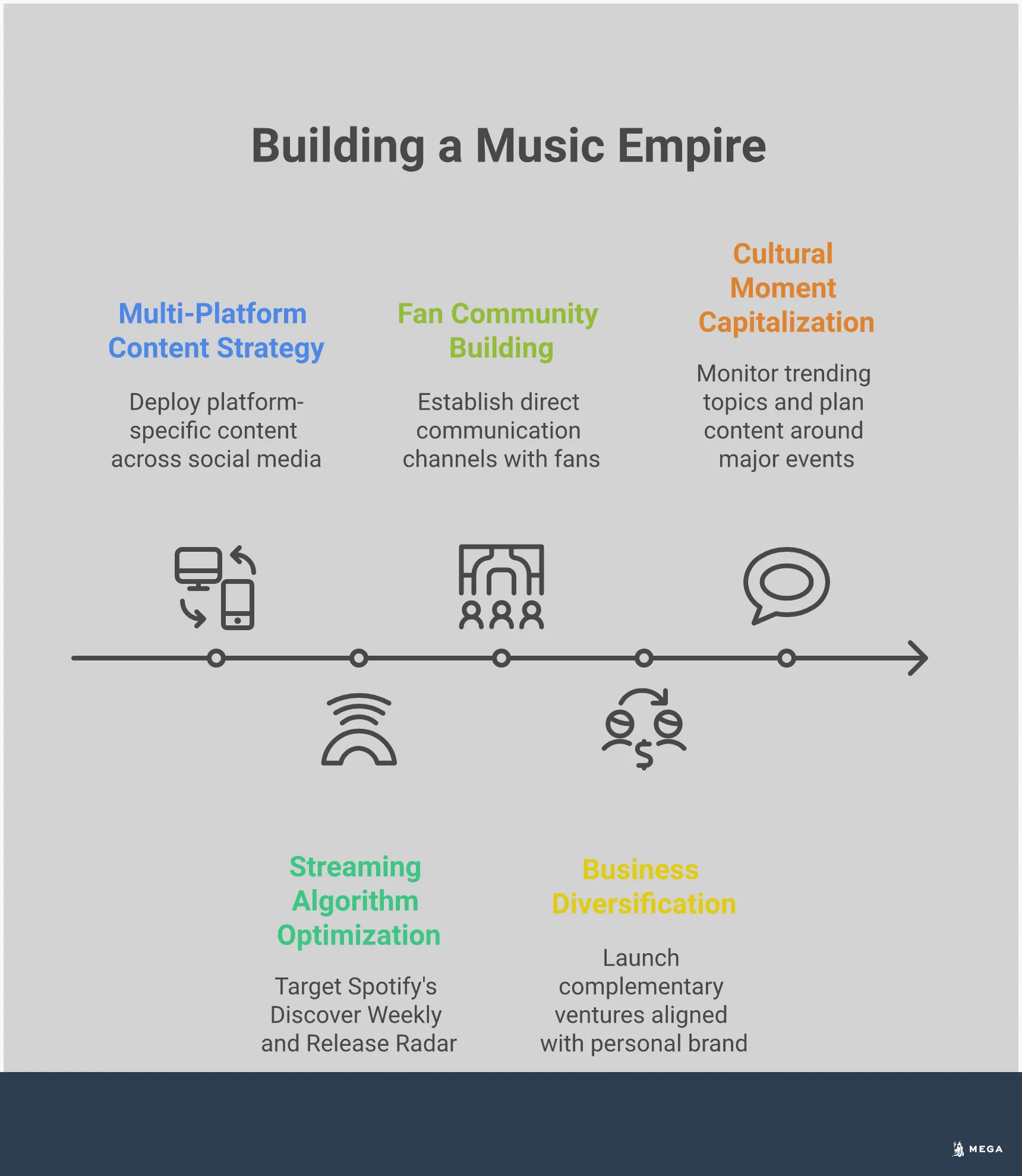
Reaching the pinnacle of the music industry is about more than just a catchy song. The world’s most popular artists build their success on a foundation of strategic pillars. They masterfully combine artistic output with smart business decisions, deep fan connections, and an impeccable sense of timing. It’s a formula that requires creativity, discipline, and a keen understanding of the cultural landscape. These key factors work together to not only capture the public's attention but also to sustain a long and influential career.
Consistent, High-Quality Music
At the heart of any top musician's career is the music itself. Consistently releasing high-quality songs and albums is non-negotiable. It keeps an artist relevant, satisfies their dedicated fanbase, and provides fresh material to attract new listeners. Look at Taylor Swift, who absolutely dominated 2023 with new releases, re-recordings, and a record-breaking tour. This steady stream of content ensures she is always part of the conversation. For an artist, their music is their core product; keeping it strong and steady is the first step toward building an empire.
Business Ventures Beyond Music
The most successful musicians think like CEOs, expanding their brands into new territories. They leverage their fame to build empires that go far beyond the recording studio. This can include fashion lines, beauty brands, production companies, and strategic investments. Beyoncé’s successful tour and concert film are prime examples of how diversifying enhances an artist's brand and financial power. These ventures create new revenue streams and solidify their status as cultural icons, not just performers. By becoming a multi-faceted brand, an artist ensures their longevity and influence across different industries.
Building a Strong Fan Community
In a market with millions of artists, a dedicated fanbase is an invaluable asset. Top musicians don't just have listeners; they cultivate communities. They engage with fans directly on social media, offer exclusive content, and create a sense of shared identity. This connection fosters a level of loyalty that translates into album sales, concert tickets, and merchandise purchases. In a crowded industry, building a strong fan community is what separates a one-hit-wonder from a lasting superstar. It transforms passive listeners into active advocates for the artist’s brand.
Cultural Relevance and Perfect Timing
Staying at the top requires an intuitive grasp of the cultural moment. The biggest stars have a knack for tapping into the zeitgeist, releasing music that reflects or shapes current conversations. This involves more than just following trends; it’s about understanding the deeper currents of society and knowing when to make a move. An artist's cultural relevance can be amplified by perfect timing, whether it's dropping a surprise album or aligning a release with a significant event. This ability to connect with the world on a broader level is what elevates a musician from popular to iconic.
Why Do Popularity Rankings Change So Fast?
An artist can be at the top of the world one week and replaced by another the next. This is the reality of a media landscape that moves at lightning speed, where a musician's popularity can shift in a matter of hours. Three key forces constantly reshape the hierarchy of fame: the relentless news cycle, the explosive power of viral social media moments, and the ever-present competition between the industry's biggest stars. Understanding these factors shows why staying on top requires a continuous effort of adaptation and engagement.
The Impact of the 24-Hour News Cycle
The music industry is deeply tied to the fast pace of the modern news cycle, where an artist's visibility can change almost instantly. A single interview, album review, or news story can capture the public's attention and send an artist soaring up the rankings. The industry is defined by rapid changes and exciting developments, making it difficult for any single artist to dominate the conversation for long. This environment ensures that rankings are always in motion as today's headlines quickly make way for the next artist to step into the spotlight.
Viral Moments and Social Media Trends
Nothing illustrates the rapid shifts in popularity better than a viral moment. A single event, amplified across social media, can create a massive surge in public interest. For example, R&B legend Usher became one of Google’s top trending musician searches in 2024 after his Super Bowl halftime performance. Similarly, Rihanna’s halftime show became a global phenomenon when her pregnancy reveal bucked industry expectations and generated incredible buzz. These moments prove an artist's ranking isn't just about music releases; it's about capturing the cultural zeitgeist.
The Competition Between Top Artists
The music world is a competitive arena where top artists constantly vie for the public's attention. When one superstar releases a new album or launches a world tour, it naturally shifts media coverage and fan conversations in their favor, affecting the rankings of their peers. This dynamic is clear in the rivalry between icons like Beyoncé and Taylor Swift. In 2023, Billboard named Beyoncé the second-greatest pop star of the 21st century, just behind Taylor Swift. This ongoing competition ensures the top of the charts is always a contested space, with rankings fluctuating as each artist makes their next move.
What Future Trends Will Reshape Popularity?
The music industry is always evolving, and the factors that make an artist popular are changing right along with it. While raw talent and a great song are still fundamental, technology and cultural shifts are rewriting the rules for achieving and maintaining stardom. The path to the top of the charts is looking different than it did even a few years ago. Understanding these shifts is key for anyone trying to capture an audience's attention, whether you're an aspiring musician or a business owner. Here are four key trends that are set to redefine what musical popularity looks like.
AI's Role in Music Creation and Discovery
Artificial intelligence is quickly moving from a futuristic concept to a practical tool in the music world. For artists, AI is becoming a creative partner, helping to generate new melodies, sounds, and lyrical ideas. Some see it as a way to enhance creativity and explore new sonic landscapes that were previously unimaginable. Beyond creation, AI also powers the discovery algorithms that introduce listeners to their next favorite artist. However, this trend comes with challenges. The industry is working to address issues like streaming fraud and the responsible use of generative AI to ensure artists’ rights are protected as this technology becomes more integrated into the creative process.
The Rise of Independent Artists
The days when an artist needed a major label contract to succeed are fading. Thanks to the accessibility of powerful music production tools, more artists are creating professional-quality music from home studios. This shift is making the art of music creation a more personal and intimate process, allowing unique voices to emerge without corporate oversight. This empowerment of independent creators is fostering a new generation of artists who bring fresh perspectives to the industry. Much like how small businesses can now compete with larger companies using the right tools, independent artists are building their own brands and fanbases from the ground up.
Blending Genres and Creating New Sounds
Strict genre labels are becoming less relevant. Today’s most innovative artists are drawing inspiration from a wide range of musical styles, blending elements of pop, hip-hop, rock, electronic, and folk to create entirely new sounds. This trend reflects a broader cultural shift where listeners have eclectic tastes and are open to music that defies easy categorization. This genre-blending approach allows for greater creative freedom and results in music that feels fresh and exciting. For artists, it means the creative possibilities are nearly limitless, and success often comes from crafting a sound that is uniquely their own.
New Platforms and Emerging Technology
Technology continues to reshape how music is made, distributed, and consumed. The home studio is now a staple in music production, but the evolution doesn't stop there. New social media platforms and streaming services are constantly emerging, offering different ways for artists to connect with fans and share their work. While these platforms create incredible opportunities, they also introduce new complexities. Artists and their teams must manage their presence across multiple channels and protect themselves from challenges like digital piracy and streaming fraud. Success in this environment requires a smart, adaptive strategy that can keep up with the rapid pace of technological change.
What Do These Rankings Reveal About the Music Industry?
Looking at who tops the charts tells us more than just what songs are popular. These rankings offer a clear picture of the major shifts happening in entertainment and marketing. The strategies that propel artists like Taylor Swift and Beyoncé to global stardom contain valuable lessons for any business owner looking to build a dedicated audience. By understanding these trends, you can see how the core principles of brand building, audience engagement, and digital strategy play out on a massive scale.
The Importance of a Strong Personal Brand
Today’s most successful musicians are more than just performers; they are powerful brands. An artist's ability to cultivate a distinct identity and connect with fans on a personal level is just as important as the music they release. As Billboard noted when ranking its greatest pop stars, Taylor Swift’s repeated wins underscore how a powerful personal brand can elevate an artist's influence in a crowded field. This goes beyond a logo or a color scheme. It’s about the story they tell, the values they represent, and the consistent experience they provide to their audience, turning casual listeners into a loyal community.
Why a Multi-Platform Strategy Is Key
Artists can no longer rely on a single channel to reach their audience. The modern music landscape requires a presence across multiple platforms, from streaming services and social media to virtual concerts and exclusive fan apps. The most successful artists are leveraging a multi-platform approach to maximize their reach and engage fans wherever they are. This means creating unique content for TikTok, sharing visual stories on Instagram, and connecting with fans directly on X. For any business, this highlights the need for a comprehensive digital strategy that integrates different channels, like SEO and Paid Ads, to create a cohesive brand experience.
The Shift to Digital-First Metrics
Success in the music industry used to be measured almost exclusively by album sales and radio play. Now, the metrics are far more diverse and digitally focused. An artist's popularity is determined by a complex mix of streaming numbers, social media engagement, search trends, and online mentions. This shift to digital-first metrics is reshaping how success is measured and pursued. It’s not just about the final sale but the entire digital journey of a fan. This mirrors the evolution in business, where understanding your online presence through tools like an SEO agent is critical for growth and staying competitive.
Related Articles
Frequently Asked Questions
Is it more important to have high streaming numbers or a lot of social media followers? Both metrics are valuable because they measure different aspects of an artist's influence. High streaming numbers show that people are actively consuming the music, which is the core product. However, a large and engaged social media following indicates a strong community and brand loyalty. The most successful artists have both, using their social platforms to drive listeners to streaming services and build a fanbase that sticks around long after a song is over.
Do artists still need a major record label to become popular? While a major label can provide significant resources and industry connections, it is no longer the only path to success. The availability of professional-grade production software and direct distribution platforms allows independent artists to create and release music on their own terms. Many build a dedicated following online first, proving their market value before ever partnering with a larger entity.
Can an artist build a lasting career from just one viral song on TikTok? A viral song is an incredible launchpad that provides instant, widespread visibility. However, turning that single moment into a sustainable career requires a strategic follow-up. The artist must capitalize on the new attention by releasing more music, engaging with their newfound audience, and building a distinct brand. A viral hit gets people in the door, but consistent quality and community building are what make them stay.
Besides releasing new music, what's the most effective way for an artist to stay relevant? Maintaining cultural relevance between album cycles is crucial. Large-scale tours are highly effective, as they generate continuous media coverage and deepen fan connections through live experiences. Expanding a personal brand into other areas, such as fashion, beauty, or film, also keeps an artist in the public conversation. These ventures solidify their identity beyond music and create new ways for an audience to connect with them.
How has the definition of a 'hit song' changed in the streaming era? A hit song is no longer defined solely by radio airplay or single sales. In the streaming era, success is often measured by placement on influential playlists and sustained high stream counts over time. A song can become a hit through algorithmic discovery, gradually building an audience without a massive initial marketing push. This changes the dynamic, making long-term listener engagement just as important as a big debut week.