The New York Yankees and a local hardware store may not seem to have much in common, but the strategies that make a baseball team a global brand can offer powerful lessons for any business. A team’s online popularity is built on more than just winning games. It’s the result of a strong brand story, consistent community engagement, and leveraging key assets, like star players. This article ranks the most popular teams based on their digital footprint, but it also decodes their playbook. We will explore how these sports giants build loyalty and drive online traffic, providing actionable insights for any business.
Key Takeaways
- Digital metrics reveal true popularity: Search volume and social media engagement offer a more accurate measure of a team's modern influence than traditional stats like stadium attendance.
- A clear strategy drives online success: The most popular teams build their digital footprint through a consistent combination of on-field success, marketable player personalities, and a proactive digital marketing plan that fosters community.
- Your business can use the same playbook: The strategies used by top teams, such as creating a strong brand story, highlighting key people, and actively engaging an online community, are directly applicable for growing your own business's digital presence.
What Makes a Baseball Team Popular Online?
A team's popularity isn't just about ticket sales or championship rings anymore. In the digital world, it’s measured by search volume, social media engagement, and the strength of a team's online community. While a legacy of success certainly helps, it takes more than a winning record to capture the attention of fans across the country. The most popular teams have mastered a modern playbook that combines on-field performance with a savvy digital presence.
Several key factors drive a team's online footprint. First, consistent winning matters. A team that performs well naturally generates more interest, leading to higher search traffic for scores, news, and player stats. Research shows a direct relationship between a team's winning percentage and the growth of its social media following. Beyond just winning, star players with marketable personalities act as powerful brand ambassadors, drawing in fans who follow them as much as the team itself.
Ultimately, the most successful organizations build a strong online community through strategic content. They share behind-the-scenes stories, highlight player personalities, and create content designed to resonate with their audience. This approach transforms passive followers into an active fanbase, keeping the team relevant in conversations year-round. It’s a deliberate strategy that turns a local team into a national brand with a powerful digital presence.
How We Ranked the Most Popular Teams
To find out which baseball teams truly capture the public's attention, we moved beyond traditional metrics like ticket sales and TV ratings. While those numbers are important, they don't show the full picture of modern fandom. A fan in another country who streams every game and buys merchandise online is just as engaged as a local season ticket holder. That's why we turned to digital data. By analyzing what people are actively searching for and talking about online, we can get a more accurate and current measure of a team's popularity. This approach reveals not just who has a loyal local following, but which teams have built a national and even global brand that people are curious about every single day.
Measuring Fan Engagement with AI Search Data
Our ranking is built on a deep analysis of search data. We used AI tools to process millions of online searches related to every MLB team. This wasn't just about counting how many times a team's name was typed into a search bar. We looked at a wide range of indicators that show active fan interest, including search volume for specific player names, team merchandise, game schedules, and news. This kind of search trend analysis gives us a direct line into what's on fans' minds. A spike in searches for a rookie player or a specific team hat shows a level of engagement that goes far beyond passively watching a game.
Why Digital Metrics Tell the Real Story
Digital metrics tell the real story because they capture the full scope of a team's influence. A team's online footprint reflects its cultural relevance far beyond its home city. This includes everything from social media discussions and viral highlights to the number of articles written about its players. As research from Bryant University points out, a strong social media presence allows teams to connect with fans everywhere, creating interest that isn't limited by geography. When a team consistently dominates online conversations and search queries, it's a clear sign that they have built a powerful and widespread community of followers. This digital buzz is what separates a locally liked team from a national powerhouse.
The 5 Most Popular Baseball Teams, Ranked
Determining the most popular baseball teams involves looking at more than just wins and losses. It’s a mix of historical significance, recent performance, average attendance, and a team's digital footprint. When you combine these factors, a clear hierarchy emerges. The New York Yankees consistently top the list, largely due to their 27 World Series titles and a massive, global fanbase that keeps them relevant year after year. Their legacy makes them a perennial favorite among baseball fans everywhere.
Following the Yankees are other major market teams with passionate followings, including the Los Angeles Dodgers, Boston Red Sox, and Chicago Cubs. Each has a dedicated fanbase and a rich history that fuels modern engagement. Competitive performance also plays a major role. For example, the Atlanta Braves, who had the best record in the league in 2023 with 104 wins, have seen their popularity surge thanks to their consistent success on the field and strong fan engagement.
In the digital era, a team's online presence is a huge piece of the popularity puzzle. Social media followings and search engine interest show how teams connect with fans beyond the ballpark. An effective digital strategy is vital for MLB teams to appeal to younger and more diverse audiences, which directly impacts their overall popularity and brand strength. This ability to build a community online is just as important as the product on the field.
#1: New York Yankees - The Digital Dynasty
It’s no surprise that the New York Yankees top our list. Their iconic pinstripes and interlocking "NY" are recognized worldwide, making them more than just a baseball team; they are a global brand. This status is the result of a long history of success, including a record 27 World Series titles, that has cemented their place in sports history. This legacy provides a powerful foundation for their online presence, creating a level of brand authority that businesses in any industry can learn from.
The Yankees' popularity translates directly into massive search volume and digital engagement. They are a constant topic of conversation year-round. Their historical relevance, combined with a roster of legendary players, ensures a steady stream of interest from fans. By bridging their storied past with a modern digital strategy, the Yankees have created a powerful online footprint that keeps them at the top of search rankings. Their dominance is a clear example of how sustained excellence can build a brand that perpetually captures public interest.
A Global Brand That Dominates Search
The Yankees' strength in search is directly tied to their unparalleled history. Decades of winning have made them one of the most popular baseball teams in America, and that popularity extends across the globe. When a brand has this level of recognition, it generates consistent organic search traffic. People search for game scores, player stats, team history, and merchandise. This constant curiosity is fueled by a legacy that few teams can match. Their 27 championships are not just historical facts; they are powerful brand assets that reinforce their authority and keep them relevant in online discussions, season after season.
How a Legacy of Success Fuels Modern Fandom
While history is a major asset, the Yankees have not rested on their laurels. They have effectively translated their legacy into a thriving modern fan community. In an era where fans want to connect with their favorite players and teams directly, the Yankees have built a formidable digital presence. They leverage a massive social media following to engage with a global audience, sharing content that celebrates both their current team and their rich history. This strategy keeps their brand dynamic and accessible, ensuring that the loyalty passed down through generations finds a home online. By meeting fans where they are, the Yankees prove that even a century-old brand can dominate the digital age.
#2: Los Angeles Dodgers - West Coast Search Leaders
Coming in at a strong second place, the Los Angeles Dodgers are the undisputed leaders of online search on the West Coast. Their digital footprint extends far beyond California, capturing a national audience that consistently looks for team news, player updates, and game highlights. The Dodgers’ popularity is a powerful mix of consistent, high-level performance and the unique glamour that comes with being a Los Angeles institution.
This combination of a winning culture and a major media market presence creates a perfect storm for online engagement. Fans aren't just searching for scores; they're invested in the players, the history, and the brand. The team's ability to maintain this high level of interest is a masterclass in building a dedicated digital following.
Star Power and a Championship Culture
The Dodgers have a rich history of success, and that legacy is a huge driver of their online popularity. A culture of winning, marked by multiple championships, creates a loyal and engaged fanbase that spans generations. This consistent performance means the team is almost always part of the national conversation, fueling constant search activity from both dedicated fans and casual observers. Star players, both legendary names from the past and current icons, also attract significant search traffic as people look up stats, news, and career highlights.
Hollywood's Team in the Digital Spotlight
Being located in the entertainment capital of the world gives the Dodgers a unique advantage. They skillfully leverage their Hollywood connection to expand baseball’s reach through savvy digital marketing. The organization uses social media to give fans a look behind the scenes, creating a more personal connection with the players and the brand. This strategy allows them to engage with people far beyond the ballpark, turning followers into dedicated fans. By creating compelling content that reflects their iconic status, the Dodgers ensure their online presence is as star-studded as their roster.
#3: Boston Red Sox - A Rivalry That Fuels Popularity
Coming in at number three are the Boston Red Sox, a team whose online popularity is deeply rooted in history, regional pride, and one of the most legendary rivalries in all of sports. While many teams see their search traffic fluctuate with their win-loss record, the Red Sox maintain a consistently high level of interest due to a narrative that transcends individual seasons. Their digital footprint is a powerful combination of historical significance and modern fan engagement, making them a constant presence in online conversations.
The team's enduring rivalry with the New York Yankees acts as a constant engine for search traffic, creating massive spikes in interest whenever the two teams face off. Beyond that, the Red Sox have cultivated a deeply loyal, multi-generational fanbase, particularly across New England. This base is not just passionate at the ballpark; it's incredibly active online. The organization has successfully translated that real-world loyalty into a formidable digital presence by consistently creating content that resonates with its audience, keeping them connected to the team year-round. This strategy shows how a strong brand narrative can be a cornerstone of a successful SEO strategy, proving that consistent engagement often outweighs temporary performance metrics.
How a Historic Rivalry Drives Search Traffic
The Boston Red Sox and New York Yankees rivalry is more than just a series of games; it's a cultural event that reliably captures national attention. This century-old feud is a significant driver of online searches. Every matchup, trade rumor, or historical comparison between the two clubs generates a surge of articles, social media discussions, and fan debates, all of which translate into search queries. As one analysis noted, the intensity of the rivalry directly leads to "more searches for the Red Sox." This predictable interest makes their games a prime example of how real-world events can create sustained digital engagement, keeping the team consistently relevant in search results.
New England's Passionate Digital Fanbase
The Red Sox have mastered the art of connecting with their dedicated fanbase through digital channels. Instead of simply reporting scores, the organization focuses on storytelling, highlighting player personalities, and creating content that captures the spirit of the team and its community. This approach fosters a deeper connection that goes beyond the game itself. Research on MLB fan engagement shows that when teams provide accessible mobile content and share authentic stories, fans report a higher level of commitment. The Red Sox's strategy of using social media to shape relationships with their audience keeps their digital community thriving, ensuring fans are always searching for the latest updates.
#4: Chicago Cubs - Generational Loyalty in Search
From "Lovable Losers" to a Digital Powerhouse
The Chicago Cubs have a unique history built on a foundation of generational loyalty. For decades, they were affectionately known as the "Lovable Losers," a title that endeared them to fans even without consistent championships. This deep-rooted connection translates directly into sustained online search interest. The historic 2016 World Series win didn't just break a curse; it ignited a new wave of digital engagement, transforming their narrative from one of hopeful patience to celebrated victory. This powerful story, passed down through families, ensures the Cubs remain a constant topic of conversation and search. Their loyal fan base is one of the most dedicated in all of sports, keeping search volumes high year after year.
How an Iconic Ballpark Drives Online Searches
Much of the Cubs' online footprint is driven by their legendary home, Wrigley Field. As one of baseball's oldest and most iconic ballparks, it's more than just a stadium; it's a destination. This status as a cultural landmark fuels countless searches for tickets, tours, and game-day information from both locals and tourists. The team amplifies this interest through a strong social media presence, connecting with fans and sharing content that highlights the unique Wrigley experience. This digital strategy keeps the Cubs relevant and searchable, especially for younger fans who engage with the team online long before they step foot in the friendly confines.
#5: Atlanta Braves - The Southeast's Digital Dominance
Rounding out our top five are the Atlanta Braves, a team that has built a digital fortress across the American Southeast. Their online popularity is a direct result of a smart, two-pronged strategy: cultivating a strong regional identity and delivering consistent, high-level performance on the field. By becoming the default team for a massive geographic area, the Braves have created a loyal and highly engaged online community that spans generations. This dominance translates directly into high search volumes and sustained social media interaction.
The Braves' success offers a powerful lesson for any local or regional business. They demonstrate how owning your geographic market online can create a self-sustaining cycle of interest and engagement. When fans feel a deep connection to the team's identity, they are more likely to search for news, buy merchandise, and follow social channels. This consistent digital footprint keeps the team relevant and reinforces its position as a regional powerhouse. For small businesses, the takeaway is clear: building a strong local brand identity is fundamental to driving targeted traffic and creating a loyal customer base.
A Regional Powerhouse in Online Engagement
The Braves' online presence is a direct reflection of their status as the definitive team of the South. This regional ownership translates into a massive, concentrated audience that consistently engages with the team online. According to YouGov Ratings, the Braves are one of the most popular teams in the country, a testament to their broad appeal. The organization nurtures this fanbase through a strong digital strategy, understanding that Major League Baseball teams use social media to build and maintain community. By creating content that resonates with their specific regional culture, the Braves ensure their fans stay connected and invested, driving searches for everything from game schedules to team merchandise.
Why Consistent Winning Keeps Fans Searching
Nothing fuels online engagement quite like winning. The Braves' recent stretch of division titles and their 2021 World Series championship created a surge of digital activity that has yet to fade. Each victory, playoff appearance, and star player performance gives fans a reason to search, share, and discuss the team online. This connection is supported by data, as research shows a team's winning percentage is a positive indicator of fan interest and attendance. For the Braves, sustained success keeps them in the national conversation, attracting new followers while giving their dedicated fanbase a constant stream of positive moments to celebrate and engage with online.
The Winning Formula for Online Popularity
A team’s digital footprint isn’t accidental. It’s the result of a specific combination of factors that build and sustain interest over time. While every team has a unique history, the most popular ones consistently excel in three key areas: performance, personalities, and digital presence.
This formula isn't just for sports franchises. Any business can apply these principles to build a dedicated online following. By understanding what drives fans to search for, follow, and talk about their favorite teams, you can find actionable strategies to grow your own brand’s visibility.
Winning Performance and Championships
Consistent success is a powerful magnet for attention. Teams that frequently win and secure championships build a legacy that attracts new generations of fans. This history of achievement creates a deep well of content, from historic moments to legendary players, that people search for year after year. A team’s collection of World Series titles acts as a permanent authority signal, cementing its relevance.
For any brand, this translates to the importance of a quality product or service. When you consistently deliver excellent results, you build a strong reputation that fuels word-of-mouth and online searches. A legacy of success gives people a reason to trust you and a story to connect with, making your brand a perennial favorite.
Star Players and Marketable Personalities
Fans don't just follow teams; they follow people. Star players with compelling stories and engaging personalities become powerful brand ambassadors. They give a team a human face, and their individual popularity often translates directly into searches and social media engagement for the team itself. Beyond the field, showing players’ personalities helps build a stronger, more personal connection with the audience.
This highlights the value of showcasing the people behind your business. Whether it's the founder, key employees, or even satisfied customers, personal stories create relatable connection points. Putting a face to your brand makes it more memorable and gives your audience individuals to rally behind, which can significantly influence your online presence.
Social Media and Digital Marketing
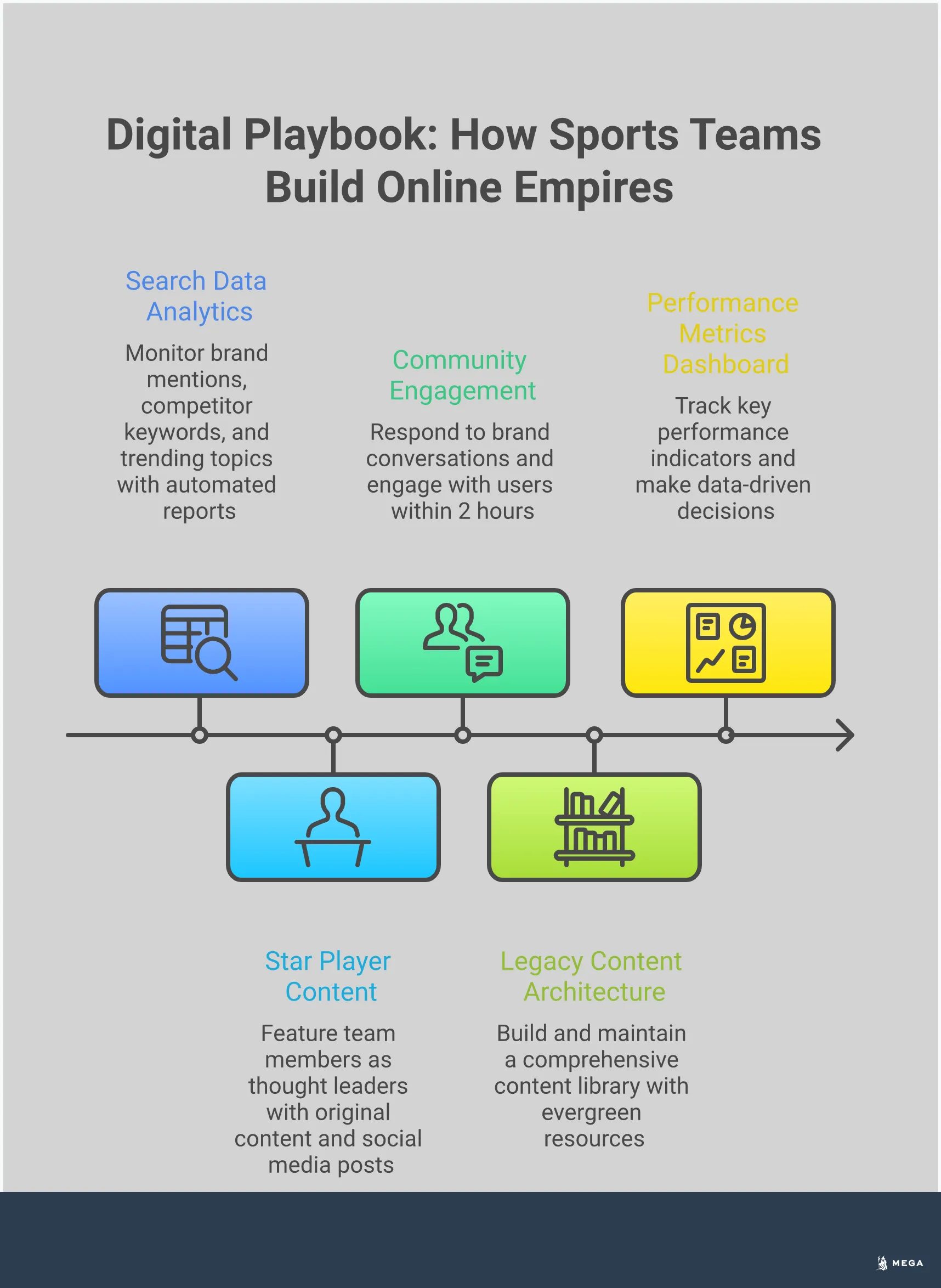
A team’s popularity is actively managed through smart digital marketing. The most followed teams use social media to build an online community, share behind-the-scenes content, and engage directly with their audience. This proactive approach keeps the team top-of-mind even during the off-season. Strong social media marketing turns passive followers into an active community.
This is where businesses can learn the most. Your digital presence requires consistent effort. By regularly sharing valuable content, engaging with your followers, and telling your brand’s story across different platforms, you can build a loyal online audience. A strategic approach to digital marketing ensures you aren't just waiting for customers to find you; you are actively building a community around your brand.
Search Rankings vs. Traditional Popularity
It’s easy to assume the most popular teams are the ones with the most crowded stadiums or the most vocal local fans. While those are important measures of loyalty, they don’t paint the full picture of a team's influence. A team’s digital footprint, measured by search interest, reveals a different and arguably more comprehensive kind of popularity that extends far beyond the ballpark.
Understanding this difference is key for any brand, including your business. Measuring online interest shows how much demand and curiosity exist for what you offer, independent of physical location or traditional advertising. It reflects brand strength on a national or even global scale. Just as a team's success is now measured by more than just ticket sales, your business's reach is defined by more than local foot traffic. The digital world offers a much larger playing field, and search data is how you keep score.
Stadium Attendance vs. Online Interest
Stadium attendance is a classic metric for popularity, but it can be a tricky one. The number of fans in the seats is influenced by many factors that have little to do with overall team passion. Ticket prices, stadium accessibility, weather, and even the day of the week can impact attendance numbers. A half-empty stadium on a rainy Tuesday doesn’t necessarily mean the team has lost its fanbase; it might just mean fans are watching from home.
Online search data cuts through that noise. It captures pure interest from anyone, anywhere, at any time. A fan in another country searching for game highlights contributes to a team’s digital popularity just as much as a season ticket holder. This is why teams focus on social media engagement to connect with their audience, knowing that online fandom is a powerful indicator of brand health that isn't limited by stadium capacity.
Regional Loyalty vs. National Digital Appeal
Every team has a core of intense regional loyalty. These are the fans who live and breathe local sports. However, this passionate local support doesn't always translate to a large national following. A team might be the talk of its town but barely register in search queries a few states over. This is where digital metrics separate the local favorites from the national powerhouses.
Teams with a massive digital footprint, like the Yankees or Dodgers, have transcended their home cities to become global brands. Their online popularity is fueled by decades of history, star players, and media exposure that reach fans far beyond their local markets. Search data accurately reflects this widespread appeal, showing which teams capture the nation's attention, not just the hearts of their hometown.
Related Articles
Frequently Asked Questions
Why did you rank teams by online searches instead of traditional metrics like attendance? We used digital metrics like search data because they provide a more complete and modern view of a team's influence. Stadium attendance can be affected by factors like ticket prices or weather and only measures local interest. Online search activity, however, captures pure curiosity and engagement from fans anywhere in the world, showing which teams have built a truly national or even global brand.
Besides a winning record, what makes a baseball team popular online? While consistent performance is a major factor, it isn't the only one. Star players with marketable personalities act as brand ambassadors, drawing significant interest to the team. The most popular teams also have a smart digital marketing strategy. They use social media and other channels to build a strong online community, share compelling stories, and engage with their audience directly, keeping fans connected year-round.
How can a local business apply these lessons to its own marketing? The principles are the same. First, consistently delivering a quality product or service is your version of a winning record. Second, showcase the people behind your brand; personal stories create a relatable connection, much like star players do for a team. Finally, actively build an online community through consistent digital marketing. Share your story and engage with your audience to build a loyal following that keeps your brand top-of-mind.
Are these popularity rankings stable, or do they change from year to year? The rankings have both stable and dynamic elements. A team's recent performance, like a surprise championship run, can cause a temporary surge in search interest. However, teams with deep historical legacies, iconic brands, and generations of fans, like the Yankees and Dodgers, tend to remain at the top. Their long history provides a powerful and consistent foundation for online interest that is difficult to overcome.
Why do teams with famous rivalries, like the Yankees and Red Sox, rank so high? A historic rivalry creates a compelling narrative that fuels constant online conversation and media coverage. Every game between these teams becomes a major event, generating a massive spike in searches for scores, player matchups, and historical stats. This sustained engagement keeps both teams highly relevant in search results, as the rivalry itself is a powerful driver of digital traffic.