
For a founder or small business owner, the line between the person and the company is often blurred. Your personal credibility directly translates into business credibility. Building a personal brand is about more than just marketing your current company; it’s about creating a platform for your entire career. Think of it as diversifying your professional assets. Your business is one asset, but your reputation is another, and it's one you can take with you anywhere. This is how you move from being a business operator to an industry figure, attracting a steady stream of valuable possibilities that extend far beyond your primary role.
Key Takeaways
- Connect Your Personal Brand Directly to Business Growth: Use your reputation to build trust, which shortens sales cycles, lowers customer acquisition costs, and provides a ready audience for new products or services.
- Establish Authority with Consistent, Valuable Content: Focus on sharing your expertise on one or two key platforms where your audience is active. A steady stream of helpful content establishes you as a trusted resource and keeps you top-of-mind.
- Use Your Reputation to Attract New Opportunities: Your personal brand is an asset that belongs to you, not your company. A strong reputation attracts inbound opportunities like partnerships, speaking engagements, and advisory roles, creating long-term career security.
What is a personal brand and why does it matter?
A personal brand is the intentional effort to shape the public perception of your expertise, credibility, and character. It’s more than just a professional headshot and a polished LinkedIn profile; it’s the story you tell about your skills, the value you provide, and what makes you a trusted authority in your field. For startup founders and small business owners, building a personal brand isn't a vanity project. It's a strategic asset that directly influences your company's growth and reputation. Think of it as the human layer of your business, the part that builds connections long before a transaction ever takes place.
While a corporate brand focuses on the business entity, a personal brand centers on the individual leading it. This distinction is critical because it changes how you connect with your audience. A strong personal brand serves as the foundation for your business, creating a layer of trust and relatability that a company logo alone often struggles to achieve. It allows you to build a community around your expertise before you even ask for a sale, warming up potential customers and making your marketing efforts more effective. It's the reason someone chooses your small business over a larger, faceless competitor, and it's what keeps them coming back. In a world of automated messages and generic outreach, your personal brand is your most authentic differentiator.
Personal vs. Corporate Branding
People connect with people, not with faceless companies. A corporate brand communicates through official statements, advertisements, and carefully crafted marketing campaigns. A personal brand, on the other hand, communicates through authentic conversations, shared experiences, and genuine expertise. This human element is your advantage as a small business owner. When a potential customer sees the person behind the business, they are more likely to feel a genuine connection and build trust. This relationship can lead to stronger loyalty than what a traditional corporate brand can typically foster on its own.
Why a Personal Brand Outperforms a Faceless Business
A strong personal brand clearly communicates who you are and the value you bring to your target audience. This clarity helps you stand out in a crowded market. For a founder or owner, your personal reputation becomes a powerful asset for the business itself. It can shape public perception, attract top talent, and drive growth. When people trust you, they are more inclined to trust your business, try your products, and recommend your services. This direct line of credibility can significantly shorten the sales cycle and build a loyal customer base from the ground up.
How does a personal brand build trust and drive sales?
A strong personal brand does more than just get your name out there; it directly impacts your bottom line by building the single most important asset in business: trust. When potential customers are deciding where to spend their money, they often choose the person or company they feel they know and can rely on. By putting a human face to your business, you create a direct line of connection with your audience. This makes your company more relatable and approachable, a significant advantage for small businesses competing against larger corporations. A personal brand isn't just a marketing tactic; it's the foundation for lasting customer relationships that drive sustainable growth.
Build Authentic Connections with Your Audience
People connect with people, not logos. A famous example is how Ryan Reynolds’ personal brand helped grow Aviation Gin into a company that sold for $610 million. His involvement brought personality, humor, and credibility to the product. You don't need to be a celebrity to achieve this effect. By consistently sharing your unique perspective, industry insights, and even the challenges you face, you build an authentic relationship with your audience. They start to see the person behind the business, which fosters a sense of loyalty and community. This connection turns passive followers into active supporters who trust your recommendations and want to see you succeed.
The Psychology: Why We Buy from People, Not Companies
As Rhett Power noted in Forbes, personal branding is about "establishing trust before the first handshake." When you become a visible and reliable source of information in your field, you tap into powerful psychological triggers. Your consistent presence builds familiarity and authority, reducing the perceived risk for potential buyers. A customer is more likely to trust a recommendation from an expert they've been following than an ad from a company they've never heard of. This is a core principle of consumer psychology; we are wired to trust individuals we feel we know. Your personal brand makes your business feel more accountable and transparent, a critical factor in any purchasing decision.
Convert Followers into Paying Customers
A well-established personal brand is one of the most effective tools for lead generation. The trust and authority you build act as "smart equity," warming up your audience so they are already receptive to your products or services. Instead of starting every conversation from scratch, you're engaging with people who already value your expertise. This dramatically shortens the sales cycle and increases conversion rates. Your followers are more inclined to purchase because the recommendation comes from a trusted source—you. This process helps you efficiently convert followers into customers who are not only more likely to buy but also to become loyal advocates for your business.
What new opportunities can a personal brand create?
Building a personal brand does more than support your current business. It creates professional equity that opens doors to new ventures, roles, and collaborations you might not expect. When you invest in your reputation, you’re not just marketing your company; you’re building a platform for your entire career. This platform can generate opportunities that extend far beyond your primary role, creating a resilient and dynamic professional future. By consistently sharing your expertise and perspective, you become a person of interest in your industry, attracting a steady stream of valuable possibilities.
For founders and small business owners, where the line between the person and the company is often blurred, this is critical. Your personal credibility directly translates into business credibility. But it also builds a foundation for what comes next, whether that's launching a second company, taking on a leadership role elsewhere, or building a portfolio of advisory positions. Think of it as diversifying your professional assets. Your business is one asset; your reputation is another, and it's one you can take with you anywhere. This is how you move from being a business operator to an industry figure. The opportunities that arise from this shift are often more strategic and can have a much larger impact on your long-term career trajectory and financial success.
Attract Recruiters and Hiring Managers
A strong personal brand acts as a living portfolio, showcasing your expertise and professional journey to the world. Instead of you searching for opportunities, opportunities start finding you. When you consistently publish content, share insights, and engage within your niche, you become visible to recruiters and hiring managers looking for top talent. A well-crafted personal brand can make you a go-to candidate for leadership roles, even if you aren't actively on the job market. It demonstrates your passion and knowledge in a way a traditional resume cannot, giving you a significant advantage in a competitive landscape.
Land Speaking Gigs and Consulting Offers
As you build your reputation, you transition from being just another professional to a recognized authority in your field. This authority is a magnet for speaking and consulting opportunities. Event organizers and podcast hosts are always looking for credible experts to share valuable insights with their audiences. Securing valuable speaking engagements not only solidifies your expert status but also leads directly to high-value consulting offers. Companies will pay for direct access to your knowledge, creating a new revenue stream based entirely on the expertise you've demonstrated through your personal brand.
Secure Board and Advisory Roles
For established professionals, a powerful personal brand can lead to prestigious board and advisory positions. Companies seek influential leaders with a proven track record and a strong network to help guide their strategic decisions. Your public reputation serves as proof of your strategic thinking and industry influence. Being invited to join a board or act as an advisor is a testament to the trust you’ve built. This kind of work fosters trust, credibility, and long-term relationships at the highest levels, allowing you to shape the future of other organizations while expanding your own influence and professional circle.
Use your personal brand for business growth
A strong personal brand is more than just a professional asset; it’s a powerful engine for business growth. For founders and small business owners, it acts as a strategic multiplier, turning your individual reputation into tangible business results. By building a name for yourself, you create a direct line to your audience, establishing a foundation of trust that a corporate logo alone can't replicate. This connection can shorten sales cycles, attract better opportunities, and give your business a durable competitive advantage. Let's look at how you can use your personal brand to directly fuel your company's success.
Start with a Built-In Audience and Credibility
Launching a business is tough, but a personal brand gives you a significant head start. Instead of starting from scratch, you begin with an audience that already knows and trusts you. This means when you introduce a new product or service, you have a warm group of potential customers ready to listen. Think of it as launching your business in year three instead of year one. You bypass the slow, early grind of building awareness because your personal credibility extends to your business. This established trust makes it easier to get initial traction, gather feedback, and secure your first customers without a massive marketing budget.
Reduce Customer Acquisition Costs
People connect with people, not faceless companies. When a founder or leader has a visible personal brand, it humanizes the business and fosters genuine connection. This trust and likability can dramatically lower your customer acquisition costs. Ryan Reynolds, for example, used his personal brand to help turn Aviation Gin into a household name. His involvement brought instant credibility and an engaged audience, reducing the need for a massive ad spend. An authentic personal brand creates an organic marketing channel that attracts customers who are already invested in your story, complementing your automated SEO and advertising efforts with a layer of human trust.
Create Multiple Revenue Streams from Your Expertise
As you build a reputation as an expert in your field, you open doors to new income opportunities beyond your core business. A strong personal brand can lead to paid speaking engagements, consulting contracts, book deals, and valuable partnerships. These ventures aren't just side projects; they reinforce your authority and can introduce your primary business to new audiences. This is a form of smart equity, where you leverage your knowledge and influence instead of just capital. By diversifying your revenue streams, you create a more resilient financial foundation while continuing to grow your company’s profile.
Turn your reputation into tangible value
A strong personal brand is more than just a collection of followers or a polished LinkedIn profile. It’s a strategic asset that translates directly into business value. When people trust you, they are more willing to buy from you, partner with you, and support your ventures. This trust acts as a powerful accelerant for growth. New businesses you launch can start on year three instead of year one because you already have an audience that knows you and is interested in what you have to offer.
This foundation of trust and visibility opens doors that remain closed to anonymous businesses. It allows you to move beyond a single revenue stream and build a more resilient, diversified business. For overwhelmed founders and small business owners, this is a game-changer. Instead of constantly chasing new customers from a cold start, your reputation does the heavy lifting, attracting opportunities and creating a moat around your business that competitors can't easily replicate. The following sections break down exactly how you can convert that hard-earned reputation into concrete opportunities and revenue.
Monetize Your Network and Influence
Once you've built a name for yourself, your influence becomes a form of currency. You can leverage this "smart equity" to get involved in promising ventures without a significant cash investment. Instead of writing a check, you can offer your expertise, your network, or your platform's reach in exchange for a stake in a business. This is a powerful way for founders and experts to build wealth by investing their knowledge and social capital. Your personal brand signals to potential partners that your involvement brings inherent value, whether through strategic advice, key introductions, or marketing exposure. This approach allows you to diversify your interests and create new income streams based on who you are, not just what you sell.
Find Partnership and Collaboration Opportunities
A visible personal brand acts like a beacon, attracting valuable partnership and collaboration offers. When you consistently share your expertise, you become the go-to person in your field. This visibility means opportunities start coming to you, rather than you having to seek them out. Other businesses will want to form strategic partnerships to access your audience, co-create products, or host joint webinars. These collaborations can significantly expand your reach with minimal financial investment. Think of someone like Kevin Indig in the SEO space; his strong personal brand means he is constantly presented with new ventures and job opportunities. By becoming a recognized name, you put yourself in a position where others are eager to work with you.
License Your Expertise and Knowledge
Your personal brand validates your expertise, making it possible to package and sell your knowledge. When people see you as an authority, they are willing to pay for your insights. This opens the door to creating scalable revenue streams that aren't directly tied to your time, such as online courses, paid workshops, e-books, or premium newsletters. A well-defined personal branding strategy is the foundation for this. It builds the reputation and visibility needed to successfully launch these products. By licensing your expertise, you create an asset that can generate income long after the initial work is done, allowing you to serve a broader audience and build a more diversified business model around your core knowledge.
Why your personal brand matters in an AI-driven world
As AI agents handle more of the heavy lifting in marketing and operations, your unique human qualities become your greatest asset. While tools can optimize campaigns and generate content, they can't replicate your personal story, expertise, or the trust you build with an audience. A strong personal brand isn't just a nice-to-have; it's a strategic necessity for standing out. It acts as the human layer on top of automated efficiency, creating a connection that technology alone cannot. For founders and business owners, this is how you turn your individual reputation into a durable competitive advantage.
Stand Out as Automation Grows
In a world where anyone can use AI tools, your personal brand is what makes you different. When your competitors are using similar platforms for automated content generation, the voice, face, and story behind the business become the deciding factor for customers. SEO expert Matt Diggity emphasizes this differentiation, noting that personal branding will become exponentially more important as AI becomes more common. A personal brand cuts through the noise of automated content, giving your audience a memorable and relatable figure to connect with, which is something a generic business profile can't achieve.
Showcase Your Unique Skills and Personality
People connect with people, not with faceless companies. Your personal brand is the platform to share your unique perspective, your journey, and the values that drive your business. This is especially powerful for small business owners and startup founders. While AI can execute tasks based on data, it can't share the passion behind your product or the lessons you've learned along the way. Building a personal brand allows you to launch new ventures or products to an audience that already trusts you, because they've bought into your story and expertise, not just your company's services.
Future-Proof Your Career
Investing in your personal brand is a direct investment in your long-term professional security and growth. It creates what some call "smart equity"—an asset that belongs to you, independent of any single company or role. A strong personal brand attracts opportunities, from new clients and business partners to speaking engagements and advisory roles. For founders, it makes securing funding easier. For marketing managers, it opens doors to new career paths. As the market evolves with AI, your reputation as a trusted expert in your field becomes a stable foundation that you can build upon, no matter how the technology changes.
How to build credibility and authority in your industry
Building credibility isn't about having the flashiest website or the biggest ad budget. It’s about proving you know your stuff and that people can trust you. For founders and small business owners, a strong personal brand is a direct line to building that trust. When people see a real person with real expertise behind a business, they're more likely to listen, engage, and ultimately, buy. Authority in your industry means your opinion carries weight, your advice is sought after, and your business becomes a go-to resource. This doesn't happen overnight, but a focused strategy can make it a core asset for your growth. By consistently sharing your knowledge and demonstrating your reliability, you create a reputation that works for you 24/7, attracting opportunities and customers without a constant sales push.
Establish Thought Leadership with Consistent Content
Thought leadership is simply sharing what you know in a way that helps others. The key to making it work is consistency. A solid content marketing strategy helps you grow your personal brand by consistently providing value to your audience. Whether it's a weekly blog post, a daily LinkedIn update, or a monthly newsletter, a regular publishing schedule keeps you top-of-mind and builds a library of resources that showcases your expertise. For busy founders, maintaining this pace can be a challenge. This is where automation can help. AI-powered tools can assist with everything from topic ideation to content optimization, ensuring you can maintain a consistent presence and build authority even when you're short on time.
Demonstrate Expertise Without Being Salesy
The most effective way to build authority is to give your knowledge away freely. Focus on teaching and helping your audience solve their problems. When you share valuable insights without immediately asking for a sale, you build genuine trust. This approach transforms your personal brand from a simple marketing tool into a valuable resource. You can do this by writing detailed guides, answering questions in online forums, or creating short tutorials. This isn't just a marketing strategy—it’s a way to build long-term relationships. When your audience sees you as a credible expert who is genuinely invested in their success, they are far more likely to choose your business when they are ready to buy.
Develop a Reputation for Reliability and Results
Authority is built on a foundation of reliability. It’s not enough to just talk about your expertise; you have to show that you can deliver results. Sharing your personal story, values, and experiences helps you build deeper connections than is possible with corporate branding alone. Be transparent about your process, share case studies, and feature client testimonials. This kind of social proof is powerful because it shows potential customers that you are not just making empty promises. When people see that you have a track record of success and operate with integrity, they feel more confident in their decision to work with you. This reputation for reliability is what turns a follower into a loyal customer.
How to measure your personal branding efforts
Building a personal brand isn't just about creating content; it's about generating tangible results for your career and business. Like any marketing initiative, you need to track your progress to understand what’s working and where to focus your energy. Measuring your efforts turns the abstract idea of "brand" into concrete data, helping you refine your strategy and demonstrate its value.
Instead of getting lost in vanity metrics, focus on a few key areas that show real momentum. By regularly checking in on your audience growth, business impact, and the new opportunities coming your way, you can get a clear picture of your brand’s health and its contribution to your goals. This data-driven approach ensures your time is well spent and that your personal brand becomes a predictable engine for growth.
Track Engagement and Audience Growth
The first signs that your personal brand is gaining traction will appear in your engagement and audience metrics. While follower count alone isn't the ultimate goal, consistent growth shows that your message is reaching new people and resonating. Look beyond the numbers to the quality of interaction. Are people commenting thoughtfully? Are they sharing your content with their own networks? High social media engagement rates indicate you’re building an active community, not just a passive audience. Use the built-in analytics tools on platforms like LinkedIn or Instagram to monitor these trends over time. This data provides the leading indicators that your brand-building activities are on the right track.
Monitor Conversions and Business Impact
Ultimately, a strong personal brand should support your business objectives. The most effective way to measure this is by connecting your brand-building activities directly to your bottom line. This is where you track the return on investment (ROI) of your efforts. Are people clicking the link in your bio to book a demo or visit your website? Are new clients mentioning they found you through your content? These are clear conversion points. You can measure this impact by asking new customers how they heard about you or by using simple tracking links for your calls to action. This data proves that your personal brand isn't just a side project; it's a valuable asset that generates leads and acquires customers.
Assess Your Network Growth and New Opportunities
Some of the most valuable outcomes of a strong personal brand are the opportunities that come to you. As your authority grows, you’ll notice an increase in inbound requests that signal your rising influence. These can include speaking invitations, podcast interview requests, collaboration proposals from peers, or messages from high-caliber professionals in your industry. While these aren't direct sales, they are powerful indicators of your brand's strength and reach. Keep a simple log of these inbound opportunities. Tracking them over time helps you evaluate the effectiveness of your personal brand and recognize its power to open doors that were previously closed.
Common challenges when building a personal brand
Building a personal brand is a powerful move for any professional, but it’s not without its difficulties. It requires you to put yourself out there, which can feel vulnerable. Many founders and business owners face similar hurdles when they start, from battling self-doubt to figuring out what to share online. The key is to recognize these challenges as normal parts of the process. By anticipating them, you can create a strategy to work through them effectively and build a brand that feels both authentic and sustainable.
Overcome Imposter Syndrome and Authenticity Hurdles
One of the biggest initial hurdles is the feeling of imposter syndrome. You might wonder if you’re expert enough to be a thought leader or worry that people won’t find your perspective valuable. A strong personal brand is built on clearly communicating who you are and the value you offer. Instead of trying to be everything to everyone, focus on your unique experiences and knowledge. This process helps you clarify your core message, which in turn builds confidence and establishes an authentic foundation for your brand.
Maintain Consistency Across All Platforms
As you build your presence, it's crucial to maintain consistency. Your audience should get a coherent sense of who you are whether they find you on LinkedIn, your company website, or a podcast. A mismatched message can confuse people and weaken your credibility. To avoid this, make sure your profile photos, bios, and the tone of your content are aligned everywhere. This consistency helps reinforce your brand identity and makes your brand more memorable and trustworthy over time.
Balance Personal Sharing with Professional Boundaries
Figuring out how much to share about your personal life can be tricky. While personal stories help build genuine connections, oversharing can detract from your professional image. The goal is to find a healthy balance. Before you post something personal, ask yourself if it aligns with your professional goals and values. Sharing a story about a challenge you overcame as a business owner can be inspiring and relevant. Thoughtfully maintaining a balance ensures you can be relatable without compromising your professional boundaries.
How to start building your personal brand
Getting started with a personal brand doesn't require a huge marketing budget or a team of publicists. It begins with a clear strategy and consistent effort. For busy founders and small business owners, the idea of adding another task can feel daunting. But instead of trying to do everything at once, focus on three foundational steps: defining who you are and what you stand for, finding where your audience gathers, and creating a realistic plan to share your expertise. This isn't about becoming an influencer; it's about becoming a trusted authority in your niche, which is a powerful asset for any business.
Thinking through these steps will give you a clear roadmap. Your personal brand is an extension of your professional identity, and building it intentionally helps you connect with the right people, from potential customers to future collaborators. The goal is to create a presence that works for you, establishing your credibility and opening doors to new opportunities. When people trust you, they are more likely to trust your business, which can shorten sales cycles and reduce customer acquisition costs. By breaking the process down, you can build a strong brand without feeling overwhelmed. It's about working smarter, not harder, to make your expertise visible and attract the right kind of attention for your business.
Identify Your Unique Value Proposition
Before you post anything, you need to know what you want to be known for. This is your unique value proposition (UVP). Begin by identifying what truly matters to you. What are your core values? Understanding your unique value proposition is crucial as it sets the foundation for your personal brand and helps you communicate effectively with your audience. Think of it as the intersection of your passion, your expertise, and what your audience needs.
Ask yourself a few key questions: What specific problem do I solve? What unique perspective or experience do I bring to my industry? What are the three to five topics I can talk about with genuine authority? Your answers will form the core message of your brand and guide all your future content.
Choose the Right Platforms for Your Audience
You don't need to be active on every social media platform. In fact, you'll get better results by focusing your energy where it counts. For many professionals, social media platforms like LinkedIn are the most important for B2B personal branding. This provides exposure for your content and keeps your brand in front of your target market.
Think about where your ideal customers or clients spend their time online. If you're a business consultant, LinkedIn is a natural fit. If you're a visual artist, Instagram or Pinterest might be more effective. The key is to select the right platforms to ensure your message reaches the right people. Start with one or two channels, learn how they work, and build a consistent presence there before trying to expand.
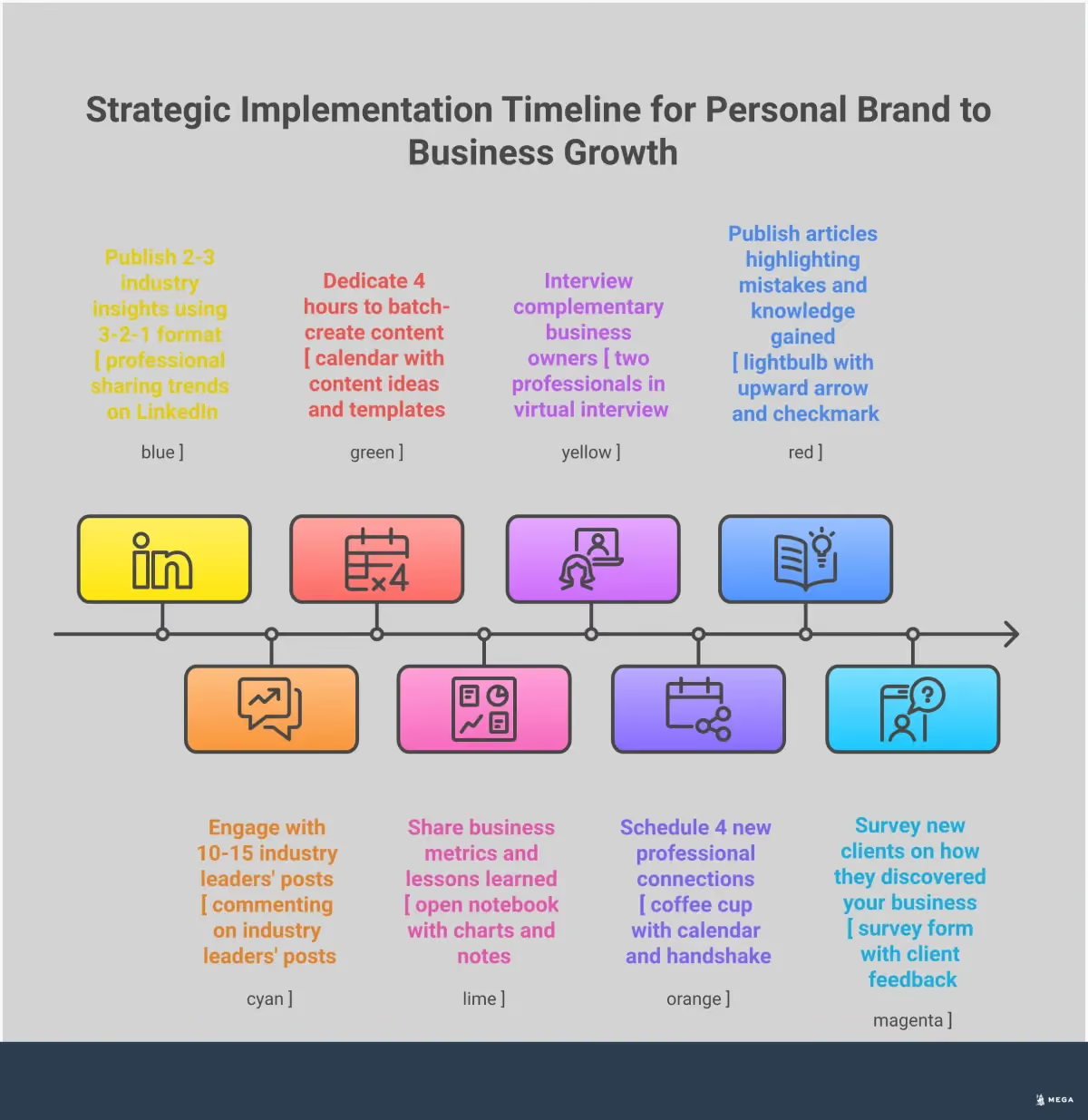
Create a Sustainable Content Plan
Consistency is more important than frequency. A solid content marketing strategy can help you grow your personal brand and drive traffic to your website. The best plan is one you can actually stick to. Instead of aiming to post daily and burning out, create a sustainable schedule that fits your workload, whether it's a few times a week or once a week.
In the long term, your strategy should include retention and loyalty, which you encourage by consistently providing value for your community. Map out your content based on your UVP and audience needs. You can batch-create content—for example, by writing four articles or recording four short videos in one afternoon—to stay ahead. This approach to content creation is essential for maintaining engagement and building trust over time.