Think your LinkedIn profile is too mundane to attract cybercriminals? Think again. The massive 2024 data breach revealed just how valuable your professional details are in the hands of malicious actors. This article breaks down how cybercriminals exploit data breaches like the LinkedIn incident to build detailed profiles, making individuals and businesses vulnerable to various cyberattacks. We'll debunk the myth of "I'm not important" and explain how seemingly insignificant data points contribute to a larger pool of exploitable information. From phishing and social engineering to identity theft and credential stuffing, we'll cover common tactics and provide clear, actionable steps to recognize the signs of a compromised account. We'll also explore how you can strengthen your online security and manage your digital footprint effectively. Finally, we'll discuss the role of organizations in protecting user data and maintaining regulatory compliance.
Key Takeaways
- Your online data, even seemingly minor details, is valuable to cybercriminals. The LinkedIn data breach highlights how this information fuels identity theft, phishing attacks, and credential stuffing. Protect yourself by understanding how criminals exploit this data.
- Strong passwords and multi-factor authentication are essential, but a security-first mindset is your strongest defense. Be mindful of what you share online, monitor your accounts, and stay informed about current cyber threats. Proactive security habits minimize your risk.
- Organizations have a responsibility to protect user data. Implement robust security measures, provide regular training, and ensure compliance with data privacy regulations. Explore MEGA SEO's resources and tools to strengthen your organization's security.
What is the LinkedIn Data Breach?
In July 2024, a massive data breach involving LinkedIn exposed sensitive information of over 700 million users. This incident compromised personal, career, and organizational details, which cybercriminals can use for identity theft and phishing attacks. The stolen data was offered for sale on the dark web for $3.5 million, highlighting how valuable such data is to cybercriminals. This breach underscores the need for stronger online security practices for individuals and businesses. LinkedIn is currently investigating the incident and addressing the vulnerabilities that led to the breach.
How Cybercriminals Build Profiles
Cybercriminals use data breaches to create detailed profiles of individuals and businesses, making them vulnerable to various cyberattacks. Understanding their methods is the first step in protecting yourself and your company.
What Information Do They Collect?
Cybercriminals target a range of information on platforms like LinkedIn, including personal, career, and organizational details. They collect information like your job title, company, work history, education, connections, and even your posts and comments. Aggregated, this data paints a comprehensive picture of you and your professional network. Trend Micro calls this data a "growing goldmine" for cybercriminals looking to exploit individuals and organizations. They aren't just after high-profile targets; anyone with an online presence is at risk. Even seemingly harmless details can be used against you.
How Do They Aggregate and Analyze Data?
This data is then aggregated and analyzed to build comprehensive profiles. Cybercriminals use various tools and techniques to connect different data points, developing a detailed understanding of your personal and professional life. This often involves combining data from multiple sources, including data breach databases and social media. As explained in this video on cybersecurity breaches, your data, even if seemingly unimportant, is valuable to cybercriminals. They can use it to create highly personalized phishing attacks, exploit your connections, or gain unauthorized access to your accounts. This aggregation process builds a profile that includes everything from your education and work history to your relationships and even details like your high school mascot. This information enables them to create convincing fake accounts and execute sophisticated attacks, potentially leading to identity theft, financial fraud, and reputational damage, as discussed in this article about the LinkedIn data leak.
Why You Are a Target
It's easy to think I'm not important; I don't have anything worth stealing. But everything you own online—photos, contacts, logins—has value, especially in aggregate. This data, seemingly insignificant on its own, becomes powerful in the hands of cybercriminals. Think about it: your stuff is important to you, and you might be willing to pay to keep it safe. That's the leverage criminals exploit. They know you value your data, whether it's sentimental photos or access to your financial accounts. As one expert pointed out, this personal data has value, and people are willing to pay to retain it.
The "I'm Not Important" Myth
This myth is a dangerous misconception. Everyone with an online presence is a potential target. Cybercriminals cast a wide net, indiscriminately collecting data from various sources. Even if you think your individual data is inconsequential, it contributes to a larger pool of information that can be exploited. This aggregated data paints a comprehensive picture of you, your connections, and your habits, making you vulnerable to various attacks. For example, it can be used to improve phishing and social engineering tactics.
How Exploiting Personal Data Creates a Ripple Effect
The LinkedIn data breach illustrates how seemingly isolated incidents can have far-reaching consequences. The leaked data, including professional details and connections, can be used to create convincing fake accounts. This can be used to target not only individuals but also the companies they work for. Trend Micro's research highlights how this data creates a goldmine for cybercrime, enabling more sophisticated and targeted attacks. The ripple effect extends beyond the initial breach, impacting personal and professional networks. Protecting your data is not just about safeguarding yourself; it's about protecting the entire network you're connected to. It also has implications for your business, as criminals can use this data to gain unauthorized access to other accounts.
Common Cybercriminal Tactics
Cybercriminals use various tactics to exploit stolen data, often combining methods for maximum impact. Understanding these tactics helps you recognize and defend against them.
Phishing and Social Engineering
Phishing involves deceptive attempts to trick you into revealing sensitive information. Attackers often impersonate a trusted entity, like your bank or a colleague, to manipulate you. This can lead to significant data breaches, compromising sensitive data like employee health records or safety compliance documents. Social engineering, a broader category, uses psychological manipulation to achieve similar aims. Think of targeted phishing emails crafted with personal details gleaned from a data breach—that’s social engineering in action.
Identity Theft and Fraud
Data breaches fuel identity theft. Cybercriminals can use stolen information to create fake accounts, open fraudulent credit lines, or gain unauthorized access to your accounts. The sheer volume of data exposed in breaches, sometimes affecting hundreds of millions of users, increases the risk of identity theft and fraud. Protecting your identity online requires constant vigilance and proactive security measures.
Credential Stuffing Attacks
Credential stuffing exploits the fact that many people reuse passwords across multiple online accounts. Attackers use stolen credentials from one platform to try to access other accounts. If they gain access to your personal data, it empowers more sophisticated phishing campaigns and various forms of credential stuffing. Strong password practices and multi-factor authentication are crucial defenses against these attacks.
Recognize Signs of Compromise
Early detection of a potential compromise can significantly limit the damage. Being vigilant and knowing the common signs can save you time, money, and stress.
Email Red Flags
One of the most common attack vectors is phishing emails. These deceptive messages often appear to come from legitimate sources, like your bank or a trusted online service. Be wary of emails that pressure you to act quickly or request login credentials, credit card numbers, or other sensitive information. Often, these phishing emails contain poor grammar and spelling errors, a telltale sign of a fraudulent message. If anything feels off, trust your instincts and verify the sender's identity directly.
Unusual Account Activity
Regularly review your bank statements, credit card bills, and other financial accounts. Look for any unauthorized transactions, even small ones. These could be a sign that someone has gained access to your account. Similarly, keep an eye on your online accounts for any unusual login activity from unfamiliar locations or devices. Identity thieves can use even small pieces of information to gain access to your accounts, so it's crucial to monitor your financial activity closely.
Credit Report Anomalies
Your credit report provides a comprehensive overview of your financial history. Check your credit report regularly for accounts you don't recognize or inquiries you didn't initiate. These anomalies can indicate that someone has opened fraudulent accounts in your name or is attempting to access your existing credit. Free credit reports are available annually, so take advantage of this resource to stay on top of your credit health. Catching these issues early can help prevent further damage and simplify the recovery process.
Strengthen Your Online Security
A LinkedIn data breach, like any data breach, serves as a stark reminder of the importance of online security. While companies and platforms bear the responsibility of protecting user data, individuals also play a crucial role in safeguarding their information. Here's how you can fortify your online defenses:
Use Strong Passwords
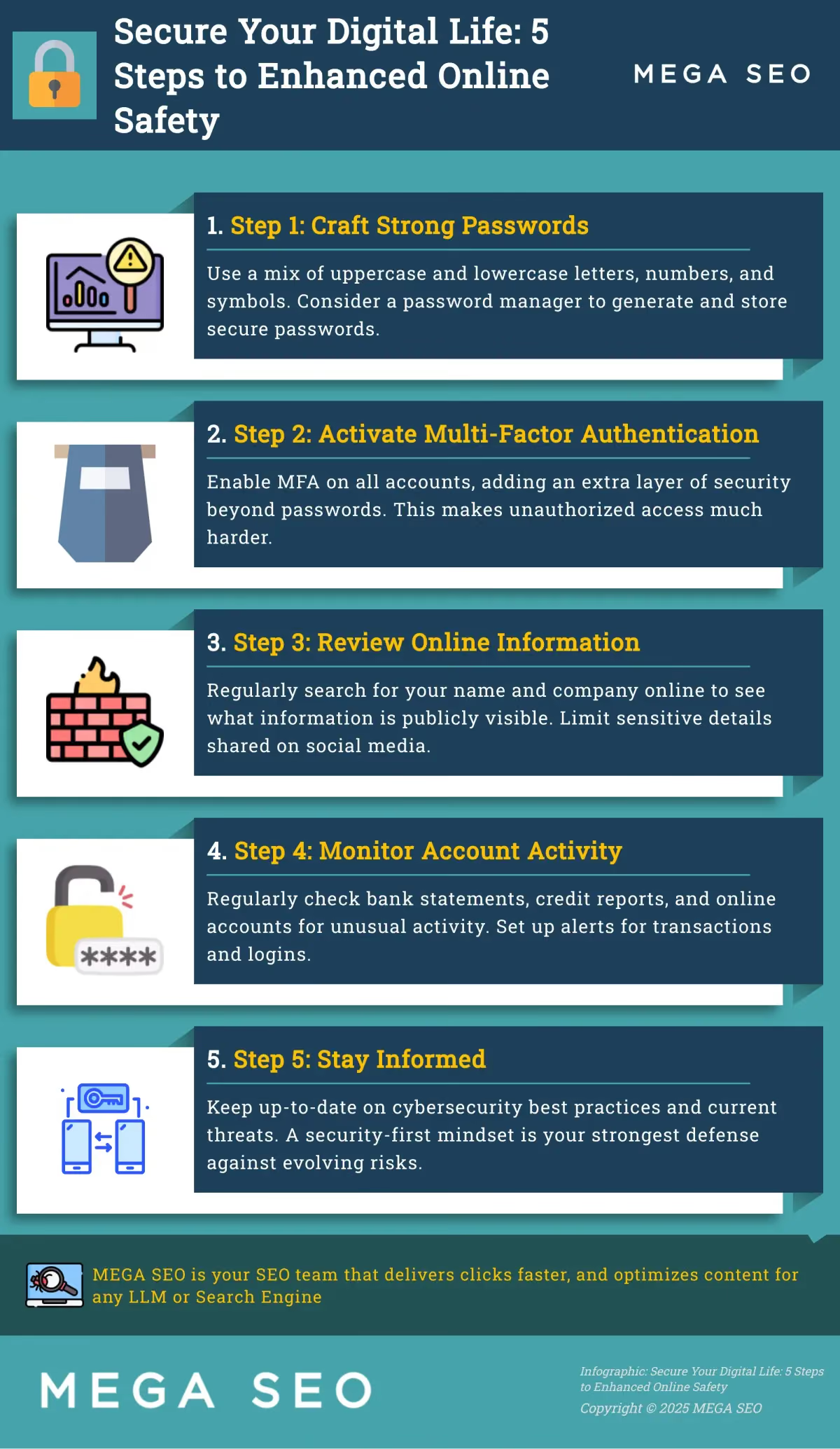
Passwords are the first line of defense against unauthorized access. Creating strong passwords is a cornerstone of data breach prevention. Craft passwords that are complex and unique, using a combination of uppercase and lowercase letters, numbers, and symbols. Avoid easily guessable information like birthdays or pet names. Consider using a reputable password manager to generate and securely store your passwords. Regularly updating your passwords—every three months is a good target—further reduces vulnerability.
Why Multi-Factor Authentication is Important
Multi-factor authentication (MFA) adds an extra layer of security to your accounts. By requiring multiple verification factors, such as a password and a one-time code sent to your phone, MFA makes it significantly harder for cybercriminals to gain access, even if they have your password. Enable two-factor authentication on LinkedIn, and any other website that offers it. This simple step can dramatically increase your account security.
Limit Personal Information You Share Online
The more personal information you share online, the more data is available for cybercriminals to exploit. Be mindful of what you post on social media and professional networking sites. Think twice before sharing sensitive details like your full birth date, home address, or phone number. Exercise caution with third-party apps requesting access to your LinkedIn or other social media accounts. Regularly review connected apps and revoke access for any you no longer use or trust. Verify account activity periodically to catch any unauthorized access or suspicious behavior early on. Protecting your personal information is crucial. Review the privacy settings on your online accounts to control what you share, and with whom. A guide can show how to protect your personal information from malicious actors.
Manage Your Digital Footprint
Protecting your business from data breaches requires a proactive approach to managing your digital footprint. Think of it as online reputation management for you and your company. It's not just about cleaning up after a negative incident; it's about minimizing the risk in the first place.
Track Your Online Presence
Regularly search for your name and your company's name online. This search helps you see what information is publicly available and identify any potentially damaging content. Cybercriminals often collect and exploit this information, as highlighted in Trend Micro's report on how LinkedIn data is abused for cybercrime. Staying aware of your online presence is the first step in protecting yourself.
Check Your Credit Report Regularly
Monitoring your credit report is crucial for detecting early signs of identity theft. Look for unfamiliar accounts or suspicious activity. Norton explains how thieves use personal information like social security numbers and bank account details to open fraudulent accounts. Regularly checking your credit reports can help you catch these issues quickly.
Set Up Account Alerts
Enable alerts for your financial accounts and online services. These alerts can notify you of unusual activity, such as login attempts from new locations or large transactions. Two-factor authentication adds an extra layer of security, making it harder for unauthorized access to occur. Regularly reviewing your transactions, coupled with account alerts, helps you spot and address suspicious activity promptly.
Respond to Suspected Data Breaches
If you suspect your LinkedIn data has been compromised, don’t panic. Take action. Swift and decisive steps can significantly limit potential damage.
Take Immediate Steps
First, secure your LinkedIn account using two-factor authentication. This adds an extra layer of security, making unauthorized access more difficult. Next, review your financial statements and credit reports for any suspicious activity. If you find an unauthorized charge, contact your bank immediately. Early detection is key to minimizing financial losses. Report the incident to LinkedIn through their help center. They can provide further guidance and potentially lock down your account.
Implement Long-Term Protective Measures
Responding to a potential breach isn’t a one-time fix. Adopt strong, proactive security habits. Create robust security policies, including strong, unique passwords for every online account. Regularly update your passwords and consider a password manager to help you keep track. Enable two-factor authentication (2FA) wherever possible. Be cautious about granting third-party apps access to your LinkedIn data. Regularly review connected apps and revoke access for any you no longer use or trust. Stay informed about cybersecurity best practices and learn how to recognize phishing attempts. A security-first mindset is your best defense in the ever-evolving digital landscape.
How Organizations Protect Data
Data breaches are costly—financially and reputationally. Protecting user data isn't just good practice; it's a fundamental business imperative. This protection operates on two interconnected levels: corporate responsibility and regulatory compliance.
Corporate Responsibility
Organizations have a responsibility to their users to safeguard their data proactively. This starts with internal policies and practices. Implementing strong password policies is a basic but crucial first step. Regular security training equips employees to recognize and avoid threats like phishing scams, which remain a primary attack vector. Multi-factor authentication (MFA) adds another layer of defense, making unauthorized access significantly harder even if credentials are compromised. Beyond these basics, regular security audits help identify vulnerabilities and ensure systems are up-to-date. These measures demonstrate a company's commitment to protecting user data and building trust. For automated tools and resources to strengthen your company's security posture, explore MEGA SEO's free tools and resources pages.
Regulatory Compliance and User Privacy
Alongside ethical obligations, organizations must also comply with a growing body of regulations designed to protect user data. Regulations like GDPR and CCPA set stringent requirements for data handling and security, with non-compliance resulting in significant fines. Transparency is also paramount. Companies must clearly communicate their data collection practices and give users control over their personal information. This empowers users and fosters trust, which is essential for any business operating in today's digital landscape. To learn more about how MEGA SEO can help your organization maintain compliance and protect user data, book a demo today.
Empower Yourself Online
Stay Informed About Cybersecurity
Knowledge is power, especially in the ever-changing landscape of cybersecurity. Regularly updating your understanding of the latest cybersecurity threats and best practices is crucial. Think of it like updating your phone’s operating system—those updates often include critical security patches. Staying informed about current cyber threats helps you recognize and address potential risks before they impact your business. This proactive approach can involve subscribing to reputable security blogs and participating in online cybersecurity communities. By expanding your cybersecurity knowledge, you equip yourself to make informed decisions and implement effective security measures. Learning about common tactics like phishing can help you spot suspicious emails and avoid falling victim to scams.
Implementing robust security measures is just as important as staying informed. Consider incorporating essential practices like strong password policies, regular security training for your team, and enabling multi-factor authentication (MFA) on all business accounts. These steps significantly strengthen your defenses against data breaches. MFA adds an extra layer of security, making unauthorized access much harder even if passwords are compromised. Regular training ensures your team stays up-to-date on best practices and understands their role in maintaining a secure work environment.
Cultivate a Security-First Mindset
A security-first mindset is more than just implementing tools and policies; it's about integrating security into your everyday online interactions. Start with the basics: use strong, unique passwords for every account and enable two-factor authentication (2FA) wherever possible. Think of your passwords as the first line of defense against unauthorized access. Regularly updating your passwords and exercising caution with third-party applications can significantly reduce your vulnerability to attacks. Before granting any app access to your accounts, review the permissions they’re requesting and consider whether they truly need that level of access.
Beyond passwords and 2FA, a proactive approach to cybersecurity involves regularly verifying your account activity. Take the time to review login history, check for any unrecognized devices or locations, and monitor for unusual transaction patterns. Being mindful of the information you share online is equally important. Cybercriminals often piece together information from various sources to build comprehensive profiles of their targets. By limiting the personal information you share publicly, you make it harder for them to gather the data they need to launch targeted attacks. This includes being cautious about what you post on social media, avoiding sharing sensitive details in public forums, and being wary of phishing attempts that try to trick you into revealing personal information.
Frequently Asked Questions
Why should I care about the LinkedIn data breach if I don't use LinkedIn?
Even if you don't personally use LinkedIn, the breach highlights the broader risks of online data exposure. The tactics used to exploit stolen data, like phishing and credential stuffing, are not platform-specific. Understanding these risks helps you protect your information across all online accounts. Additionally, if your colleagues or business contacts were affected, their compromised data could indirectly impact you or your company.
I'm a small business owner. Why would cybercriminals target me?
Cybercriminals often target small businesses because they may have weaker security measures in place compared to larger corporations. Any data you store, from customer information to financial records, is valuable to criminals. Additionally, your business might be seen as a stepping stone to larger targets within your network.
What are the most effective ways to protect my business from data breaches?
A multi-layered approach is essential. Start with strong password policies and regular security awareness training for your employees. Enable multi-factor authentication on all business accounts and implement robust data backup and recovery procedures. Regular security audits and penetration testing can help identify and address vulnerabilities before they are exploited. Consider using automated SEO tools like MEGA SEO to streamline your security efforts and ensure comprehensive protection.
How can I detect if my business has been compromised?
Be vigilant for unusual activity, such as unauthorized login attempts, suspicious email activity, or unexpected file changes. Monitor your financial accounts for any unauthorized transactions. Regularly review your website traffic for unusual spikes or patterns that could indicate malicious activity. Consider using security information and event management (SIEM) tools to monitor your systems for suspicious events.
What should I do if I suspect my business has experienced a data breach?
Act quickly. Contain the breach by isolating affected systems and changing compromised passwords. Gather evidence of the breach for investigation and reporting purposes. Notify affected individuals and regulatory authorities as required. Consult with cybersecurity experts to assess the damage, strengthen your security posture, and develop a recovery plan. Review your incident response plan and update it based on lessons learned.