
Launching a startup is exciting, but amidst the thrill, a strong legal foundation is key for real success. Understanding the legal basics for startups can feel overwhelming, but it's an investment in your future. This article offers a clear, actionable guide to essential legal frameworks. We'll cover practical advice and resources, so you can confidently navigate the legal side of your new venture.
Key Takeaways
- Build a strong legal foundation early: Addressing legal structure, intellectual property, and data privacy from the outset protects your startup and sets you up for success.
- Proactive legal strategies are key: Regularly review contracts, conduct legal audits, and integrate legal insights into your business decisions to mitigate risks and support growth.
- Legal compliance builds trust: Adhering to regulations and prioritizing data privacy demonstrates responsibility to customers and investors, strengthening your reputation and attracting funding.
Legal Basics for Startups: Launch with Confidence
Starting a business is exciting, but founders also need to understand the legal side of things. Startups must navigate a complex legal landscape of regulations, compliance requirements, and potential legal pitfalls. This can feel overwhelming, but a proactive approach to legal matters protects your business and sets you up for success. Think of legal compliance not as a hurdle, but as a foundation for growth.
Legal frameworks for startups cover several key areas. Intellectual property law protects your brand and inventions. Employment regulations guide how you hire and manage your team. Corporate governance dictates how your company operates internally. Understanding these frameworks is crucial for making informed decisions and avoiding costly mistakes. Regularly assessing your company’s practices, policies, and agreements can reveal areas needing attention. This proactive approach helps mitigate risks and maintain investor confidence, which is essential for long-term growth. Integrating compliance into your business strategy from the start streamlines operations and frees up resources for innovation and expansion. A solid legal foundation allows you to focus on building and growing your business. Founders can find more information about common legal traps in this helpful guide. By proactively addressing legal considerations, you can build a sustainable and thriving business. You can also explore legal tech tools to enhance your legal preparedness. Building a strong legal foundation early on sets the stage for long-term success.
Why Ongoing Legal Support is Crucial for Startups
Taking care of the legal side of your business from the start is vital for success. It’s not just a box to check; it’s about protecting your innovation, building trust with investors, and setting the stage for sustainable growth. Think of it as an investment in your future, not an expense.
Building a Strong Legal Foundation From the Start
From the moment you conceive your startup idea, legal considerations come into play. Initially, you'll need to tackle fundamental legal areas like choosing the right business structure (LLC, partnership, etc.). This decision has significant implications for liability and taxation. Securing funding, whether through equity, debt, or crowdfunding, also requires careful legal navigation. Protecting your intellectual property—your patents, trademarks, and copyrights—is essential for safeguarding your unique offerings. As you begin to build your team, complying with labor laws and drafting legally sound contracts for every agreement is also critical.
Maintaining Legal Health as Your Startup Grows
As your startup evolves, so do your legal needs. What worked in the initial stages may not be sufficient as you scale. Regularly reviewing your contracts is crucial, as is conducting periodic legal audits to identify potential vulnerabilities. Integrating legal insights into your business decisions, rather than treating them as an afterthought, can help you mitigate risks and capitalize on opportunities. Think of it like regular health checkups for your business—preventative care is always better than scrambling for a cure later on. These checkups aren't just about finding problems; they're about ensuring your legal framework supports your growth trajectory. For example, MEGA SEO can help automate many of these ongoing tasks, such as contract analysis and compliance updates, freeing you to focus on what matters most – growing your business.
Mitigating Risks and Avoiding Costly Mistakes
Many startups make the mistake of putting legal issues on the back burner, often due to limited resources or a focus on other pressing matters. However, this can lead to significant financial and operational headaches down the road. Ignoring legal aspects early on can create problems with everything from intellectual property disputes to regulatory compliance. A strong legal foundation not only protects you from potential legal battles but also builds investor confidence. Investors want to see that you’re taking the legal side of your business seriously, demonstrating responsibility and foresight. This can be a major factor in securing funding and achieving long-term success. By prioritizing legal matters from the outset, you’re mitigating risks and building a more robust and sustainable business. Tools like those offered by MEGA SEO can help automate many of these processes, making legal due diligence more manageable and efficient.
Startup Business Structures: How to Choose
Pick Your Startup Structure: LLC, Partnership, or More?
Choosing the right legal structure is a crucial early decision for startups, impacting taxes, liability, and fundraising. As Silicon Valley Bank explains in their guide to incorporating your startup, the four main types in the US are sole proprietorships, partnerships, LLCs, and corporations (S-corps and C-corps). Each structure has its own advantages and disadvantages, so careful consideration is necessary.
The LLC: Right for Your Startup?
LLCs offer a balance of simplicity and liability protection, making them a popular choice for startups. They shield personal assets from business debts and offer flexible tax options. This structure combines the benefits of a sole proprietorship/partnership with the limited liability of a corporation.
Partnership: Should You Start One?
Partnerships are straightforward to set up, involving two or more individuals sharing business ownership. However, partners typically bear personal liability for business debts. This structure is common for businesses with multiple founders who want a simple setup.
Sole Proprietorship: A Good Fit?
A sole proprietorship is the simplest form, where the business and owner are legally the same. This means easy setup but also full personal liability for business debts. This structure is best suited for solo entrepreneurs with minimal risk.
C-Corp vs. S-Corp: Which One for Your Startup?
Corporations, including C-corps and S-corps, are more complex but offer the strongest liability protection. They also have different tax implications, with C-corps facing double taxation and S-corps allowing pass-through taxation. C-corps are generally preferred for startups seeking venture capital funding.
Why Incorporate Your Startup Early?
According to Silicon Valley Bank, incorporating early is a smart move for startups. It provides crucial benefits, especially regarding liability and intellectual property protection. Early incorporation demonstrates a commitment to legal compliance and can attract investors.
Limit Personal Liability: Safeguard Yourself
Incorporating shields your personal assets from business debts and lawsuits, providing a safety net if your business faces financial challenges or legal action. This protection is crucial for entrepreneurs who want to minimize personal risk.
Protect Your Startup's IP: First Steps
Incorporation can strengthen your intellectual property protection, making it easier to defend your trademarks, patents, and copyrights. This is particularly important for startups with valuable IP assets.
Incorporate in Delaware? Pros and Cons
Many startups choose to incorporate in Delaware due to its business-friendly legal environment and specialized court system. Delaware’s Court of Chancery has extensive experience in corporate law, providing a predictable and efficient legal process. However, weigh the benefits against the added costs and complexities, such as filing fees and franchise taxes, before making a decision. If your business is not primarily focused on attracting venture capital, incorporating in your home state might be a more practical choice.
Startup Funding: Secure Capital Now
Funding Options: Legal Matters to Consider
Raising capital is vital for startup growth, but each funding mechanism has legal implications. Airstrip’s basics of startup law highlight the legal rules surrounding selling stocks and bonds, which vary depending on the funding round (seed, Series A, etc.). Understanding these regulations is crucial for securing funding and avoiding legal issues.
Equity Funding: What You Need to Know
Equity funding involves selling a portion of your company in exchange for capital. This can dilute ownership but provides access to larger sums of money, particularly from venture capitalists or angel investors. It’s essential to carefully consider the long-term implications of giving up equity.
Debt Funding: Is It Right for You?
Debt funding involves borrowing money that must be repaid with interest. This preserves ownership but requires regular payments, which can strain cash flow. Debt financing is often suitable for startups with predictable revenue streams.
Crowdfunding for Startups: Legal Implications
Crowdfunding platforms allow you to raise smaller amounts from a large number of people. However, specific regulations govern crowdfunding campaigns, including disclosure requirements and limitations on the amount that can be raised. Crowdfunding can be a good option for pre-seed or early-stage startups.
Venture Capital: Legal Due Diligence
Venture capital involves securing funding from specialized firms in exchange for equity. These investments often come with significant influence over business decisions, as venture capitalists typically take board seats and provide guidance. Venture capital is best suited for high-growth startups with scalable business models.
Securities Law: Fundraising Compliance for Startups
Navigating securities law is crucial when fundraising. Proactive legal planning mitigates risks, builds investor confidence, and supports sustainable growth, as Airstrip emphasizes. Failing to comply with securities laws can lead to severe penalties.
SAFEs vs. Priced Equity: What's the Difference?
Startups often face the choice between Simple Agreements for Future Equity (SAFEs) and priced equity rounds. SAFEs offer simplicity in early-stage funding, delaying the valuation of the company until a later round. Priced rounds, on the other hand, establish a valuation for the company at the time of investment. Choosing the right instrument depends on the stage of your startup and your fundraising goals.
Negotiate Funding Terms: Protect Your Startup
When securing funding, carefully negotiate terms and seek legal counsel to protect your ownership stake and decision-making power. A lawyer can help you understand the implications of different terms and ensure your interests are represented.
Building Relationships with Investors and Using a CRM
Establishing strong relationships with investors is crucial for a startup's success. As Houman Asefi highlights, “Building relationships is as important as the product or service itself when seeking funding.” This emphasizes that investors aren’t simply sources of capital; they’re partners who can offer valuable guidance and support. Cultivating these vital relationships requires a strategic approach, and a CRM system can be an invaluable tool.
A Customer Relationship Management (CRM) system is essential for effectively managing investor interactions. A CRM helps you track communications with potential and current investors, personalize your outreach, and analyze data to refine your fundraising strategies. This organized approach not only streamlines your efforts but also presents a professional image, increasing your credibility with potential investors. A well-maintained CRM can be a powerful asset in your fundraising toolkit.
Regularly analyzing data from your CRM can lead to more effective engagement and a tailored approach to each investor. Asefi advises to “regularly analyze data from your CRM to improve your fundraising strategy.” This proactive approach builds trust and confidence, which are essential for securing funding. Consider using MEGA SEO to further enhance your communication strategy. Our platform offers customized posts tailored to specific audiences, ensuring your message resonates with each investor. By combining a robust CRM with MEGA SEO's automated tools, you can build stronger investor relationships and improve your chances of securing funding.
Protecting Your Startup's Intellectual Property
IP Agreements: Employees and Consultants
Protecting your intellectual property is paramount. Airstrip’s guide for founders emphasizes understanding trademarks, patents, copyrights, and trade secrets. Ensure clear IP agreements with employees and consultants to retain ownership of your creations. These agreements should specify that any IP created during the course of employment or consultancy belongs to the company.
Startup Conflicts of Interest: How to Manage
Establish clear policies to address potential conflicts of interest, especially when employees or consultants work on projects related to your startup’s IP. These policies should outline procedures for disclosing and managing conflicts.
Equity Incentives and 409A Valuations
Attracting and retaining talent often involves equity incentive plans. 409A valuations are crucial for determining the fair market value of your company’s stock options, ensuring compliance with tax regulations. These valuations are typically performed by independent appraisers.
Regular IP Reviews: Keep Your Portfolio Strong
Regularly review your IP portfolio to ensure your protections are up-to-date and aligned with your business strategy. This includes monitoring for potential infringements and renewing trademarks and patents as needed.
Software Patents: Are They Worth It?
Patenting software can be expensive. Carefully weigh the costs and benefits before pursuing software patents, considering alternative protection strategies, such as trade secrets or copyright protection. The best approach depends on the specific nature of your software and your overall business strategy.
Essential Startup Contracts: Get It in Writing
Why Contracts Matter for Your Startup
Clear contracts are essential for setting expectations and minimizing disputes. Airstrip highlights the importance of contracts like NDAs, employee contracts, and service agreements in their startup law basics. Well-drafted contracts can save you time and money in the long run.
Startup Contracts: Types You Need Now
NDAs: Protect Your Startup's Secrets
NDAs protect confidential information shared with potential investors, partners, or employees. They are crucial for safeguarding your trade secrets and other sensitive information.
Employee Contracts: What to Include
Clear employee contracts outline roles, responsibilities, compensation, and intellectual property ownership. They should also address issues like termination and non-compete clauses.
Service Agreements: Essential Clauses
Service agreements define the scope of work and payment terms for contractors or service providers. These agreements should clearly specify deliverables, timelines, and payment schedules.
Terms of Service and MSAs: Explained
Develop a ToS and/or MSA, as Legal and Ops advises. These agreements govern the relationship between your startup and its customers, covering issues like usage rights, payment terms, and dispute resolution.
Key Contract Clauses: What to Look For
Legal and Ops provides guidance on key clauses for startup contracts. Understanding these clauses is essential for protecting your interests.
Indemnification: Protect Your Startup
Indemnification clauses protect your startup from losses caused by the actions of another party. They can shift the financial burden of legal disputes or other liabilities.
Liability Limits in Contracts
Liability limits cap your financial exposure in case of legal disputes. They can help you manage risk and avoid catastrophic losses.
IP Assignment: Secure Ownership
IP assignment clauses ensure that your startup retains ownership of any intellectual property created by employees or contractors. These clauses are crucial for protecting your valuable IP assets.
Warranty Exclusions: What to Know
Warranty exclusions limit your liability for defects or issues with your product or service. They can help you manage customer expectations and minimize legal risks.
Labor Law Compliance for Startups
Hiring and Firing Legally
Complying with labor laws is essential when building your team. Airstrip’s guide reminds founders to follow regulations regarding wages, overtime, and benefits. Violating labor laws can result in fines and legal action.
Employee Benefits and Compensation: Legal Basics
Understand and comply with regulations regarding employee benefits, including health insurance, retirement plans, and paid time off. Offering competitive benefits can help you attract and retain top talent.
Labor Regulations: What Startups Need to Know
Stay informed about other relevant labor regulations, such as those related to workplace safety, discrimination, and harassment. Creating a safe and inclusive work environment is essential for both legal compliance and employee well-being.
Startup Licenses, Permits, and Taxes
Required Licenses and Permits: Stay Compliant
Operating legally requires securing the necessary business licenses and permits. Airstrip’s startup law basics emphasize this important step. The specific licenses and permits required vary depending on your business location and industry.
Startup Taxes: What You'll Owe
Income Tax for Startups
Understand your startup’s income tax obligations, which vary depending on your legal structure. Proper tax planning can help you minimize your tax burden.
Sales Tax for Startups
If you sell physical goods or certain services, you’ll likely need to collect and remit sales tax. Sales tax regulations vary by state, so it’s important to understand the rules in your jurisdiction.
Payroll Tax for Startups
If you have employees, you’re responsible for withholding and paying payroll taxes. This includes taxes for Social Security, Medicare, and unemployment insurance.
Industry-Specific Regulations and Compliance
Navigating Legal Requirements for Your Industry
Different industries have their own specific rules and regulations. As Airstrip points out in their discussion of startup law basics, understanding these specific legal requirements is crucial. For example, a fintech startup will face different regulations than a food and beverage company. A healthcare startup will have to navigate HIPAA, while a SaaS business needs to be mindful of data privacy laws. Researching and complying with these industry-specific regulations early on can save you headaches and potentially hefty fines. Resources like the Small Business Administration (SBA) can provide helpful information on licenses and permits required for various industries. Don't underestimate the importance of this step; it's a fundamental part of building a sustainable and thriving business.
International Startup Expansion: Legal Challenges
Legal Considerations for Global Growth
Expanding globally involves new legal and regulatory challenges, as noted by Airstrip on startup law for founders. Each country has its own unique legal landscape, and navigating these differences can be complex. From data privacy laws like GDPR to international trade agreements, understanding the rules of the game in each market you enter is essential. Failing to comply with international regulations can lead to hefty fines and reputational damage, potentially hindering your growth trajectory. Consider consulting with international legal experts who can provide guidance on local laws and regulations. This proactive approach can protect your business and facilitate a smoother expansion process.
Navigating International Regulations
Successfully expanding internationally requires careful planning and a deep understanding of the target market's legal and regulatory environment. Consider factors like local labor laws, tax regulations, and intellectual property protection. These can differ significantly from your home country and impact your business operations. Working with local legal counsel can provide valuable insights and help you avoid costly mistakes. For example, employment contracts may need to be adapted to comply with local labor laws. Due diligence in this area is crucial for a smooth and successful international launch. A well-defined international expansion strategy, incorporating legal considerations from the outset, is key to minimizing risks and maximizing your chances of success in new markets. This includes having a clear understanding of the legal requirements for setting up a business entity in the target country.
Startup Exit Strategies: Legal Considerations
Planning Your Exit Strategy From the Beginning
Even in the early stages, startups should think about how they might eventually sell the company or go public, as highlighted in Airstrip's advice on exit strategies. Planning for an exit strategy isn't about being pessimistic; it's about being strategic. It helps shape your business decisions, from your legal structure to your intellectual property strategy, and makes your startup more attractive to investors. A clear exit strategy demonstrates foresight and a commitment to long-term value creation. Understanding the legal implications of different exit strategies, such as mergers and acquisitions or initial public offerings (IPOs), is crucial for maximizing value and ensuring a smooth transition. This includes understanding the tax implications of each exit strategy.
Legal Implications of Different Exit Strategies
Different exit strategies have different legal implications. Understanding and complying with regulations makes operations more efficient and prepares your startup for a successful exit. For example, an IPO involves a complex process of regulatory filings and disclosures, requiring significant legal and financial preparation. A merger or acquisition, on the other hand, requires careful negotiation of contracts, due diligence, and compliance with antitrust laws. Seeking legal counsel early in the process can help you navigate these complexities and ensure you're prepared for any potential challenges. A well-defined exit strategy, coupled with proactive legal planning, can significantly impact your startup's ultimate success. This includes having a clear understanding of the legal requirements for transferring ownership and assets.
International Startup Expansion: Legal Challenges
Expanding internationally presents unique legal challenges. Research and comply with the specific regulations of each country you operate in. This includes laws related to data privacy, employment, and intellectual property.
Startup Exit Strategies: Legal Considerations
Selling Your Startup: Legal Steps
Selling your company involves complex legal processes, including due diligence, negotiations, and closing agreements. Having a clear understanding of these processes can help you maximize the value of your business.
Going Public (IPO): Legal Requirements
Going public through an initial public offering (IPO) requires extensive legal preparation and compliance with securities regulations. This is a complex and time-consuming process that typically involves hiring experienced legal and financial advisors.
Legal Resources for Startups
Several resources and tools can assist startups with legal matters. Legal and Ops recommends tools like Clerky, file83b.com, Cooley Go, Carta, and Pulley. These tools can automate tasks, provide legal guidance, and simplify complex processes.
Leveraging AI and Automation for Legal Efficiency
Efficiency is key for startups. Legal processes, often seen as complex and time-consuming, can benefit significantly from AI and automation. This isn’t about replacing lawyers; it’s about empowering them and your startup with tools to streamline operations, reduce costs, and free up time for strategic work. As Airstrip AI points out in their discussion of startup law basics, early-stage companies might find AI legal assistants a more budget-friendly option compared to hiring experienced legal counsel. Automating routine tasks and leveraging AI-powered research tools allows your startup to build a strong legal foundation efficiently.
Automating Legal Tasks and Workflows
Many routine legal tasks, like document review, contract analysis, and basic legal research, can be automated. AI-powered tools can quickly sift through large volumes of data, identify key clauses, and flag potential risks, significantly reducing the time and effort required. This allows legal teams to focus on higher-value activities, such as providing strategic advice and negotiating complex deals. This increased efficiency translates to cost savings and faster turnaround times, crucial for startups in dynamic environments. Consider exploring AI legal assistants, as suggested by Airstrip, to see how these tools can integrate into your existing workflows. This allows your team to work smarter, not harder.
Using AI-Powered Legal Research Tools
Legal research is a cornerstone of any legal process. AI-powered research tools can dramatically accelerate this. These tools can quickly analyze case law, statutes, and regulations, providing relevant information and insights much faster than traditional methods. This speed and efficiency are invaluable for startups needing to make quick, informed decisions. A strong legal foundation, as highlighted by Airstrip, not only streamlines operations but also boosts investor confidence, a critical factor for fundraising. Integrating compliance into your business strategy from the outset, as discussed in The Successful Founder's guide on legal essentials, frees up resources for innovation and expansion. Resources like those recommended by Legal and Ops, including tools like Clerky and Cooley Go, can further automate tasks and simplify complex legal processes. By leveraging these AI-powered tools and resources, startups can build a robust legal framework that supports growth and long-term success. A solid legal foundation allows you to focus on what matters most: building your business.
AI Legal Assistants for Startups
AI-powered legal assistants can automate tasks like document review and contract analysis, saving time and resources. Consider MEGA SEO’s suite of tools, including automated content generation features, to help automate and streamline many of these legal processes, freeing up your time to focus on other aspects of your business. Book a demo to learn more.
Clerky: Streamline Legal Processes
Clerky helps automate legal paperwork for startups, streamlining tasks like incorporation and fundraising. This can save you time and money on legal fees.
file83b.com: Manage Your 83(b) Elections
file83b.com assists with filing 83(b) elections, which can have significant tax benefits for founders receiving stock options. This is a crucial step for minimizing your tax burden.
Cooley Go: Legal Resources
Cooley Go provides legal resources and guidance for startups, covering topics like fundraising and intellectual property. This can be a valuable resource for founders seeking legal information.
Carta: Manage Equity
Carta helps manage equity and ownership for startups, simplifying tasks like issuing stock options and tracking capitalization tables. This is essential for maintaining accurate records and complying with regulations.
Pulley: Cap Table Management
Pulley assists with cap table management, helping startups track ownership and equity distribution. This can simplify complex equity management tasks and provide valuable insights into your company’s ownership structure.
Setting Up Your Startup: Legal Checklist
Starting a business is exciting, but navigating the legal side can feel overwhelming. Don’t worry, you don’t need a law degree to build a solid foundation. By understanding the key legal frameworks early on, you can set your startup up for success. This section covers the essentials you need to know.
Choosing the Right Business Structure
Your business structure impacts everything from liability to taxes. Choosing the right structure is a crucial first step. Common structures include sole proprietorship, partnership, LLC, and corporation. Each has its own advantages and disadvantages. For example, a sole proprietorship is simple to set up, but it offers no legal separation between you and your business, meaning you’re personally liable for business debts. An LLC offers some personal liability protection. Corporations offer the strongest protection but are more complex to manage. Startups that prioritize legal strategy from the outset are better positioned to mitigate risks and achieve long-term success. Carefully consider your needs and consult with a legal professional to determine the best fit for your startup.
Protecting Your Startup’s IP: Essential Steps
Your intellectual property (IP) is one of your most valuable assets. It includes your inventions, logos, business name, and even your software. Protecting your IP is crucial. Trademarks protect your brand name and logo, preventing others from using similar marks. Copyrights protect original works of authorship, including software code and website content. Patents protect inventions, giving you exclusive rights to use, sell, and manufacture your invention for a set period. As UpCounsel explains in their guide to intellectual property for startups, different types of IP protection apply to various works. Understanding these distinctions is key to safeguarding your innovations.
Data Privacy and Consumer Protection
In today’s digital world, data privacy and consumer protection are paramount. Collecting and using customer data requires careful attention to legal regulations. Laws like GDPR and CCPA outline specific requirements for handling personal information. Non-compliance can lead to hefty fines and reputational damage. Prioritizing legal compliance is a fundamental pillar of operational strategy for startups. Make sure you understand the relevant regulations and implement robust data protection measures from the start. This builds trust with your customers and protects your business.
Avoid These Common Startup Legal Mistakes
Startups move fast. But neglecting legal essentials can create problems down the road. This section covers common legal issues and how to address them proactively.
Startup Contracts: Avoid Common Pitfalls
Solid contracts are crucial, especially when dealing with vendors, partners, and customers. Clearly define payment terms, deliverables, and intellectual property ownership in all your agreements. Non-disclosure agreements (NDAs) are also essential to protect your confidential information. Consider implementing NDAs early to protect your intellectual property, trade secrets, and business strategies. A well-written contract can prevent misunderstandings and disputes later on.
Protecting Your Ideas: IP Mistakes to Avoid
Protecting your intellectual property (IP) is foundational. This includes trademarks, copyrights, and patents. If your startup has unique inventions, consider filing provisional patents early on. This can be a strategic first step to protect your IP rights. Registering your trademarks helps prevent others from using your brand name or logo. Proper IP protection safeguards your innovations and brand identity.
Startup Legal Compliance Checklist
Depending on your industry, you’ll need to comply with specific regulations. Research the legal requirements for your sector and location. This might include licensing, permits, or industry-specific rules. Staying informed and compliant helps avoid penalties and legal challenges. Startups that prioritize legal strategy from the outset are better positioned to mitigate risks and achieve long-term success.
Navigating Employment Law
As your startup grows and you hire employees, understanding employment law is critical. This includes proper classification of employees (employee vs. contractor), creating compliant workplace policies, and handling HR matters legally. Make sure you have the right paperwork in place from the start. This includes offer letters, employment agreements, and any required tax forms. Addressing these legal aspects proactively sets the stage for smooth operations and a positive work environment.
Proactive Legal Strategies for Startups
A proactive legal strategy helps you avoid problems down the road and frees you up to focus on growing your business. Here’s how to integrate a proactive legal strategy into your startup:
Legal Audits: Are They Crucial?
Routine legal audits help identify weaknesses in your compliance efforts and potential legal pitfalls. Think of these like regular checkups with your doctor—it’s much easier (and cheaper) to address potential issues early on. Regularly assess your startup’s practices, policies, and agreements to uncover areas for improvement and ensure you’re following best practices. Review your contracts regularly to ensure they are up-to-date and reflect your current business needs. This includes vendor agreements, customer contracts, and employment agreements.
Clear Contracts: Key to Success
Clear contracts are essential for any business, especially for startups. They protect your interests and help you avoid disputes. Ensure all your contracts are in writing and reviewed by legal counsel. Consider implementing NDAs early on to protect your intellectual property, trade secrets, and business strategies. This is especially important if you’re sharing sensitive information with potential investors or partners. Clearly define payment terms, delivery schedules, and intellectual property ownership in all your contracts.
Effective IP Management
Protecting your intellectual property is crucial for startups. Your IP includes your inventions, logos, business name, and software. Different types of IP protection apply to these various areas. For example, patents protect inventions, copyrights protect software, and trademarks protect your brand name and logo. Start by understanding the different types of intellectual property and which ones apply to your business. Then, take steps to register your IP with the appropriate authorities.
Legal Insights for Your Strategy
Legal considerations shouldn’t be an afterthought. By integrating legal insight into your business strategy from the beginning, you protect your startup and position it for growth. Legal acumen can guide your startup through the complexities of the business world, including everything from regulatory compliance to contract negotiations. Consider working with a legal professional who understands the startup landscape. They can provide valuable guidance as you develop your business strategy, helping you identify and mitigate legal risks, negotiate favorable contracts, and ensure you’re operating within the law.
Mastering Employment Law
Getting a handle on employment law can feel overwhelming, but it’s a must for avoiding legal issues as your startup grows. Here’s how to build your team on a solid legal foundation:
Classifying Your Startup’s Employees
First things first: understand how to classify your workers. Correctly identifying employees versus independent contractors is essential for complying with labor laws. Misclassification can lead to significant penalties and back taxes, so take the time to learn the differences. The IRS offers resources to help, and consulting with legal counsel is always a good idea if you’re unsure.
Essential Workplace Policies
Clear workplace policies and procedures are vital for any startup. A well-written employee handbook sets clear expectations and provides a framework for addressing workplace issues. Include everything from vacation time to anti-discrimination policies. Having these policies documented helps manage employee behavior and protects your business.
Handling HR Issues Legally
Navigating HR issues can be complex, especially for early-stage companies. From wage and hour regulations to anti-discrimination laws, there’s a lot to consider. Understanding these employment laws is key to avoiding lawsuits. Establish a process for handling employee grievances fairly and legally. Consulting with an HR professional or employment lawyer can save you time, money, and stress down the line.
Data Privacy and Cybersecurity
As startups grow, they often collect and store increasing amounts of sensitive data, from customer information to proprietary business insights. Protecting this data is not just a best practice—it’s a legal and ethical imperative. A solid cybersecurity strategy is essential for maintaining customer trust, protecting your brand reputation, and avoiding costly legal issues.
Implementing Robust Data Protection
Startups should prioritize robust data protection measures to safeguard sensitive information. This includes using encryption for data at rest and in transit, implementing secure access controls to limit data access, and conducting regular security audits to identify vulnerabilities. Think of these measures as investments in the long-term health and resilience of your business. They’re crucial for building customer trust and ensuring the security of your operations.
Complying with Data Privacy Regulations
Understanding and complying with data privacy regulations like GDPR and CCPA is non-negotiable. These regulations outline specific requirements for data collection, storage, and use. Non-compliance can lead to significant fines and damage your reputation. Make sure you understand the specific regulations that apply to your business and take steps to meet those requirements. Legal compliance is a fundamental aspect of building a sustainable and trustworthy startup. Resources like the American Profession Guide offer further insights into legal compliance strategies.
Legal Strategies for Startup Growth
Smart legal strategies aren’t just about avoiding problems—they actively contribute to business growth. By proactively addressing legal matters, startups can build a solid foundation for expansion, attract investment, and gain a competitive edge.
Legal Compliance: Your Advantage
Think of legal compliance not as a burden, but as a business asset. When you prioritize following regulations and laws, you build trust with customers, partners, and investors. This commitment to compliance secures your business’s future and fosters sustainable growth. It also allows you to present a strong, reliable image in the marketplace, differentiating you from competitors who may cut corners. Prioritizing compliance demonstrates a commitment to ethical operations, which can attract customers who value responsible business practices. Following established legal guidelines also minimizes the risk of penalties and legal disputes, saving you time and money in the long run.
Attract Investors: Be Legally Prepared
Investors look for startups with a clear understanding of the legal landscape. A well-defined legal strategy signals that you’re not only aware of potential risks but also prepared to manage them. This proactive approach mitigates risks and positions your startup for long-term success, making you a more attractive investment. Having your legal ducks in a row, from intellectual property protection to sound contracts, shows investors you’re serious about building a sustainable business. Developing comprehensive legal strategies that cover areas like intellectual property, employment law, and data privacy are essential for attracting investment and scaling your startup effectively.
Marketing and Legal Compliance
Marketing and legal compliance go hand in hand. Ensure your marketing campaigns comply with relevant advertising laws, consumer protection regulations, and data privacy rules. Integrating compliance into your business strategies streamlines processes and frees up resources for innovation and market expansion. This proactive approach prevents costly legal battles down the road and maintains a positive brand reputation. Building a legally sound marketing strategy from the outset allows you to develop innovative campaigns while minimizing legal risks. This integrated approach ensures that your marketing efforts support your business goals without exposing you to potential legal challenges.
Why You Need Legal Counsel
Having solid legal processes is crucial for every startup. Legal guidance helps protect your business, ensures you’re following regulations, and sets you up for sustainable growth. This section covers when to bring in legal expertise, the advantages of ongoing support, and how to make the most of legal resources.
When to Seek Legal Advice
Early legal advice can prevent costly mistakes. From the very beginning, consider bringing in legal counsel to help choose your business structure. This ensures you’re setting up your company in the most advantageous way. Protecting your intellectual property is also essential from the outset. As PillarFlow notes, startups should implement NDAs early on to protect their intellectual property, including innovative ideas, trade secrets, and business strategies. Don’t wait for a problem—proactive legal advice is always the best approach.
Benefits of Ongoing Legal Support
Ongoing legal support offers significant advantages. It’s not just about fixing problems; it’s about anticipating and avoiding them. Consistent legal guidance helps you mitigate risks, capitalize on opportunities, and make informed decisions as your startup grows. Osylaw emphasizes that startups prioritizing legal strategy from the outset are better positioned for long-term success. Think of ongoing legal support as having a trusted advisor who understands the legal complexities of your industry and can help you navigate the changing business environment, allowing you to focus on building and scaling your business. Aaron Hall discusses how effective startup growth hinges on robust legal strategies that address key areas like intellectual property and contracts.
Fractional Legal Services
You might think comprehensive legal support is out of reach for a startup, but fractional legal services offer a flexible and cost-effective solution. You can bring in specialized legal professionals on a part-time or project basis, tailoring the support to your needs and budget. This approach gives you access to high-quality legal expertise without the commitment of full-time in-house counsel. FasterCapital highlights how integrating legal tech tools can streamline legal processes and provide a strategic advantage. By integrating legal insight into your business strategy, you’re not just protecting your startup—you’re setting it up for robust, sustainable growth.
Balancing Legal Compliance and Budget
Legal matters can feel overwhelming for startups, especially when balancing compliance with limited budgets. A proactive approach to your legal strategy is key for long-term success. It’s about finding smart, cost-effective ways to address your legal needs without breaking the bank.
Prioritizing Legal Needs
While it might be tempting to put off legal tasks until you have more funding, prioritizing legal strategy early on is crucial. This proactive approach helps mitigate risks and sets your startup up for sustainable growth. Think of it as an investment that protects your business in the long run. As legal expert Osylaw points out, startups that prioritize legal strategy from the outset are better positioned for long-term success. Start by identifying your most pressing legal needs. What aspects of your business are most vulnerable? Focus on those first. Consider seeking legal advice early on to identify potential legal issues and develop a preventative legal strategy.
Finding Cost-Effective Legal Solutions
Protecting your intellectual property is a prime example. Implementing NDAs early on safeguards your trade secrets and can prevent costly legal battles later. This is a cost-effective measure that can save you significant resources in the future. Look for free or low-cost legal resources, such as templates for basic agreements or online legal guides. Many bar associations and legal aid organizations offer free consultations for startups. These resources can provide valuable guidance and reduce expenses. Another strategy is to negotiate fixed fees with lawyers for specific projects, rather than hourly rates, to better control costs.
Using Legal Technology
Legal technology can be a game-changer for startups on a budget. Tools like contract management software and e-signature platforms streamline legal processes and reduce the need for extensive outside counsel. This can significantly lower your legal expenses. Explore different legal tech options and choose the ones that best fit your needs and budget. Even simple tools can make a big difference in managing your legal tasks efficiently. Automating routine legal tasks can free up your time and resources to focus on other critical aspects of your business.
Build a Solid Legal Foundation
Founding a startup is exciting, but amidst the hustle, legal essentials often get overlooked. Protecting your startup legally isn’t just a good idea—it’s crucial for long-term success. Prioritizing a legal strategy early on helps mitigate risks and sets the stage for sustainable growth. As your company grows, having the right legal foundation becomes even more important.
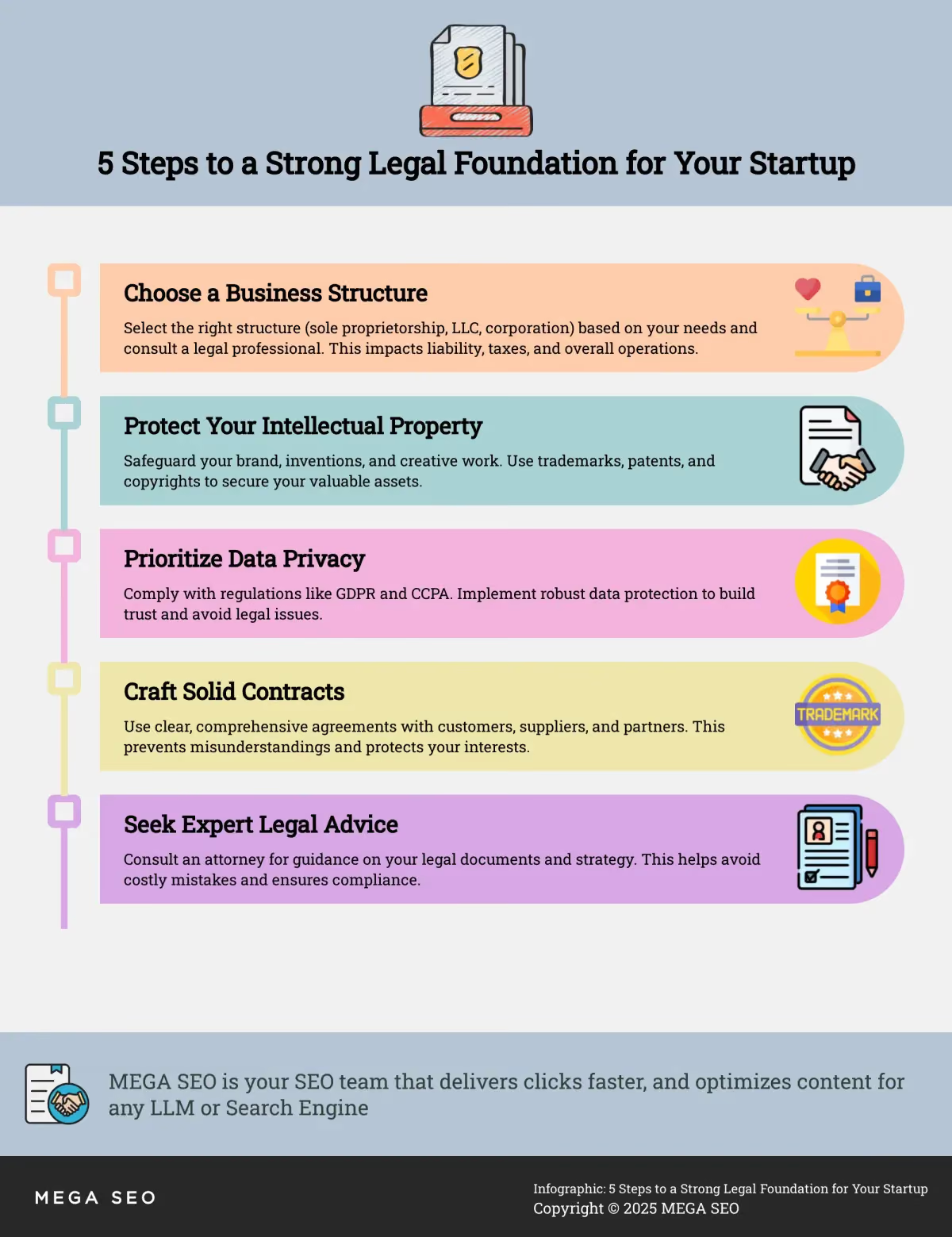
Think of your legal strategy as a roadmap. It guides you through complex regulations, protects your innovative ideas, and helps you make sound business decisions. Here’s how to build that strong legal foundation:
-
Secure Your Intellectual Property: Your ideas are your most valuable assets. Implement Non-Disclosure Agreements (NDAs) with anyone who has access to your confidential information, from co-founders and employees to advisors and investors. Consider trademarks, patents, and copyrights to protect your brand, inventions, and creative works.
-
Choose the Right Business Structure: Selecting the right business structure—sole proprietorship, LLC, or corporation—has significant legal and tax implications. Each structure offers different levels of liability protection and affects how you’ll file taxes. Consult with a legal professional to determine the best fit for your startup.
-
Prioritize Data Privacy: In today’s digital landscape, protecting customer data is paramount. Understand and comply with data privacy regulations like GDPR and CCPA. Implementing robust data protection not only builds trust with your customers but also safeguards your business from potential legal issues. Learn more about legal compliance strategies.
-
Craft Solid Contracts: Contracts are the backbone of your business relationships. Ensure all your agreements—with customers, suppliers, and partners—are clear, comprehensive, and legally sound. This prevents misunderstandings and protects your interests in case of disputes. Use contract templates to simplify the process.
-
Seek Expert Legal Advice: Navigating the legal landscape can be complex. Don’t hesitate to seek guidance from an experienced attorney. They can provide tailored advice, review your legal documents, and help you avoid costly mistakes. Consider using MEGA SEO’s resources to find legal experts specializing in startups. You can also book a demo to learn more about how MEGA SEO can help automate and simplify your legal processes.
By taking these proactive steps, you’ll build a solid legal foundation that supports your startup’s growth and protects your hard work. Remember, legal compliance isn’t just about avoiding problems—it’s about creating a framework for sustainable success.