
Creating content without keyword research is like navigating a maze in the dark. You'll stumble around, but you'll probably get lost. Fresh keyword data illuminates the path, showing you exactly what your audience is searching for. This guide equips you with the knowledge and tools to master keyword research, from understanding search volume and keyword difficulty to advanced techniques like competitor analysis. We'll even cover how to map keywords to content, optimize existing content with fresh insights, and target niche markets with long-tail keywords. Ready to create a data-driven content strategy that attracts the right audience and drives real business results? Let's get started.
Key Takeaways
- Understand your audience: Effective keyword research reveals what your target audience is searching for, allowing you to create content that resonates and drives organic traffic.
- Target the right keywords: Find the sweet spot between search volume, competition, and conversion value. Prioritize keywords that align with your business goals and have the potential to drive results.
- Use MEGA SEO to simplify the process: MEGA SEO automates keyword research, content generation, and optimization, making it easy to improve your search rankings and attract more customers. Explore our free tools or book a demo to learn more.
Keyword Research: Why It's Crucial for SEO
Keyword research is the process of discovering and analyzing the search terms people use in search engines. The goal is simple: use this data to inform your marketing strategy, particularly your SEO efforts. Think of it like listening in on a conversation your target audience is already having. What questions are they asking? What problems are they trying to solve? By understanding their language, you can create content that resonates and attracts them to your website.
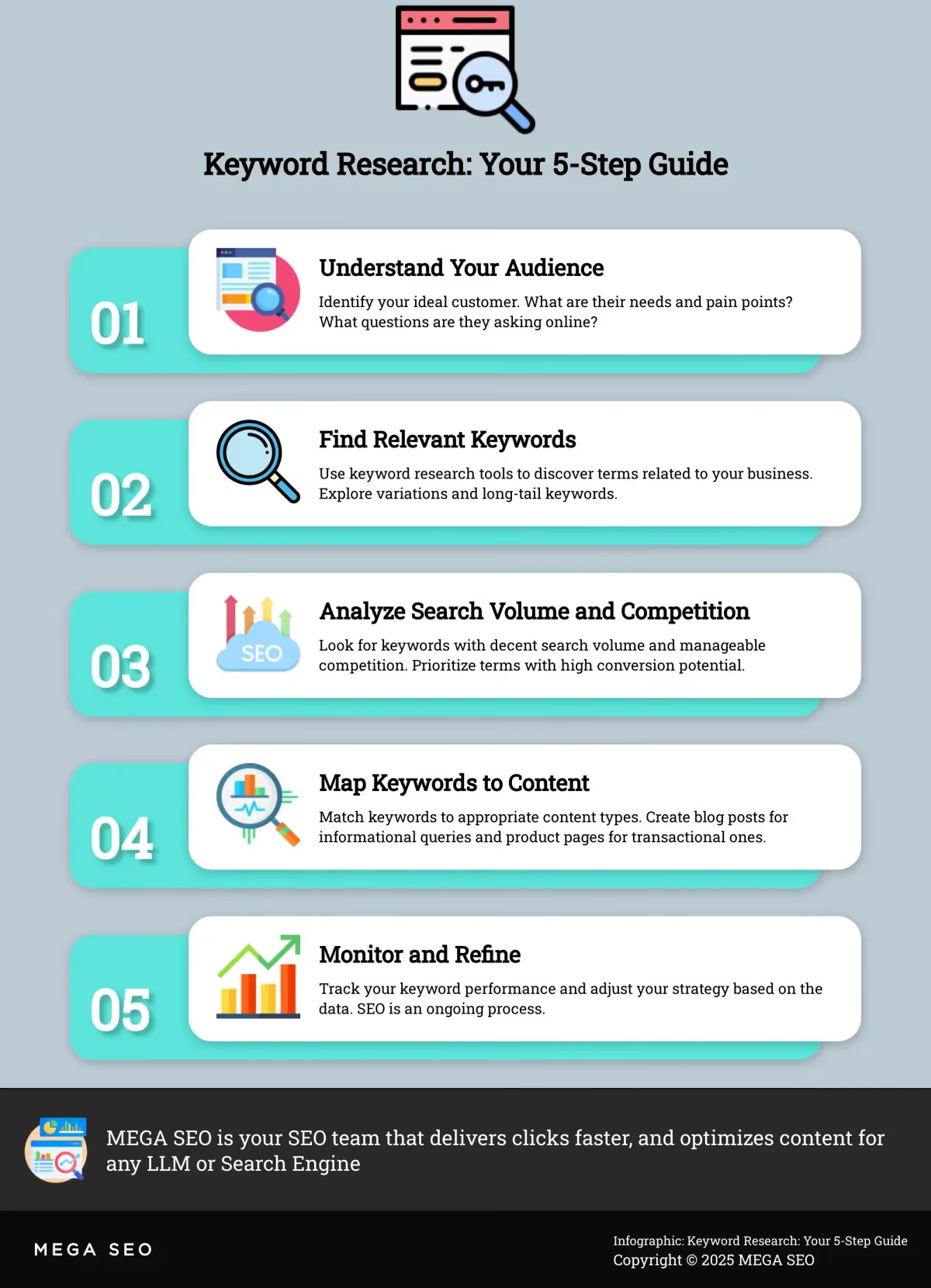
Why is this so important for SEO? Effective keyword research helps you understand what your audience is looking for online. This allows you to tailor your content to their specific needs. When your content directly addresses what people are searching for, search engines recognize its relevance and rank your site higher in search results. This increased visibility translates to more organic traffic, and ultimately, more customers. Check out our free SEO tools to get started.
Keyword research also helps you target a broader range of search intents. Some users are simply seeking information (informational intent), while others are ready to make a purchase (transactional intent). By identifying keywords related to different intents, you can create a diverse content strategy that caters to users at every stage of the buyer’s journey. For example, someone searching for “best running shoes for marathon training” is likely further down the sales funnel than someone searching for “how to start running.” Learn more about creating a data-driven content strategy in our resource library.
Finally, keyword research provides valuable insights into the competitive landscape. By analyzing the keywords your competitors are targeting, you can identify opportunities to rank for terms they may be overlooking. This competitive analysis can help you refine your SEO strategy and gain a competitive edge in your market. MEGA SEO can automate this entire process, making it easy to identify valuable keywords and track your progress against the competition. You can learn more by booking a demo.
Keyword Research Basics
Keyword research is the foundation of any successful SEO strategy. It’s the process of discovering the words and phrases people use when searching online for information, products, or services related to your business. Understanding these search terms allows you to create content that resonates with your target audience and ranks well in search engine results. This section covers the fundamental principles of effective keyword research.
Aligning Keywords With Your Business
First, identify keywords that truly represent your products or services. Think about the terms your ideal customer would use when searching for what you offer. Don’t chase popular keywords if they aren’t relevant to your business. Focusing on relevant search terms ensures you attract the right audience—people genuinely interested in what you have. HubSpot emphasizes aligning your business with keywords to avoid wasted resources.
Understanding Search Volume and Demand
Search volume, the number of times a keyword is searched each month, is a valuable metric. However, it’s not the only factor. You also need to understand the demand behind those searches. Are people searching for information, looking to buy, or trying to find a specific website? Consider seasonal trends and user behavior. For example, if you sell swimwear, search volume for “bikinis” will likely be higher in the summer. Understanding demand helps you create a well-rounded keyword strategy.
Evaluating Keyword Difficulty and Competition
Before targeting a keyword, assess its difficulty. Keyword difficulty indicates how challenging it will be to rank for that term in search results. High-difficulty keywords often have a lot of competition, meaning many websites are already vying for those top spots. Tools like MEGA SEO can help you determine keyword difficulty. Understanding this metric allows you to prioritize your efforts and focus on keywords you have a realistic chance of ranking for. Consider using a keyword difficulty tool for better SEO outcomes.
Analyzing User Intent: What Are Searchers Looking For?
User intent is the reason behind a search query. Are users looking for information, a specific product, or a particular website? Understanding user intent is crucial for creating content that satisfies their needs. For example, if someone searches for “how to bake a cake,” they’re looking for informational content, not an online cake shop. Aligning your content with user intent improves user experience and increases the likelihood of conversions.
What are Fresh Keywords?
Defining Fresh Keywords and Their Importance
Fresh keywords are newly popular search terms, often related to current events, seasonal trends, or brand-new topics. Think of them as the buzzwords of the search world, capturing what people are interested in right now. Unlike evergreen keywords, which remain relatively consistent over time (like “how to bake a cake”), fresh keywords have a shorter lifespan. They emerge quickly, often driven by real-world happenings, and can fade just as fast. Similarweb highlights the dynamic nature of search, noting that about 1 in 6 Google searches are completely new.
Why are fresh keywords important? They offer a unique opportunity to capture trending traffic early. By identifying and targeting these emerging search terms, you can position your content in front of a highly engaged audience actively seeking information on a trending topic. This can lead to a significant spike in organic traffic and increased brand visibility. MEGA SEO can help you identify these fresh keywords and incorporate them into your content strategy. Book a demo to learn more.
Why Fresh Keywords Matter for SEO
Integrating fresh keywords into your SEO strategy is crucial for staying ahead of the curve and maximizing your organic reach. While evergreen keywords form the core of a solid SEO foundation, focusing solely on them means missing out on valuable opportunities to capture trending traffic. As Similarweb explains, using fresh keywords improves website SEO and allows you to tap into the dynamic pulse of online search. Using a tool like MEGA SEO can simplify the process of identifying and incorporating fresh keywords. Explore our free tools to get started.
Capturing Trending Traffic Early
Fresh keywords allow you to ride the wave of trending topics. By creating content optimized for these terms, you can attract users actively seeking information on current events or popular trends. This early adoption can result in a surge of organic traffic, significantly boosting your website’s visibility and reach. This proactive approach, as highlighted by Similarweb, ensures you're not missing opportunities to gain traffic from trending topics. MEGA SEO can help you create optimized content for these trending topics. Get 2 free articles to see how it works.
Staying Ahead of the Competition
The landscape of fresh keywords is dynamic. Trends emerge and disappear quickly, making swift action essential. By monitoring and incorporating fresh keywords into your content strategy, you can establish yourself as a relevant source of information on trending topics, potentially gaining an edge over competitors who are slower to adapt. As Similarweb emphasizes, acting quickly is crucial because fresh keyword trends can be short-lived. MEGA SEO can help you stay ahead of the competition by automating keyword research and content optimization. Learn more in our resource library.
Leveraging Short-Lived Opportunities
While fresh keywords may have a limited lifespan, their impact can be substantial. Capitalizing on these short-lived opportunities can generate a significant influx of traffic and keep your content fresh and engaging for readers. Hostitsmart points out that fresh keywords can significantly increase website traffic and maintain audience interest. With MEGA SEO, you can quickly create and optimize content for these short-lived opportunities, maximizing their potential impact. Contact us to discuss your specific needs.
Types of Fresh Keywords
Fresh keywords come in various forms, each with its own unique characteristics and opportunities. Understanding these different types can help you refine your keyword research and target specific audience interests. MEGA SEO can help you identify and categorize these different types of fresh keywords, streamlining your content strategy. Learn more about how MEGA SEO can simplify your keyword research.
Trending Keywords
These keywords relate to currently popular topics, such as a new movie release, a viral social media challenge, or a breaking news story. They are typically short-lived but can generate a high volume of searches during their peak popularity. Hostitsmart describes these as terms related to current popular topics with a limited lifespan.
Seasonal Keywords
These keywords are tied to specific times of the year, such as holidays or seasons. Examples include “Christmas gifts,” “summer vacation deals,” or “back-to-school supplies.” These keywords experience predictable peaks and dips in search volume throughout the year. Hostitsmart categorizes these as terms related to holidays or seasons.
Event-Based Keywords
These keywords revolve around specific events, such as concerts, conferences, festivals, or sporting events. They are often highly localized and experience a surge in search volume leading up to and during the event itself. Hostitsmart provides examples like terms related to a specific event, such as a concert.
Industry-Specific Fresh Keywords
These keywords emerge within a particular industry or niche, often related to new product releases, technological advancements, or emerging trends. They are relevant to a specific audience and can be valuable for businesses operating within that industry. Hostitsmart notes these as terms specific to a certain field, like "cloud computing."
Geo-Targeted Fresh Keywords
These keywords are location-based and often include terms like “near me,” “in [city name],” or specific neighborhood names. They are relevant for businesses targeting local customers and can be used to optimize for local SEO. Hostitsmart offers examples like location-based terms, such as “restaurants near me.”
Unlocking Easy Keyword Wins
This section covers how to identify and leverage low-hanging fruit keywords—keywords you can rank for quickly—to boost your site’s organic traffic.
Analyzing Your Current Ranking: Where Do You Stand?
Before searching for new keywords, look at how your site currently performs in search results. Identify keywords where your pages rank between positions 2 and 15. These are your low-hanging fruit. Why? Because even small improvements in ranking for these keywords can significantly increase your organic traffic. A jump from position 10 to position 5, for example, can bring a substantial increase in visits. Start by narrowing down your keyword list to a manageable group of 50–100 keywords to focus your initial optimization efforts. MEGA SEO’s free site audit tools can help you analyze your current rankings and pinpoint these opportunities.
Capitalizing on Quick Wins for Traffic Growth
Once you’ve identified your low-hanging fruit keywords, prioritize them strategically. The most important factor? Relevance. The keywords you target must be directly relevant to your products or services. If a keyword isn’t relevant, it won’t attract the right audience, even if it drives traffic. Next, consider the keyword’s competitiveness. Highly competitive keywords require more resources and effort to rank for. If you’re just starting, focus on less competitive keywords to secure quick wins and build momentum. Remember, creating high-quality content is an investment. Choose keywords you have the authority to rank for, ensuring your efforts pay off. Finally, consider search intent. Are users looking for information, ready to buy, or something else? Understanding search intent helps you create content that satisfies user needs and drives conversions. MEGA SEO’s content generation features can help you create optimized content for any search intent.
Balancing Act: Search Volume vs. Competition vs. Value
Keyword research is more nuanced than simply finding high-volume search terms. It’s about striking a balance between search volume, competition, and the potential for those keywords to drive conversions.
Finding the Keyword Sweet Spot for SEO Success
Think of keyword research as a balancing act. You want to target keywords with decent search volume, indicating significant user interest. However, high-volume keywords often attract fierce competition, making it tough to rank, especially for newer sites. Targeting low-competition keywords might seem appealing, but if the search volume is negligible, your traffic gains will be limited. The key is to find the middle ground—keywords with reasonable search volume and manageable competition. This approach allows you to gain traction and build authority without getting bogged down by overly competitive landscapes. A keyword with a million searches per month might sound fantastic, but if you’re a small business competing against industry giants, your resources are better spent targeting more realistic opportunities. Focus on keywords that align with your business goals and have the potential to drive conversions.
Don’t get discouraged if you can’t compete for the highest-volume keywords right away. Start by targeting more niche keywords with lower competition. As your site gains authority, you can gradually expand your keyword strategy to include more competitive terms. This incremental approach allows for sustainable growth and maximizes your chances of ranking well. Remember, SEO is a marathon, not a sprint.
Prioritizing Keywords for Maximum Impact
To maximize your SEO impact, prioritize keywords that align with your business objectives. Ask yourself: which keywords are most likely to lead to conversions? This often involves understanding the search intent behind a keyword. For example, someone searching for “best running shoes for marathon training” has a different intent than someone searching for “running shoe reviews.” The former is likely closer to making a purchase, making it a higher-value keyword for a running shoe retailer. Long-tail keywords, which are longer and more specific phrases, often have lower search volume but higher conversion rates. They’re a great way to target specific user intents and drive qualified traffic to your website. For example, instead of targeting “coffee,” a long-tail keyword like “organic fair trade coffee beans online” attracts a more specific audience with a higher purchase intent. Long-tail keywords are often less competitive, making them easier to rank for, especially for smaller businesses. By prioritizing keywords with high conversion potential, you ensure that your SEO efforts translate into tangible business results. Tools like MEGA SEO can help you identify and prioritize these valuable keywords, streamlining your content strategy and maximizing your return on investment. Check out our free tools to get started.
Finding and Using Fresh Keywords
In the ever-evolving digital world, staying ahead means keeping your finger on the pulse of current search trends. This is where fresh keywords come into play. These are terms that have recently gained popularity or are experiencing a surge in search volume. They often reflect trending topics, current events, or seasonal interests. Incorporating these keywords into your content strategy can give you a competitive edge, helping you capture trending traffic and stay relevant. This section explores how to find and use fresh keywords effectively.
Strategies for Discovering Fresh Keywords
Leveraging Google Trends
Google Trends is a powerful tool for identifying fresh keywords. It provides real-time data on search trends, showing you which terms are rising in popularity and which are fading away. You can use Google Trends to explore trends across different regions and time periods, giving you valuable insights into what people are currently searching for. This information can help you create timely content that captures trending traffic and positions you as a thought leader. For example, if you notice a sudden spike in searches for "sustainable fashion," you can create content around this topic to attract users interested in eco-friendly clothing.
Social Media Analysis for Fresh Keywords
Social media platforms like Twitter, Instagram, and Facebook are hotbeds for trending topics. Pay attention to hashtags, viral posts, and trending discussions to identify fresh keywords related to your industry. Social listening tools can help you monitor conversations and identify emerging trends. By incorporating these fresh keywords into your content and social media strategy, you can tap into current conversations and reach a wider audience. For instance, if a new fitness challenge is trending on TikTok, you can create related content and use relevant hashtags to reach fitness enthusiasts.
Monitoring Industry News and Publications
Staying informed about industry news and trends is crucial for identifying fresh keywords. Subscribe to industry blogs, follow relevant publications, and participate in online forums to see what people are talking about. Look for emerging trends, new product releases, and industry events that might generate fresh keyword opportunities. By incorporating these keywords into your content, you can demonstrate your industry expertise and attract users seeking up-to-date information. For example, if a major tech conference announces a groundbreaking new technology, you can create content around that technology and target related keywords to attract a tech-savvy audience. MEGA SEO's free tools can help you stay on top of industry trends.
Using MEGA SEO for Automated Fresh Keyword Discovery
MEGA SEO streamlines the process of finding fresh keywords. Our platform automates keyword research, providing you with a constant stream of fresh, relevant keywords based on real-time search data. This automation saves you time and resources, allowing you to focus on creating high-quality content. MEGA SEO also tracks your progress against the competition, showing you which fresh keywords your competitors are targeting and how you can outperform them. Book a demo to see how MEGA SEO can revolutionize your keyword research.
How to Use Fresh Keywords in Your Content
Optimizing Blog Posts and Articles
When you've identified fresh keywords, integrate them naturally into your blog posts and articles. Create content that directly addresses the search intent behind the keyword. If a user is searching for information on a trending topic, provide comprehensive and insightful content that answers their questions. Remember, quality content is key. Don't simply stuff keywords into your content; focus on providing value to your readers. A well-written article that satisfies user intent will rank higher and attract more organic traffic. Get started with MEGA SEO to create optimized content quickly.
Creating Engaging Videos with Fresh Keywords
Videos are a highly engaging content format. Use fresh keywords in your video titles, descriptions, and tags to improve their visibility in search results and on platforms like YouTube. Create videos that address trending topics, answer frequently asked questions, or provide tutorials related to your industry. Engaging video content can attract a wider audience and drive traffic back to your website. Remember to include a call to action, encouraging viewers to visit your site for more information.
Leveraging Fresh Keywords in Social Media Updates
Social media is a powerful channel for distributing your content. Use fresh keywords in your social media posts, captions, and hashtags to increase visibility and engagement. Share links to your blog posts, videos, and other content, using relevant fresh keywords to attract interested users. Consistent social media activity can help you build a strong online presence and drive traffic to your website.
Integrating Fresh Keywords into Paid Campaigns
Fresh keywords can also be highly effective in paid advertising campaigns. Use them in your ad copy and target them in your campaigns to reach a wider audience and improve your ad relevance. By targeting fresh keywords, you can attract users actively searching for information or products related to your offerings. This targeted approach can lead to higher click-through rates and improved conversions.
Updating Existing Content with Fresh Keywords
Don't forget about your existing content. Regularly review and update older blog posts and articles with fresh keywords to keep them relevant and improve their search rankings. Adding fresh keywords can give older content a new lease on life, attracting new readers and boosting your overall organic traffic. MEGA SEO's Maintenance Agent can help you identify and integrate fresh keywords into your existing content, saving you time and effort. Contact us to learn more.
Optimizing for Voice Search with Fresh Keywords
With the rise of voice search, optimizing your content for conversational queries is more important than ever. Use long-tail, question-based keywords that reflect how people speak when using voice assistants. For example, instead of targeting "best pizza," optimize for "where can I find the best pizza near me?" By targeting these conversational keywords, you can capture voice search traffic and reach a growing segment of users who prefer voice-activated search. Learn more about voice search optimization in our resource library.
Keyword Research Tools and Techniques to Use
Keyword research involves more than just finding relevant keywords. It requires understanding which tools to use, how to interpret the data, and how to apply these insights to your overall SEO strategy. This section covers both popular keyword research tools and more advanced techniques to help you uncover hidden opportunities.
Essential Keyword Research Tools
Several tools can simplify the keyword research process. Some popular options include SEMrush, Ahrefs, and Moz Keyword Explorer. These platforms offer comprehensive features, including keyword discovery, competitive analysis, and search volume data. For example, with SEMrush, you can enter your domain and discover your keyword rankings to understand your current keyword performance. Alternatively, Google Search Console shows the keywords driving traffic to your site, providing a solid starting point for optimization. Free tools like Google Keyword Planner and Ubersuggest also offer valuable data, particularly for those on a tighter budget. MEGA SEO streamlines this entire process, automating keyword discovery and analysis so you can focus on creating high-quality content. See how MEGA SEO automates keyword research.
Advanced Keyword Research and Competitor Analysis
While basic keyword research tools are helpful, advanced techniques can give you a competitive edge. Competitor analysis is crucial. By examining your competitors’ keyword strategies, you can identify gaps and opportunities. Don’t rely solely on one keyword data source, as this can lead to missed opportunities, especially for niche keywords. Thorough SERP analysis is essential. Analyze the top-ranking pages for your target keywords, looking at their content, structure, and backlink profiles. This research reveals what Google considers relevant and authoritative for those keywords. Understanding keyword difficulty, a metric provided by most keyword research platforms, is also crucial. This metric helps assess how competitive a keyword is and prioritize your efforts. Effective keyword research considers various search intents, from informational to transactional. By understanding what users want, you can tailor your content and improve your ranking potential. MEGA SEO’s Maintenance Agent helps optimize existing content and identify new keyword opportunities to improve search rankings. Explore MEGA SEO’s content optimization features.
Understanding Keyword Data Sources and Tools
Keyword research tools use various data sources to suggest keywords and estimate their monthly search volume. The accuracy of these estimates depends on the tool and its sources. Let's explore some common data sources and their limitations.
Scraping and Its Limitations
Some tools rely on scraping, which involves extracting data from websites. While scraping can provide a broad overview of keyword usage, it's often inaccurate and doesn't reflect actual search volume. It's crucial to understand these limitations when using tools that primarily rely on scraped data.
Clickstream Data and Its Applications
Clickstream data, which tracks anonymized user behavior online, offers more accurate search volume estimates, especially for popular keywords. However, it's less reliable for long-tail keywords due to limited data. Ethical concerns also surround how some tools collect this data, so choose your tools wisely.
Google Search Console Data
Some keyword research tools integrate with Google Search Console (GSC) (with user permission) to refine keyword volume estimates and provide insights into actual search queries leading to your site. Be cautious of free tools requesting GSC access, as they might use your data for other purposes. Transparency is key when granting access to your GSC data.
Google Ads Keyword Planner: A Deep Dive
The Google Ads Keyword Planner is a powerful tool specifically designed for search campaigns. It helps you discover new keywords, estimate monthly search volume, and understand the average cost for advertising on those keywords. While primarily for paid campaigns, it offers valuable insights for organic keyword research as well. MEGA SEO offers similar keyword research capabilities, but with a focus on automating the entire SEO process, from keyword discovery to content optimization. Explore our free tools to see how we can simplify your keyword research.
Benefits of Using the Keyword Planner
Keyword Planner suggests related keywords and allows filtering by competition, impression share, and other factors. Entering a keyword and a URL together yields more specific results than just a URL, helping you refine your keyword targeting. This feature is particularly useful for identifying long-tail keywords and understanding user intent. Similar to Keyword Planner, MEGA SEO provides comprehensive keyword data, including search volume, competition, and relevance. Book a demo to see how MEGA SEO can help you find the perfect keywords for your business.
How to Use Google Ads Keyword Planner
To access Keyword Planner, you'll need a Google Ads account with billing information and an active (or paused) campaign. While this might seem like a hurdle, it ensures access to more accurate data. Don't worry, you can pause your campaign to avoid unwanted ad spend. If you're looking for a more streamlined approach, MEGA SEO simplifies keyword research with its automated tools and intuitive interface. Learn more about our resources for keyword research and content optimization.
Discovering New Keywords
To discover new keywords, simply enter words or website URLs related to your business. The tool then generates a list of related keywords, providing a starting point for your research. MEGA SEO also offers robust keyword discovery features, allowing you to uncover hidden opportunities and target niche markets. Request a customized post tailored to your specific keyword needs.
Uploading Existing Keywords
You can also upload a list of keywords from a CSV file. This feature is useful for analyzing existing keyword lists or importing keywords from other tools. You can upload a simple list or a more detailed plan including campaign, location, and ad group information. MEGA SEO allows for similar keyword analysis, providing insights into search volume, competition, and potential value. Contact us to learn more about our keyword research and analysis capabilities.
Understanding Keyword Forecasts
Keyword Planner provides forecasts for conversions, clicks, and impressions based on your budget and bid strategy. This feature helps you understand the potential impact of different bidding strategies and optimize your budget allocation. While Keyword Planner focuses on paid campaigns, MEGA SEO provides forecasts for organic traffic growth based on your keyword strategy and content optimization efforts. Try our free tools to get a glimpse of your organic traffic potential.
Limitations of Google Ads Keyword Planner
While Keyword Planner is a valuable tool, remember that campaign success depends on various factors, including your bids, budget, product quality, and customer behavior. Use it as a guide, but don't rely solely on its predictions. Combine its insights with other data sources and your own business knowledge for a comprehensive keyword strategy. MEGA SEO offers a more holistic approach to SEO, integrating keyword research with content generation, optimization, and ongoing maintenance. Book a demo to see how MEGA SEO can help you achieve your SEO goals.
Building a Data-Driven Content Strategy with Fresh Keyword Data
Keyword research isn’t just about finding keywords; it’s about using those keywords to create a content strategy. A data-driven approach ensures you’re creating content that resonates with your audience and ranks well in search results. This involves two key aspects: mapping keywords to content types and optimizing existing content with fresh data.
Mapping Keywords to Content
Effective keyword research helps you target a wider range of search intents. Someone searching for “how to bake a cake” has different needs than someone searching for “buy birthday cake online.” The first search suggests an informational need, addressed well by a blog post or video. The second signals a transactional intent best served by a product page where they can buy a customized cake. Mapping keywords to specific content types ensures your content aligns with user expectations, leading to better engagement and conversions. Understanding the nuances of short-tail, long-tail, and even local keywords allows you to tailor your content to the specific needs of your audience, as explained in this helpful Search Engine Journal article. This targeted approach improves the user experience and increases the likelihood of ranking for relevant searches. MEGA SEO’s keyword research tools can help you identify these different keyword types and map them to the right content.
Optimizing Content with Fresh Keyword Data
Keyword research isn’t a one-time activity. Search trends change, and so should your content. Regularly reviewing and updating your existing content with fresh keyword insights is crucial for maintaining its relevance and improving its search ranking. Many keyword research tools offer data on keyword difficulty, which tells you how competitive a keyword is. Don’t make the mistake of focusing solely on search volume. As this Search Engine Journal article points out, considering keyword difficulty is essential for choosing the right keywords to target. Optimizing existing content with new keyword data can significantly enhance its visibility. This might involve updating page titles, meta descriptions, or even adding new sections of content to address related keywords. MEGA SEO’s Maintenance Agent can automate these updates, saving you time and effort. Regularly refreshing your content with relevant keywords, as discussed in this Senuto blog post, not only helps maintain its relevance but also improves its chances of ranking higher. This ongoing optimization ensures your content remains competitive and continues to attract organic traffic.
Using Long-Tail Keywords to Dominate Niche Markets
Long-tail keywords are longer, more specific keyword phrases that visitors use when they’re closer to a point of purchase or when they’re searching for very particular information. Think of the difference between searching for “shoes” versus “best red running shoes for women size 9.” The latter phrase, with its higher specificity, is a long-tail keyword.
Why Target Long-Tail Keywords?
Long-tail keywords offer several advantages. They’re typically less competitive than shorter, more generic keywords, making it easier to improve your search ranking. Because they target users who are often further along in the buying process and know exactly what they want, long-tail keywords often have a higher conversion rate.
Focusing on long-tail keywords helps you attract a more targeted audience actively looking for what you offer. This targeted approach leads to better engagement with your content and higher conversion rates, as explained in this keyword research guide. You’re connecting with users who are genuinely interested in your specific products or services.
Discovering Valuable Long-Tail Keywords
So, how do you uncover these valuable long-tail keywords? Keyword research tools are your best friend. They can help you identify long-tail keywords relevant to your niche and provide data on search volume, competition, and related queries. Explore MEGA SEO’s free tools to get started.
Start by looking for phrases that include three or more words—a good indicator of a long-tail keyword. These longer phrases often capture specific search intents and connect you with users seeking detailed information, according to this article on keyword research. Think about the questions your ideal customer might type into a search engine.
Another effective strategy is to analyze your competitors’ content. This can reveal long-tail keyword opportunities you might have overlooked. By understanding what’s working for your competitors, you can refine your own keyword strategy. For a fully automated approach to competitor analysis and keyword discovery, request a MEGA SEO demo.
Analyzing and Monitoring Fresh Keyword Performance
So, you've found some fresh keywords. Now what? Analyzing and monitoring their performance is crucial for a successful SEO strategy. This two-pronged approach ensures you're targeting the right audience and staying ahead of the curve. Think of it like tending a garden; you need to plant the right seeds (keywords) and nurture them (analyze and monitor) to see them flourish.
Analyzing Fresh Keyword Traffic
Before diving into monitoring, analyze the initial traffic generated by your fresh keywords. This analysis provides valuable insights into user behavior and search intent, laying the groundwork for a successful long-term strategy.
Understanding Search Intent
User intent is the driving force behind every search query. Are users seeking information, a specific product, or a particular website? As MEGA SEO explains, understanding user intent is crucial for creating content that satisfies user needs. For example, someone searching for "how to bake a cake" needs a recipe, not an online cake shop. Aligning your content with user intent improves user experience and increases the likelihood of conversions. Consider the different stages of the buyer's journey and tailor your content accordingly. Are they just starting their research or ready to make a purchase? Understanding this helps you create content that resonates.
Analyzing Search Volume Trends
Search volume, the number of times a keyword is searched each month, provides valuable data. However, it's not just about the numbers. You also need to understand the demand behind those searches. Is interest in this keyword growing or declining? Are there seasonal fluctuations? Analyzing search volume trends helps you anticipate user behavior and adjust your content strategy accordingly. This allows you to capitalize on rising trends and avoid wasting resources on declining keywords. MEGA SEO's free tools can help you track these trends.
Identifying Traffic Sources
Where is your keyword traffic coming from? Is it primarily from organic search, social media, or referrals? Identifying traffic sources helps you understand which channels are most effective for your target keywords. This knowledge allows you to optimize your marketing efforts and allocate resources strategically. For example, if a fresh keyword is driving significant traffic from social media, you might consider investing more in social media promotion. Understanding these sources helps you refine your overall marketing strategy.
Conducting Competitor Analysis
Keep a close eye on your competition. Competitor analysis is crucial for identifying opportunities and gaps in the market. Which fresh keywords are your competitors targeting? Are they ranking well for terms you're overlooking? This analysis can inform your keyword strategy and help you gain a competitive edge. MEGA SEO can automate this process, making it easy to track your competitors' keyword performance and identify areas where you can outperform them. Book a demo to see how.
Monitoring Fresh Keyword Performance
Once you've analyzed initial traffic, ongoing monitoring is essential. This allows you to track progress, identify potential issues, and adapt your strategy as needed. Think of it as a regular health check for your keywords.
Tracking Search Volume Changes
Search volume isn't static. Regularly monitor changes in search volume for your target keywords. As MEGA SEO notes, reviewing and updating your content with fresh keyword insights is crucial for maintaining relevance. A sudden drop in search volume could indicate a shift in user interest or a seasonal trend. Staying informed allows you to adjust your content accordingly and maintain its visibility in search results. This proactive approach ensures your content remains relevant and continues to attract organic traffic.
Monitoring Keyword Rankings
Where do you rank for your target keywords? Tracking your keyword rankings is essential for measuring the effectiveness of your SEO efforts. Are you moving up in the search results? Are you losing ground to competitors? Regular monitoring allows you to identify areas for improvement and make necessary adjustments to your strategy. This data-driven approach ensures you're making informed decisions and maximizing your SEO impact.
Observing Competitor Activity
Your competitors aren't standing still. Continuously observe their activity, particularly regarding fresh keywords. Are they creating new content targeting these terms? Are they changing their SEO tactics? Staying informed about competitor activity helps you anticipate market changes and maintain your competitive edge. Understanding keyword difficulty is also crucial for prioritizing your efforts and choosing realistic targets. MEGA SEO provides tools to monitor both keyword difficulty and competitor activity, simplifying this process and saving you valuable time. Explore MEGA SEO's free tools to streamline your keyword monitoring and analysis. This ongoing monitoring allows you to adapt your strategy and stay ahead of the competition.
Optimizing for Local Search: A Guide to Local SEO
For businesses targeting local customers, optimizing for location-based searches is crucial. Local SEO helps your business appear in search results when potential customers search for products or services in your area. This involves tailoring your keyword research and optimization strategies to attract local traffic.
The Importance of Local Keyword Research
Local keyword research helps you understand what potential customers in your specific geographic area are searching for. Someone in Miami searching for “best pizza” has different needs than someone in Chicago searching for the same thing. By targeting local keywords, you can increase your visibility in local search results, which is essential for attracting nearby customers. Incorporating location-based keywords into your content, such as city names, neighborhoods, or even nearby landmarks, significantly improves your chances of ranking higher in relevant local searches. This means using terms like “pizza near South Beach” or “best deep dish pizza Chicago.” Knowing what your local audience searches for is the first step to showing up in their search results. MEGA SEO’s keyword research tools can help you identify valuable local keywords and analyze search volume and competition.
Techniques for Local Keyword Optimization
Once you’ve identified relevant local keywords, you need to implement them effectively. Start by utilizing long-tail keywords that include local terms. For example, instead of targeting “bakery,” you could target “best gluten-free bakery in Austin.” This helps you capture more specific search queries and attract customers actively looking for what you offer. A complete and accurate Google My Business profile strengthens your local presence and ensures consistent business information across platforms. Encourage customer reviews on your Google My Business profile, as positive reviews can significantly boost your local SEO. Conduct a thorough SERP analysis for your chosen local keywords. This analysis reveals what types of content is currently ranking well and what your local competitors are doing. Use these insights to inform your local keyword strategy and create content that resonates with your target audience. MEGA SEO can automate these local SEO tasks, from keyword research to content optimization and Google My Business management, helping you attract more local customers. Request a demo to see how MEGA SEO can help your business grow.
Things to Avoid with Fresh Keywords
Fresh keywords, those newly popular search terms often tied to current events or trends, can be a goldmine for attracting new visitors. But they also come with potential pitfalls. Navigating the world of fresh keywords requires a strategic approach. Let's explore some common mistakes to avoid.
Common Pitfalls to Watch Out For
While fresh keywords offer exciting opportunities, it's essential to use them wisely. Overusing or misusing them can harm your SEO efforts and even damage your brand. Here's what to watch out for:
Blindly Chasing Trends
Don't get swept up in every trending topic. While it's tempting to jump on the latest viral sensation, not every trend aligns with your business or target audience. Focusing solely on fresh keywords can distract you from your core audience and dilute your brand message. Remember, relevance is key. Before incorporating a fresh keyword, ask yourself: Does this align with my brand? Will it resonate with my target audience? If the answer is no, it's best to steer clear. Focus on trends that genuinely connect with your business and offer long-term value, not just short-lived spikes in traffic. MEGA SEO's keyword research tools can help you identify relevant fresh keywords that align with your business goals. Explore our free tools to learn more.
Keyword Stuffing
Resist the urge to cram fresh keywords into your content. Keyword stuffing, the practice of overusing keywords, is a surefire way to harm your SEO. Search engines penalize sites that engage in this practice, as it creates a poor user experience. Focus on creating naturally flowing, informative content that incorporates fresh keywords organically. Instead of forcing keywords into every sentence, prioritize user experience and readability. A natural approach to keyword integration will benefit both your readers and your search rankings. For help crafting optimized content, check out our resources.
Neglecting Your Core Audience
While chasing fresh keywords, don't forget the people who have been with you from the start. Your core audience is the foundation of your business, and your content should continue to resonate with them. Balancing fresh keywords with your core content strategy is essential for maintaining a loyal following while attracting new visitors. Consider segmenting your audience and tailoring your content accordingly. This allows you to address the interests of both your established audience and newcomers, maximizing your reach and engagement. Book a demo to see how MEGA SEO can help you target both core and new audiences.
Ignoring Search Intent
Understanding search intent is paramount. Before using a fresh keyword, ask yourself: What are users hoping to find when they search for this term? Are they looking for information, a product, or something else? Aligning your content with search intent is crucial for satisfying user needs and improving your search ranking. If you're targeting a fresh keyword related to a current event, for example, ensure your content provides relevant and up-to-date information. Misaligned content, no matter how well-written, will not resonate with users or rank well in search results. MEGA SEO can help you analyze search intent and create content that meets user needs. Learn more.
Damaging Your Brand Voice
Your brand voice is what sets you apart. Don't let keyword usage compromise your unique style and tone. Maintaining a consistent brand voice while incorporating fresh keywords can be challenging, but it's essential for preserving your brand identity. Strive for a natural integration of keywords that doesn't disrupt the flow or tone of your content. An authentic voice builds trust and strengthens your connection with your audience. Contact us to learn how MEGA SEO can help you maintain your brand voice while optimizing your content.
Common Keyword Research Mistakes to Avoid
Even with the best keyword research tools, you can still fall prey to common mistakes. These mistakes can send your SEO strategy sideways and stall your business growth. Here are four pitfalls to avoid:
Understanding Search Intent is Key
Search intent is the why behind a search query. What are users actually trying to accomplish when they type something into a search engine? Are they looking for information, ready to buy a product, or hunting for a specific website? Understanding search intent is crucial for choosing the right keywords. For example, someone searching for “best running shoes” is likely in research mode, while someone searching for “buy Nike Pegasus 39” is ready to purchase. If you’re trying to rank for “best running shoes” but your page is a product page for a specific shoe, you’ll likely miss the mark.
Don’t Underestimate Long-Tail Keywords
Long-tail keywords are longer, more specific phrases that target niche searches. While they may have lower individual search volume, they often have less competition and can attract highly qualified visitors. Think “best Italian restaurants near me open late” versus just “restaurants.” Long-tail keywords can significantly improve your conversion rates because they attract users with a clear intent. They’re also easier to rank for, especially for newer websites or those with less established domain authority.
Using Multiple Data Sources for Keyword Research
Using multiple keyword research tools gives you a more complete picture of the search landscape. Different tools have different strengths and weaknesses, and relying on just one can lead to missed opportunities. One tool might be great for finding broad keywords, while another excels at uncovering long-tail variations. Combining data from several sources helps you discover niche keywords specific to your audience and build a truly comprehensive keyword strategy. Consider exploring MEGA SEO’s free tools to enhance your keyword research process.
The Importance of Competitor Keyword Analysis
Analyzing your competitors’ keyword strategies is essential for identifying opportunities and gaps in your own approach. By understanding which keywords your competitors are ranking for, you can gain valuable insights into their SEO tactics and find areas where you can outperform them. Competitor analysis can also reveal keywords you might have overlooked and help you refine your targeting to reach a wider audience. Tools like MEGA SEO can automate this process, making it easy to stay ahead of the competition. You can book a demo to see how MEGA SEO helps you analyze your competitors.
Expanding Your Keyword Strategy: Beyond Fresh Keywords
While fresh keywords are important for capturing trending topics, a robust keyword strategy needs more depth. Think of it like building a house—fresh keywords are the trendy paint color, but you still need a solid foundation. This section explores different keyword types and their benefits, helping you create a well-rounded strategy. Explore MEGA SEO's resources for more in-depth information on keyword strategy.
Different Types of Keywords and Their Benefits
Diversifying your keyword portfolio is key to reaching a wider audience and maximizing your SEO impact. Different keywords serve different purposes, from building brand awareness to driving conversions. Understanding these nuances is crucial for creating a content strategy that resonates with users at every stage of their journey. Book a demo to see how MEGA SEO can help you diversify your keyword strategy.
Short-Tail Keywords
Short-tail keywords, like "shoes," are broad terms with high search volume. They're easy to remember and excellent for initial brand building. However, their broad nature makes them highly competitive. Think of them as the entry point to a conversation—they attract users early in their search process, as explained in this Emulent blog post. While they might not lead to immediate conversions, they play a crucial role in increasing brand visibility. Try MEGA SEO's free tools to analyze short-tail keyword competition.
Branded Keywords
Branded keywords, such as "Nike shoes," include your brand name. These keywords typically have high click-through rates because users searching for them are already familiar with your brand. Branded keywords are essential for protecting your brand reputation and reinforcing brand awareness. They signal a higher level of user intent, as users are actively seeking your specific brand. This makes them valuable for driving conversions and fostering customer loyalty. Learn more about using branded keywords with MEGA SEO.
Geo-Targeted Keywords
For businesses targeting local customers, geo-targeted keywords are essential. These keywords, like "Chicago pizza," incorporate location-based terms. They help your business appear in local search results, attracting customers in your specific geographic area. Geo-targeted keywords enhance local visibility and improve user experience for location-specific searches, as highlighted in this Emulent blog post. Request a MEGA SEO demo to see how to target local customers.
LSI Keywords
LSI (Latent Semantic Indexing) keywords are terms related to your primary keyword. For example, if your primary keyword is "running shoes," LSI keywords might include "jogging," "marathon training," or "athletic footwear." These keywords help search engines understand the context of your content, leading to better rankings and a more relevant user experience. Using LSI keywords ensures your content is comprehensive and caters to a wider range of related searches, as this article on LSI keywords explains. MEGA SEO can help you identify relevant LSI keywords. Contact us to learn more.
Informational Keywords
Informational keywords, like "how to train for a marathon," target users seeking information. They're excellent for building trust and establishing your brand as an authority in your niche. These keywords attract users early in the buyer's journey, making them valuable for top-of-funnel marketing. While they might not lead to immediate sales, they play a crucial role in educating your audience and nurturing potential leads. Explore MEGA SEO's resources for more information on informational keywords.
Commercial/Transactional Keywords
Commercial or transactional keywords, such as "buy running shoes," target users ready to make a purchase. These keywords are crucial for e-commerce strategies and driving conversions. They signal a high purchase intent, making them valuable for bottom-of-the-funnel marketing. Transactional keywords can significantly impact your conversion rates, as this Emulent blog post explains. Use MEGA SEO's free tools to identify high-value transactional keywords.
Measuring and Refining Your Keyword Strategy for Success
Keyword research isn’t a one-time project. Search trends shift, competitors enter the market, and your business grows and changes. To stay on top of your SEO game, consistently measure and refine your keyword strategy.
Monitoring Key SEO Metrics
Once you’ve implemented your keyword strategy, begin tracking key performance indicators (KPIs). Focus on metrics directly related to your targeted keywords, such as organic traffic, keyword rankings, and conversion rates. Use tools like Google Analytics and Google Search Console to monitor these metrics. Pay close attention to which keywords are bringing the most visitors to your website, which pages rank well, and which keywords result in sales or leads. This data paints a clear picture of what’s working and what needs improvement.
Adapting Your Keyword Strategy Based on Data
Data-driven decisions are the cornerstone of a successful keyword strategy. If some keywords aren’t performing as expected, adjust your approach. Consider optimizing your existing content by adding relevant long-tail keywords or improving on-page SEO elements like title tags and meta descriptions. You can also try A/B testing different keywords and content strategies to determine which variations resonate with your audience and lead to higher engagement and conversions. Sometimes, replacing underperforming keywords with more relevant terms is the best solution. Regularly refining your keyword strategy based on performance data keeps you aligned with evolving search trends and user intent. MEGA SEO can automate much of this process, giving you more time to focus on other areas of your business. Book a demo to see how MEGA SEO can help you refine your keyword strategy and reach your SEO goals.