
WordPress powers a massive chunk of the web, a go-to for sites of all shapes and sizes. But behind the scenes, WordPress can be demanding. From hidden costs to constant upkeep, managing a WordPress site takes time and effort. Is this the beginning of the end for WordPress, or does it still have a bright future? This post explores the real cost of WordPress, how website building is evolving, and why some are seeking alternatives. We'll also delve into the future of WordPress and how you can thrive, no matter what comes next.
Key Takeaways
- Consider the full cost of WordPress: Factor in expenses for themes, plugins, hosting, and potential technical support when evaluating WordPress against other platforms.
- Website ownership is crucial: While social media is a valuable tool, a dedicated website provides stability and control, essential for long-term online success.
- AI and automation simplify SEO: MEGA SEO’s automated tools and AI-powered features streamline content creation, optimization, and maintenance across various platforms.
What is WordPress? A Quick Overview
WordPress is a popular open-source content management system (CMS) used to build websites. Known for its flexibility and large community, WordPress powers a significant portion of the internet. Let’s explore its history, market share, and key features.
WordPress: A History Lesson
WordPress emerged in 2003 as a blogging platform and quickly evolved into a versatile CMS. It has dominated the website-building landscape for over a decade, powering an estimated 43% of all websites. This widespread adoption speaks to its adaptability and robust feature set. However, recent discussions suggest potential challenges for WordPress, with some experts predicting a decline in its market share by 2025. Authority Hacker, for example, discusses the future of WordPress and why they plan to transition away from the platform.
Why Use WordPress? Key Features and Benefits
One of WordPress’s main draws is its open-source nature, meaning it’s free to use and modify. This allows developers to build custom solutions and tailor websites to specific needs. The platform’s extensive library of themes and plugins provides further customization options. While WordPress offers a robust CMS, some features, like blogging, have seen a decline in popularity. Additionally, the need for premium themes and plugins can increase the overall cost of a WordPress site. For businesses seeking streamlined solutions, exploring automated SEO tools can simplify website management and optimization.
How Website Building Has Evolved
The Rise of Easy-to-Use Website Builders
WordPress has powered a significant portion of the internet for over a decade. However, its dominance is being challenged by newer, user-friendly platforms. As Authority Hacker points out in their analysis, platforms like Webflow are gaining traction. One reason is the streamlined, all-in-one design system Webflow offers, allowing for greater brand consistency. This contrasts with the often fragmented WordPress experience, where plugins and themes can clash, creating technical headaches and requiring users to seek external support. This shift highlights a growing demand for website builders that prioritize ease of use and integrated functionality.
What Users Expect From a Website Today
The increasing cost of running a WordPress site is another factor driving users toward alternatives. The need to purchase various plugins and themes, along with hosting fees, can make WordPress more expensive than other platforms, as highlighted by Authority Hacker. Users are also starting to question the value proposition of WordPress’s powerful CMS. As content management becomes less of a differentiating factor, and other platforms improve their CMS capabilities, WordPress loses some of its edge. Additionally, the growing influence of social media on website development is changing user behavior and expectations. This shift requires website builders to adapt and integrate features that support social media strategies and cater to a more dynamic online landscape. This relationship between social media and website development is explored further by OWDT.
Hidden WordPress Costs You Should Know
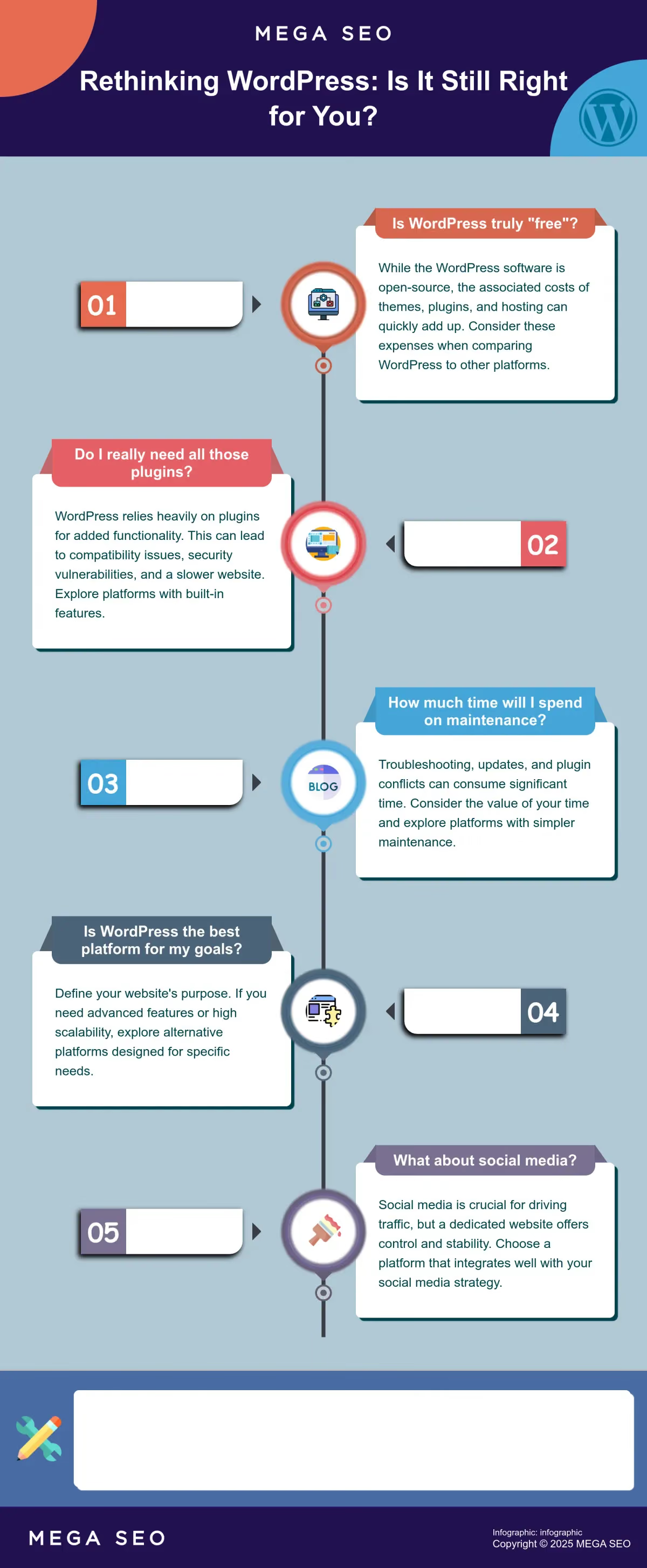
While WordPress itself is free, the associated costs can quickly add up. Let’s explore some of the hidden expenses and challenges you might encounter.
The Price of Premium: Themes, Plugins, and Hosting
Though WordPress is open-source, many essential components come at a price. Premium themes, offering advanced design and customization, can cost hundreds of dollars. Similarly, plugins extending functionality, from SEO optimization to e-commerce integration, often require subscriptions. And let’s not forget hosting. While basic hosting plans may seem affordable, robust hosting to handle traffic and ensure site speed can lead to significant expenses. As the Authority Hacker podcast points out, these combined costs can make WordPress more expensive than some seemingly pricier platforms. The illusion of “free” can be deceptive when you consider the full picture of running a WordPress site.
WordPress and Your Time: Learning and Troubleshooting
WordPress often requires a substantial time investment, especially for non-technical users. Learning the platform, customizing themes, and troubleshooting plugin conflicts can take days, even weeks. The lack of standardized setups means limited documentation and support, leading to hours spent debugging and searching for solutions. This time commitment can be a major hurdle for busy entrepreneurs and small business owners. You might even find yourself needing to hire a developer or pay for support, adding to the overall cost.
Technical Challenges and Compatibility Issues
WordPress’s flexibility, achieved through plugins and themes, can also be its downfall. Compatibility issues between different plugins and themes are common, leading to site errors and broken functionality. Implementing advanced features, like aggressive caching or A/B testing, can further complicate matters. These technical complexities can be frustrating and time-consuming to resolve, even for experienced users. As discussed on the Authority Hacker podcast, the constant need to manage plugin updates and compatibility can feel like a never-ending battle, impacting your ability to focus on other important business tasks.
Why Are Businesses Leaving WordPress?
More and more businesses are migrating away from WordPress. Let’s explore some of the key reasons why.
Performance and Security Risks
WordPress sites can become slow and laggy, especially when using multiple plugins. One user described the frustration of delayed responses, saying that “it just lags… I click on an element and it takes two, three seconds for it to actually select.” This sluggish performance impacts user experience and productivity. The complexity of managing various plugins creates bugs and conflicts, making it tough to maintain a smooth-running site. As one expert pointed out, “there’s often issues and bugs with things kind of like clashing with each other.” This can necessitate complex caching solutions that interfere with important features like A/B testing. For more insights on these challenges, check out this discussion on WordPress limitations.
Adding Advanced Features to Your Site
Building sophisticated, visually appealing sales pages on WordPress can be a real headache. One user complained, “If I wanted to make a sales page that looks like an Apple sales page, there would need to be a lot of custom code.” This reliance on extensive customization is a major drawback for businesses wanting a professional look without heavy coding. The limitations of the Gutenberg editor add to this issue, lacking the flexibility needed for high-converting sales pages. This video further explores the challenges of implementing advanced features in WordPress.
When WordPress Can't Keep Up: Scalability Concerns
Many users feel WordPress is losing its edge in the evolving digital landscape. One commentator predicted a “slowdown of the WordPress ecosystem,” suggesting other platforms are better equipped for the future. WordPress also carries hidden costs. While the platform itself is free, the expenses for plugins, themes, and hosting can quickly accumulate. One user noted the deceptive “illusion of it being free,” explaining that “everything else you kind of need to run your site is… often more expensive than the alternative.” This cost realization often pushes businesses to explore other website platforms with more transparent pricing and better scalability. You can learn more about these cost considerations and comparisons in this helpful video.
WordPress vs. the Rest: A Platform Comparison
WordPress has long been a popular choice, but how does it stack up against newer website builders? Let’s take a look.
Features and Ease of Use: How Do They Compare?
While WordPress offers a vast library of plugins and themes, this can be a double-edged sword. The sheer volume can be overwhelming, and finding the right tools often requires extensive research. Newer platforms often provide more streamlined, integrated features, making setup and customization easier for non-technical users. As Authority Hacker points out, the customization options on some newer platforms are comparable to WordPress, allowing users to reorder elements with drag-and-drop functionality and offering similar design flexibility. This ease of use is a significant advantage for those who want to quickly launch a website without getting bogged down in technical details. Plus, integrated features often mean fewer compatibility issues, a common pain point for WordPress users. Social media integration is also becoming increasingly important, allowing businesses to easily share content and drive traffic to their websites.
WordPress vs. Competitors: Cost Breakdown
The perception of WordPress as a free platform can be misleading. While the software itself is open-source, the associated costs can quickly add up. You’ll need hosting, a domain name, premium themes for advanced design options, and essential plugins for added functionality. These expenses, as noted by Authority Hacker, can make WordPress comparable to, or even more expensive than, other website building platforms that offer bundled services. This hidden cost is an important factor to consider when choosing a platform, especially for budget-conscious startups and small businesses. For these businesses, leveraging the accessibility and reach of social media can be a cost-effective way to connect with a larger audience.
User Experience and Learning Curve Compared
WordPress, with its extensive features and customization options, comes with a steeper learning curve. Troubleshooting technical issues, resolving plugin conflicts, and managing updates can be time-consuming, especially for non-technical users. Modern website builders often prioritize user experience, offering intuitive interfaces, drag-and-drop functionality, and readily available customer support. This simplified approach allows users to focus on content creation and marketing, rather than wrestling with technical challenges. This shift in user expectations towards simpler, more user-friendly platforms is a key driver in the evolving website building landscape. For businesses looking to quickly establish an online presence and leverage social media for promotion, a platform with a streamlined user experience can be a game-changer, allowing them to tap into wider audiences and improve their business performance.
Social Media's Impact on Your Website
Social media has undeniably reshaped how we interact online, influencing not only our communication habits but also how businesses connect with their audience. This shift has significantly impacted websites, changing content distribution, user behavior, and the balance between a social media presence and website ownership.
How Content Distribution and User Behavior is Changing
Social media platforms have become powerful tools for driving website traffic. Businesses and individuals can tap into vast audiences by strategically sharing content and running social media ads. Think of your social media profiles as gateways leading potential customers to your main website. This highlights the close relationship between social media strategy and website development. A well-coordinated approach uses social media to pique interest and then directs users to your website for more detailed information, product purchases, or service inquiries.
Balancing Social Media and Your Website
While some businesses might be tempted to rely solely on social media, it’s important to remember that you don’t own that platform. Algorithm changes, platform policies, and even the platform’s continued existence are beyond your control. A dedicated website provides a stable foundation you do control. This distinction is crucial for long-term success. While social media marketing is a valuable tool, it’s most effective when used in conjunction with a well-maintained website. Consider your website your central hub and your social media profiles as spokes that drive traffic inward. For example, nearly 20% of businesses prefer using social media instead of creating a dedicated website, but this approach can limit growth and control.
Why Your Website Still Matters: Conversions and Credibility
Websites play a critical role in converting leads into customers and building credibility. They offer a dedicated space to showcase your expertise, build trust with detailed information, and facilitate transactions. Research shows that a strong online presence, primarily driven by a professional website, significantly impacts business performance. Studies indicate that the majority of businesses recognize the importance of social media, but it’s the website that often serves as the primary point of conversion. For small and medium-sized businesses, a website offers a level playing field, allowing them to compete with larger companies and establish a professional image. This combination of social media and website presence creates a synergistic effect, maximizing reach and impact. This is particularly beneficial for small and medium businesses looking to expand their reach.
Technical Hurdles for Non-Tech Users
WordPress can feel like a constant uphill battle for non-technical users. While the platform offers flexibility, that often comes at the cost of complexity. Let’s break down some common technical headaches.
Troubleshooting and Website Maintenance
One of the biggest frustrations is troubleshooting inevitable WordPress glitches. Plugins conflict, themes break, and updates cause unexpected issues. As the Authority Hacker team explained, implementing solutions for one problem (like aggressive caching to improve site speed) can create new roadblocks (like preventing A/B testing). Finding reliable WordPress support can also be a challenge, especially with a unique site setup. You’re often left piecing together solutions from online forums, leading to days of frustration.
The Cost of External Support
Troubleshooting headaches often translate into dollars. When you can’t fix a technical issue yourself, you’re left with two choices: pay for a WordPress support service or hire a WordPress developer. Both options can become expensive, impacting your budget and adding complexity to website management. This is particularly challenging for small businesses and solopreneurs working with limited resources.
Implementing Advanced Features on Your Own
WordPress shines when building a simple blog or basic website. But what if you want something more sophisticated? Let’s say you envision a sleek, highly customized sales page. As Authority Hacker points out, achieving that level of polish often requires extensive custom coding, pushing it beyond the capabilities of most non-technical users. You’re either stuck with a less-than-ideal design or forced to invest in costly development work.
The Future of WordPress: Is WordPress Dead?
WordPress powers a significant portion of the web, currently holding around 43% market share. This massive user base creates a robust ecosystem, but it also presents challenges for the platform’s future. Will WordPress adapt to the evolving demands of website owners, or will it lose ground to newer, more agile platforms?
Predicted Market Share: Is WordPress Good for the Future?
While WordPress remains a dominant force, its future market share is uncertain. Experts predict a potential decline as users explore alternative platforms offering simpler solutions and better performance. This shift is driven by factors like cost, ease of use, and the increasing demand for mobile-first experiences. The sheer size of the WordPress ecosystem makes quick, comprehensive changes difficult, potentially leaving it vulnerable to competitors. Whether WordPress can maintain its leading position depends on its ability to innovate and address user concerns effectively.
How WordPress Might Adapt and Improve
WordPress faces the challenge of simplifying its user experience. Many users find the platform’s technical complexities and the sheer volume of available plugins and themes overwhelming. Finding reliable WordPress support can also be difficult, as individual setups vary widely. This lack of standardization makes troubleshooting and maintenance time-consuming, pushing some users toward more user-friendly platforms. To remain competitive, WordPress needs to streamline its interface, improve support resources, and offer more cohesive integrations. MEGA SEO offers streamlined solutions for many platforms, including WordPress.
Another key area for improvement is cost. While the WordPress software itself is free, the associated costs of premium themes, essential plugins, and reliable hosting can quickly add up. These expenses, combined with the time investment required for setup and maintenance, make WordPress a less appealing option for budget-conscious users. For some users, exploring alternative website platforms may be a better option. Addressing these cost concerns will be crucial for WordPress to retain its user base.
Growth of Full Site Editing (FSE)
One of the most significant developments is the growth of Full Site Editing (FSE). FSE empowers users to customize their entire website—headers, footers, and everything in between—using the familiar block editor. This simplifies website design, making it more accessible to non-technical users. This shift towards a more visual, intuitive editing experience has the potential to transform how users interact with WordPress, making it easier to create and manage complex website layouts. This also reduces the reliance on complex themes and plugins, potentially simplifying website maintenance and improving performance.
Integration with Emerging Technologies (VR/AR, Blockchain)
Looking ahead, WordPress is poised to embrace emerging technologies. Experts predict integrations with blockchain for secure transactions and transparent content ownership, along with support for virtual and augmented reality experiences, positioning WordPress for the metaverse. These advancements could open up new possibilities for content creators and businesses, allowing them to engage with audiences in innovative ways and create immersive online experiences. This forward-thinking approach could be key to WordPress remaining relevant in the evolving digital landscape.
Focus on Mobile-First, Voice Search, and Green Web Design
WordPress is also adapting to broader web trends. A growing emphasis on mobile-first design, voice search optimization, and green web design reflects a commitment to accessibility, performance, and sustainability. These initiatives aim to create a more inclusive and environmentally conscious web experience for all users, ensuring websites are optimized for diverse devices and browsing habits. This focus on performance and sustainability could attract environmentally conscious users and businesses.
Multilingual Support Integration
Multilingual support is becoming increasingly important in our interconnected world. WordPress plans to integrate multilingual support directly into its core software, simplifying website translation and expanding reach for businesses targeting global audiences. This feature will eliminate the need for third-party plugins, streamlining website management and improving performance for translated sites. This built-in functionality will make it easier for businesses to connect with customers around the world, expanding their market reach and potential customer base.
Improved Collaboration Features
Collaboration is key in today's digital landscape. Future WordPress updates will enhance collaboration features, allowing multiple authors to work on posts simultaneously, much like Google Docs. Features like in-editor notes, suggestions, and content approval workflows will streamline content creation and improve team efficiency. This enhanced collaboration will make it easier for teams to work together on content creation, reducing bottlenecks and improving overall productivity.
Faster Plugin Approvals and Improved Gutenberg Performance
The WordPress team is actively working to improve the platform's performance and usability. Efforts to speed up plugin approvals will streamline the process for developers, while ongoing Gutenberg editor performance improvements will enhance the editing experience for all users. These initiatives aim to create a more efficient and user-friendly WordPress ecosystem, encouraging innovation and improving the overall user experience.
Easier Website Migration Tools
Migrating a website can be a daunting task. WordPress aims to simplify this process by developing easier website migration tools. This will make it simpler for users to transition from other platforms to WordPress, expanding its reach and accessibility. Simplified migration tools could attract users who have been hesitant to switch due to the perceived complexity of moving their existing website content.
Improved Performance for Translated Sites
Performance is paramount for any website. The introduction of the Performant Translations plugin significantly improves loading speed for translated WordPress sites, addressing a critical performance concern for multilingual websites. Faster loading times improve user experience and SEO, making multilingual sites more accessible and effective.
Increased Use of JavaScript
While PHP remains the core language of WordPress, the role of JavaScript is expanding. This shift aims to enhance performance and create a more dynamic and interactive user experience, aligning WordPress with modern web development trends. Increased use of JavaScript can lead to more engaging and responsive websites, improving user satisfaction and potentially boosting conversions.
AI and Machine Learning Integrations
AI and machine learning are transforming the digital landscape, and WordPress is no exception. Expect to see AI-powered features enhancing various aspects of website building, from content creation and SEO optimization to customer service through chatbots and automation. This integration of AI has the potential to revolutionize how users interact with WordPress, simplifying complex tasks and improving overall efficiency. AI-powered tools can automate tedious tasks, freeing up time for users to focus on more strategic aspects of their business.
Specific Examples of AI Integration
Many popular WordPress plugins are already incorporating AI features. These AI-powered tools assist with tasks like content generation, image creation, and SEO optimization, streamlining workflows and empowering users to create high-quality content more efficiently. For example, AI-powered plugins can suggest relevant keywords, generate content outlines, and even create images based on user input.
AI for Enhanced Security and Threat Detection
Security is a top priority for any website owner. WordPress is committed to enhancing its security features, including implementing two-factor authentication and AI-powered threat detection. These measures will provide enhanced protection against cyberattacks, safeguarding user data and ensuring website integrity. AI can play a crucial role in identifying and mitigating security threats in real-time, protecting websites from malicious attacks and data breaches.
Headless WordPress and its Growing Popularity
Headless WordPress, which separates the website's front-end from its back-end, is gaining traction. This approach offers greater design flexibility, improved website speed, and seamless integration with modern coding tools. This decoupled architecture empowers developers to create more dynamic and customized web experiences, pushing the boundaries of traditional website design.
Benefits of Headless WordPress
The key advantage of headless WordPress is its separation of front-end and back-end. This allows developers to use the familiar WordPress interface for content management while leveraging modern front-end technologies for a more customized and performant website. This flexibility can lead to faster, more engaging websites tailored to specific business needs.
Integration with Modern Technologies
Headless WordPress facilitates seamless integration with other apps and services. This interoperability is particularly beneficial for creating dynamic, interactive web experiences and connecting websites with various marketing and sales tools. This integration can streamline workflows and improve overall business efficiency.
Sustainability in WordPress: Eco-Friendly Hosting
Sustainability is becoming increasingly important in the tech world. WordPress is embracing this trend by promoting eco-friendly hosting options and working to reduce its own environmental impact. This commitment to sustainability aligns with the growing global focus on environmentally responsible practices, attracting environmentally conscious users and businesses.
The WordPress Community and its Role in Future Development
The vibrant WordPress community plays a vital role in the platform's ongoing development. This collaborative spirit fosters innovation, ensures ongoing support, and contributes to the platform's adaptability and longevity. The active community ensures that WordPress continues to evolve and meet the changing needs of its users.
WordPress and the Metaverse
As the metaverse continues to evolve, WordPress is exploring its potential within this emerging digital landscape. Future integrations may enable users to create and manage virtual experiences and digital content within the metaverse, opening up exciting new possibilities for online engagement and interaction. This forward-thinking approach could position WordPress as a key player in the future of the internet.
Impact on Developers and the WordPress Ecosystem
The potential slowdown of the WordPress ecosystem raises concerns for developers. The lack of clear direction and the increasing complexity of the platform can discourage investment and innovation. As other platforms gain traction, developers may shift their focus, leading to fewer new plugins and themes for WordPress. This could further accelerate the decline of the platform and create a ripple effect throughout the entire ecosystem. Maintaining a thriving developer community will be essential for WordPress to remain a viable option for website owners.
Choosing the Best Website Platform for You
Picking the right website platform is a big decision. It’s like choosing the foundation for your house—it needs to be strong, adaptable, and support your future plans. Whether you’re starting a blog, launching an online store, or building a portfolio, the platform you choose will significantly impact your reach, credibility, and revenue. A well-designed website is crucial for any business, impacting everything from customer engagement to overall success.
What Are Your Website Needs and Goals?
Before you even start looking at platforms, take some time to define your needs and goals. What do you want your website to achieve? Are you focused on selling products, generating leads, or simply sharing information? How much traffic do you anticipate? Thinking about these questions will help you choose a platform that can handle your specific requirements. While social media can be a great tool for driving traffic, remember that it should complement your website strategy, not replace it. A solid website is your home base, a central hub you own and control.
Evaluate Long-Term Sustainability and Scalability
As your business grows, your website needs to grow with it. Choosing a platform that’s scalable is essential for long-term success. Can the platform handle increased traffic and content? Does it offer the flexibility to add new features and functionalities as your business evolves? Relying solely on social media for business growth isn’t sustainable. A dedicated website provides a much more stable foundation, allowing you to scale and adapt to changing market conditions. A website acts as a central hub for all your online activities, ensuring a consistent brand presence and offering a platform you control, unlike social media algorithms that can change on a dime. This balance is key for long-term success.
Automation and AI Integration for Your Website
In today’s fast-paced digital world, automation and AI are game-changers. When choosing a website platform, consider how well it integrates with these technologies. Can you automate tasks like content creation, SEO optimization, and social media posting? Does the platform offer AI-powered features like personalized recommendations or chatbots? These tools can save you time and resources, allowing you to focus on other aspects of your business. This integration of automation and AI can significantly enhance business performance. Even for small and medium-sized businesses, leveraging these technologies within your website can dramatically improve marketing strategies and operational efficiency. Think about how you can use these tools to streamline your workflow and create a more engaging user experience.
MEGA SEO: Thrive in the Evolving Digital Landscape
The digital world is in constant flux, and what worked for SEO yesterday might not cut it today. From the rise of new platforms to shifts in user behavior, staying ahead requires adaptability and the right tools. MEGA SEO helps you tackle these changes, ensuring your content remains optimized, no matter the platform or algorithm update.
Automated SEO: Solutions for Every Platform
Successfully promoting your business requires a multi-platform approach. A core website remains essential for credibility and conversions, while social media channels are crucial for driving traffic and engaging audiences. MEGA SEO recognizes this interconnected landscape and offers automated solutions that work seamlessly across platforms. Whether it’s optimizing your website content for Google, tailoring posts for social media engagement, or ensuring consistent branding, MEGA SEO streamlines the process. This cross-platform compatibility ensures your SEO strategy remains cohesive and effective, maximizing your reach. Our customized posts feature helps you tailor content to each platform.
Adapting to Platform Changes and SEO
The online world is dynamic. New platforms emerge, algorithms change, and user preferences evolve. While some businesses might focus solely on social media, maintaining a dedicated website is key. It’s your digital home base, offering control and stability. MEGA SEO helps you adapt to these shifts by ensuring your website remains optimized. Our automated tools monitor algorithm changes and adjust your content accordingly, maintaining your search rankings. This proactive approach keeps you ahead of the curve, allowing you to focus on your business while we handle the ever-changing SEO landscape. Book a demo to learn more about how MEGA SEO can help you stay adaptable.
AI-Powered Content Optimization and Maintenance
Creating high-quality content is just the first step. Maintaining and optimizing that content is crucial for sustained SEO performance. MEGA SEO’s Maintenance Agent uses AI to enhance your existing content, improving clickthrough rates and boosting search rankings. It analyzes your content, identifies areas for improvement, and suggests relevant additions to keep it fresh. Whether it’s updating content after a Google algorithm change or optimizing for different search engines, MEGA SEO’s AI-powered tools simplify the process. This automated maintenance frees up your time, allowing you to focus on creating new content. Explore our free tools to see how AI can enhance your content strategy. Find additional information on our resources page.