
The drive to build something from the ground up is a unique kind of fire. It pushes you through setbacks that would make others quit. But this fire isn't fueled by ambition alone. Its source is often more personal: your own family history. The stories of your parents and grandparents—the risks they took and the sacrifices they made—are the prologue to your professional journey. Understanding their chapters of hardship and triumph gives your work a deeper meaning and your ambition a resilient, unwavering core.
Key Takeaways
- Understand Your Starting Point: Reflect on your family's journey—their achievements and sacrifices—to gain a deeper understanding of the motivations and values that shape your own professional drive.
- Harness Inherited Resilience: Recognize that the resilience your family demonstrated in overcoming hardship is a source of strength you can draw upon to persevere through the challenges of building a business or career.
- Define Your Own Legacy: Consciously decide which family values to carry forward and where to forge a new direction, allowing you to build a future that honors your roots while being authentically driven by your personal definition of success.
How to Research Your Family History
Uncovering your family's story is a process of piecing together a puzzle, one document and one memory at a time. It requires a methodical approach, starting with what you know and systematically moving into the unknown. The key is to stay organized, think critically about the information you find, and know where to look for the records that hold the answers. This process will guide you through the foundational steps, research techniques, and essential resources for building your family tree.
Getting Started with Genealogical Research
The first phase of your research is about building a solid foundation. Before you dive into historical archives, you need to collect and organize the information that's closest to you. This initial work ensures you start on the right track and provides a clear map for your research journey. It involves documenting your immediate family and gathering the stories and records that are already within your reach.
Start with Yourself and Work Backward
The most reliable way to begin your family history research is to start with yourself and work backward, one generation at a time. This method helps you build a verifiable chain of evidence from the known to the unknown. Document your own information first, then your parents, then your grandparents. This approach prevents you from accidentally pursuing the wrong family line, a common mistake when people with similar names lived in the same area.
Gather Information from Relatives and Document Everything
Your relatives are a living archive of your family's history. Talk to parents, grandparents, aunts, and uncles to gather names, dates, locations, and stories. Ask about major life events, family traditions, and any heirlooms or photographs they might have. Be sure to document everything you learn, noting who gave you the information. These conversations can provide clues and context that you won't find in official records.
Use Organizational Tools
As you collect information, it's essential to keep it organized. Use tools like a multi-generational chart to visualize your direct lineage and family group sheets to detail individual family units. A research log is also critical for tracking which records you've searched, what you found, and what you plan to look for next. These tools prevent you from repeating work and help you see where gaps in your knowledge exist.
Research Methods and Tips
Once you have a foundational outline of your family tree, you can begin the deeper work of verifying information and filling in the gaps. Effective research involves more than just finding names and dates; it requires you to think like a detective. You'll need to analyze your findings, prioritize original documents, and think creatively when you encounter roadblocks in your search.
Analyze Your Sources
Not all information is created equal. As you find new records or stories, think critically about them. Does a new piece of information match what you already know, or does it contradict it? Consider the source of the information. Was it created at the time of the event, or is it a second-hand account? Analyzing your sources helps you weigh the evidence and build a more accurate picture of your family's past.
View Original Records
Whenever possible, try to view the original record rather than relying on a summary or transcription. While indexes and summaries are helpful for finding documents, they can contain errors or omit important details. The original document—whether it's a census page, a birth certificate, or a military file—may contain extra notes, signatures, or names of witnesses that provide valuable new clues for your genealogy research.
Research Siblings and Be Flexible with Names
If you hit a wall researching a direct ancestor, try looking for their siblings. A brother or sister may have left behind more records or lived in a different location, and their documents can often provide information about their parents or other family members. Also, remember that names were not always spelled consistently. Be flexible with spelling variations in your searches, as names were often written phonetically by clerks.
Resources for Family History Research
A wealth of information is available to help you build your family tree, from government archives to local historical societies. Knowing the primary types of records and where to find them is key to making progress. Many resources are available online, but don't overlook the value of local libraries, archives, and genealogical groups, which often hold unique collections not available anywhere else.
Key Record Types
Certain types of records are fundamental to genealogical research. The most common and useful include census records, which provide a snapshot of a family every ten years. Military, immigration, and naturalization records can offer rich detail about an ancestor's life and journey. Vital records (birth, marriage, and death) and land records are also essential for establishing relationships and timelines.
Free Online Resources
While some genealogy websites require a subscription, many valuable resources are available for free. The USGenWeb Project, for example, is a volunteer-driven effort that provides free access to historical and family history information organized by state and county. FamilySearch, local library websites, and state archives also offer extensive collections of digitized records at no cost.
Genealogical Societies
Joining a genealogical society can be incredibly beneficial. These organizations, which exist at local, state, and national levels, often provide access to exclusive record collections, educational workshops, and newsletters. More importantly, they connect you with a community of experienced researchers who can offer guidance, share resources, and help you overcome research challenges.
Definitions, Ethics, and Privacy in Genealogy
Researching your family history extends beyond names and dates. It connects you to your family's medical past and raises important questions about privacy and ethics in the digital age. As you uncover personal information about your ancestors and living relatives, it's important to handle that data responsibly and be aware of the broader implications of your research, especially when it involves genetic information.
The Medical Definition of Family History
In a medical context, a family history is more than a tree of names; it's a record of relationships and medical conditions. Understanding patterns of health issues like heart disease, diabetes, or cancer across generations can be a powerful tool for your own health awareness. Documenting this information can help you and your doctor understand potential health risks and make informed decisions about preventative care.
Ethical Concerns and Privacy with Genetic Data
The rise of consumer DNA testing has made it easier than ever to find relatives and learn about your ethnic origins, but it also comes with ethical responsibilities. When you share your genetic data, you are also sharing information about your close relatives. It's important to understand the privacy policies of testing companies and consider the implications of making your data public, especially regarding informed consent and the potential use of genetic information by third parties.
Hiring a Professional Genealogist
If you reach a point where you need expert help, you can hire a professional genealogist. These researchers have the skills and experience to tackle complex research problems and access records that may be difficult to find. When hiring a professional, look for someone who specializes in your area of interest. Some charge an hourly rate, while others offer project-based packages at a fixed price. The Association of Professional Genealogists is a good place to find a qualified researcher.
How Your Family History Shapes Your Ambition
Your drive to succeed doesn't come from a vacuum. It’s often a direct or indirect response to your family's history—their wins, their losses, and the values they lived by. Taking the time to understand this background isn't just a history lesson; it’s a way to get clarity on your own motivations. By looking at where you come from, you can better understand the "why" behind your goals and what fuels your professional fire. This self-awareness is a powerful asset for any entrepreneur or marketer building something from the ground up.
Trace Your Parents' Journey
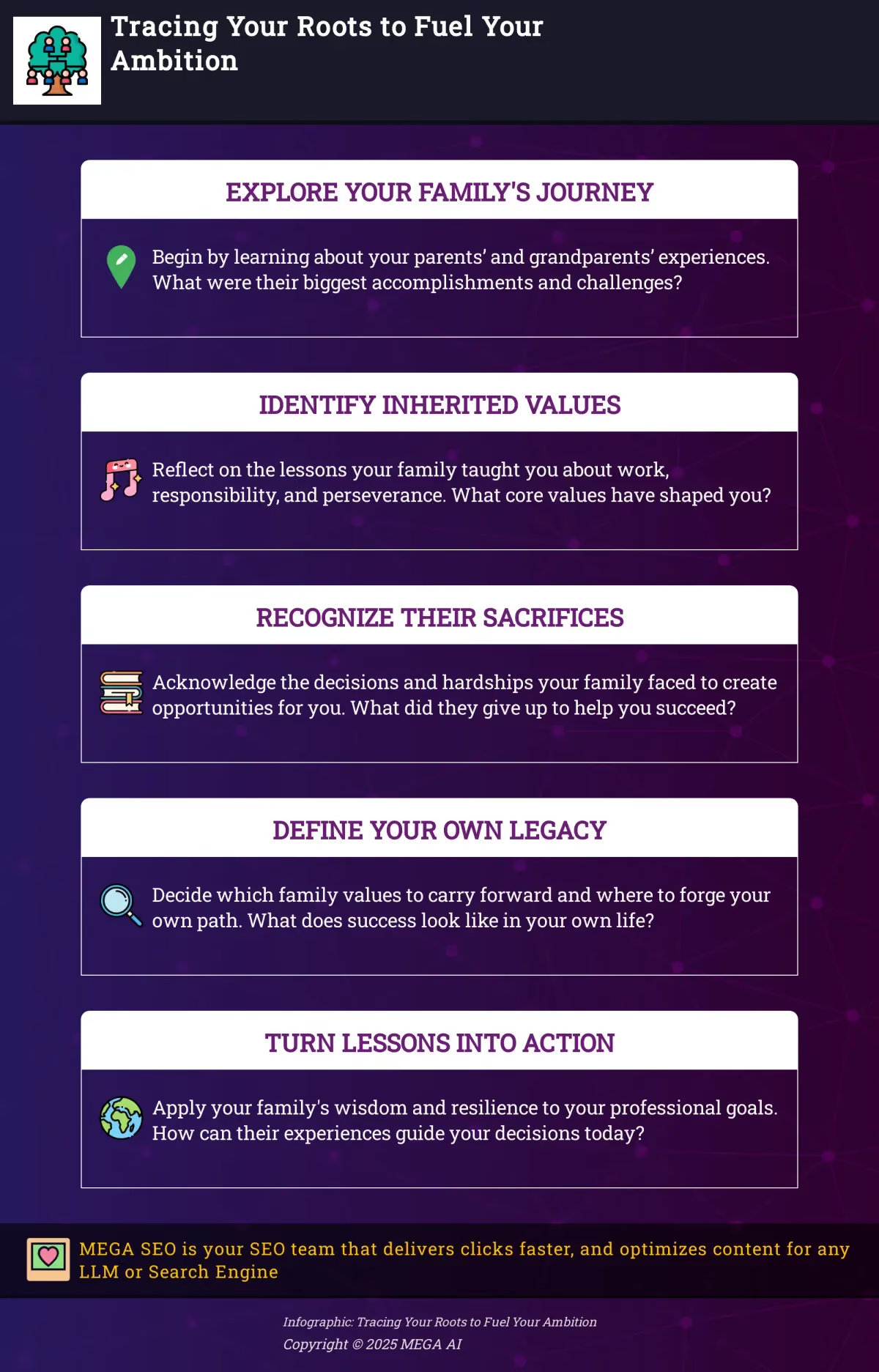
Before you can chart your own course, it helps to understand the path your parents walked. What were their biggest accomplishments? What challenges did they face that you may not even be aware of? Reflecting on their lives gives you context for your own starting point. As marketing expert Neil Patel puts it, "I don't think you can achieve your greatest goals until you truly understand what your parents achieved before you." This perspective helps you appreciate the foundation they built, whether it was one of stability or one of struggle, and allows you to approach your own ambitions with a deeper sense of purpose.
Identify Your Family's Core Values and Work Ethic
The values you hold and your approach to work are often shaped by your family environment long before you enter the professional world. Think about the lessons your parents or guardians taught you about money, responsibility, and perseverance. These early influences can instill a powerful work ethic and an entrepreneurial mindset. Neil Patel credits his mother for teaching him some of the most valuable lessons for entrepreneurship, including how to take calculated risks and care for others. Identifying these core values in your own upbringing can reveal the source of your professional strengths and guiding principles.
Connect Financial History to Your Drive
For many successful people, ambition is forged in the fires of financial hardship. Experiencing or witnessing financial struggles can create a powerful motivation to build a different future. This drive often goes beyond just wanting to make money; it’s about creating security, stability, and freedom. Neil Patel has been open about his entire journey, from living in low-income housing to building a multi-million dollar business. Understanding how your family's financial history affects your mindset can clarify your relationship with success and risk, helping you channel that energy into productive, goal-oriented action.
Turn Parental Sacrifice into Personal Strength
Understanding the sacrifices our parents made can be a profound source of motivation. For many of us, our parents' stories are filled with tough decisions, hard work, and a relentless drive to create a better future for their children. Tapping into that history isn't about feeling indebted; it's about recognizing the foundation of strength and resilience they built for you. When you connect with their journey, you often find the fuel for your own.
As entrepreneur Neil Patel puts it, "I don't think you can achieve your greatest goals until you truly understand what your parents achieved before you." This understanding helps contextualize your own ambitions. It transforms your professional goals from simple targets into the next chapter of a much larger family story. Learning about their struggles and triumphs can provide a powerful sense of purpose, pushing you to honor their efforts by striving for your own version of success. This connection to your roots can be the anchor you need when facing the inevitable challenges of building a business or a career.
Recognize Moves Made for Better Opportunities
Many of our parents made life-altering moves—crossing oceans, leaving behind everything they knew, or simply relocating to a new city—all for the chance at a better opportunity. Acknowledging the gravity of these decisions can put our own professional risks into perspective. When you truly understand what your parents achieved, you see that they were the original entrepreneurs of the family, betting on an uncertain future for your benefit. This realization can inspire you to be bolder in your own career, whether that means launching a startup, pitching a new idea, or taking on a challenging project. Their courage becomes a blueprint for your own.
Draw Resilience from Their Hardships
The stories of our parents' hardships are often lessons in resilience. These aren't just tales of struggle; they are masterclasses in resourcefulness and determination. Neil Patel shares a personal story of how his family’s early financial difficulties shaped his perspective: "I still remember when my mom would pick up pennies and dimes off the ground to save up enough money to pay for tacos from Taco Bell." Hearing about these experiences teaches you the value of grit. It shows you that you come from a line of people who knew how to persevere. This inherited resilience is an invaluable asset when you're navigating the ups and downs of running a business.
Use Their Challenges as Your Motivation
Your family's history of overcoming obstacles can be a powerful motivator. The journey from hardship to stability, or even success, demonstrates that difficult circumstances don't have to define your future. Instead, they can fuel your ambition. Reflecting on his own path, Patel illustrates how he turned his early challenges into drive, going from an insecure kid to building a major company. You can channel your own family’s experiences in the same way. See their struggles not as a legacy of lack, but as the starting point from which you are meant to build something greater. This mindset transforms your past into your power.
Find the "Why" Behind Your Ambition
Sustaining the motivation required to build something from the ground up—whether it’s a startup, a marketing agency, or a successful career—takes more than just a good idea. It requires a deep, personal reason for showing up every day, especially when things get difficult. This is your "why," the core driver that fuels your ambition. Finding it often involves looking backward before you can move forward with purpose.
Your family’s history, with all its successes and setbacks, is a powerful place to find this meaning. By understanding the journey of those who came before you, you can uncover the roots of your own desires and fears. This process isn't about living in the past; it's about using the past as a foundation. It helps you connect your personal story to your professional goals, transforming a simple ambition into a compelling mission. When you know exactly why you’re striving for something, your resilience becomes stronger, your focus sharpens, and your work takes on a greater significance.
Spot Generational Patterns in Your Family History
Your ambitions don't form in a vacuum. They are often a continuation of, or a reaction to, the patterns established by previous generations. As entrepreneur Neil Patel notes, "I don’t think you can achieve your greatest goals until you truly understand what your parents achieved before you." This means taking an honest look at the values and priorities that shaped your family. Did they prioritize financial security over risky ventures? Was formal education held in high regard, or was practical experience more valued?
Recognizing these generational patterns gives you a framework for understanding your own inclinations. You might find that your drive to innovate is a direct response to a family history of playing it safe. Or, you may realize your work ethic is a continuation of a legacy your grandparents built. This awareness is the first step toward consciously choosing which patterns to carry forward and which to leave behind.
Reflect on Your Family's Experiences
Once you recognize the patterns, the next step is to process the specific experiences behind them. It’s about moving from knowing what happened to understanding how it felt and how it shaped your family’s worldview. This reflection can be transformative. In a LinkedIn post, Patel reflects on his own journey, from "being an insecure kid living in low-income housing to building a $100M-per-year business."
This kind of processing turns abstract family history into a concrete source of personal motivation. Think about the key stories from your family—the migrations, the career changes, the financial wins, and the losses. How did these events influence your own beliefs about success, risk, and what it means to work hard? By connecting with these experiences on a deeper level, you can clarify the path you want to forge for yourself.
Connect Their Story to Your Inner Drive
Understanding your family's past isn't about dwelling on hardship; it's about channeling the lessons and resilience from their journey into your own. The challenges they faced can become a powerful source for your inner drive. Patel explains this connection, saying, "All their struggles, all the issues that they went through taught me that if you just keep pushing hard in life and you really try and you don’t let anything get you down, you can actually get somewhere."
This perspective helps you build a resilient mindset. When you face obstacles in your business or career, you can draw strength from the knowledge that you come from a line of people who also faced and overcame challenges. This inner drive becomes your anchor, reminding you why you started when you feel like stopping. It’s the force that powers you through the tough decisions and long hours required to achieve your goals and build a lasting online presence.
How to Create Your Own Path While Honoring Your Roots
Forging your own path doesn’t mean you have to abandon your family's history. Instead, you can use your roots as a foundation to build upon. The key is to consciously decide which parts of your family’s legacy you want to carry forward and where you need to carve out a new direction for yourself. It’s a process of integration, not rejection.
This involves looking inward to define what success means to you, learning how to manage the expectations of those who raised you, and establishing the space you need to grow. By doing this, you can build a future that feels both authentic to you and respectful of where you came from. This balance is where true, sustainable ambition thrives, allowing you to create something uniquely yours.
Define What Success Means to You
Before you can build a successful career or business, you need a clear vision of what you want to achieve. Understanding your family's history can give you powerful insights into your own ambitions. As entrepreneur Neil Patel points out, you can’t reach your greatest potential until you truly understand what your parents achieved before you. Reflecting on their journey—their triumphs, their sacrifices, and even their unfulfilled dreams—helps you identify the core values and lessons they passed down. This process isn't about replicating their life but about clarifying what drives you. It helps you build a solid foundation for your own ventures, from your business plan to your SEO strategy.
Manage Family Expectations with Grace
Navigating the expectations of your family while pursuing your own dreams can be a delicate balancing act. Your family wants the best for you, but their definition of "best" might be shaped by their own experiences and differ from yours. The key is to draw strength from their journey without feeling confined by it. Hearing about the struggles your family endured can teach you that if you keep pushing hard in life and stay resilient, you can accomplish your goals. Use their story as a source of motivation. Communicate your vision with respect, showing them how the values they taught you are helping you build your own version of success, even if it looks different from what they imagined.
Set Healthy Boundaries for Yourself
Creating your own path requires personal space to think, experiment, and grow. This is where setting healthy boundaries becomes essential. Boundaries are not about shutting your family out; they are about protecting your energy and focus so you can build your future. Neil Patel’s story of going from an insecure kid to building a massive business is a powerful example of how carving out your own journey is fundamental to success. For an entrepreneur, this might mean limiting discussions about your business strategy or finances with family members who might not understand your vision. It’s about creating a supportive environment for yourself where you can take calculated risks and pursue your goals without undue outside pressure.
Build on Your Family's Legacy, Your Way
Your family's story is more than a collection of memories; it's a foundation you can actively build upon. Understanding the path they forged gives you a blueprint for your own journey. Their experiences, both triumphs and trials, provide the raw materials for your success. Honoring their legacy doesn't mean replicating their life. It means taking the lessons and resilience they passed down to construct something new for yourself. This process allows you to create a future that is both a tribute to your past and a testament to your own ambition.
Carry Forward Important Family Values
To build your greatest goals, it helps to first understand what your family achieved. Their journey likely instilled core values—like perseverance or a strong work ethic—that now live within you. Recognizing their sacrifices and principles gives you a solid moral compass for your professional life. These aren't just abstract ideas; they are standards that guide your decisions and define the kind of business you want to build. When you consciously preserve these values, you ensure your work has a purpose beyond a paycheck.
Create New Opportunities for the Future
Understanding where you come from can be a powerful motivator. Many successful entrepreneurs see their family's history of struggle as the primary fuel for their drive. Seeing the limitations your parents faced can inspire you to break through those barriers and build something they could only dream of. Your ambition becomes a way to honor their hard work by creating new opportunities. It’s about taking their foundation and using modern tools and your own vision to grow a business that establishes your own legacy.
Build a Strong Support System
The shared history within a family creates a unique support system. Stories of hardship are more than just memories; they are lessons in resilience that become part of your DNA. This inherited strength provides an emotional safety net, giving you the confidence to take calculated risks in your career. Knowing you are backed by a legacy of survival makes it easier to face challenges. This built-in support is an invaluable asset that can steady you through the ups and downs of pursuing your goals.
Turn Past Lessons into Future Success
Reflecting on your family's history is more than an interesting exercise; it’s about gathering intelligence for your own journey. The stories of their successes and setbacks are a blueprint you can use to build your future. By understanding the context you came from, you can make more intentional choices about where you're going. This is where you transform reflection into action, turning the lessons of the past into a concrete strategy for achieving your personal and professional ambitions.
Put Your Family's Wisdom into Action
Understanding the full scope of your parents' achievements and struggles provides a powerful foundation for your own goals. It’s about seeing their lives not just as a series of events, but as a case study in resilience, strategy, and sacrifice. As entrepreneur Neil Patel notes, you can’t reach your greatest potential until you truly understand what your parents achieved before you. This wisdom isn't just about avoiding their mistakes; it's about adopting their strengths. Did they show incredible work ethic? Financial discipline? A willingness to take calculated risks? Identify these core principles and consciously apply them to your own career and business challenges.
Break Free from Inherited Limitations
Your family's story can also illuminate the barriers you need to overcome. Sometimes, the most powerful motivation comes from seeing the limitations your parents faced and deciding to push past them. This process can help you reframe your own perceived weaknesses into strengths. Patel shares his own experience of this transformation, from being an insecure child to building a successful business. Recognizing where past circumstances or inherited mindsets might be holding you back is the first step toward breaking free. Their ceiling can become your floor, giving you a solid platform from which to launch your own ambitious projects.
Move Forward with a Clear Purpose
The lessons learned from family struggles can instill a deep sense of resilience and purpose that fuels your drive. When you understand the hardships they endured, your own challenges can feel more manageable. This perspective builds a powerful inner resolve. Patel emphasizes this, explaining that his family’s history taught him that if you keep pushing hard in life and don't let anything get you down, you can succeed. This isn't about ignoring difficulties; it's about harnessing your family's legacy of perseverance as motivation. Their journey becomes a source of strength, reminding you that you have the grit to navigate obstacles and stay focused on your long-term vision.
Use Your Family History as a Blueprint for Growth
Your family’s story is more than just a collection of memories; it’s a resource you can draw from to fuel your own growth. By looking at the lessons, values, and experiences embedded in your history, you can find a powerful source of motivation and direction. This isn't about living in the past, but about using it as a solid base to build your future, turning inherited wisdom into a strategic advantage for your personal and professional life.
Draw Strength from Their Experiences
Taking the time to understand the achievements and struggles of your parents can offer incredible insight into your own ambitions. It provides context for your drive and helps you see your own potential more clearly. As marketing expert Neil Patel states, you can’t achieve your greatest goals until you truly understand what your parents accomplished before you. Reflecting on their journey—the risks they took, the opportunities they seized, and the challenges they overcame—can ground your aspirations in a deeper sense of purpose. This perspective allows you to set goals that are not only ambitious but also meaningful.
Let Your Core Values Be Your Guide
The values you carry are often shaped by your family history, influencing how you approach everything from relationships to your career. These foundational principles can become your guide, especially when navigating the complexities of building a business or brand. Neil Patel credits his mother for showing him what it means to be an entrepreneur by taking calculated risks and caring for others. By identifying the core values your family instilled in you—like resilience, integrity, or community focus—you can build an ethical framework that guides your decisions and defines your unique leadership style.
Define the Legacy You'll Leave Behind
Your personal story, rooted in your family's past, can be a powerful tool for creating a lasting impact. Understanding where you come from can empower you to build something significant and inspire others along the way. Neil Patel, for example, uses his background to connect with his audience, sharing how he went from an insecure kid in low-income housing to building a multi-million dollar business. When you break down your entire journey, you show others what’s possible. Your history gives your ambition a narrative, turning your personal and professional milestones into a legacy that can motivate your community.