
Competing with the massive marketing budgets of larger companies can feel impossible. But the creator economy levels the playing field. While big brands often struggle to sound authentic, your small business has a natural advantage: a real, human story. Creators and their audiences are drawn to that genuineness. Having a creator build brand credibility is more powerful than any polished ad. This guide shows you how to use your authenticity to form powerful partnerships that build lasting trust and drive real growth for your business.
Key Takeaways
- Prioritize authenticity over polished advertising: Consumers trust creators because their content feels genuine. Focus on building real connections and sharing relatable content rather than relying on traditional, impersonal ad copy.
- Treat creator collaborations as long-term partnerships: The most effective results come from sustained relationships built on shared values. Find creators who genuinely align with your brand and give them the creative freedom to speak to their audience in their own voice.
- Automate tasks to focus on relationships: Use technology to handle the technical side of marketing, like SEO and content scaling. This frees you to concentrate on building and nurturing the authentic creator partnerships that are essential for growth.
What Is the Creator Economy?
If you've spent any time online, you've seen the creator economy in action. It’s the ecosystem built around independent creators—from YouTubers and podcasters to bloggers and social media influencers—who produce content for a dedicated audience. These individuals have effectively become their own media companies, building communities and monetizing their passion directly through digital platforms.
For small businesses, this represents a fundamental shift. Instead of relying solely on traditional advertising, you now have the opportunity to connect with customers through trusted voices they already follow. Understanding this landscape is the first step to finding your place within it and using it for growth.
The Short Answer
The creator economy is best understood as a system where creators, their audiences, and digital platforms are all connected. It includes anyone who makes original content and shares it online, bypassing traditional media gatekeepers like television networks or publishing houses. These creators build direct relationships with their followers, producing content, products, or services that speak to a specific niche. This direct line to an audience is what makes the creator economy so powerful for both the creators themselves and the brands that partner with them. It’s a marketplace driven by personality, expertise, and authentic connection.
How Big Is the Creator Market, Really?
This isn't a small, niche corner of the internet. The creator economy is a massive and rapidly growing market. Current estimates suggest there are more than 50 million independent content creators and community builders participating worldwide. This growth signals a major change in how people create and consume content. For businesses, the sheer scale means there are creators focused on almost every imaginable topic or industry. Whether you run a local bakery or a national software company, there are influential voices speaking directly to your potential customers every single day.
The Financial Value of the Creator Economy
The creator economy is more than a cultural trend; it's a financial powerhouse. With a projected market value set to surpass $1 trillion by 2034, its economic impact is undeniable. This growth is fueled by over 200 million creators who have cultivated direct, trust-based relationships with their followers. For a small business, this presents a powerful opportunity. When you partner with a creator, you gain access to a dedicated community that genuinely values their recommendations. This is why many advertisers now consider creator content a 'must-buy,' as it effectively speeds up the path to purchase and builds lasting brand-consumer connections in a way traditional ads rarely can.
What Is the Creator Brand Archetype?
At its heart, the Creator brand archetype is driven by a fundamental desire to bring something new and imaginative into the world. These are the brands that don't just sell a product; they offer a vision and the tools to realize it. Think of companies like LEGO, Adobe, or even Pinterest. They provide a platform or a product that enables their customers to express themselves, build ideas from the ground up, and share their unique creations. For a small business, adopting this archetype means positioning your brand as a source of inspiration and an essential partner in your customer's creative journey.
This archetype thrives on innovation and originality. It's not about following trends but setting them. The core promise of a Creator brand is that if you can imagine it, they can help you create it. This approach builds a deep, collaborative relationship with customers, who see the brand as a co-conspirator in their creative endeavors. By empowering your audience, you foster a sense of loyalty that goes beyond simple transactions. Your customers become advocates because your brand is intertwined with their own story of personal expression and achievement.
Core Definition: The Promise of Creation
The Creator brand archetype is fundamentally about the promise of creation. These brands are fueled by imagination and a passion for making new things. Their primary goal is to help people bring their own ideas to life and express their individuality. Whether it's through a physical product, a digital tool, or a service, the Creator brand provides the means for others to innovate and build. This archetype isn't just for artistic companies; it can apply to any business that helps its customers solve problems in an original way or construct a unique identity, lifestyle, or solution.
Key Characteristics and Brand Voice
Creator brands are defined by a distinct set of personality traits: authenticity, passion, and imagination are at the top of the list. They are resourceful, innovative, and deeply committed to creative freedom. This personality translates into a brand voice that is inspiring, expressive, and often visionary. The tone is never condescending; instead, it's supportive and encouraging, like a mentor guiding a student. A Creator brand speaks to its audience as fellow creators, using language that sparks ideas and motivates action. They celebrate originality and encourage their community to think outside the box and share their unique perspectives.
Sub-Types of the Creator Archetype
The Creator archetype is broad, encompassing a range of creative expressions. To better understand how it might fit your business, it helps to look at its sub-archetypes. These variations highlight different facets of creation, from artistic expression to structural innovation. While a brand might have a primary sub-archetype, it's common to see an overlap between them. Identifying with one of these more specific categories can help you refine your brand's message and connect more deeply with a particular segment of the creative audience.
The Artist and Innovator
The Artist sub-archetype is focused on aesthetics, emotion, and pure self-expression. These brands, like a painter or a musician, value beauty and the emotional impact of their creations. Their goal is to produce something that is not only functional but also moving and visually compelling. On the other hand, the Innovator is the forward-thinker, constantly pushing boundaries and challenging the status quo. Brands like Apple or Tesla embody the Innovator, driven by a vision for a different future. They aren't just improving on what exists; they are inventing what's next and inspiring others with their pioneering spirit.
The Builder and Storyteller
The Builder sub-archetype finds satisfaction in constructing things that are tangible and enduring. This can be literal, like a construction company, or metaphorical, like a software platform that provides the framework for others to build upon. Builders are practical, reliable, and focused on creating structures that last. Meanwhile, the Storyteller uses narrative to create worlds and evoke emotion. Brands like Disney or National Geographic are master Storytellers, weaving compelling tales that captivate and inspire their audiences. They understand that a good story is one of the most powerful ways to create a lasting connection.
Visual and Narrative Identity
A Creator brand’s identity is built on a foundation of originality. Visually, this means developing a unique look that is instantly recognizable and reflects the brand's imaginative spirit. This could be through a distinctive color palette, unconventional typography, or a design system that feels both structured and flexible. Narratively, these brands tell stories of imagination and process. They don't just show the final product; they pull back the curtain to reveal the inspiration, the hard work, and the "aha" moments behind it. This narrative approach makes the brand feel more human and relatable, inviting the audience to join in the creative journey.
Who Is the Ideal Audience?
The audience for a Creator brand is not a passive consumer. These are individuals who value imagination and are drawn to new ideas. They have a strong desire for self-expression and are often looking for ways to put their own creative stamp on the world. This audience appreciates brands that empower them to think differently and provide the tools or inspiration to act on their ideas. They are not afraid to experiment, and they see the products they buy as components for their own projects. They are DIYers, hobbyists, entrepreneurs, and artists who are actively seeking partners in their creative endeavors.
Potential Risks for Creator Brands
While powerful, the Creator archetype comes with its own set of challenges. The biggest risk is the immense pressure to constantly innovate. A Creator brand that stops creating quickly loses its credibility. This can lead to creative burnout or the temptation to release ideas before they are fully developed. Another danger is perfectionism, where the fear of not creating something flawless leads to inaction. Finally, Creator brands must be vigilant about authenticity. If their creations start to feel derivative or like they are simply copying others, the trust and admiration of their audience can quickly fade.
How to Build a Creator Brand for Your Business
Embracing the Creator archetype is about more than just a marketing strategy; it's a commitment to a specific way of doing business. It requires you to shift your focus from simply selling a product to fostering a movement. Your goal is to empower a community of creators by giving them the tools, inspiration, and support they need to build the future. This means your brand becomes a catalyst for innovation and self-expression. For small businesses, this is a powerful way to differentiate yourself, as you are not just a vendor but an essential partner in your customers' success stories.
Building this type of brand involves a deep understanding of your own company's purpose and the needs of your audience. You must be genuinely passionate about enabling creativity in others. The process starts with an honest look at your business's core values and then translating those values into every aspect of your brand experience, from your product development to your customer service. It's about creating an ecosystem where your customers feel seen, supported, and inspired to bring their own unique ideas to life.
Conducting a Self-Assessment
Before you declare your business a Creator brand, it's important to conduct a self-assessment to ensure it's an authentic fit. Ask yourself: What is the core purpose of my business? Is it to provide a tool or service that enables others to create something new? Do my company values align with principles like imagination, innovation, and self-expression? Think about your origin story. Was your business born from a desire to solve a problem in a novel way or to bring a unique vision to life? If your answers point toward a genuine passion for enabling creativity, then the Creator archetype is likely a natural and powerful identity for your brand.
Key Strategic Steps to Embody the Creator Archetype
Once you've determined that the Creator archetype aligns with your business, the next step is to actively embody it. This involves a series of strategic actions designed to position your brand as a hub for creativity and innovation. It's not enough to simply claim the title; you have to live it through your products, your marketing, and your community engagement. The following steps provide a roadmap for transforming your business into a true Creator brand, one that inspires loyalty and empowers its audience to make their mark on the world.
Celebrate the Process of Creation
One of the most effective ways to embody the Creator archetype is to celebrate the process of creation, not just the final result. Pull back the curtain and show your audience how your products are made. Share behind-the-scenes content, tutorials, and case studies that highlight the journey from idea to execution. Encourage your customers to share their own creative processes using your products. By valuing the effort, the experimentation, and even the failures along the way, you make creativity feel more accessible and human. This approach builds a stronger connection with your audience, as they see the passion and hard work that goes into what you both do.
Build a Community for Your Users
Creator brands thrive when they foster a strong sense of community. Your customers are not just individuals; they are part of a collective of like-minded people who share a passion for creation. Your role is to facilitate connections between them. This can be done by creating online forums, hosting workshops, or featuring user-generated content on your social media channels. When you help creators connect with each other, you transform your brand from a simple product provider into the heart of a vibrant ecosystem. This community becomes a powerful asset, offering support, inspiration, and a sense of belonging that keeps people engaged with your brand.
Make Creative Tools Accessible
A core tenet of the Creator archetype is the democratization of creativity. This means making the tools of creation more accessible to everyone, whether by lowering costs, simplifying complex processes, or providing education. For many small businesses, the worlds of SEO and digital advertising feel complex and out of reach. This is where a platform like MEGA AI helps you embody the Creator archetype. By providing an end-to-end solution that automates tasks like keyword research and content generation, it makes sophisticated marketing tools accessible to users at all levels of expertise. You empower businesses to create effective online strategies, allowing them to focus on what they do best: running their business.
Why Do People Trust Creators More Than Brands?
There has been a major shift in marketing. Consumers are increasingly turning to individual creators for advice and product recommendations over traditional brand advertising. This happens because trust is built on human connection, something creators excel at fostering. For small businesses, understanding this dynamic is key to building a loyal customer base. It’s not about abandoning your brand’s voice, but about learning what makes creator content so effective and applying those principles to your own marketing. The core difference lies in how creators communicate and the relationships they build with their audience.
Why Authenticity Beats Corporate Speak
People connect with content that feels genuine and unscripted. Creators often speak in a casual, relatable tone, sharing their real experiences and opinions without a corporate filter. This approach feels more like a conversation with a friend than a sales pitch. Shoppers respond to this authenticity because it feels trustworthy. Polished, perfect ad copy can sometimes create distance, making a brand feel impersonal. When a creator shares their thoughts, it comes across as a personal endorsement, which carries more weight than a message crafted by a marketing team. This is why so many consumers now rely on creators for product discovery.
How Creators Build Real Connections
Creators invest time to build a relationship with their audience. They share parts of their lives, respond to comments, and create a sense of community around their content. This consistent interaction makes followers feel like they know the creator on a personal level. When a recommendation comes from this trusted source, it feels more like advice from a friend than an advertisement. Brands often struggle to replicate this level of personal connection at scale. The trust isn't just in the creator's expertise on a topic; it's rooted in the perceived relationship they have with each follower, making their influence incredibly powerful.
Why Unfiltered Honesty Builds Trust
Trust is fragile, and audiences are quick to spot when a creator isn’t being genuine. The most successful creators build credibility by offering balanced and honest reviews. In fact, many shoppers place more trust in creators who share both the pros and cons of a product. This transparency shows that the creator’s priority is providing genuine value to their audience, not just making a sale. An overly positive review can feel like a paid advertisement, but a balanced perspective feels like an honest assessment. This commitment to honesty is what turns a one-time viewer into a long-term, loyal follower.
How Creators Influence What We Buy
The way people decide what to buy has changed. Instead of relying on traditional ads, consumers now turn to creators for advice. This shift reflects a deeper need for trust and authenticity. Creators have become tastemakers, guiding their audiences with a personal voice that feels reliable. They influence purchasing decisions by building genuine connections, offering social proof, and fostering communities where product discovery happens naturally. For any business, understanding this dynamic is key to connecting with modern consumers.
The Psychology of Why We Trust Them
At its core, the influence of creators comes down to trust. People follow individuals they feel a connection with, and that relationship makes their recommendations feel more like advice from a friend than a corporate sales pitch. This is especially true for younger consumers. According to a recent report, creators influence the purchase decisions of nearly half of Gen Z and millennial shoppers. This trust isn't built overnight. It’s earned through consistent, authentic content that provides real value. When a creator shares their honest experience with a product, their audience listens because the credibility has already been established.
How Social Proof Shapes Our Decisions
A creator’s recommendation is a powerful form of social proof. Seeing a real person use and genuinely enjoy a product validates its quality and usefulness in a way a polished ad cannot. This is because creator content often forms a strong emotional connection with audiences, making the associated brands more memorable. When shoppers see content that feels unscripted and honest, it removes much of the uncertainty from the buying process. It answers the silent question, "Do people like me actually use this?" This validation makes consumers feel more confident in their decision to make a purchase.
How Community Drives Product Discovery
Creators are more than just individuals; they are the hubs of active communities built around shared interests and values. Within these spaces, product discovery is a natural part of the conversation. As consumers increasingly use social media to inform their purchasing decisions, creators serve as trusted guides. They introduce new products, share reviews, and facilitate discussions that help their followers find exactly what they need. For brands, this offers a direct line to a highly engaged and relevant audience that is actively looking for products that align with their lifestyle and interests.
What Makes Creator Content So Believable?
Creator content feels different because it is. It’s not just about the platform; it’s about the approach. The trust that creators build with their audience comes from a combination of consistency, direct interaction, and a commitment to honesty. These aren't secret strategies reserved for influencers. They are foundational principles of communication that any business can adopt to build a more believable and relatable brand presence. By understanding what makes this content so effective, you can start applying the same ideas to your own marketing.
A Consistent, Personal Brand
Creators build a brand around who they are. Their content, from the topics they cover to the tone they use, reflects a consistent personality and set of values. This makes them feel predictable and reliable, like a trusted friend whose opinion you value. This consistency is a key reason why creators have such an impact on consumer purchase decisions, especially among younger audiences who prioritize authenticity. For your business, this means defining your brand voice and sticking to it across all your marketing channels. When your messaging is consistent, customers learn what to expect from you and begin to build trust in your brand.
They Engage Directly with Their Audience
Unlike traditional advertising, creator content is a two-way street. Creators actively read comments, answer questions in their DMs, and host live Q&A sessions. This direct engagement fosters a strong sense of community and makes followers feel seen and heard. These emotional connections are powerful because they make brands more memorable when it's time to make a purchase. As a small business owner, you have a unique advantage here. You can personally interact with your customers on social media, respond to their reviews, and build genuine relationships that larger corporations often struggle to maintain. This direct line of communication is invaluable for building loyalty.
They Share Unfiltered Reviews and Feedback
The most trusted creators aren't afraid to be honest, even if it means pointing out a product's flaws. They know that a balanced review, highlighting both pros and cons, is far more credible than a purely positive one. This type of authentic feedback is a form of user-generated content (UGC) that modern consumers actively seek out. They want the real story, not a polished sales pitch. For your brand, this means embracing transparency. Encourage honest reviews and view constructive feedback as an opportunity to show you're listening. Acknowledging that nothing is perfect makes your brand more human and, ultimately, more trustworthy.
How to Build a Personal Creator Brand
Building a personal brand is what separates fleeting content from a sustainable business. It’s the foundation that allows creators, and small businesses acting like creators, to build trust and stand out. Your brand isn't just a logo or a color scheme; it's the story you tell and the feeling people get when they interact with your content. It’s about being intentional with how your audience perceives you. By carefully crafting your brand, you create a loyal community that is not only willing to listen to what you have to say but is also eager to support what you do.
Define Your Niche and Brand Identity
Before you create a single piece of content, you need to know who you are and who you're talking to. Your brand identity is the essence of what people think and feel about you. Start by defining your niche. Are you the go-to expert for gluten-free baking in Austin, or the trusted voice for sustainable fashion for young professionals? Getting specific is crucial. A narrow focus allows you to become a big fish in a small pond. Your personal brand is the promise you make to your audience, so be clear about what you stand for, what makes you different, and the unique value you provide.
Develop a Consistent Content Strategy
Consistency is the engine of trust. When your audience knows what to expect from you, they are more likely to stick around. This means developing a content strategy that is consistent in tone, style, and schedule. Your visual branding, the way you write captions, and the topics you cover should all feel cohesive. This predictability helps build recognition and familiarity. When followers can instantly identify your content in a crowded feed, you've started to build a reputable brand. This doesn't mean you can't experiment, but your experiments should still feel true to your core identity. A steady stream of on-brand content signals reliability and professionalism.
Strategies for Growth and Professionalization
Creating great content is the first step, but turning it into a sustainable business requires a strategic approach to growth. Once you have a clear brand and a consistent content strategy, you can focus on expanding your reach and professionalizing your operations. This involves looking beyond your own channels and finding ways to connect with new audiences and partners. It’s about treating your creator brand like a real business, with clear goals and a plan to achieve them. Building a trusted brand takes time, but these strategies can help you get there more efficiently.
Collaborate with Other Creators
One of the fastest ways to grow your audience is to tap into someone else's. Collaborating with other creators in your niche introduces your brand to a new, yet highly relevant, group of people. The key is to find partners whose audience and values align with your own. It’s not about the size of their following, but the quality of the match. A successful collaboration should feel natural and provide value to both audiences. Think about joint projects, content swaps, or even just shouting each other out. This creates a network effect where you both grow together.
Create a Professional Media Kit
Even if you're just starting, having a professional media kit shows that you take your brand seriously. This document is your business card and resume rolled into one. It should concisely explain who you are, what your brand is about, and who your audience is. Include key statistics like follower counts, engagement rates, and audience demographics. You should also showcase examples of your best work or past collaborations. A well-designed media kit makes it easy for potential brand partners or collaborators to see your value and understand how they can work with you, making you look prepared and professional.
Analyze Your Performance Data
Data is your best friend for growth. Regularly analyzing your content performance tells you exactly what resonates with your audience and what doesn't. Most platforms have built-in analytics that show you key metrics like reach, engagement, and audience demographics. Pay attention to these numbers to make more of what works. For small businesses, using tools that automate content analysis can be a game-changer. For instance, platforms like MEGA AI can help you optimize existing content by identifying opportunities to improve click-through rates, helping you work smarter, not harder, to grow your brand.
Common Mistakes to Avoid
As you build your brand, it's easy to fall into common traps. One of the biggest mistakes is trying to be everything to everyone. When you try to please a broad audience, you end up connecting with no one. Stick to your defined niche and serve that community deeply. Another pitfall is simply copying what other successful creators are doing. While it's smart to learn from others, your power comes from your unique voice and perspective. Don't be afraid to be yourself. Authenticity is your greatest asset, and audiences can spot a fake from a mile away. Focus on creating original content that reflects your true brand identity.
Why Should Your Business Partner with Creators?
Working with creators is more than just a marketing tactic; it's a strategic way to grow your business. By collaborating with the right people, you can tap into established communities, build genuine trust, and speak directly to the customers who matter most. Let's look at the key benefits of bringing creators into your marketing strategy.
Reach New Audiences and Grow Awareness
One of the biggest challenges for any business is getting in front of new customers. Creators offer a direct path to dedicated audiences that you might not otherwise reach. Research shows that creators influence the purchase decisions of one in two young consumers, a trend driven by the authentic connection they build with their followers. When you partner with a creator, you aren't just buying an ad; you're being introduced to their community. This allows you to build brand awareness with an audience that is already engaged and listening, giving your message a much stronger impact than traditional advertising alone.
Build Credibility Through Association
Trust is the foundation of any customer relationship, but it can be difficult for a brand to build from scratch. Creators spend years building a strong rapport with their followers, and a partnership allows you to borrow some of that hard-earned credibility. As researchers note, influencers can leverage their authority and relationships to influence purchasing decisions. A recommendation from a trusted creator feels less like a sales pitch and more like advice from a friend. This endorsement can instantly make your brand seem more reliable and approachable to a new audience.
Connect with a Niche, Engaged Audience
Broad marketing campaigns can feel like shouting into the void. Creator partnerships, on the other hand, offer precision. The key is to find creators whose audience aligns perfectly with your ideal customer. As one article points out, brands should focus on audience alignment and engagement rates rather than just follower counts. A local restaurant, for example, would gain more from partnering with a local food blogger with 5,000 engaged followers than a national celebrity with millions. This targeted approach ensures your message reaches people who are genuinely interested in your products or services, leading to more meaningful connections and better results for your business.
How to Measure the Success of a Creator Partnership
Once you’ve launched a creator partnership, your work isn’t over. Measuring its success is essential to understand your return on investment and refine your strategy for future collaborations. While it can feel like you’re tracking intangible things like "buzz," you can absolutely measure the impact of a creator's work on your business goals. The key is to look beyond surface-level numbers and focus on the metrics that truly matter.
Success isn't just about how many people saw the content; it's about what they did next. Did they engage with the post? Did they visit your website? Did they make a purchase? By setting clear goals from the start, you can track the right key performance indicators (KPIs) to see if your partnership is working. We can break this down into three main areas: engagement and trust, sales and conversions, and overall brand perception. Each gives you a different piece of the puzzle, helping you build a complete picture of your campaign's performance. This data-driven approach helps you prove the value of your efforts and make smarter decisions about which creators to work with again.
Track Engagement and Audience Sentiment
High follower counts are nice, but engagement is where you see the real connection. Look at metrics like comments, shares, and saves. These actions show that the audience found the content valuable enough to interact with or return to later. Pay close attention to the quality of the comments. Are people asking questions about your product? Are they tagging friends? This kind of interaction is a strong indicator that the creator has built genuine trust with their audience, and that trust is now extending to your brand. True influencer marketing metrics go deeper than vanity stats to reveal the health of the partnership.
Analyze Sales and Conversions
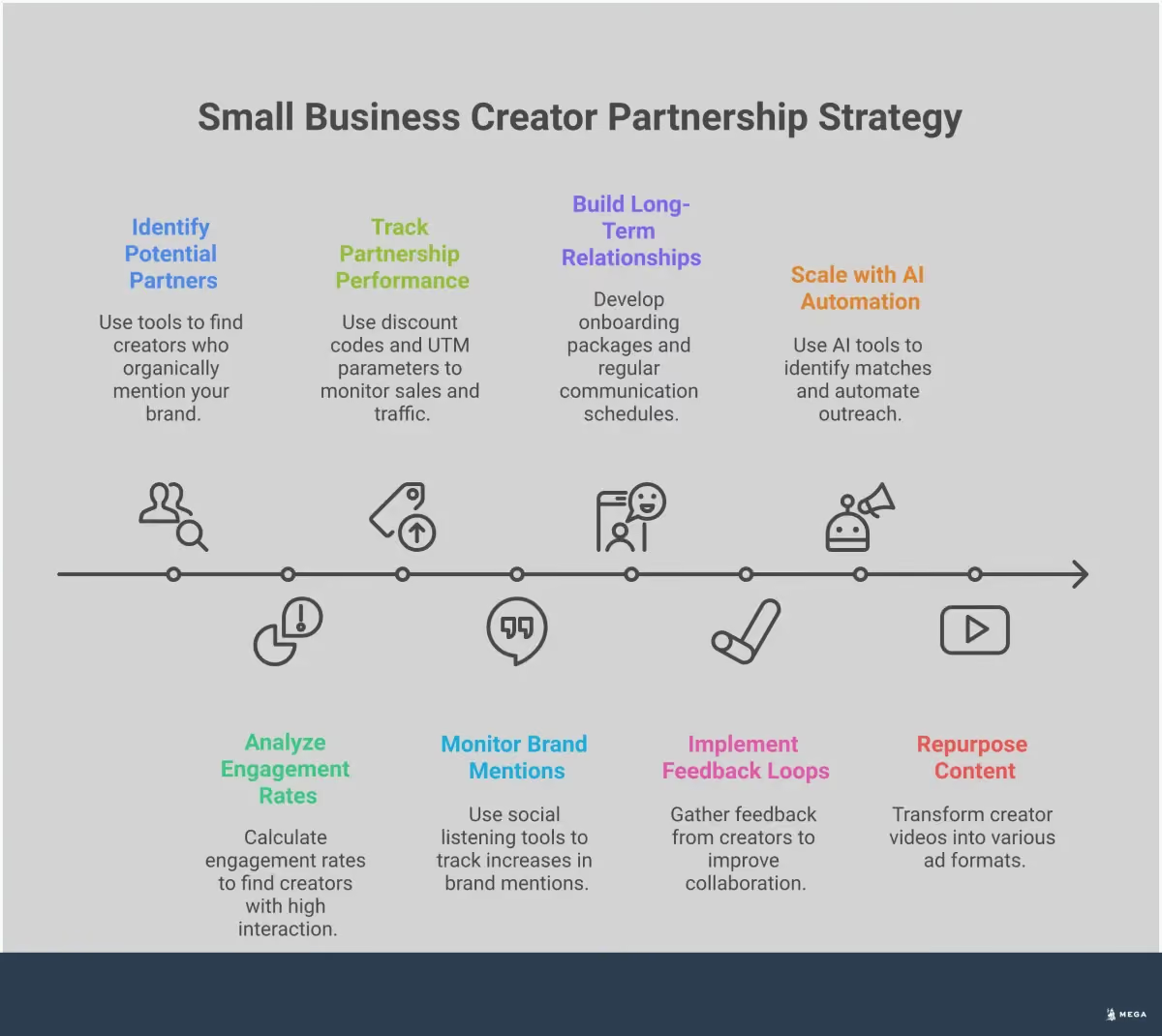
To measure the direct impact on your bottom line, you need a clear tracking system. The simplest methods are often the most effective. Provide each creator with a unique discount code or a trackable affiliate link. This allows you to see exactly how many sales their content is driving. You can also use UTM parameters on links to monitor how much website traffic comes directly from their posts. By tracking conversions this way, you can calculate a clear return on investment and identify which creators are most effective at turning their audience into your customers.
Monitor Your Brand Perception
Beyond direct sales, creator partnerships are powerful tools for shaping how people see your brand. Monitor your social media channels for an increase in brand mentions, tags, and new followers during the campaign. You can also use social listening tools to track the sentiment of conversations about your business. Is it positive? Are people using the same language the creator used? An increase in positive mentions and website traffic from social media are strong signs that the partnership is successfully building brand awareness and credibility with the right audience.
How to Build Authentic Creator Partnerships
Building a successful creator partnership is about more than a simple transaction. The most effective collaborations are built on mutual respect and genuine appreciation for what each party brings to the table. When you move from a transactional mindset to a relational one, you create a connection that feels authentic to the creator’s audience. This approach builds trust and drives more meaningful results for your business. The key is to treat creators as true partners, not just another advertising channel.
Find Creators Who Genuinely Love Your Brand
The best place to start is with people who already use and love your products. Creators who are genuine fans produce content that feels natural because their enthusiasm is real. This authenticity is powerful, as research shows creators influence the purchase decisions of many young consumers. Look for creators who have tagged your brand organically—they are your potential advocates. A partnership with a true fan is more credible than one with a big-name creator who has no history with your brand. Their endorsement will resonate deeply and build lasting trust.
Prioritize Transparency and Honesty
Audiences appreciate honesty. When a partnership is clearly disclosed, it builds trust. Hiding that a post is sponsored can make followers feel deceived, damaging the credibility of both the creator and your brand. It's essential to follow advertising standards and ensure creators use clear disclosures. This transparency shows respect for the audience. By making sure your creator collaborations are compliant, you protect your brand's reputation and foster a more honest relationship with potential customers. Honesty should be the cornerstone of your partnership.
Think Long-Term Partnerships, Not One-Off Campaigns
A single sponsored post can feel like a fleeting ad, but a long-term relationship feels like a genuine endorsement. When a creator features your brand consistently, their audience sees it as a trusted part of their routine. This sustained exposure builds deeper connections and makes your marketing more effective. Brands find the most success when they align their goals with creators who are already advocates. Instead of one-off campaigns, think about building a partnership that can evolve over months or years. This allows for more creative storytelling that integrates your product into the creator’s world.
What Are the Common Challenges for Brands?
Partnering with creators opens up incredible opportunities, but it also comes with a unique set of challenges. Unlike traditional advertising, you're working with independent individuals who have their own brand and audience to protect. Understanding these potential hurdles from the start will help you build stronger, more effective partnerships that feel genuine to everyone involved. The key is to see creators as long-term partners, not just another marketing channel. When you approach these relationships with respect and a clear strategy, you can overcome the common obstacles and build lasting trust with a new audience.
Learning to Let Go of the Message
One of the biggest adjustments for brands is letting go of the script. Creators build trust because they have a unique voice and style; forcing them to read corporate-approved lines will instantly feel inauthentic to their followers. While you need to ensure your campaign complies with advertising standards, the most successful partnerships give creators the freedom to integrate your product into their content naturally. This means trusting them to communicate your value proposition in a way that resonates with their specific audience. It’s a balance between providing clear guidelines and allowing for creative interpretation.
How to Find the Right Creator for Your Brand
With millions of creators out there, finding the right one can feel like searching for a needle in a haystack. Research shows that this is the top challenge brands face. The right partnership isn't just about a large follower count; it's about alignment. Does the creator share your brand's values? Is their audience your target customer? A mismatch here can result in a campaign that falls flat and wastes your budget. The most effective approach is to find creators who are already genuine fans of your product or operate in a niche that’s highly relevant to what you sell.
How to Scale Without Losing Authenticity
As your business grows, you might want to expand your creator program. The challenge is scaling these efforts without losing the personal touch that makes them work. Managing dozens of individual relationships can be time-consuming, and it's easy to fall into a transactional mindset. The solution is to focus on building long-term relationships with a core group of creators who truly advocate for your brand. This creates more authentic, consistent content. For other marketing tasks, you can use technology to automate your SEO and content creation, freeing up your time to nurture these important human connections.
How Small Businesses Can Thrive in the Creator Economy
The creator economy might seem dominated by big brands with huge budgets, but small businesses have a unique advantage: authenticity. You don't need to outspend your competition to win. Instead, you can build genuine connections and use smart strategies to make a significant impact. By focusing on real relationships and leveraging the right technology, you can connect with creators who truly believe in your product and share that passion with their dedicated audiences. This approach allows you to build trust and credibility in a way that larger, more corporate brands often struggle to achieve. The key is to work smarter, not just harder, by focusing your efforts where they matter most.
Many small business owners feel they lack the resources to compete, but the truth is that consumers are increasingly drawn to relatable, human-centered content. They trust recommendations from people they feel they know over polished corporate advertisements. This shift in consumer behavior opens a massive opportunity for small businesses. Your story, your passion, and your direct connection to your products are powerful assets. When you partner with a creator who shares your values, their endorsement feels less like an ad and more like a trusted friend's advice. The following strategies can help you tap into this power, even with a limited budget and a small team. It's about being strategic, personal, and using the right tools to amplify your message.
Use AI to Automate Your Marketing
As a small business owner, your time is your most valuable asset. Juggling marketing tasks while running your business is a major challenge. This is where automation becomes a game-changer. Using AI-powered tools can help you identify creators whose audiences align perfectly with your brand, saving you hours of manual research. Once you've found the right partners, you can automate your marketing campaigns to handle everything from content scheduling to performance tracking. This frees you up to focus on building strong, personal relationships with your creators, which is the foundation of any successful partnership. Think of AI as your marketing assistant, handling the repetitive work so you can focus on strategy.
Scale Your Content Creation with Tech
A single piece of creator content holds immense potential beyond its initial post. With the right technology, you can repurpose that content across all your marketing channels. A great video review can become a series of clips for social media ads, a testimonial for your website, or the inspiration for a blog post. Technology helps you manage this process efficiently. For instance, an AI-driven paid ads platform can take creator content and automatically generate hundreds of ad variations to test across different platforms. This allows you to scale your efforts and get the most value out of every collaboration, ensuring the content reaches a wider audience and drives results without requiring you to create everything from scratch.
Build Real Relationships on a Small Budget
You don't need a celebrity endorsement to make an impact. In fact, smaller creators, often called micro-influencers, can be your most powerful allies. These creators typically have highly engaged, niche audiences that trust their recommendations implicitly. Focus on finding creators who are already genuine fans of your product or operate in your specific niche. A partnership built on mutual respect and a shared passion for your product will always feel more authentic. According to research, micro-influencers can generate higher engagement rates than their more famous counterparts. Reach out personally, offer them value, and focus on building a long-term relationship rather than a one-time transaction.
What's Next for Brands and Creators?
The creator economy is constantly evolving, with new platforms, trends, and audience expectations emerging all the time. For brands, especially small businesses, staying current can feel like a full-time job. The core of this shift isn't about mastering the latest viral trend; it's about understanding how trust is built and maintained in a digital world. The connection between a creator and their audience is the most valuable asset, and it's becoming the primary way consumers discover and decide on products.
As this landscape matures, the relationship between brands and creators will become more integrated. One-off sponsored posts are giving way to long-term partnerships built on shared values and mutual respect. Consumers are savvy; they can tell the difference between a paid advertisement and a genuine recommendation. The future belongs to brands that learn to collaborate authentically, giving creators the freedom to communicate in their own voice while aligning with clear business goals. This approach requires a shift in mindset from controlling the message to co-creating it with trusted partners.
How New Platforms Are Changing the Game
New social platforms will continue to appear, but the fundamental driver of the creator economy will remain the same: people follow people, not platforms. As marketing expert Neil Patel explains, consumers "are deciding to buy things or make decisions because they trust these people." This trust is portable. When a creator builds a loyal following on one platform, that community is likely to follow them to the next.
For your business, this means the most durable investment you can make is in relationships with the right creators. Instead of chasing trends on every new app, focus on identifying partners whose audience aligns with your own. By building a strong partnership, you gain access to a trusted voice that can introduce your brand to an engaged community, regardless of where that community gathers online.
How Consumer Expectations Are Changing
Modern consumers, particularly Gen Z and millennials, have a finely tuned radar for authenticity. They expect content that feels genuine and unscripted, and they place a high value on the credibility of the person delivering the message. According to a recent Bazaarvoice report, this desire for authenticity is a major reason why creators influence the purchasing decisions of nearly half of young consumers.
This shift is a significant advantage for small businesses. You don't need a massive marketing budget or a polished corporate script. In fact, those things can work against you. Instead, consumers want to see real people sharing honest experiences. When a creator’s review feels genuine, it builds a level of trust that traditional advertising struggles to achieve. Your brand’s ability to foster these honest conversations will directly impact its credibility.
How to Prepare Your Brand for the Future
Adapting to the future of the creator economy requires a strategic approach. First, it’s important to ensure your partnerships are transparent and professional. Any creator collaboration should comply with relevant advertising standards, which protects your brand and respects the audience. This builds a foundation of trust from the very beginning.
Second, successful campaigns are built on clear objectives. Before you begin, you need to set clear goals and define how you will measure success, whether it's through engagement, traffic, or sales. While you focus on building these strategic relationships, AI-powered tools can handle the technical execution of your marketing. Platforms like MEGA AI automate your SEO and content strategy, freeing you up to focus on the human connections that drive growth.