
Your tours might be the best-kept secret in your region, but secrets don't fill seats. For travelers to book with you, they first need to find you, then be convinced you're the right choice. This journey requires a thoughtful approach to content. Creating content for Tour Operators is an end-to-end process, starting with ensuring you're discoverable through search engines and extending to engaging potential customers across various platforms. We'll cover how to build a cohesive content strategy that not only improves your online visibility but also nurtures interest and drives those all-important bookings for your unique travel experiences.
Key Takeaways
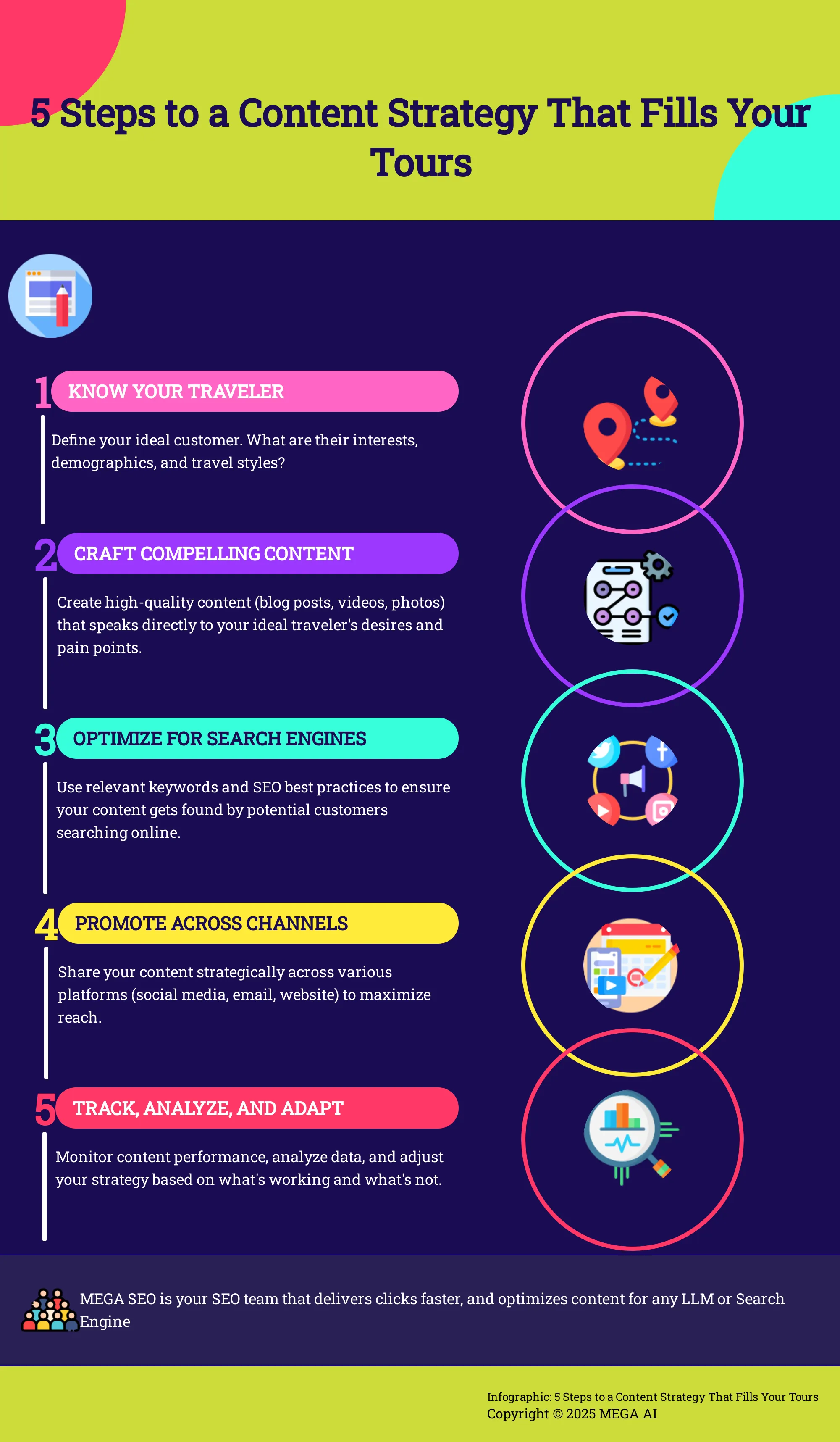
- Know Who You're Talking To: Clearly identify your ideal traveler to create content that truly resonates and shapes an effective marketing plan.
- Create Great Content That Gets Seen: Develop varied, compelling materials like stories and visuals, and optimize them so interested travelers can easily find your tours.
- Track Your Success and Adapt: Regularly review content performance with data to understand what connects with travelers and refine your strategy for more bookings.
Know Your Ideal Traveler: Defining Your Audience
Before you even think about writing a catchy headline or choosing the perfect photo for your next tour promotion, there's a foundational step that can make or break your content efforts: truly understanding who you're talking to. Knowing your ideal traveler isn't just a nice-to-have; it's the cornerstone of creating content that connects, persuades, and ultimately, fills your tours. When you have a clear picture of your audience, every piece of content you create can be tailored to their specific interests, needs, and motivations.
This targeted approach means your marketing messages are more likely to resonate, leading to better engagement and more bookings. It’s about working smarter, not just harder, by ensuring your efforts, including your SEO strategy, are focused on the people most likely to be interested in what you offer. This understanding will guide your tone, the topics you cover, and even the platforms where you share your content. For tour operators, especially small businesses and startups, getting this right from the start can save valuable time and resources, making every marketing dollar count.
Identify Key Customer Personas
Think of customer personas as detailed profiles of your ideal travelers. Instead of trying to appeal to everyone, which often means appealing to no one, segment your market. Are you targeting families looking for kid-friendly adventures, or perhaps millennials seeking unique, off-the-beaten-path experiences? Maybe your sweet spot is budget-conscious backpackers or affluent travelers seeking luxury. Don't forget solo adventurers, a growing and significant group. Creating these distinct traveler profiles helps you visualize who you're speaking to. This clarity allows you to craft messages and offers that speak directly to their desires and pain points, making your marketing much more effective. Smaller tour operators often have the agility to cater to several of these segments.
Analyze Traveler Preferences and Behaviors
Once you have your personas, the next step is to dig deeper into what makes them choose a particular tour. Start by identifying your Unique Selling Proposition (USP). What makes your tours stand out? Is it your expert local guides, exclusive access to certain locations, your impeccable safety record, or perhaps your outstanding customer service? Highlighting this USP is key. Pay close attention to the questions your customers ask; these are goldmines of information, revealing what’s truly important to them. Consider adding an FAQ section to your website to address these common queries. Conducting customer research to understand their demographics, travel habits, and what they value in a tour experience will enable you to tailor your content with precision.
Create Content That Converts Travelers
Creating content that truly resonates with potential travelers and persuades them to book a tour is both an art and a science. It’s about more than just listing itineraries or prices; it’s about sparking imagination, building trust, and making a compelling case for why your tours offer an unforgettable experience. When your content connects on an emotional level, it can transform a casual browser into an enthusiastic customer. Think of your content as the digital equivalent of a captivating travel guide, leading prospects through the possibilities and helping them envision themselves on an adventure you provide.
Effective travel content addresses the dreams, questions, and concerns of your audience at every stage of their decision-making process. From initial inspiration to final booking, your words, images, and videos should work together to tell a cohesive story. This means understanding what makes your ideal traveler tick and crafting messages that speak directly to their desires. Whether it's a detailed blog post, a stunning Instagram photo, or a helpful email, each piece of content is an opportunity to build a relationship and guide them closer to a sale. The goal is to make the decision to travel with you feel like the natural, exciting next step. By focusing on creating valuable, engaging, and persuasive content, you can significantly improve your conversion rates and grow your tour business. MEGA AI can help you streamline your content creation process, ensuring your message reaches the right audience effectively.
Write Compelling Blog Posts and Articles
Blog posts and articles are your chance to share richer stories and more detailed information. Good travel writing isn't just about facts; as Content Whale notes, "it's about telling captivating stories that make people feel like they're already on vacation." Think about what makes your tours special—a unique local guide, access to a hidden gem, or a focus like adventure or culinary experiences—and weave these into narratives that draw readers in.
Before writing, it’s important to do your homework. Tourism Tiger advises that "tour operators should find their Unique Selling Proposition (USP), listen to customers, do customer research, analyze competitors, and do SEO research." Understanding these aspects helps you create engaging and discoverable content. Utilizing effective keyword research is key to understanding what potential travelers are searching for, allowing you to tailor your articles to meet their needs.
Use Striking Photos and Videos
Travel is an inherently visual experience, and your content must reflect that. High-quality photos and videos can transport potential customers to your destinations, making tours tangible and appealing. As Content Whale suggests, "Use lots of pictures, videos, and other visuals to make your content more interesting." Think vibrant landscapes, happy travelers, and unique cultural moments—authentic and high-resolution visuals give a true sense of the experience.
Video is particularly powerful. According to Forrester Research, cited by Tourism Tiger, "a minute of video is worth 1.8 million words." Short promotional videos, virtual tours, or customer testimonials can be incredibly persuasive, dynamically showcasing excitement and atmosphere. You can even remix this video content for various platforms and ad campaigns, extending its reach.
Develop Engaging Social Media Posts
Social media platforms are essential for reaching and engaging with potential travelers. As Bókun points out, you should "Promote on social media (especially TikTok and Instagram): Build brand awareness, share engaging content, and consider influencer partnerships." These platforms are highly visual, making them perfect for sharing those striking photos and videos we just talked about. Think short, captivating video clips, stunning images with engaging captions, and interactive content like polls or Q&A sessions related to your destinations or tour themes.
Consistency is key on social media. Develop a content calendar to plan your posts and ensure a steady stream of engaging material. Tailor your content to the specific platform; what works on Instagram might need a different approach for Facebook or TikTok. Consider running targeted social media ad campaigns to reach a wider, yet specific, audience interested in the types of tours you offer, further amplifying your message.
Craft Effective Email Newsletters
Email newsletters are a powerful tool for nurturing leads and encouraging repeat business. As the Good Tourism Institute highlights, "Turning website visitors into customers is a big part of a tour operator’s content marketing strategy," and email is a direct channel to achieve this. Use your newsletters to share exclusive offers, new tour announcements, valuable travel tips related to your destinations, or inspiring stories from past travelers.
To make your newsletters effective, focus on providing value to your subscribers. Segment your email list based on interests or past travel history to send more personalized and relevant content. A well-crafted subject line can make all the difference in getting your email opened. Keep the design clean and mobile-friendly, with clear calls to action that make it easy for readers to learn more or book an experience.
Master Storytelling in Your Marketing
Storytelling should be at the heart of all your marketing, not just blog posts. It’s about weaving a narrative that connects with your audience emotionally. As Travefy suggests, "The most successful tour operators will be those who understand their audience, leverage authentic customer experiences, and embrace innovative technologies...to create immersive and engaging marketing campaigns." Consider the overarching story of your brand and the unique narratives within each tour.
Every piece of content, from your website's 'About Us' page to a social media caption, contributes to this story. Focus on authenticity: share genuine experiences, highlight guide perspectives, and showcase travel's transformative power. Mastering storytelling creates a memorable brand travelers connect with, making them more likely to choose you. You can even generate compelling narratives with tools that understand your brand voice.
Harness the Power of User-Generated Content
One of the most authentic and persuasive forms of marketing doesn't come from your team, but from your travelers themselves. User-generated content (UGC) refers to any content—text, videos, images, reviews—created by people, rather than brands. For tour operators, this is pure gold. Think about it: prospective travelers are far more likely to trust the word of a fellow traveler who has experienced your tour firsthand than they are to trust a polished advertisement. UGC builds credibility, fosters a sense of community, and provides a steady stream of fresh, relatable content for your marketing channels.
Tapping into this resource can significantly amplify your reach and impact. When travelers share their positive experiences, they're essentially becoming advocates for your brand. This organic promotion can improve engagement on social media, enhance your website's appeal, and even positively influence your search engine rankings as search engines often favor fresh, authentic content. The key is to actively encourage and make it easy for your customers to share their stories and then strategically showcase that content. It’s a powerful way to let your happy customers do the selling for you, creating a cycle of trust and interest that draws in new adventurers.
Encourage Customer Reviews and Testimonials
Customer reviews and testimonials are foundational to building trust. Think of them as digital word-of-mouth referrals. When potential travelers see positive feedback from others who have taken your tours, it validates your offerings and eases their decision-making process. Make it a standard practice to ask for reviews after a trip. You can do this through a follow-up email, a small card handed out at the end of a tour with a QR code linking to review platforms, or even a gentle reminder during the farewell.
Don't just collect these valuable insights; showcase them. Feature glowing testimonials prominently on your website, especially on booking pages. Share snippets on social media. Responding to reviews, both positive and negative, also shows that you value customer feedback and are committed to providing excellent experiences. This engagement can turn a simple review into a powerful piece of marketing collateral, demonstrating your attentiveness to traveler satisfaction.
Feature Traveler Photos and Videos
Visuals are incredibly powerful in the travel industry, and photos and videos taken by your actual travelers can be more compelling than professional shots. These images capture genuine moments and authentic experiences, offering a real glimpse into what your tours are like. Encourage your guests to take and share their photos and videos. You could suggest specific photo opportunities during the tour or simply remind them to tag your business if they post on social media.
Once you have this content (with permission, of course), use it. Create dedicated galleries on your website, share albums on Facebook, or feature traveler photos in your Instagram feed. You could even run a photo contest to incentivize sharing. This not only provides you with a rich source of marketing material but also makes your past travelers feel valued and recognized, further strengthening their connection to your brand and encouraging future bookings.
Launch Successful Hashtag Campaigns
Hashtag campaigns are a fantastic way to collect user-generated content and increase your brand's visibility, especially on platforms like Instagram and TikTok. Create a unique, memorable, and easy-to-spell hashtag related to your tour company or a specific tour experience. Encourage your travelers to use this hashtag when they post their photos and videos. You can promote your hashtag on your website, in your emails, on your social media profiles, and even on physical materials at your tour locations.
A successful hashtag campaign makes it easy for you to find and share UGC. It also creates a searchable stream of content that potential customers can browse to see real experiences. Consider running contests or offering small incentives for posts using your hashtag to build brand awareness and generate excitement. This strategy not only populates your feed with authentic content but also extends your reach to the networks of your travelers, effectively turning them into micro-influencers for your tours.
Optimize Your Tour Content for Search Engines
Getting your amazing tours in front of more potential travelers often means making sure search engines like Google can find and understand your content. This is where search engine optimization, or SEO, comes into play. It’s not about trying to trick the system; it’s about making your website and content as clear, relevant, and helpful as possible for both search engines and, more importantly, your future customers. By focusing on a few key areas, you can significantly improve your visibility in search results, drawing more organic traffic to your tour offerings. Think of it as laying out a clear path for interested travelers to find you online. When your content is optimized, you make it easier for search engines to recognize your expertise and show your tours to people actively looking for experiences like yours. Let's look at some foundational steps to get you started.
Conduct Thorough Keyword Research
Think of keywords as the search terms your ideal travelers type into Google when looking for tours like yours. Understanding these terms is the first step to getting found. You'll want to identify keywords that people are actually using, focusing on those relevant to your specific tours, location, and unique selling points. Tools can help you discover these keywords and see how often they're searched. Once you have a good list, weave these keywords naturally into your website's headlines, tour descriptions, blog posts, and even image alt text. This helps search engines match your content with the right searches, making your offerings more discoverable.
Implement On-Page SEO Best Practices
Once you know your keywords, the next step is to optimize the content directly on your website – this is on-page SEO. Make your tour descriptions and blog posts easy to read. Use clear, concise language, break up text with headings and bullet points, and bold important information like key tour features. Ensure your website is easy to navigate so visitors can find what they need without frustration. Also, pay attention to elements like descriptive page titles and meta descriptions, as these often appear in search results and can entice users to click through to your site. Good on-page SEO signals to search engines that your page is a quality result for relevant queries.
Build High-Quality Backlinks
Backlinks are links from other websites to yours, and search engines see them as a vote of confidence. The more high-quality, relevant websites that link to your tour pages or blog posts, the more authoritative your site appears. The best way to earn these valuable links is by creating genuinely interesting and useful content that others will want to share. Think about shareable blog posts, unique local guides, or partnerships with local businesses or travel bloggers. Fresh, engaging content not only helps with rankings but also provides real value to your website visitors, keeping them coming back for more and establishing your site as a go-to resource.
Essential Tools for Tour Operator Content Creation
Having the right tools in your toolkit can truly transform how you create and manage content for your tour operations. Think of these tools as your reliable support system, working behind the scenes to streamline everything from planning detailed itineraries to engaging with travelers online. When your processes are smooth, you free up valuable time to focus on what really matters: crafting compelling travel stories and connecting with your audience. Investing a bit of effort to find software that genuinely fits your specific needs will pay dividends, allowing you to dedicate more energy to the creative aspects of content creation rather than getting bogged down in manual, time-consuming tasks. Let's explore a couple of key areas where the right tools can significantly lighten your workload and help you achieve better results with your content.
Find the Right Software for Your Needs
To effectively manage your tours and keep customer interactions flowing smoothly, specialized Tour Operator Software is an excellent place to start. This type of software is specifically designed to simplify the often intricate logistics involved in running a tour business. When you're evaluating options, look for features like itinerary planning tools, which help you meticulously map out unique experiences for your travelers. Integrated online booking systems are also incredibly valuable, allowing potential customers to easily reserve their spots at any time.
Secure payment processing is another crucial component, ensuring that transactions are both smooth and safe for everyone involved. For instance, tools like WP Travel Engine can empower you to build a dedicated booking website, complete with widgets that facilitate real-time online reservations. Another option, Checkfront, offers a customizable online booking system that you can tailor to the specific types of tours you offer. The main goal is to identify software that aligns well with your business size, the nature of your tours, and the level of customer interaction you aim for.
Manage Content Efficiently Across Channels
Once you're creating fantastic content, you need an efficient way to manage and publish it, particularly on your website. This is where a Content Management System (CMS) becomes indispensable. A good CMS allows you to easily update tour descriptions, publish blog posts, refresh images, and embed videos without needing to be a coding expert. For many tour operators, WordPress is a popular and highly versatile choice. It powers a significant portion of the web and offers an extensive library of plugins, which means you can add all sorts of functionalities to your site.
If your tour operation is on the larger side or if you have very specific customization requirements, enterprise-level platforms such as TYPO3 or Magento might be a more appropriate fit. These systems are built to handle higher demands and more complex setups. Drupal is another robust option that offers a good balance of power and flexibility for various needs. Ultimately, selecting the right CMS will help you keep your website content fresh, informative, and consistently engaging for potential travelers as they explore your offerings.
Track and Improve Your Content's Success
Creating fantastic content is just the first step. To truly understand its impact and make sure your efforts are paying off, you need to track its performance. Think of it like this: you wouldn't plan a tour without checking the weather or mapping the route, right? Similarly, you shouldn't create content without a plan to measure its success. By regularly looking at how your content is doing, you can identify what resonates with your audience, what drives bookings, and where you can make improvements. This data-driven approach helps you refine your strategy over time, ensuring your content works harder for your tour operator business.
Many tour operators find that consistently analyzing their content performance leads to better engagement and more bookings. It’s about understanding the story your data tells and using those insights to make smarter decisions. This continuous cycle of creation, measurement, and refinement is key to a successful content marketing strategy. Don't be afraid to experiment and see what works best for your unique audience and offerings. The goal is to learn and adapt, making your content more effective with each iteration.
Define Your Key Performance Indicators (KPIs)
Before you can measure success, you need to define what success looks like for your tour business. This is where Key Performance Indicators (KPIs) come in. For tour operators, "evaluating content marketing success in the travel industry requires tracking key performance indicators (KPIs) like website traffic, engagement rates, and conversion rates." Website traffic shows how many people are finding your content. Engagement rates—such as likes, shares, comments on social media, or time spent on a blog post—indicate how much your audience interacts with what you publish. Most importantly, conversion rates, like tour bookings or inquiry form submissions, tell you if your content is leading to actual business.
Choosing the right KPIs depends on the specific goals of your content. If you're aiming to increase brand awareness, you might focus on social media reach and website visits. If your goal is to generate leads, you'll want to track email sign-ups or contact form completions. Clearly defining these metrics upfront will give you a clear benchmark for success and a solid foundation for measuring your progress.
Use Analytics to Measure Performance
Once you've defined your KPIs, the next step is to use analytics tools to measure them. Many platforms offer built-in analytics. For instance, social media platforms provide insights into post reach, engagement, and follower growth. Your email marketing software will show open rates and click-through rates. For your website, Google Analytics is an invaluable tool for tracking website traffic, user behavior, and conversion goals. "To assess a tour operator's marketing impact, start with brand awareness through social media mentions and surveys."
"Analyzing booking data is a concrete way to gauge the effectiveness of your marketing strategies." By connecting your content efforts to actual bookings, you can see a direct return on your investment. Regularly reviewing these analytics will help you understand which content pieces are performing well and which ones might need a rethink. This data provides the foundation for making informed decisions about your future content and helps you understand what truly captures your audience's attention.
Adapt Your Strategy Based on Data
The data you collect isn't just for show; it's there to help you make better decisions. "Understanding how to measure the success of your content marketing allows you to... optimize your efforts." If you notice that blog posts about adventure tours get significantly more engagement and bookings than posts about city tours, that’s a clear signal to create more adventure-focused content. If your email click-through rates are low, perhaps it's time to experiment with different subject lines or calls to action.
"Tracking your bookings is vital in measuring the overall success of your marketing efforts and business growth." Don't be afraid to adjust your content plan based on what the data tells you. This iterative process of analyzing results and refining your approach is what leads to long-term success. For instance, MEGA AI's Maintenance Agent can help identify how to update existing articles to improve their performance based on ongoing analysis, ensuring your content stays relevant and effective.
Solve Common Content Creation Challenges
Creating compelling content consistently can feel like a big hurdle, especially when you're juggling the many demands of running a tour operation. But these common challenges are definitely solvable. With a bit of strategy and the right approach, you can keep your content fresh, engaging, and effective. Let's look at a few key areas where tour operators often get stuck and how you can move past them.
Maintain High-Quality Content Consistently
Keeping up with content demands is a common hurdle. Successful content marketing for tour operators, as the Good Tourism Institute notes, requires discipline to consistently create high-quality, relevant material. It’s not just volume; each piece must resonate with your ideal traveler.
To manage this, a content calendar helps plan topics ahead. Batching content—writing several posts or filming videos in dedicated blocks—improves efficiency. Tools that assist with content generation can also offer a strong starting point for drafts, which you can then infuse with your unique brand voice. Focus on quality and audience alignment.
Balance Promotional vs. Informational Content
It's tempting to focus solely on sales, but travelers also seek helpful information to plan their journeys. A LinkedIn discussion on assessing marketing impact for tour operators highlights the importance of finding a "balance between promotional content that drives sales and informational content that builds trust and engagement."
Consider an 80/20 approach: 80% of your content should offer value through travel guides, packing lists, or local insights. The remaining 20% can then naturally introduce your tours. This strategy positions you as a knowledgeable resource, building trust that makes travelers more inclined to book with you when they're ready.
Stay Ahead of Evolving Travel Trends
The travel landscape is dynamic, with shifting preferences and new destinations gaining traction. To keep your content effective, it must evolve too. As Peek Pro advises, "Staying ahead of evolving travel trends is essential for creating relevant content that resonates with your audience."
Stay informed by reading industry publications and observing competitor strategies. Social listening can reveal current traveler interests. Don’t forget to revisit older content; is it still accurate? Could it be updated for new trends? Utilizing a Maintenance Agent can help identify articles ripe for an update, ensuring your content library remains a valuable asset.
Build a Cohesive Content Strategy
Creating amazing content is one thing, but making sure it all works together to tell your brand's story and achieve your business objectives is where the real magic happens. For tour operators, a cohesive content strategy acts as your essential roadmap. It ensures every blog post detailing a hidden waterfall, every stunning video of a sunrise hot air balloon ride, and every engaging social media update about a local festival contributes to a larger, compelling narrative about your unique travel experiences. This unified approach does more than just strengthen your brand identity; it makes your marketing efforts significantly more effective and far easier to manage in the long run. When your content is strategically aligned, you're not just shouting into the void; you're building connections, inspiring wanderlust, and guiding potential travelers smoothly towards booking their next adventure with you. A well-thought-out strategy also means you can optimize your resources efficiently, ensuring your time and budget are invested in content that truly delivers. Think of it as the architectural blueprint for your entire content marketing house; without it, you might build beautiful rooms, but they might not connect or serve the overall purpose of a welcoming, functional home for your audience.
In the sections below, we'll explore key components to build a strategy that resonates deeply with travelers and drives tangible results for your tour operation, from aligning with marketing goals to developing a unique voice and making your content work harder for you.
Align Content with Your Overall Marketing Goals
Your content shouldn't just be a collection of pretty pictures and interesting facts; it needs to serve a purpose. Before you even think about what to create, take a step back and consider your broader marketing goals. Are you trying to increase brand awareness, drive more direct bookings, or build a loyal community of travelers? Each piece of content you produce should be a deliberate step towards achieving these objectives. For tour operators, evaluating the effectiveness of your marketing often comes down to whether your efforts are converting interest into actual bookings.
Think about how a specific blog post about a hidden gem destination can lead to inquiries, or how a video showcasing a unique tour experience can encourage viewers to click that "Book Now" button. By clearly defining the goal for each piece of content, you can better measure its success and ensure your resources are being used effectively. This clarity also helps in optimizing your content creation process from the start.
Develop a Unique and Consistent Brand Voice
In a crowded travel market, a distinctive brand voice can make your tour company stand out. This isn't just about what you say, but how you say it. Are you adventurous and witty, or calm and informative? Your brand voice should reflect the personality of your tours and resonate with your ideal traveler. As Content Whale aptly puts it, "Good travel writing isn't just about facts; it's about telling captivating stories that make people feel like they're already on vacation." Establish and maintain a consistent brand voice across all your platforms, from your website copy to your social media captions and email newsletters.
This consistency builds recognition and trust. When travelers encounter your content, they should instantly feel familiar with your brand. Consider creating a simple style guide that outlines your tone, key messaging points, and even words to use or avoid. This will help ensure everyone creating content for your brand stays on the same page, making your content generation efforts more streamlined.
Repurpose Content Smartly Across Platforms
Creating high-quality content takes time and effort, so it makes sense to get as much mileage out of it as possible. Repurposing content means taking an existing piece and adapting it for different channels or formats. For instance, a detailed blog post about a multi-day tour could be broken down into several engaging Instagram posts, a short video itinerary, or key points for an email newsletter. This approach is a fantastic time-saver. Peek Pro highlights that repurposing content, like turning one video into material for 100 days, is a smart strategy.
When you repurpose, think about the strengths of each platform and how your audience consumes content there. A long-form article might be great for SEO and your blog, but a visually driven platform like Instagram will require stunning images or short video clips from that same core content. This also allows you to reinforce your message across multiple touchpoints, increasing its overall impact and simplifying how you manage your paid ad campaigns with varied assets.
Maximize Your Content's Reach and Impact
Creating compelling content is a significant achievement, but its true value is realized when it reaches the right audience. As a tour operator, you invest time and effort into crafting stories, capturing stunning visuals, and sharing the unique experiences you offer. However, if this valuable content doesn't connect with potential travelers, its power to drive bookings and build your brand is limited. To get the most from your content, you need a thoughtful strategy for distribution. This involves more than just publishing; it's about understanding how to amplify your message effectively.
Think of your content as an invitation to an incredible adventure. Your goal is to ensure that invitation lands in the hands of those most likely to accept. By strategically planning when and where your content appears, collaborating with the right partners, and tailoring your message for different traveler segments, you can significantly extend its reach and impact. This proactive approach ensures your content works diligently for your business, attracting interest and converting potential customers into enthusiastic guests. Let's explore practical ways to make your content more visible and effective.
Plan Strategic Content Timing and Frequency
Consistency is key when it comes to content that turns website visitors into customers. As the Good Tourism Institute aptly notes, "using content marketing successfully is a strategy for tour operators who have the discipline to consistently create content on the long run." This doesn't mean you need to overwhelm your audience with daily posts. Instead, focus on establishing a regular rhythm for your content releases. This predictability helps build anticipation and keeps your tour offerings fresh in the minds of potential travelers. Consider aligning your content schedule with seasonal travel patterns, peak booking periods, or significant local events to enhance its relevance and timeliness.
Beyond new releases, ensure your existing content continues to perform. For instance, tools like MEGA AI's Maintenance Agent product can help keep your articles current, which can improve their visibility in search results and attract ongoing traffic.
Collaborate with Influencers and Key Partners
A diverse marketing approach is often the most effective. Bókun’s guide on marketing a tour company emphasizes not relying on a single channel, and collaborations offer an excellent way to broaden your reach. Partnering with travel influencers, complementary local businesses such as hotels or popular restaurants, or your area's tourism board can introduce your tours to new, highly relevant audiences. These partners typically have a trusted relationship with their followers, making their recommendations particularly influential.
When selecting collaborators, prioritize those whose brand values and audience demographics align with yours. An authentic partnership benefits everyone involved. You might offer a complimentary tour experience in exchange for a review or social media coverage. For larger promotional efforts, platforms like MEGA AI can help you efficiently manage paid ad spend, amplifying the reach of content generated through these valuable collaborations.
Localize Content for Diverse Travel Markets
If your tours appeal to international travelers or you plan to attract visitors from new regions, direct translation of your content might not be sufficient. Effective localization involves adapting your messaging, visuals, and even tour details to align with the cultural preferences and expectations of specific markets. This careful tailoring can significantly improve how travelers engage with your content and can lead to higher conversion rates. As Peek Pro discusses in their insights on content marketing for the travel industry, tracking key performance indicators is crucial, and localized content often shows stronger results.
Consider the preferred language, common imagery, and popular communication platforms within your target markets. For example, certain social media channels may have greater traction in one country compared to another. While MEGA AI's core services revolve around SEO and Paid Ads, its ability to facilitate multilingual content solutions for advertisements highlights the increasing importance of adapting content for a global audience. This customized approach demonstrates to potential customers that you understand and cater to their specific needs.
Related Articles
- Travel Agency SEO: The Ultimate Guide (2024)
- The Ultimate Guide to Audience Engagement in 2024
- Travel Agency SEO: A 2024 Guide to More Bookings
- SEO Tips for Travel Agencies: Boost Bookings in 2024
Frequently Asked Questions
I'm a small tour operator. What's the single most important thing I should focus on when starting my content creation? The most crucial first step is to clearly define who your ideal traveler is. When you have a solid understanding of their interests, what they're looking for in a tour, and even their travel concerns, crafting content that truly speaks to them becomes much easier. This focus helps guide your tone, the topics you choose, and even where you share your content, making your efforts more effective from the get-go.
My tour descriptions feel a bit flat. How can I make my content more exciting and persuasive? To make your content more engaging, try to weave storytelling into your descriptions. Instead of just listing features, paint a picture of the experience and evoke the feelings travelers can expect. High-quality photos and videos are also incredibly powerful, as they allow potential customers to visualize themselves on your tour. Showcasing genuine moments and authentic experiences often resonates more than overly polished material.
I've written some blog posts, but I'm not sure how to get more people to see them. What's a good starting point for online visibility? A great starting point is to think about the words and phrases your ideal travelers might type into a search engine when looking for tours like yours. These are your keywords. Once you have an idea of these terms, try to incorporate them naturally into your website content, including your blog posts and tour descriptions. This helps search engines understand what your content is about and show it to the right people.
It feels overwhelming to constantly come up with new content ideas. How can I manage this better? One effective way to manage content creation is to plan with a content calendar. This helps you map out topics in advance and maintain a consistent schedule. Another helpful approach is to repurpose existing content. For example, a detailed blog post could be broken down into several social media updates, or key points could be used in an email newsletter. This allows you to get more value from each piece of content you create.
How can I tell if all this effort creating content is actually helping my tour business grow? You can gauge your content's effectiveness by tracking a few key indicators. Pay attention to whether more people are visiting your website and how they interact with your content, such as time spent on pages or engagement on social media posts. Ultimately, you'll want to see if your content efforts are leading to an increase in inquiries, leads, and, most importantly, actual tour bookings.