
Your product curation is perfect and the packaging is beautiful. But attracting subscribers is a constant struggle, and too many cancel after just one box. The missing piece isn't your product—it's your content strategy. While products get customers in the door, a strong content subscription box plan is what makes them stay. It’s how you demonstrate value between deliveries, build a community, and improve customer retention. This guide provides the actionable steps to develop a content plan that drives sustainable growth and turns one-time buyers into loyal advocates.
Key Takeaways
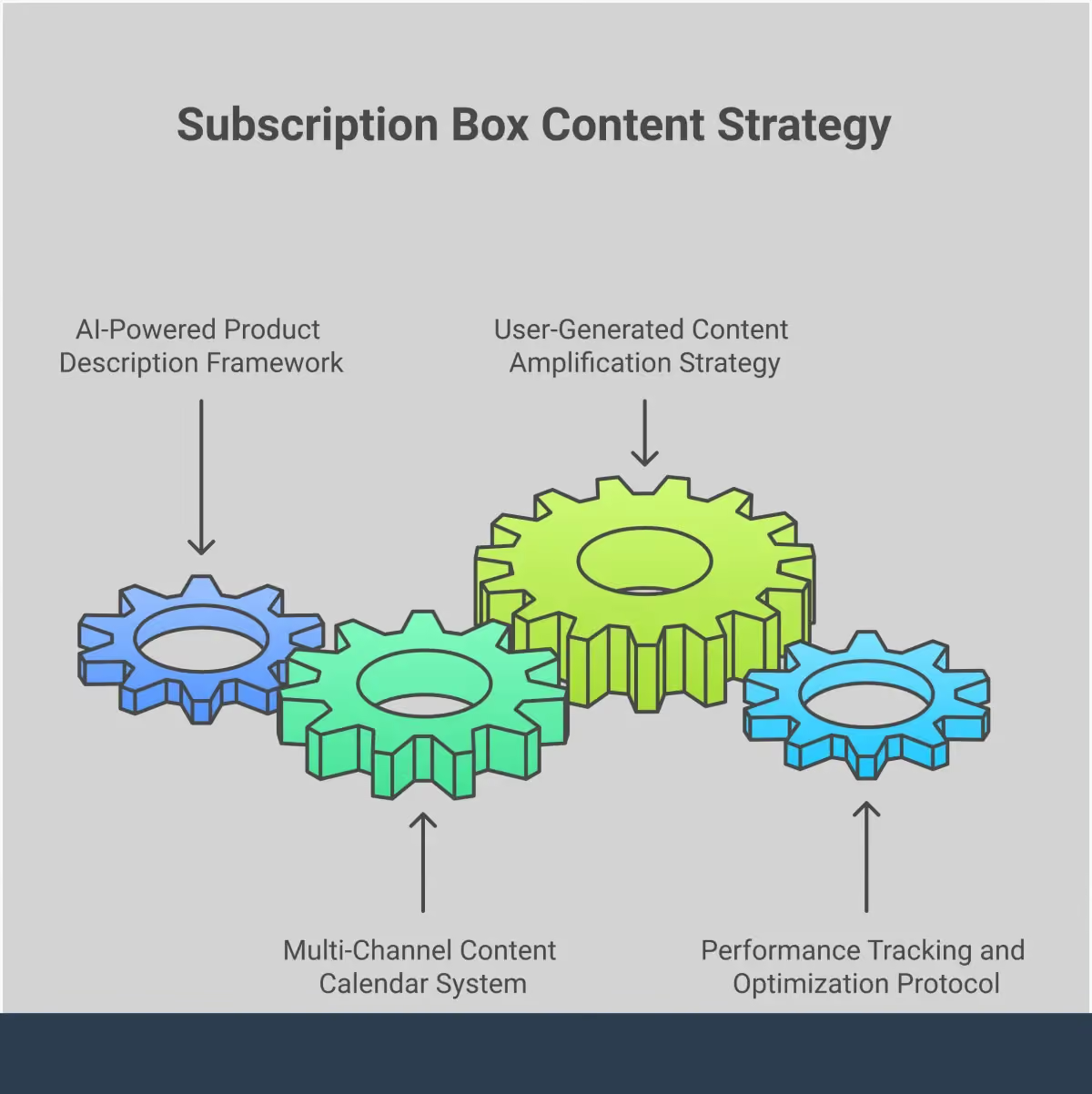
- Establish a Strategic Foundation: Before writing, define your goals, understand your ideal subscriber, and use a content calendar to plan a consistent stream of content that builds anticipation for each box.
- Use AI as Your Content Co-Pilot: Integrate AI tools to handle time-consuming tasks like brainstorming topics, drafting product descriptions, and automatically updating older posts, freeing you to focus on creative strategy.
- Amplify and Analyze Your Content: Creating content is just the first step. Develop a distribution plan to promote your work across SEO, social media, and email, then track key metrics to understand what works and continuously improve your strategy.
Understanding the Subscription Box Business Model
To create content that resonates, you first need a solid grasp of the business model you’re operating within. The subscription model is more than just a transaction; it’s a relationship built on recurring value. Your content strategy is the primary way you communicate that value between shipments. Understanding the financial landscape, pricing psychology, and operational costs will help you build a content plan that not only engages customers but also supports a profitable and sustainable business. Let's look at the core components that make up the subscription box model.
Key Financials and Market Statistics
The subscription box industry is a significant part of the ecommerce landscape. The market is projected to grow substantially, with some estimates suggesting it will reach nearly $23 billion. This growth is fueled by strong consumer interest; about 27% of American online shoppers have at least one retail subscription. These numbers highlight a massive opportunity, but they also signal a competitive environment. A well-defined business model is your starting point for capturing a piece of this market. Your content strategy then becomes the tool you use to differentiate your brand and build the loyalty needed to thrive long-term.
Subscription vs. Membership: What's the Difference?
While the terms are often used interchangeably, there's a subtle but important distinction. A subscription typically involves paying a recurring fee for physical products, like a monthly box of curated snacks. A membership, on the other hand, involves paying for access to services, community features, or exclusive content. The most successful subscription box businesses often blend these two concepts. The box itself is the subscription, but the content you create around it—like how-to guides, an exclusive Facebook group, or Q&As with product creators—acts as the membership benefit, adding a layer of value that keeps customers engaged far beyond the products themselves.
Common Pricing Strategies
Your pricing strategy does more than just cover your costs; it communicates the value of your box to potential subscribers. The price you set influences customer perception and plays a major role in acquisition and retention. Choosing the right model depends on your products, your target audience, and your overall business goals. There are several common approaches you can adapt to fit your specific needs, each with its own set of advantages for attracting and keeping subscribers.
Tiered Pricing
Tiered pricing involves offering several versions of your box at different price points. For example, you might offer a "Basic" box with five items and a "Deluxe" box with eight items plus a bonus product. This strategy is effective because it allows you to cater to customers with different budgets and preferences. It creates an opportunity for subscribers to "level up" their experience, providing a clear path for them to spend more with your brand as they become more invested.
Freemium Model
While more common in software, the freemium model can be adapted for subscription boxes. This could look like offering a free trial where a customer pays only for shipping to receive a few sample-sized items. Another approach is to offer valuable digital content for free, such as recipes or style guides, to build an audience that you can later convert into paying subscribers for a physical box. It's a way to let customers experience your brand's value with minimal risk, making the decision to subscribe much easier.
Adjustable Rates
An adjustable rate strategy means your pricing can change over time in response to factors like rising supplier costs or shifts in the market. This model provides flexibility to ensure your business remains profitable as it grows. However, it's important to manage this strategy with care. Communicating price changes clearly and transparently is essential. Frequent or unexpected price hikes can lead to customer dissatisfaction and increase churn, so this approach should be used thoughtfully and with plenty of notice to your subscriber base.
Factoring in Key Costs
Profitability in the subscription box world hinges on a clear understanding of your costs. The most obvious expenses are the products inside the box, or your Cost of Goods Sold (COGS). You must ensure your subscription price comfortably covers what you spend to acquire or produce these items. Beyond that, you need to account for all fulfillment expenses, including the box itself, any custom tissue paper or inserts, and the actual cost of shipping. These costs can fluctuate and often increase as you scale, so it's vital to monitor them closely and build them into your pricing from day one.
Designing Your Box: How Many Items to Include
One of the most common questions for new subscription box owners is how many items to include. While there's no single magic number, most experts suggest a range of five to ten items. This range generally provides a feeling of substantial value without making the box too heavy or expensive to ship. Ultimately, the right number depends on your niche and price point. A lower-priced box might have fewer, smaller items, while a luxury box would be expected to have more. The key is to focus on the overall perceived value and the unboxing experience rather than just the item count.
Types of Subscription Boxes
The subscription box market is diverse, with several distinct models that cater to different customer needs and behaviors. The type of box you choose to build will fundamentally shape your entire business, from product sourcing and logistics to your marketing messages. More importantly, your business model dictates your content strategy. The stories you tell, the information you provide, and the community you build will all stem from the core value proposition of your box. Understanding these models is the first step in creating a content plan that aligns with your subscribers' expectations and keeps them excited for every delivery.
Replenishment Model
The replenishment model is built on convenience. These boxes deliver consumable goods on a regular schedule so customers never run out of essentials like coffee, vitamins, or pet food. The value proposition is simple: save time and money on products you already use. The content strategy for this model should reinforce that convenience and build trust in the quality of your products. Content can focus on the sourcing of your ingredients, offer tips for getting the most out of the product, or showcase customer testimonials that highlight the ease and reliability of your service.
Subscribe and Save Model
Slightly different from replenishment, the subscribe and save model centers on offering members exclusive access to discounts and special deals for a recurring fee, similar to Amazon Prime. While replenishment is about automating the purchase of a specific item, this model is about providing ongoing value through savings across a range of products. Content for this model should constantly reinforce the financial benefits of membership. Regular emails highlighting member-exclusive deals, price comparisons showing how much subscribers are saving, and early access announcements for sales events are all effective ways to prove the ongoing worth of the subscription fee.
Curated Box Model
The curated box model is all about discovery and delight. These are the "surprise" boxes filled with a themed collection of products, such as artisanal foods, beauty samples, or bookish goods. The customer is paying for your expertise and taste in finding new and interesting items they wouldn't have discovered on their own. This model is heavily reliant on strong content. Your content strategy should build anticipation before the box arrives with sneak peeks and theme reveals. After delivery, content should help customers enjoy their new items through tutorials, recipes, or stories about the makers behind the products.
Finding Your Niche
In a crowded market, the most successful subscription boxes often serve a very specific interest group rather than a broad category. Think beyond a "snack box" and consider a "vegan, gluten-free snack box for hikers." A well-defined niche makes it easier to find your target audience and create products and content that speak directly to them. Once you've identified your niche, you can use AI-powered SEO tools to discover the specific keywords and content topics that your ideal customers are searching for. This allows you to create a highly relevant content strategy that attracts the right subscribers from the start.
Why Your Subscription Box Needs a Content Strategy
A subscription box content strategy is your plan for creating and sharing content that connects with your target audience, keeps them engaged, and encourages them to subscribe. It’s not just about the products inside the box. It’s the entire story you tell through your blog posts, social media, emails, and unboxing guides. A solid strategy aligns with your business goals and clearly communicates the unique value of your subscription service. It’s the framework that turns a one-time buyer into a loyal subscriber.
By planning your content, you ensure every piece you create serves a purpose, whether it's attracting new customers through effective SEO or delighting your current ones to improve retention. This approach helps you build a brand that people trust and a community that feels connected to your mission. It’s about creating a consistent and valuable experience that extends far beyond the physical box itself.
How AI Can Improve Your Content Creation
AI-driven tools can streamline how you create relevant content for your subscription box. Instead of guessing what your audience wants, AI analyzes customer data, purchase history, and online behavior to identify their interests. This allows you to tailor content that speaks directly to them, which can improve engagement and reduce churn. For example, an AI tool can help you generate blog post ideas based on trending topics within your niche or write compelling product descriptions that highlight the features your customers care about most. This data-driven approach removes much of the guesswork from subscription box marketing.
Define Your Content Goals and Objectives
Before you create any content, you need to know what you want to achieve. Setting clear, measurable goals is essential for tracking the success of your content strategy and making informed adjustments. These goals should be specific, measurable, achievable, relevant, and time-bound (SMART). For instance, instead of a vague goal like "get more subscribers," a SMART goal would be "Increase new email subscribers by 20% in the next quarter through our weekly lifestyle blog." This gives you a clear target to work toward and a way to measure whether your content is performing as expected.
Know Your Target Audience
You can’t create effective content if you don’t know who you’re creating it for. Understanding your target audience is the foundation of a successful content strategy. This requires thorough research to understand their demographics, interests, pain points, and motivations. Creating detailed customer personas can help you visualize your ideal subscriber and tailor your messaging, tone, and content topics to their specific preferences. When your content resonates with your audience, they are more likely to feel a connection with your brand and remain a subscriber for the long term.
Essential Content Types for Your Subscription Box
A successful subscription box business relies on a steady stream of engaging content to attract new subscribers and keep current ones excited. Your content strategy should be a mix of different formats, each serving a specific purpose in the customer journey. From the moment a potential customer discovers your brand to the day they unbox their latest delivery, your content guides their experience. It’s not just about selling a product; it’s about selling an experience, a lifestyle, and a community.
Think of your content as the packaging around your physical box. It builds anticipation, explains the value inside, and creates a memorable experience that customers want to repeat. A well-rounded strategy includes everything from detailed product descriptions that set clear expectations to lifestyle articles that show how your products fit into your customers' lives. It also involves creating a vibrant social media presence and nurturing relationships through email. By diversifying your content, you can connect with your audience on multiple levels, building brand loyalty that goes far beyond a single purchase. The key is to create a cohesive narrative across all channels that consistently reinforces your brand’s unique value.
Create Exciting Unboxing Content and Descriptions
Clear, enticing product descriptions are your front line. They tell customers exactly what they can expect and why they should be excited. To create effective visuals, you can assemble a sample box that showcases the quality and value of the items your subscribers will receive. Use this box to capture high-quality photos and videos for your website and social media. Unboxing content is especially powerful, as it creates a vicarious thrill for potential buyers. Detailed descriptions paired with compelling unboxing visuals build anticipation and trust, which are crucial for converting visitors into subscribers. You can even use an AI content generator to help craft unique descriptions for each item.
Share Educational and Lifestyle Content
Your subscription box is more than a collection of products; it’s a curated experience. Create educational and lifestyle content that helps your subscribers get the most out of their items. This could be a blog post with tutorials, a video demonstrating different uses for a product, or an article that connects your box to a broader lifestyle theme. For example, a coffee subscription box could share brewing guides or stories about the origins of their beans. This type of content positions your brand as an authority in its niche and helps customers integrate your products into their daily lives, making your subscription feel indispensable.
Build a Community with Social Media Content
Social media is where you can build a community around your brand. Use platforms like Instagram, TikTok, and Facebook to share behind-the-scenes content, run polls, and ask your followers questions. Giveaways and contests are effective tactics for getting more sign-ups and increasing engagement. The goal is to create a two-way conversation, not just broadcast marketing messages. When your followers feel seen and heard, they are more likely to become loyal advocates for your brand. Consistent and interactive social media marketing helps keep your subscription box top-of-mind and fosters a sense of belonging among your customers.
Connect with Subscribers Through Email
Email is a direct line to your most engaged audience members. Use it to nurture leads, announce new boxes, and share exclusive offers. During your prelaunch phase, focus on a clear goal, like collecting a certain number of email sign-ups to build initial momentum. A well-structured email strategy should include a welcome series for new subscribers, regular newsletters with valuable content, and re-engagement campaigns for those who have canceled. By segmenting your list and personalizing your messages, you can deliver relevant content that strengthens customer relationships and drives repeat business.
Enhance the Customer Experience to Improve Retention
Improving customer retention means creating an experience that extends far beyond the physical box. Your content strategy is the plan for telling a compelling story through blog posts, social media, and unboxing guides that keep subscribers engaged between deliveries. This consistent communication reinforces the value of your subscription and builds a genuine connection with your audience. When customers feel like they are part of a community and a larger narrative, they are much more likely to stick around. It’s this ongoing engagement that transforms a simple transaction into a long-term relationship, making your brand an integral part of their lifestyle.
Delivering valuable content consistently is key to a great customer experience, but it can feel like a heavy lift for a small team. This is where AI-powered tools can make a significant difference. For instance, you can use an AI content platform to generate ideas for blog posts or draft unboxing guides that highlight your products' best features. By automating parts of the content creation process, you free up time to focus on the bigger picture: building a brand that your subscribers love and trust. This approach ensures your content remains fresh and relevant, keeping your audience excited for what’s next.
Offer Exclusive Subscriber Perks
Making your subscribers feel special is a powerful retention tool. Offering exclusive perks transforms your subscription from a simple transaction into a valued membership, creating a sense of belonging that keeps customers loyal. Think beyond the products in the box and consider what additional benefits you can provide. This could include access to monthly workshops, members-only shopping events, surprise rewards, or a private online community where subscribers can connect. For example, the stationery brand Cloth & Paper gives its members access to expert help and exclusive collections. These extras increase the perceived value of the subscription, making it much harder for a customer to hit the cancel button when they feel they’re getting more than just products.
Provide Subscription Flexibility
A rigid subscription model can be a major reason for customer churn. Life happens, and customers appreciate having control over their commitments. By providing subscription flexibility, you show that you understand and respect their changing needs. Allow subscribers to easily pause their service, skip a month, or change their delivery frequency directly from their account dashboard. This simple feature can prevent cancellations from customers who may just need a temporary break rather than a permanent split. According to research on the subscription box business model, giving customers the ability to start and stop their subscription whenever they want is an effective practice that builds trust. It removes friction and accommodates modern consumer habits, turning a potential cancellation into a temporary pause.
Turn Customers into Creators with UGC
User-generated content (UGC) is one of your most powerful marketing assets. It serves as authentic social proof and shows potential customers that real people love your product. Encourage subscribers to share their unboxing experiences by creating a unique hashtag and featuring their posts on your social media channels. You can also run contests where the best photo or video wins a prize. Showcasing UGC not only provides you with a steady stream of genuine marketing material but also makes your customers feel like a valued part of your brand’s community.
How to Write Better Product Descriptions with AI
Your product descriptions do more than just list what’s inside the box; they sell an experience. A great description can be the deciding factor for a potential subscriber. It needs to be clear, persuasive, and aligned with your brand's voice. This is where AI becomes a powerful ally. It can help you craft descriptions that not only inform but also convert, ensuring every word works toward growing your subscriber base.
Start with a Compelling Headline
Your headline is your first impression. It needs to grab attention immediately and make someone want to learn more. A generic headline gets scrolled past, but a compelling one draws the reader in. Think about what makes your box unique and lead with that. For example, instead of "Monthly Coffee Box," try "Discover Rare, Single-Origin Coffees Delivered Fresh." AI tools can generate dozens of headline variations in seconds, allowing you to A/B test different angles and find what truly resonates with your audience. This data-driven approach removes the guesswork from writing copy that converts.
Focus on Your Unique Value
Why should a customer choose your subscription box over any other? Your value proposition is the answer. It’s the unique promise of value you offer. If you don't define this clearly, you risk blending in with competitors. Your description must articulate what sets your service apart. Is it the curation, the exclusivity of the products, or the convenience? AI can help you refine your value proposition by analyzing your product features and target audience data. It can then translate those points into benefit-driven copy that speaks directly to your ideal customer’s needs and desires.
Quantify the Box's Value
Customers want to know they're getting a good deal. Clearly stating the monetary value of the items inside compared to the cost of the box is a straightforward way to demonstrate this. For example, explicitly state, "Each box contains items worth over $100, but you only pay $75." This simple math helps justify the purchase and removes friction from the decision-making process. It frames the subscription not as an expense, but as a smart investment. This transparency also helps build customer trust, as you are being upfront about the value they receive.
Highlight Product Exclusivity
Exclusivity is a powerful motivator. When customers believe they are getting something that can’t be found elsewhere, it creates a sense of urgency and desirability. Use your product descriptions to emphasize this. Phrases like "custom-made for our subscribers" or "you can't find these items anywhere else" make your box feel special. This isn't just about the products; it's about offering a unique experience. Highlighting exclusivity helps your brand stand out in a crowded market and gives customers a compelling reason to subscribe and stay subscribed. They aren't just buying items; they're joining an exclusive club.
Leverage Expert Curation
The story behind your box is just as important as what’s inside. If your boxes are curated by an expert or someone with a deep passion for your niche, make that a central part of your messaging. For instance, "Each box is put together by [Founder's Name], a certified sommelier." This adds a layer of credibility and authority. It tells customers that the selections are thoughtful and high-quality. This strategy helps you build brand authority and connect with a specific audience that values expertise. People aren't just buying products; they are buying your taste and knowledge.
Add a Sense of Urgency and Exclusivity
Creating a sense of urgency or exclusivity can encourage immediate sign-ups. Phrases like "Limited Edition," "Exclusive Offer for New Members," or "Get It Before It's Gone" motivate potential customers to act now rather than later. You can highlight exclusive discounts for first-time subscribers or feature a product that’s only available for a limited time. AI can help you craft these messages in a way that feels authentic and exciting, not pushy. It can also suggest different types of offers to test, helping you find the most effective incentives for your audience.
Generate Descriptions with AI
Writing unique descriptions for every box can be time-consuming. AI content generators can produce high-quality, on-brand product descriptions in a fraction of the time. You provide the key details—like the theme, product list, and target audience—and the AI handles the creative work. This frees you up to focus on other parts of your business. Using an AI-powered tool like MEGA AI for content generation also ensures your descriptions are optimized for search engines, helping new customers discover your brand through organic search.
Weave Storytelling into Your Descriptions
People connect with stories, not just lists of features. Storytelling makes your brand more relatable and memorable. Instead of simply listing the items in your box, weave them into a narrative. What’s the theme? What experience will the customer have? Thorough audience research is the foundation of good storytelling, as it helps you tailor the narrative to your customers' interests. AI can act as a creative partner, helping you brainstorm story angles and craft descriptions that create an emotional connection, turning a simple purchase into an anticipated experience.
How to Build an Engaging Content Calendar
A content calendar is your roadmap for consistently connecting with your audience. For a subscription box service, it’s the tool that transforms one-off customers into a loyal community. Instead of scrambling for ideas, a calendar helps you plan strategically, ensuring every blog post, social media update, and email newsletter aligns with your brand and the theme of your upcoming boxes. This organized approach allows you to build anticipation, educate your subscribers, and create a cohesive brand experience.
Think of it as planning a conversation with your customers. You can map out key dates, like box shipment days, holidays, and special promotions, and build content around them. This foresight helps you create a steady stream of valuable content that keeps your audience engaged between deliveries. A well-structured calendar also makes it easier to manage workflows, allocate resources effectively, and maintain a high standard of quality across all your channels. It’s the foundation for a content strategy that not only attracts new subscribers but also nurtures the ones you already have.
Map Out Your Content Themes and Workflows
The first step is to map out your content themes and the process for creating them. Start by brainstorming ideas that align with your subscription box's niche and monthly themes. To stand out, you can plan for effective marketing strategies like offering exclusive discounts for first-time subscribers or showcasing user-generated content. Once you have your ideas, define a clear workflow. This should outline every step from initial concept and drafting to editing, approval, and final publication. If you have a team, assign specific roles and responsibilities to keep everyone on the same page and ensure a smooth, efficient process.
Allocate Time and Team Resources
With a plan in place, you can determine what resources you need. This includes your budget for tools or freelance help, the time you and your team can dedicate to content creation, and the software you’ll use. It’s essential to focus your efforts where they’ll have the most impact. Tracking key performance indicators (KPIs) is the best way to figure this out. By monitoring metrics like engagement rates, website traffic, and conversion rates, you can see which content types resonate most with your audience. This data allows you to invest your time and money into the strategies that are actually driving the success of your subscription box service.
Create a Quality Review Process
Consistency in quality is just as important as consistency in posting. Your content is a direct reflection of your brand, so it’s crucial to maintain high standards. Start by clearly defining your value proposition; this is what sets your service apart and ensures quality in what you deliver. Create a simple review process for every piece of content before it goes live. A quick check for spelling and grammar, brand voice consistency, and factual accuracy can make a huge difference. This quality control step helps build trust with your audience, reinforces your brand’s credibility, and encourages the long-term loyalty that subscription models depend on.
How to Use AI for Content Planning
AI can be a powerful partner in building out your content calendar. Instead of starting from a blank page, you can use AI to brainstorm relevant topics, generate detailed outlines, and even create first drafts. MEGA AI’s SEO tools generate expert-level, research-driven content for any platform, including blog posts and landing pages. The content is tailored to resonate with your specific audience and is optimized for any search engine you choose. By handling the heavy lifting of research and initial writing, AI frees you up to focus on refining the content and adding your unique brand perspective, helping you fill your calendar with high-quality posts more efficiently.
Plan Your Content Promotion Timeline
Creating great content is only half the battle; you also need a plan to get it in front of your audience. A distribution timeline schedules when and where each piece of content will be published and promoted. Map out your posts across your blog, social media channels, and email newsletters to ensure a coordinated and consistent presence. After publishing, it’s important to monitor key metrics such as customer acquisition cost and churn rate. This data provides essential feedback on what’s working, helping you refine your distribution strategy and make smarter decisions for your future content calendar.
How to Create and Enhance Content with AI
Using AI is like having a dedicated content team that works around the clock. It can help you move from brainstorming to publishing faster, all while ensuring your content is optimized to attract and retain subscribers. AI tools can handle the heavy lifting of research, drafting, and optimization, freeing you up to focus on the bigger picture of your subscription box brand. This allows you to build a robust content engine that consistently produces high-quality material without burning out your team or your budget.
Generate Content Ideas and Drafts
Coming up with fresh content ideas can be a challenge, but AI can act as your creative partner. It can analyze trends and competitor content to suggest topics that will resonate with your audience. From there, you can use it to generate research-driven drafts for blog posts, landing pages, and product descriptions. Platforms like MEGA AI create expert-level content tailored to your audience and optimized for any search engine or large language model (LLM). This means you can quickly produce an article on "How to Style Your New Jewelry Subscription Box" or a landing page for your latest curated collection, getting your ideas to market much faster.
Automate SEO and Readability Checks
Your content strategy doesn't end once you hit publish. To get the most value from your work, you need to keep it fresh and relevant. AI automates the process of updating existing content, which is key for improving clickthrough rates (CTR) and maintaining search rankings. MEGA AI’s Maintenance Agent can identify opportunities to add new information to old posts or re-optimize them after a search engine algorithm update. For a subscription box, this could mean automatically updating a "Best of" list from last year with your new product offerings, ensuring your best-performing content continues to drive traffic and conversions.
Deliver Personalized Content at Scale
Consistency is crucial for keeping subscribers engaged. AI makes it possible to produce a steady stream of fresh material without sacrificing quality. You can create daily or weekly content that speaks to different segments of your audience, from new prospects to loyal customers. Imagine sending out personalized unboxing tips, lifestyle articles that feature your products, or community stories on a regular basis. This high-volume approach helps improve your SEO rankings by signaling to search engines that your site is a current and authoritative source of information in your niche.
See How MEGA AI Creates Content
Effective content is more than just words on a page, especially for a visual product like a subscription box. That’s why every article generated by MEGA AI includes a custom image to improve visual appeal and encourage social sharing. The platform also turns insights from social channels like Reddit and YouTube into SEO-optimized content. This helps your business tap into trending topics and conversations that are already happening among your target audience. By understanding what potential subscribers are excited about, you can create content that directly addresses their interests and pain points.
Translate Content into Multiple Languages
As your subscription box business grows, you may want to reach customers in new regions. AI can help you scale globally by efficiently translating your content. Instead of a lengthy manual translation process, AI can adapt your product descriptions, blog posts, and marketing campaigns for different languages and cultural contexts. This capability, similar to how MEGA AI can translate voiceovers and captions for Paid Ads, ensures your brand message remains consistent and compelling, no matter where your audience is located. It’s a simple way to expand your market and connect with a wider base of potential subscribers.
How to Measure and Improve Content Performance
Creating great content is only half the battle. To build a successful subscription box service, you need to know what’s working and what isn’t. Measuring your content's performance allows you to refine your strategy, make data-driven decisions, and ultimately, grow your subscriber base. This means moving beyond guesswork and establishing a clear system for tracking your results and making continuous improvements.
Identify and Track Your Key Metrics (KPIs)
Key performance indicators (KPIs) are the specific metrics that show how your content is contributing to your business goals. For a subscription box, you’ll want to monitor a mix of engagement and conversion metrics. Start by tracking website traffic, time on page, and bounce rate to see if your content is attracting and holding attention. Then, look at conversion rates for newsletter sign-ups and new subscriptions. On social media, monitor likes, shares, and comments. For email, track open rates and click-through rates. These marketing KPIs provide a clear picture of your performance and highlight areas for improvement.
Use AI to Uncover Performance Insights
While standard analytics tell you what is happening, AI can help you understand why. AI-powered platforms can analyze your data to uncover patterns, predict trends, and offer actionable insights that you might otherwise miss. These tools can monitor complex metrics like customer acquisition cost and lifetime value, giving you a deeper understanding of your business health. For example, MEGA AI’s SEO tools can automatically analyze your existing articles, identify opportunities to improve click-through rates, and suggest new content additions to help you rank higher. This takes the heavy lifting out of data analysis and points you directly toward effective solutions.
A/B Test and Iterate on Your Content
Your content strategy should be a living document, not a static plan. The best way to find out what resonates with your audience is to test different approaches. You can run A/B tests on email subject lines, ad copy, landing page headlines, and calls-to-action. Experiment with different content formats, like video unboxings versus detailed blog posts. You could also test various offers, such as an exclusive discount for first-time subscribers, to see what drives the most sign-ups. Consistent A/B testing helps you make small, incremental changes that can lead to significant improvements in engagement and conversions over time.
Focus on Optimizing for Conversions
Every piece of content should guide your audience toward a specific action, usually subscribing to your box. Conversion rate optimization (CRO) is the practice of refining your content and website to make this action as easy and appealing as possible. This involves writing clear, compelling calls-to-action, ensuring your landing pages are user-friendly, and removing any friction from the sign-up process. By using data-driven strategies, you can attract new customers and build lasting relationships. AI tools like MEGA AI’s Paid Ads platform can even create hundreds of ad variations automatically, helping you find the perfect message that converts browsers into loyal subscribers.
Listen and Adapt to Customer Feedback
Data gives you the numbers, but customer feedback provides the story behind them. Pay close attention to what your audience is saying in comments, reviews, and surveys. This qualitative data is invaluable for understanding their pain points, desires, and motivations. Use this feedback to create more personalized and relevant content. If customers are asking for tutorials on how to use a product from your box, create a video or blog post about it. Using customer data wisely helps you build a stronger community, show your audience that you’re listening, and create content that truly serves their needs.
How to Scale Your Content Subscription Box Strategy
Creating great content is one thing; doing it consistently as your subscription box business grows is another challenge entirely. A scalable content strategy allows you to expand your reach and deepen customer relationships without burning out your team. This means planning for the future, using technology to work smarter, and staying adaptable.
Managing Operations and Fulfillment
As your content strategy brings in more subscribers, your operational needs will grow right along with it. The process of packing boxes in your living room can quickly become a major logistical challenge. Managing fulfillment effectively is crucial for keeping your new customers happy and ensuring your business can scale smoothly. This part of the process is just as important as your product curation and content creation, as it directly impacts the customer experience.
What is Subscription Box Fulfillment?
Subscription box fulfillment is the entire behind-the-scenes process of getting your curated boxes into your subscribers' hands. It covers everything from receiving and storing your products to picking the correct items for each box, packing them securely, and shipping them out on a recurring schedule. This isn't just about logistics; it's a critical extension of your brand. A seamless fulfillment process with on-time delivery and beautifully packaged items reinforces the quality and care you put into your service. On the other hand, errors, delays, or damaged products can quickly lead to unhappy customers and cancellations.
In-House Fulfillment vs. Outsourcing
As your subscriber count grows, you’ll face a key decision: should you continue managing fulfillment yourself (in-house) or partner with a specialized company? Handling fulfillment in-house gives you complete control over the process, which can be great when you're starting out. You see every box and can add personal touches. However, as you scale, this can become incredibly time-consuming. Outsourcing to a third-party logistics (3PL) provider means handing over the operational tasks to experts, freeing you to focus on growth activities like marketing and product sourcing. Each path has its own set of considerations, and the right choice depends on your business's current stage and future goals.
Challenges of In-House Fulfillment
Managing your own fulfillment can become a significant bottleneck as your business grows. Keeping accurate track of inventory is a common struggle, often leading to stockouts or sending the wrong items. As you introduce new products each month, updating your systems can be prone to error. Ensuring every box is packed correctly and shipped on time requires a huge amount of coordination. Any mistakes, like damaged items or shipping delays, can harm your brand's reputation and lead to customer cancellations. You also have to manage staffing, which can be difficult when order volumes fluctuate from month to month.
Benefits of Using a Third-Party Logistics (3PL) Provider
Partnering with a third-party logistics (3PL) provider can solve many of the challenges of in-house fulfillment. These companies are experts in warehousing and shipping, giving you access to advanced inventory management technology and skilled staff. They can easily scale with your business, handling fluctuating order volumes without you needing to hire or train temporary workers. Because 3PLs ship in high volumes, they negotiate better rates with carriers, which can save you money. They also offer services like kitting (assembling your boxes) and managing returns, freeing you to focus on curating products, creating content, and growing your brand.
When to Consider Outsourcing Fulfillment
It might be time to think about outsourcing your fulfillment if you recognize any of these signs. If your boxes are becoming too complex to assemble efficiently or you're simply receiving more orders than you can handle, a 3PL can help. Running out of storage space in your home or office is another clear indicator. You should also consider outsourcing if you want to expand to new regions, as a 3PL partner may have a network of warehouses that can reduce shipping times and costs. Ultimately, if you find yourself spending more time on packing and shipping than on marketing and strategy, it’s a good time to explore outsourcing to make your operations smoother and more efficient.
Develop a Long-Term Content Plan
Think of your content strategy as a business plan for your marketing. It’s a roadmap that outlines your goals and what you offer your audience over time. For a subscription service, this long-term view is critical. You need a steady stream of content that not only attracts new subscribers but also keeps your current ones excited for their next box. Map out your content themes for the year, considering seasonal trends, holidays, and product launches. A solid content plan ensures your efforts are cohesive and build momentum over time.
Establish a Process for Content Updates
Your content library is a valuable asset, but it needs regular maintenance to hold its value. An article that performed well last year might not be relevant today due to algorithm changes or shifting trends. Regularly review your existing content to identify opportunities for updates. Refreshing old posts with new information, data, and visuals can improve their performance and SEO ranking. Tools like MEGA AI’s Maintenance Agent can automate this process by identifying content to update, improving clickthrough rates, and ensuring your articles stay optimized for search.
Automate Tasks to Improve Efficiency
As you scale, you can't manually handle every aspect of content creation. Automation is key to improving efficiency without sacrificing quality. AI-powered tools can take on time-consuming tasks like keyword research, drafting articles, and generating product descriptions. This frees up your team to focus on creative strategy and community engagement. For example, MEGA AI generates expert-level, research-driven content tailored to your audience and optimized for any search engine, helping you produce high-quality content faster and more consistently.
Build a Flexible and Adaptable Strategy
The digital world changes quickly. A content strategy built for today might be outdated tomorrow. To future-proof your approach, focus on building a flexible, data-driven system. This starts with understanding your audience on a deeper level. Plan how you'll track customer behavior and use that information to refine your content and offerings. By staying tuned into analytics and industry trends, you can adapt your strategy to meet new search engine algorithms, emerging social platforms, and evolving customer expectations, ensuring your content remains effective for years to come.
Adapt Content for Each Platform
A one-size-fits-all approach to content doesn't work. The blog post that drives traffic from Google needs to be adapted to become an engaging Instagram Reel or a compelling email newsletter. Each platform has a unique audience and format, so you need to tailor your message accordingly. Manually reformatting content for every channel is tedious, but AI can simplify the process. MEGA AI can re-optimize a single piece of content for any platform, whether it's for different search engines, social media ads, or even large language models (LLMs). This ensures your message resonates everywhere you share it.
How to Distribute and Promote Your Content
Creating great content is only half the battle. The next step is getting it in front of the right people. A solid distribution and promotion plan ensures your efforts translate into traffic, leads, and sales. This involves a multi-channel approach that combines organic search, social media, email, and partnerships. Each channel reaches a different segment of your audience in a unique context, so integrating them creates a more powerful and consistent brand message. For example, a potential customer might discover your blog post through a Google search, follow you on Instagram for daily updates, and subscribe to your email list for exclusive deals. This layered approach builds trust and keeps your brand top of mind.
A successful distribution strategy doesn't just push content out; it pulls an audience in. It requires understanding where your ideal customers spend their time online and meeting them there with valuable, relevant information. By aligning your content with the platform, you make it feel native and less like an advertisement. For instance, a detailed "how-to" guide works well for SEO and your blog, while a quick unboxing video is perfect for TikTok or Instagram Reels. By strategically promoting your content, you can build brand awareness, engage your target audience, and drive sustainable growth for your subscription box business. Let's look at the key channels to focus on.
Apply SEO Best Practices
Search engine optimization (SEO) is fundamental to getting your content discovered. It starts with understanding what your potential customers are searching for and creating content that answers their questions. This means doing thorough keyword research to find the terms and phrases your audience uses. Once you have your keywords, you need to optimize your content by including them naturally in your titles, headings, and body text.
Beyond keywords, it’s important to track customer behavior to see what content resonates most. Analyzing metrics like page views, time on page, and conversion rates gives you the insights needed to refine your strategy. AI-powered tools can automate much of this process, from identifying content gaps to updating existing articles to improve their ranking and click-through rate.
Create a Social Media Promotion Plan
Social media is a powerful tool for promoting your subscription box and building a direct connection with your audience. Platforms like Instagram, TikTok, and Facebook are perfect for visual content like unboxing videos, product showcases, and lifestyle photos featuring your items. Encourage customers to share their own experiences using a unique hashtag to generate authentic, user-generated content.
Your strategy should include a mix of organic posts and paid advertising to reach a wider audience. Consider running giveaways or contests to drive engagement and attract new followers. With AI tools, you can create hundreds of ad variations from a single piece of content, tailoring your message for different platforms and audiences. This helps you optimize your ad spend and get better results from your campaigns.
Refine Your Email Marketing Strategy
Email marketing remains one of the most effective ways to nurture leads and retain customers. Start by building your email list with a dedicated landing page that offers an incentive, like a discount on the first box, in exchange for an email address. You can drive traffic to this page from your social media channels and website.
Once you have subscribers, segment your list to send personalized and relevant content. You can create different segments based on purchase history, interests, or engagement level. Send out regular newsletters with exclusive content, special offers, and sneak peeks of upcoming boxes. A good goal is to convert 10–20% of your email sign-ups into paying customers, and consistent, valuable communication is key to hitting that target.
Partner with Relevant Influencers
Influencer marketing can give your subscription box a significant credibility boost and introduce it to a new, engaged audience. The key is to partner with influencers whose followers match your ideal customer profile. Look for creators who align with your brand’s values and have a genuine connection with their audience, rather than just focusing on follower count.
Reach out to potential partners with a clear proposal for collaboration. This could be a sponsored unboxing video, a series of Instagram stories, or a blog post review. Providing them with a free box is a common starting point. Many influencers also work on an affiliate basis, earning a commission on sales they generate. This creates a performance-based partnership that benefits both you and the creator.
Focus on Building Your Community
A strong community can turn customers into loyal brand advocates. It’s often more cost-effective to retain existing customers than to acquire new ones, and community is central to retention. Create a space where your subscribers can connect with each other and your brand, such as a private Facebook group or a Discord server. Use this space to share exclusive content, ask for feedback, and make members feel valued.
Encourage word-of-mouth marketing by implementing a referral program that rewards customers for bringing in new subscribers. Referred customers tend to be more loyal and have a higher lifetime value. Offering loyalty rewards or early access to new products can also make your current subscribers feel special and strengthen their connection to your brand.