
The modern client journey doesn't start with a Google search for "personal trainers near me." It starts with a search for answers: "how to fix lower back pain" or "healthy meals for a busy schedule." This is where your content comes in. It’s your opportunity to meet potential clients where they are, offering genuine help and building a relationship long before they consider paying for a session. When you consistently show up with valuable advice, you establish yourself as a credible, trustworthy authority in a crowded space. Creating content for Personal Trainers is the most effective way to build this trust. This article provides a complete framework for turning your knowledge into engaging content that not only showcases your skills but also builds a loyal community that sees you as the go-to expert.
Key Takeaways
- Focus on a Specific Niche to Attract Ideal Clients: Trying to appeal to everyone often means you connect with no one. By identifying a specific audience, like busy professionals or new parents, you can create targeted content that directly addresses their unique goals and challenges, making your message more effective.
- Demonstrate Your Expertise Through Helpful Content: Build trust by consistently offering solutions to your audience's problems. Share practical workout demonstrations, sound nutrition advice, and client testimonials to prove your value and establish yourself as a go-to fitness authority.
- Create a Sustainable Content System: Consistency is more important than frequency. Use a content calendar to plan ahead and batch your content creation to work more efficiently. Regularly review your analytics to understand what works, allowing you to refine your strategy based on data instead of guesswork.
How Content Attracts More Personal Training Clients
Think of your content not as a sales pitch, but as the start of a helpful conversation. The most effective way to attract new clients is to consistently provide value before they ever pay you a dollar. This approach builds trust and establishes you as a credible authority in the fitness space. When potential clients see you as a reliable source of information, they’re more likely to choose you when they’re ready to invest in a trainer.
Your content should directly address client problems. Answer the questions you hear all the time: "What are the best exercises for back pain?" or "How can I eat healthier with a busy schedule?" By offering clear, actionable solutions, you demonstrate your expertise and genuine desire to help. This can be powerfully combined with authenticity. Sharing member success stories and real-life testimonials creates a strong connection, showing potential clients the tangible results you help people achieve.
Visually appealing content is also key, especially in fitness. High-quality photos and videos that demonstrate proper form or showcase your training environment can capture attention and make your advice easier to follow. As you create and share, remember to utilize analytics tools available on most social platforms. This data shows you what resonates with your audience, allowing you to refine your approach and create more of what your potential clients want to see.
Define Your Target Audience
Before you write a single post or film a single video, the most important step is to define who you’re talking to. Trying to create content for "everyone who wants to get fit" is a common mistake that many trainers make early on. When your message is too broad, it fails to connect with anyone on a personal level and gets lost in the noise. Instead, focusing on a specific group of people allows you to tailor your content directly to their needs, making your advice feel more relevant and valuable.
Think about who you most enjoy training. Is it new moms getting back into fitness, busy professionals trying to de-stress, or athletes training for a specific event? Choosing a niche helps you stand out in a crowded market. Once you have a clear picture of your ideal client, every piece of content you create will be more effective because you’ll understand their specific goals, struggles, and motivations. This clarity not only attracts the right clients but also makes the content creation process much simpler for you. You'll know exactly what topics to cover, what language to use, and what platforms to focus on, creating a more cohesive and impactful brand.
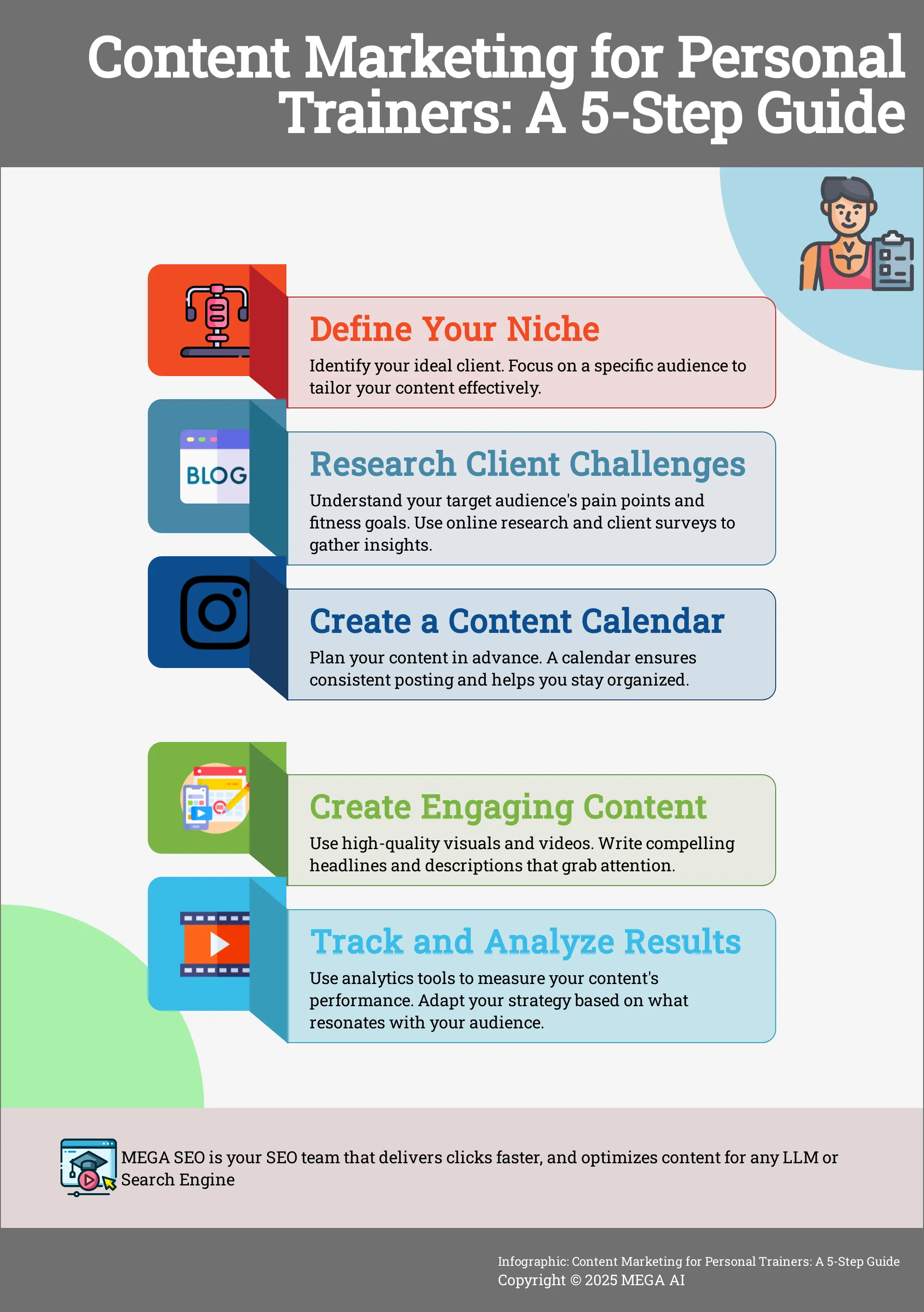
Identify Client Needs and Goals
The key to effective content is to make it about your potential clients, not about you. While it’s tempting to share your own workout routines or favorite gym apparel, clients are primarily interested in solving their own problems. As one trainer puts it, you should focus on their struggles. What are their biggest challenges? What are they looking for in a trainer? The best way to find out is to listen.
Start by talking to your current and past clients about what first brought them to you. You can also create polls on social media or browse online forums where your ideal clients might ask for advice. This direct customer research provides invaluable insight into their pain points and aspirations, giving you a clear roadmap for the kind of content that will truly resonate with them.
Research Common Fitness Challenges
Once you know your audience, your next step is to research the specific challenges they face. Your content should directly address their problems by answering common questions and offering practical solutions related to their fitness goals. Think of your content as a way to help them, not just a way to promote your services. When you consistently provide helpful information, you build trust and establish yourself as a knowledgeable authority.
To find these common challenges, you can use Google's "People Also Ask" section for any fitness topic. You can also use tools to automate keyword research, which helps you discover the exact questions your audience is typing into search engines. By understanding their most pressing issues—whether it's lack of motivation, confusion about nutrition, or uncertainty about proper form—you can create content that provides real solutions and positions you as the expert they need.
Content Ideas That Attract Clients
The most effective content strategies use a mix of formats and topics to keep your audience engaged. Think of your content as a portfolio that showcases your skills, personality, and the results you deliver. By rotating through different types of posts, you can appeal to potential clients at various stages of their fitness journey, from those just looking for inspiration to those ready to hire a trainer. A balanced approach demonstrates your expertise, builds trust, and creates a community around your brand.
Your content should aim to educate, motivate, and provide clear, actionable advice. This mix ensures your feed is a valuable resource that people want to follow and share. Planning these different content pillars helps you stay consistent and avoid creative ruts. With the right tools, you can even automate parts of your content generation to maintain a steady stream of high-quality posts, giving you more time to focus on your clients. The following ideas cover the essential categories you should include in your content calendar.
Workout Tips and Demonstrations
This is your chance to show, not just tell. Create content that provides immediate value and showcases your expertise in a practical way. Short videos demonstrating proper form for exercises like squats, deadlifts, or push-ups are incredibly effective and shareable. You can also create full workout routines that followers can do at home or in the gym.
This type of content is evergreen, meaning it will remain relevant and useful for a long time. You can create a library of these posts and videos that continually attract new followers. To keep this content performing well, you can periodically update articles with new tips or variations, ensuring they stay fresh and visible in search results. The goal is to be a go-to resource for reliable, easy-to-follow fitness guidance.
Nutrition Advice and Meal Plans
Fitness isn't just about exercise; nutrition plays a huge role in achieving results. Sharing your knowledge in this area shows clients you offer a holistic approach to health. If you have the proper qualifications, you can share healthy recipes, meal prep ideas, or tips for making smarter choices at the grocery store.
Content like "A Day of Healthy Eating" or "Healthy Snack Swaps" is relatable and easy for your audience to apply to their own lives. Always be clear about your credentials and encourage followers to consult a doctor or registered dietitian for personalized advice. Providing sound nutrition information helps build trust and positions you as a comprehensive wellness expert, not just a trainer.
Motivational and Inspirational Posts
Your audience is looking for more than just workout plans; they need encouragement to stay on track. This is where you can build a strong emotional connection. Share your own fitness journey, including the challenges you've overcome. Post about how to push through a workout plateau or find motivation on days when you don't feel like exercising.
While inspirational quotes can be effective, personal stories are far more powerful. This content helps humanize your brand and build a supportive community. When followers feel like they know and can relate to you, they are more likely to trust you with their fitness goals. This connection is often the deciding factor when someone is choosing a personal trainer.
Educational Content on Fitness and Health
Establishing yourself as an authority is crucial for attracting clients. Educational content is the best way to do this. Create posts or articles that answer common fitness questions, debunk popular myths, or explain the science behind your training methods. Topics like "The Importance of Rest and Recovery" or "Cardio vs. Weight Training for Fat Loss" are highly searchable and valuable.
This type of content demonstrates your deep understanding of health and fitness. By using automated keyword research, you can discover the exact questions your target audience is asking online and create content that directly addresses their needs. Breaking down complex topics into simple, easy-to-understand information shows that you are not only knowledgeable but also a great teacher.
Client Transformation Stories and Testimonials
Nothing sells your services better than proven results. Client testimonials and transformation stories are powerful forms of social proof that build immense trust and credibility. Always ask for your client's explicit permission before sharing their photos, stories, or results. Video testimonials are particularly effective, as they allow potential clients to hear directly from someone who has successfully worked with you.
You can also write detailed case studies for your blog. Outline a client's initial goals, the program you designed for them, the challenges they faced, and the incredible results they achieved. This not only showcases your ability to deliver but also provides a relatable journey for others to follow. This type of social proof is often the final piece of encouragement someone needs to reach out and become a client.
How to Create Engaging Content
Creating content is one thing; creating content that people actually stop scrolling to read, watch, and interact with is another. Engaging content is what turns a passive follower into an active member of your community and, eventually, a paying client. It’s about building a relationship and establishing trust. When your audience feels connected to you, they’re more likely to listen to your advice and invest in your services. This connection doesn't happen by accident. It's built through consistently showing up with content that resonates on a personal level.
The key is to provide genuine value. Every post, video, or story should aim to either educate, inspire, or entertain your target audience. Think about their fitness journey—what questions do they have? What struggles are they facing? What motivates them? Answering these questions through your content shows that you understand them and are equipped to help. Once you have a library of valuable content, you can use tools to ensure it reaches the right people. For example, a platform that helps with SEO can make sure your blog posts and articles show up when potential clients search for fitness advice online, extending the life and reach of your best work.
Write Compelling Headlines and Descriptions
Your headline is your first impression. It’s what determines whether someone will click to watch your video or keep scrolling past your post. A strong headline grabs attention by speaking directly to your audience's needs or curiosities. Instead of "Workout for Abs," try "5 Core Moves to Support Your Lower Back." The second option is specific and offers a clear benefit. Use your descriptions to expand on this promise. Provide a brief, valuable summary of what the content offers. This text is not only for your audience but also for search algorithms that help people discover your content. Be clear, concise, and always focus on the value you're providing.
Use Visuals and Videos Effectively
Fitness is an inherently visual field, making photos and videos your most powerful tools. You don’t need a professional film crew; often, authentic, phone-shot videos perform better because they feel more relatable. Share short video clips demonstrating proper form for a specific exercise, or create a time-lapse of you prepping healthy meals for the week. Use high-quality photos to showcase your training environment or to create simple graphics with motivational quotes. A great strategy is to create "evergreen" content, like a video on how to do a perfect push-up. This type of content remains relevant and can be shared repeatedly, continuing to attract new clients over time.
Add Interactive Elements
The best way to create engagement is to ask for it. Interactive content invites your audience to participate in a conversation, making them feel seen and valued. Use the features available on social media platforms to your advantage. Run polls on Instagram Stories asking followers what type of workout they want to see next. Host a live Q&A session to answer their most pressing fitness questions in real time. You can also create a simple fitness challenge, like a "Plank-a-Day" challenge for a week, and encourage followers to share their participation. These simple interactions build a strong sense of community and keep your audience coming back for more.
Leverage User-Generated Content
User-generated content (UGC) is a powerful form of social proof. When potential clients see real people achieving real results with your guidance, it builds instant credibility. Encourage your clients to share their progress, whether it’s a photo from their workout or a post celebrating a new personal record. You can create a unique hashtag for your community to use, making it easy to find and share their posts. Featuring client testimonials and transformation stories is one of the most effective ways to demonstrate the value of your training. It’s authentic marketing that highlights your impact from the perspective of the people who matter most: your clients.
Maximize Your Reach on Social Media
Creating great content is only half the battle; you also need to make sure it reaches the right people. Social media is a powerful tool for personal trainers, but simply posting content isn't enough. A strategic approach helps you connect with potential clients, build a community around your brand, and establish your authority in the fitness space. By choosing the right platforms, maintaining a consistent brand, and using platform-specific features, you can turn your social media profiles into effective client-attraction machines. This means being intentional about where you post, what you post, and how you engage with your audience to get the most out of your efforts.
Choose the Right Platforms
Not all social media platforms are created equal, and you don’t need to be on every single one. The key is to focus your energy where your ideal clients are most active. For most personal trainers, visual platforms are a natural fit. Instagram and TikTok are excellent for sharing workout videos, client transformations, and quick fitness tips. Facebook can be great for building a local community through groups and sharing longer-form content.
Think about your target audience. If you’re targeting young adults, TikTok and Instagram are likely your best bets. If you’re aiming for corporate wellness clients, having a professional presence on LinkedIn could be beneficial. Research where your specific target audience spends their time and start there. It’s better to excel on one or two platforms than to spread yourself too thin across many.
Build a Consistent Brand
Your brand is how people recognize and remember you. Creating a consistent visual identity and tone of voice across your chosen platforms is crucial for building a strong personal brand. This means using the same logo, color scheme, and fonts in your posts so your content is instantly recognizable as you scroll. Your tone of voice should also be consistent. Are you energetic and motivational? Or are you more analytical and science-based? Let that personality shine through in your captions and videos.
This consistency builds trust and makes your brand feel professional and reliable. When a potential client sees your content, they should get a clear sense of who you are and what it would be like to train with you. A strong personal brand helps you stand out in a crowded market and attract clients who resonate with your unique approach to fitness.
Use Platform-Specific Features
Each social media platform has unique features that can help you engage your audience and expand your reach. On Instagram, for example, you can use Reels for short-form video, Stories for behind-the-scenes content, and Guides to compile helpful resources. On TikTok, features like Duets and Stitches allow you to interact with other creators’ content. Using these native features signals to the platform that you’re an active, engaged user, which can help its algorithm show your content to more people.
You should also use the built-in analytics tools to see what’s working. Track which posts get the most engagement and use that data to inform your future content. Once you identify your top-performing content, you can amplify its reach even further with Paid Ads, ensuring your best work gets in front of a larger, targeted audience of potential clients.
How to Create Content Consistently
Consistency is the foundation of a successful content strategy. When you post regularly, you build trust and create a reliable resource for your audience. People know when to expect new information from you, which keeps your personal training business top-of-mind. But consistency doesn't mean you have to be a content machine, posting multiple times a day. The real key is to establish a rhythm that you can maintain over the long term without feeling overwhelmed. Developing a system for content creation helps you avoid the stress of figuring out what to post each day.
This systematic approach frees up your mental energy so you can focus on what you do best: training your clients. Think of it like a fitness program for your marketing. You wouldn't tell a client to work out for eight hours on Monday and then do nothing for the rest of the month. Instead, you'd create a balanced, sustainable plan. The same principle applies to your content. By planning ahead, working efficiently, and setting a manageable schedule, you can create a steady stream of valuable content that attracts new clients without causing burnout. The following methods will help you build that sustainable marketing muscle.
Create a Content Calendar
A content calendar is your roadmap for what you will post and when. This simple tool helps you plan your content in advance, ensuring you have a consistent flow of posts that align with your marketing goals. Instead of scrambling for ideas, you can map out your topics for weeks or even months. Your calendar can be a simple spreadsheet or a project management tool. For each entry, include the publication date, the social media platform, the topic, the content format (like a video or image), and a brief description or caption. This level of organization allows you to see the bigger picture and strategically plan content around promotions or client milestones.
Batch Your Content for Efficiency
Batching is a time-saving technique where you create multiple pieces of content in one dedicated session. For example, you could spend a few hours one afternoon filming several workout demonstration videos or writing all of your social media captions for the upcoming week. This approach helps you get into a creative flow and is much more efficient than creating a single piece of content from scratch every day. By batching your work, you streamline your workflow and build a reserve of content. This means you’ll always have something ready to post, even on your busiest days, which is critical for maintaining your posting schedule without the added pressure.
Set a Realistic Posting Schedule
The right posting schedule is one you can stick to. Consistency matters more than frequency, so it’s better to post three high-quality pieces of content per week than to post daily for a week and then go silent. Look at your own schedule and decide what is realistic for you. You might start with three posts a week and adjust as you get more comfortable with the process. Different platforms also have different expectations; for instance, audiences on TikTok may expect more frequent posts than on Instagram. Once you have a schedule, you can use tools to help automate the optimization and distribution of your content, making it easier to stick to your plan.
Measure Performance and Adjust Your Strategy
Creating content is only half the battle. To make sure your efforts are actually attracting new clients, you need to pay attention to what’s working and what isn’t. Analyzing your content’s performance allows you to refine your approach, focus on what resonates with your audience, and turn your content into a reliable client-generation machine. By regularly reviewing your results, you can make informed decisions instead of guessing what your audience wants to see. This data-driven approach is the key to building a sustainable and successful online presence for your personal training business.
Key Metrics to Track
To understand your content's impact, you need to track the right numbers. Start with engagement metrics like likes, comments, shares, and saves. These show you how much your audience is interacting with your posts. Also, look at reach and impressions to see how many people are seeing your content. While these are important, the ultimate goal is to attract clients, so you should also track metrics that show progress toward that goal. These include clicks to your website, inquiries through direct messages, and sign-ups for your newsletter or a free consultation. Analyzing these success metrics helps you connect your content efforts directly to business growth.
Use Analytics Tools to Gather Data
You don’t need to be a data scientist to gather this information. Most social media platforms have built-in analytics tools that provide a wealth of data about your content and your audience. Use these to see which posts get the most engagement, what time of day your followers are most active, and their basic demographic information. These insights are invaluable for refining your content. For a deeper analysis, you can use specialized SEO tools to track how your content performs in search engines, which keywords are driving traffic, and how you can improve your visibility to attract clients who are actively looking for a trainer.
Adapt Your Strategy Based on Feedback
The data you collect is only useful if you act on it. Use your analytics to guide your content strategy. If you notice your workout demonstration videos get significantly more shares than your nutrition posts, consider creating more video content. If a post about overcoming fitness plateaus gets a lot of comments and questions, that’s a signal to create more content on that topic. Building a social media presence takes time and consistency. Your strategy should be a living document that evolves based on performance data and audience feedback, ensuring you’re always creating content that your ideal clients want and need.
Overcome Common Content Creation Challenges
Even the most dedicated personal trainers can find content creation challenging. Juggling client sessions, program design, and your own fitness routine leaves little time for brainstorming, filming, and writing. It’s easy to feel like you’re running on a content treadmill with no end in sight. The good news is that these challenges are common, and there are practical strategies to overcome them.
Feeling pressed for time, struggling to keep up with trends, or hitting a creative wall are all normal parts of the process. The key is to shift from a reactive approach to a proactive one. By building simple systems for managing your time, staying informed, and sparking new ideas, you can make content creation a sustainable and effective part of your business growth, rather than a source of stress. The following tips will help you handle these common hurdles.
Manage Your Time Effectively
As a personal trainer, your time is your most valuable asset. To make content creation manageable, you need a plan. Start by using a content calendar to map out your posts for the week or month ahead. This simple tool eliminates the daily pressure of figuring out what to post and ensures you maintain a consistent presence, which is crucial for keeping your audience engaged. A calendar helps you organize your ideas and schedule your creation time efficiently.
Consider batching your content. Set aside a few hours one day a week to write captions, film exercise demos, and design graphics for multiple posts. This focused effort is far more efficient than trying to create something new from scratch every single day. Focus on high-impact content, like client success stories, which can significantly increase engagement and attract new clients more effectively than generic fitness tips.
Stay Current with Fitness Trends
The fitness industry is always evolving, and your content should reflect that. Staying current shows potential clients that you’re a knowledgeable professional. You don’t need to jump on every fad, but being aware of what’s popular helps you create relevant content that speaks to your audience’s current interests. Follow reputable industry sources like the American Council on Exercise and pay attention to the questions your own clients are asking.
Use the analytics tools on your social media platforms to gather data on your followers. Understanding their demographics and which posts they engage with most will help you create detailed personas to guide your content. This ensures your posts align with both broad fitness trends and your specific audience’s preferences. You can also use tools to automatically update your existing content, adding new information to keep your most popular articles fresh and relevant.
How to Handle Creative Blocks
Everyone hits a creative wall sometimes. When you feel uninspired, don’t force it. Instead, turn to your data for direction. Look at your analytics to see which posts have performed best in the past. What topics generated the most comments? Which videos got the most shares? Your audience’s past engagement is a goldmine of future content ideas. Let their feedback guide your strategy.
Experimenting with different formats can also break you out of a rut. If you usually post photos, try creating a short video or a carousel post. You can also repurpose your content to get more mileage out of your best ideas. A popular blog post can be broken down into a series of social media tips, a script for a video, or an infographic. This approach not only saves time but also presents valuable information to your audience in new and engaging ways.
Helpful Tools and Resources
Creating high-quality content consistently requires a solid toolkit. The right software and platforms can streamline your workflow, from planning your posts to analyzing their performance. This allows you to save time and energy that you can then dedicate to your clients. Many of these tools are designed to be user-friendly, so you don’t need a background in marketing or design to make them work for your business. By incorporating a few key resources into your process, you can manage your online presence more effectively and produce professional content that attracts your ideal clients. Think of these tools as your digital assistants, helping you organize your ideas, design beautiful visuals, and understand what your audience responds to most.
Content Planning and Scheduling Tools
A content calendar is your roadmap, but scheduling tools are what get you to your destination on time. Using an app helps you maintain a consistent posting rhythm without having to be on your phone all day. Choosing the right scheduling software can make a huge difference in simplifying your day-to-day operations. Platforms like Later, Buffer, or Planoly allow you to plan your feed, write captions, and schedule posts weeks in advance. Many all-in-one scheduling apps also include features for managing client bookings and payments, integrating your content marketing directly with your business management. This level of organization frees you up to engage with your community in real-time.
Video Editing and Graphic Design Software
Your expertise as a trainer shines through in your content, and professional-looking visuals can make it even more impactful. You don’t need to hire a graphic designer to create stunning posts. Tools like Canva offer thousands of templates for social media graphics, stories, and even video thumbnails. For editing workout videos, mobile apps like CapCut and InShot provide powerful features in a simple interface. You can add text overlays, music, and transitions to make your demonstrations clear and engaging. Some of the best personal training software even includes features for creating gated content, allowing you to build premium workout challenges or programs directly from the content you create.
Analytics and Performance Tracking Platforms
Creating content is only half the battle; you also need to know what’s working. Analytics help you understand your audience and refine your strategy over time. Most social media platforms have built-in analytics tools that show you key metrics like reach, engagement rate, and follower growth. By regularly checking this data, you can see which types of posts perform best. You can then use these insights to create detailed personas that guide your future content. This data-driven approach ensures you’re creating valuable content that not only resonates with your current followers but also helps you promote your fitness business to a wider audience.
Integrate Content with Your Training Business
Creating content is more than just posting workout videos; it’s a strategic tool that can become the foundation of your business development. When you integrate content creation into your business operations, you build a system that consistently attracts new clients and solidifies your reputation as a knowledgeable professional. This approach turns your social media profiles and blog into powerful assets that work for you around the clock, building trust and driving growth.
Use Content to Attract and Retain Clients
Your content should function as a direct line to potential clients by addressing their specific problems. Think about the questions you hear most often and create posts that offer clear, actionable solutions to those fitness goals. This shows you understand their struggles and are equipped to help. Another powerful method is sharing compelling client success stories. These authentic testimonials provide social proof and help prospective clients visualize their own success with your guidance, which can significantly increase engagement.
To make this work, consistency is essential. Sporadic posting won’t build the momentum needed to keep your audience engaged. Creating a content calendar helps you plan ahead and maintain a regular posting schedule without feeling overwhelmed. By consistently providing value, you build a loyal following that trusts your advice, making them more likely to convert from followers to paying clients.
Establish Yourself as a Fitness Authority
Becoming a recognized authority in the fitness space starts with deeply understanding your audience. Go beyond basic demographics and use analytics to gather data on your followers. This information allows you to create detailed client personas that guide your content, ensuring everything you produce is relevant and valuable to the people you want to reach. This targeted approach makes your marketing efforts much more effective.
Most social media platforms have built-in analytics that show you which posts perform best. Pay attention to these metrics to understand what resonates with your audience. Use this data to refine your content strategy over time, doubling down on what works and phasing out what doesn’t. Viewing your content as part of a comprehensive marketing strategy—one that you continuously measure and improve—is what separates successful trainers from the rest.
Related Articles
- Get More Clients: The Ultimate Personal Trainer SEO Guide
- Fitness SEO: The Ultimate Guide (2024)
- Fitness Content Optimization: The Ultimate Guide
- Content Strategies for Gyms & Fitness Studios
- The Ultimate Guide to Building a Strong Personal Brand
Frequently Asked Questions
How long does it take to see results from content marketing? Building a client base through content is a long-term strategy, not an overnight fix. While you might see engagement like likes and comments fairly quickly, attracting a steady stream of clients takes consistent effort over several months. The goal is to build trust and establish yourself as a credible authority, and that relationship with your audience develops over time.
I'm not a nutritionist. Can I still create content about food? Yes, but it's important to be clear about your scope of practice. You can share healthy recipes you enjoy, general meal prep ideas, or tips for making smart choices at the grocery store. However, you should always include a disclaimer encouraging followers to consult a registered dietitian for personalized medical nutrition advice. This shows you are a responsible professional who prioritizes your audience's well-being.
What if I'm not comfortable on camera or don't have professional equipment? You don't need a professional studio to create effective content. Your smartphone is a powerful enough tool to get started, and authenticity often connects with people more than high-production videos. If you're camera-shy, you can focus on other formats like writing blog posts, creating text-based graphics with tips, or filming workout demonstrations where the focus is on your form, not your face.
How do I find time to create content when I'm busy training clients? The key is to work efficiently, not constantly. Instead of trying to create something new every day, try batching your content. Set aside a few hours one day a week to film several exercise videos, write all your captions, or design your posts for the upcoming week. Using a content calendar to plan ahead also removes the daily pressure of figuring out what to post.
Do I have to post every single day to be successful? No, you do not. Consistency is far more important than frequency. It is much more effective to post three high-quality, valuable pieces of content every week than it is to post daily for a month and then stop because you're burned out. Choose a realistic schedule that you can maintain over the long term to build a reliable presence your audience can count on.