
Roofing projects can seem complex and even a bit intimidating for many homeowners. They have questions about materials, processes, costs, and what to expect. Creating content for Roofers offers a fantastic opportunity to demystify these topics and empower your potential customers with clear, understandable information. When you educate your audience, you not only help them make informed decisions but also build significant trust and establish your authority. This article will explore practical ways to develop educational content that answers common questions, alleviates concerns, and positions your roofing business as a helpful, transparent partner, making clients feel confident in choosing you.
Key Takeaways
- Answer Customer Questions: Develop content like articles and videos that directly tackle common homeowner roofing queries, positioning you as a go-to expert.
- Showcase Your Work and Connect: Use a variety of content, such as project photos and community-focused social media posts, to build trust and make your business more relatable.
- Refine Your Strategy with Data: Regularly review how your content performs, using these insights to make smart adjustments and ensure it effectively supports your overall marketing plan.
Why Content Marketing is Key for Roofers
Content marketing is a really effective way for roofing businesses to connect with potential customers. Think of it as creating and sharing helpful, relevant information that your audience actually wants to read or watch. This isn't about a hard sell; it's about providing value. When you consistently offer useful content, you start to attract new clients who are actively looking for roofing solutions or information. It’s a strategic approach that focuses on building a relationship first.
A major benefit of this approach is building trust and establishing your business as an authority in the roofing industry. When homeowners or property managers search for answers to their roofing questions, and they find your well-crafted articles or videos, they begin to see you as a knowledgeable and reliable resource. This trust is crucial because a new roof or a significant repair is a big investment, and people want to work with experts they feel confident in.
Good content also improves the experience people have on your website. If you create engaging material that answers common roofing questions or explains complex topics simply, visitors are more likely to stay on your site longer. This increased engagement can lead to higher conversion rates, turning curious visitors into actual leads. Plus, by regularly evaluating how your content is performing, you can make smart adjustments to your strategy, ensuring your efforts are always effective. This continuous improvement helps you optimize your marketing campaigns for even better results over time. For businesses looking to streamline this process, MEGA AI offers SEO tools that can help generate and optimize content, making it easier to attract and engage your target audience.
Choose Effective Content Types for Your Roofing Business
So, you understand that content is a cornerstone for your roofing business's growth, but the next big question is: what kind of content should you actually create? It’s about more than just filling up your website; it’s about strategically choosing formats that genuinely connect with your potential customers and highlight your expertise. Think of your content strategy like assembling a versatile toolkit – different situations call for different tools. In the same way, a varied mix of content types allows you to engage homeowners at every point in their decision-making process, from initial research about a leaky roof to selecting the right contractor for a full replacement.
The real magic happens when you offer value in multiple formats. Some folks prefer to dive deep into detailed articles, while others might be drawn to a quick, informative video or a visually appealing social media post. By diversifying your content portfolio, you cater to these varied consumption habits and significantly broaden your reach. This isn't just about improving your online visibility; it’s about building layers of trust and authority. Different content types also serve distinct marketing objectives: blog posts can be powerhouses for SEO, videos can excel at demonstrating your work quality, and social media can foster community. Understanding these nuances helps you allocate your resources effectively. Let's explore some of the most impactful content types that can help your roofing business shine online.
Craft Educational Articles and Blog Posts
One of the most effective ways to establish your authority and attract organic traffic is by creating educational articles and blog posts. Think about the common roofing questions your customers ask: "What are the signs I need a new roof?" or "How much does a roof replacement cost in [Your Area]?" "Creating engaging content that addresses common roofing questions can enhance user experience and keep visitors on your site longer." These pieces are fantastic for improving your search engine ranking, especially when they target keywords homeowners are actively searching for. Aim to provide genuine value, not just a sales pitch, and you'll build trust with potential clients before they even pick up the phone.
Create Compelling Video Content and Visuals
In a visual world, compelling video content and high-quality images can truly make your roofing business stand out. Think about showcasing your craftsmanship through before-and-after videos of completed projects, or using drone footage to provide a unique perspective of your work. Short explainer videos addressing common roofing issues or demonstrating a particular repair process can also be incredibly effective. "High-quality content is one of the most effective ways to increase online visibility and generate consistent roofing leads through Google." These visuals not only capture attention quickly but also help potential customers visualize the quality of your services. Remember, professional-looking visuals build credibility and can be shared across your website, social media, and even in email newsletters.
Develop Engaging Social Media Posts
Social media offers a fantastic platform to connect with your local community and give your roofing business a more personal touch. Develop a mix of engaging posts, such as photos of your team at work, quick roofing maintenance tips, or sharing positive customer experiences. Consistency is key here; planning your content a week or so in advance, much like how some businesses "create Equipter social posts a week in advance directly in Hootsuite," can help maintain a steady presence. Platforms like Facebook and Instagram are great for visual storytelling. Using tools to manage your social campaigns can save you time and ensure you’re regularly engaging with your audience, building brand recognition one post at a time.
Showcase Customer Testimonials and Reviews
Nothing builds trust quite like hearing from a satisfied customer. Showcasing testimonials and positive reviews is a powerful way to demonstrate your reliability and the quality of your work. As experts note, "Gathering positive reviews from satisfied customers to build credibility is essential." Actively encourage your happy clients to share their experiences, whether it's a written review on Google or Yelp, or even a short video testimonial. You can then feature these prominently on your website’s homepage, create a dedicated testimonials page, or share them as social media posts. This kind of social proof is invaluable because it provides third-party validation, making potential customers feel more confident in choosing your roofing services.
Offer Seasonal Maintenance Tips and DIY Guides
Providing seasonal maintenance tips and simple DIY guides can position you as a helpful expert and keep your business top-of-mind throughout the year. Think about content like "5 Tips to Prepare Your Roof for Winter" or "A Homeowner's Guide to Gutter Cleaning." This approach "concentrates its efforts on addressing needs relating to the preferences held by those being targeted." While you want to emphasize that major repairs should be left to professionals, offering advice on minor upkeep shows you care about your customers' homes. This type of content addresses specific, timely needs and can be regularly updated or refreshed using tools like MEGA AI's Maintenance Agent to ensure it remains relevant and continues to attract homeowners looking for practical roofing advice.
Use Social Media to Build Your Roofing Brand
Social media offers a fantastic way for roofing businesses to connect with potential customers and build a strong brand presence. It’s about more than just posting attractive photos; it’s about creating a space where homeowners can learn about your services, see the quality of your work, and feel confident in choosing you. Think of your social media profiles as your digital storefront and community hub combined. By consistently sharing valuable and engaging content, you can establish your business as a trusted local expert. This approach can lead to more inquiries, better brand recognition, and ultimately, more roofing projects.
Many roofers find that a strategic social media presence helps them stand out from the competition. It allows you to showcase your company’s personality, highlight what makes your services unique, and directly interact with your audience. Whether you're sharing maintenance tips, answering common questions, or showing off a recently completed project, every interaction is an opportunity to build trust. Platforms like Facebook and Instagram are particularly visual, making them ideal for displaying the quality of your craftsmanship. With thoughtful planning, you can turn your social media channels into powerful tools for business growth. If managing multiple platforms feels like a lot, tools that help you manage paid ads and content across various channels can be a significant time-saver.
Choose the Right Social Platforms for Your Audience
Figuring out where your potential customers spend their time online is the first important step. You don’t need to establish a presence on every single social media platform. Instead, focus your energy on the ones where your target audience—most likely homeowners in your service area—is most active. For many roofing businesses, Facebook is a strong starting point due to its broad user base and features tailored for local businesses. Instagram is excellent for showcasing visual content, such as before-and-after photos of your projects. Pinterest can also be surprisingly effective, especially if homeowners are searching for inspiration for home improvement projects.
Once you've identified the key platforms, consistency is very important. It's generally better to be active and engaging on two or three well-chosen platforms than to spread yourself too thin across five or six with infrequent posting. You can "save time by creating and scheduling social media posts across multiple platforms like Facebook, Instagram, Pinterest, and Twitter to streamline your digital marketing strategy." This method helps maintain a steady flow of content without requiring you to manually post on each platform every single day, ensuring your audience stays engaged.
Create Engaging Social Media Content
The foundation of successful social media is posting content that your audience genuinely finds interesting and useful. For roofing companies, this means moving beyond straightforward sales pitches. As some find, "many contractors struggle to create engaging content that resonates with homeowners." Think about the common questions homeowners have about roofing, the problems they frequently encounter, and what information would be truly helpful to them. This could include tips on identifying roof damage, explanations of different roofing materials, or advice on seasonal roof maintenance.
Visuals are incredibly important in the roofing industry. High-quality photos and videos of your completed projects can speak volumes about your workmanship and attention to detail. Before-and-after shots are particularly compelling and can clearly demonstrate the value you provide. You can also share behind-the-scenes glimpses of your team at work, introduce your crew members to add a personal touch, or highlight your company's involvement in local community events. The aim is to create a diverse mix of content that is informative, visually appealing, and shows the human side of your business. Don't hesitate to experiment to see what content generates the most interaction and positive feedback.
Build a Community and Interact with Followers
Social media is not just a one-way broadcast channel; it's a dynamic space for conversation and connection. Actively engaging with your followers is crucial for building a loyal community around your brand. This means responding to comments and messages promptly and thoughtfully. When someone asks a question, provide a clear and helpful answer. If they leave a positive comment about your work, be sure to thank them. Addressing any concerns professionally and transparently can also turn a potentially negative situation into a positive interaction, further building trust.
"Creating engaging content that addresses common roofing questions can enhance user experience and keep visitors on your site longer, fostering a sense of community." Think of your social media page as a local gathering spot where homeowners can find reliable information. Encourage interaction by asking questions in your posts, running simple polls related to home maintenance, or hosting Q&A sessions with your roofing experts. When your followers feel heard and valued, they are more likely to remember your business when they, or someone they know, need roofing services. This ongoing dialogue helps to build lasting trust and establish your company as approachable and customer-focused.
Measure Social Media Success and ROI
To understand if your social media efforts are truly paying off, you need to consistently track your performance. Simply posting content isn't enough; you need to know what’s working effectively and what might need adjustment. Key metrics to monitor include engagement rates (such as likes, comments, and shares), reach (which tells you how many people are seeing your posts), and follower growth over time. Most social media platforms offer built-in analytics tools that provide this data, making it easier to see which types of content resonate most strongly with your audience.
Beyond these basic engagement metrics, "roofers should track website traffic, lead generation, conversion rates, social media engagement, and ad ROI." If you're running paid social media campaigns, it's especially important to monitor how many leads or website clicks these advertisements are generating. This data helps you understand the return on your investment and allows you to refine your strategies for better results in the future. Regularly reviewing these metrics will help you make informed decisions about your content strategy and advertising spend, ensuring your social media marketing is effective and contributes positively to your overall business goals. You can book a demo to explore how integrated tools can simplify tracking these important metrics across various platforms.
Get Creative: Content Ideas to Make Your Roofing Business Stand Out
While having a website that lists your services and contact information is a solid start, truly connecting with potential customers and standing out in the competitive roofing market requires a bit more creativity. Think of your content as your digital handshake and ongoing conversation with your community. It’s your chance to show not just what you do, but who you are as a business, why you’re passionate about quality roofing, and how you care for your customers. Creative content helps build that all-important trust and makes your brand memorable long before someone actually needs a roof repair or replacement. When done well, this approach can significantly improve your online visibility and draw in more qualified leads.
The ideas that follow are designed to help you move beyond standard service descriptions and forge stronger connections. We're talking about content that showcases your expertise in visually compelling ways, humanizes your brand by introducing your team, and demonstrates your commitment to the local community. Furthermore, addressing customer concerns head-on and offering interactive experiences can significantly improve how potential clients perceive and engage with your business. Implementing these strategies can help you attract more leads and build a loyal customer base. Let's explore some specific approaches you can take.
Highlight Before-and-After Project Showcases
One of the most powerful ways to demonstrate your skill is through visual evidence. As the experts at Roofr note, "[s]howcasing the quality of roofing work through before and after photos can significantly enhance your credibility and attract potential customers." Think about it: a picture of a dilapidated, leaky roof transformed into a sturdy, attractive new one tells a compelling story of improvement and reliability. This type of content allows potential clients to truly see the impact of your work.
To make these showcases effective, ensure your photos are high quality – well-lit and clear. Capture the "before" state honestly, then highlight the craftsmanship and materials in the "after" shot. You can compile these into website galleries, share them on social media platforms like Instagram or Facebook, or even include them in email newsletters. This visual proof offers tangible evidence of your capabilities and the value you deliver.
Feature Employee Spotlights and Company Culture
Your team is the heart of your business, and letting their personalities shine can make your company more relatable. As Roofr also points out, "[h]ighlighting the team and company culture helps build personal connections with customers, making your business more relatable and trustworthy." People prefer to do business with people they feel they know and like, and employee spotlights are a fantastic way to achieve this.
Consider featuring a different team member regularly on your blog or social media. Share a bit about their role, their experience in the roofing industry, and perhaps a fun fact or what they enjoy about working for your company. These spotlights humanize your brand, moving it from a faceless entity to a group of dedicated professionals. This approach shows you value your employees and gives customers a glimpse into the positive culture behind your services.
Share Local Community Involvement
Demonstrating that your business is an active and caring member of your local area can significantly strengthen your reputation. According to Roofr, "[e]ngaging with the local community through posts about your involvement can position your business as a trusted local expert and foster goodwill." This shows you're invested in the well-being of the community you serve, not just in making a sale.
Share stories about sponsoring a local sports team, participating in a community clean-up day, or contributing to a local charity. You can post photos from these events or write a short blog post about why a particular cause is important to your company. This type of content resonates well with local audiences and helps build a positive brand image based on shared values and community spirit.
Address Common Customer Concerns
Homeowners often have many questions and anxieties when it comes to roofing projects. By proactively addressing these, you position yourself as a helpful, knowledgeable resource. Big Home Projects suggests that "[c]reating engaging content that addresses common roofing questions can enhance user experience and keep visitors on your site longer." This not only provides value but also helps to alleviate potential customer fears.
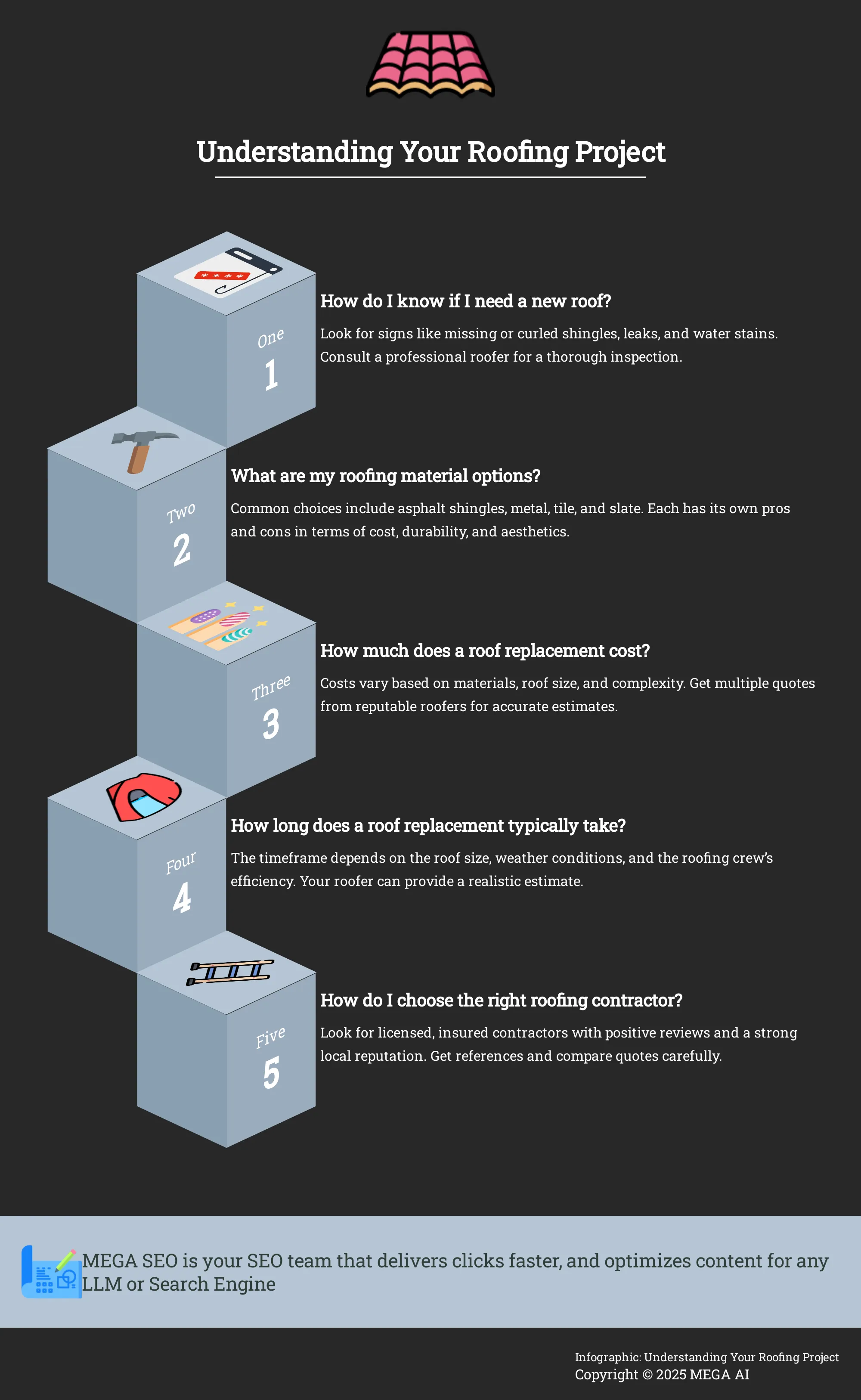
Think about the questions you hear most often: "How long does a roof replacement take?" "What are the signs I need a new roof?" "How do I handle insurance claims for roof damage?" You can answer these through blog posts, FAQ pages, or short informational videos. This approach builds confidence in your expertise and transparency, making potential customers feel more comfortable choosing your services.
Introduce Interactive Roof Design Tools
Helping customers visualize their new roof can be a game-changer in their decision-making process. Atlas Roofing notes that "[u]tilizing interactive tools, such as roof design applications, can engage customers and allow them to visualize their projects, enhancing their decision-making process." This kind of engagement can make the selection process more enjoyable and less overwhelming for homeowners.
While developing your own tool might be a significant investment, many manufacturers offer visualizers that you can embed on your website or link to. Offering such a tool empowers customers, helps them feel more involved in the project, and can make them more confident in their choices. It’s an innovative way to add value, improve the customer experience, and differentiate your business from competitors who may not offer such interactive features.
Measure and Optimize Your Roofing Content Strategy
Creating great content is just the first step in a successful digital marketing plan for your roofing business. To truly make an impact and see a return on your efforts, you need to consistently measure how your content is performing and be agile enough to make smart adjustments along the way. Measuring your content's success isn't about chasing vanity metrics; it's about gaining a deep understanding of what truly resonates with your potential customers and how your specific content pieces are contributing to the overall growth of your roofing business. Are your blog posts driving quote requests? Are your videos building trust and brand recognition? These are the questions that data can help you answer.
By regularly diving into the analytics, you can identify which topics capture the most attention, which formats (like articles, videos, or infographics) are most engaging, and which calls to action are most effective at converting readers into leads. This continuous cycle of measuring, learning, and optimizing is what transforms a good content strategy into a powerful, lead-generating machine. It allows you to refine your approach, ensuring that every piece of content you publish works harder for you. Think of it as the regular maintenance a roof needs to perform its best; your content strategy also requires ongoing attention and fine-tuning based on performance data. This proactive approach not only helps you attract more qualified leads but also builds a stronger, more authoritative brand presence in the competitive roofing market, ultimately leading to better ROI from your marketing spend. Platforms like MEGA AI can assist by automating parts of this optimization process, helping you keep your content fresh and effective.
Track Key Metrics for Content Performance
To get a clear picture of your content's effectiveness, you’ll want to keep an eye on several key metrics. Start with website traffic – how many people are visiting your site as a result of your content? Then, look at lead generation. Are your articles, videos, or social posts prompting visitors to contact you or request a quote? Conversion rates will tell you how many of those leads turn into actual customers. Don't forget social media engagement; likes, shares, and comments indicate that your content is connecting with your audience. For any paid content or ads, tracking your return on investment (ROI) is essential. Regularly measuring these numbers helps you understand what’s working and where you can make improvements to your overall marketing strategy.
These metrics provide valuable insights. For instance, high traffic but low lead generation might mean your content attracts interest but lacks a strong call to action. Low social media engagement could suggest your topics aren't hitting the mark or your visuals aren't compelling enough. By consistently tracking these performance indicators, you can identify patterns, understand audience preferences, and make data-driven decisions to enhance your content's impact and ultimately, your bottom line.
Use Tools for Content Analysis and Improvement
Understanding all those metrics can feel overwhelming, but thankfully, you don't have to do it manually. Various tools can help you analyze your content's performance and pinpoint areas for improvement. Website analytics platforms, like Google Analytics, are fundamental for tracking traffic, user behavior, and conversion sources. Social media platforms also offer their own analytics dashboards to monitor engagement and reach. For a more comprehensive view, consider tools that specialize in content marketing performance, which can offer deeper insights into how specific pieces of content are contributing to your goals. Diving deep into these metrics allows you to make informed decisions and allocate your resources more effectively.
Platforms like MEGA AI's SEO services can further simplify this process by not only helping you create optimized content but also by offering features to maintain and improve existing articles. For example, our Maintenance Agent can identify opportunities to enhance click-through rates or suggest new content additions to help articles rank more highly. Using the right tools transforms raw data into actionable intelligence, making it easier to refine your strategy and achieve better results from your content efforts.
Adjust Your Strategy with Data Insights
Collecting data is one thing; using it to make meaningful changes is another. The real power of tracking metrics and using analysis tools comes when you apply those insights to adjust and evolve your content strategy. If you notice blog posts about "emergency roof repair" get a lot of traffic and leads, that’s a clear signal to create more content around similar urgent needs. If videos showcasing your team's expertise result in higher engagement than DIY guides, you might shift your video production focus. Measuring the success of your campaigns provides the concrete evidence needed to justify these shifts and demonstrate how your marketing efforts contribute directly to your business's growth.
This iterative process of adjustment is key to long-term success. The digital landscape, search engine algorithms, and customer preferences are always changing. What worked six months ago might not be as effective today. By consistently reviewing your performance data and being willing to adapt, you ensure your roofing content strategy remains relevant, effective, and aligned with your business objectives. This proactive approach helps you stay ahead of the competition and continuously improve your return on investment.
Follow Best Practices for Effective Roofing Content
When it comes to content for your roofing business, just putting words on a page isn't enough to make a real impact. To genuinely connect with people who need your services and show them you're the expert they can trust, it's smart to stick to some proven best practices. These aren't complicated rules, but rather helpful guidelines that make your content more effective, easier for customers to find, and more likely to turn a reader into a lead. Think of it like building a sturdy roof – you need the right materials and techniques for a lasting result. Good content practices ensure your marketing efforts are built on a solid foundation. This means truly understanding your audience – their worries, their questions, and what they're looking for in a roofing contractor. It’s about speaking their language consistently, so they recognize and trust your brand. Furthermore, it's crucial to provide real value with your content, offering solutions and insights rather than constant sales pitches. And, of course, even the best advice is lost if no one sees it, so making your content discoverable through search engines is key. By focusing on these core principles, you can create content that not only informs but also builds relationships and drives growth for your business. We'll explore some specific ways to do this, helping you craft messages that resonate and deliver results, turning your website and social media into powerful tools for attracting and retaining customers.
Understand Your Target Audience
Before you write a single word, it’s essential to know exactly who you’re trying to reach. As the saying goes, "Understanding your customer: Knowing who you're trying to reach (homeowners vs. businesses, etc.) is crucial for effective marketing." Are you speaking to residential homeowners worried about protecting their family and home, or are your clients commercial property managers focused on long-term value and minimizing disruptions? This distinction is key. Your content needs to address their specific concerns and motivations directly. A homeowner might appreciate articles on shingle aesthetics and durability for their house, while a business owner will look for information on cost-effective flat roofing solutions. When you tailor your message this way, it becomes far more relevant and impactful.
Maintain a Consistent Brand Voice
The way you communicate is just as important as the information you share. "A consistent brand image (logo, colors, tagline) builds trust," and this extends to your brand voice—the distinct personality and tone your business uses. Whether you aim for a friendly, neighborly feel or a more formal, expert tone, maintaining this voice across your website, social media, and all marketing materials is key for building recognition. A steady brand voice helps your business feel more dependable and familiar. Think of it like a signature; it makes your communications instantly identifiable. When you develop a consistent brand voice, you solidify your company's identity, making your roofing business stand out and become more memorable to potential customers.
Balance Informative and Promotional Content
While attracting customers is the end goal, your content shouldn't feel like a constant sales pitch. "Content marketing is a strategic approach that involves creating and distributing valuable, relevant, and consistent content to attract and engage your target customer base." Your primary focus should be on providing genuine value. Answer common roofing questions, offer practical advice, and educate your audience about their options. For example, you could share tips on identifying early signs of roof damage or explain the advantages of different material types. This kind of informative content establishes you as a trusted expert. Then, you can naturally introduce promotional elements, like showcasing a successful project or highlighting a specific service. A well-balanced content strategy keeps your audience engaged and builds confidence in your business.
Optimize Content for Search Engines
Even the most helpful content won't achieve much if people can't find it. That's where search engine optimization (SEO) plays a vital role. "Using the right keywords in your website content to rank higher in search results" is essential for making your business visible when potential customers are looking online for roofing services. Begin by researching the terms and phrases your ideal customers type into search engines. Then, naturally weave these keywords into your website pages, blog posts, and service descriptions. For businesses looking to streamline this, platforms like MEGA AI provide SEO solutions that can assist with keyword research and content optimization, ensuring your valuable information reaches the right audience and improves your online presence.
Explain Technical Topics Clearly
Roofing involves a lot of specific terms and processes that can be confusing for the average homeowner or property manager. While you're the expert, your customers likely aren't. "Creating engaging content that addresses common roofing questions can enhance user experience and keep visitors on your site longer." When you explain these technical topics in simple, clear language, your content becomes much more accessible and genuinely helpful. Try to break down complex subjects into smaller, easy-to-digest pieces. Analogies, straightforward definitions, and even visuals can be great tools. For instance, clearly explaining what "ice damming" is, its causes, and prevention methods is more useful than just using the term. This kind of clear communication significantly improves the website user experience, builds trust, and demonstrates your commitment to helping customers make informed decisions.
Integrate Content into Your Overall Roofing Marketing
Creating great content is a fantastic start, but to truly see results, that content needs to be woven into the fabric of your entire marketing plan. Think of it as the fuel for your marketing engine. When your content works hand-in-hand with your other marketing activities, you create a more powerful and cohesive message that reaches your audience effectively. This integration ensures that every piece of content you produce serves a purpose and contributes to your broader business objectives, whether that's generating leads, building brand awareness, or educating potential customers.
Let's look at how you can make your content a central part of your roofing marketing strategy.
Align Content with Your Business Goals
Before you write a single blog post or film a video, take a moment to think about what you want to achieve with your roofing business. Are you looking to attract more local homeowners, establish yourself as an expert in specific roofing materials, or perhaps increase quote requests through your website? Your content should directly support these objectives. For instance, if lead generation is a primary goal, your content could focus on common roofing problems and offer a downloadable guide for solutions in exchange for contact information.
This strategic approach means every piece of content has a clear purpose. It’s not just about filling space; it’s about creating valuable resources that guide potential customers toward choosing your services. By ensuring your content marketing efforts are tied to specific business outcomes, you'll find your marketing becomes much more effective and easier to measure.
Create a Content Calendar for Consistency
Consistency is so important in content marketing. Regularly publishing fresh, relevant content keeps your audience engaged and signals to search engines that your website is active and valuable. A content calendar is your best friend here. It allows you to plan your topics, formats, and publishing schedule in advance. You can map out blog posts, social media updates, videos, and even email newsletters, ensuring a steady flow of information.
Think about seasonal topics, like "Preparing Your Roof for Winter," or recurring themes, such as "Monthly Maintenance Tip." Planning your content with a calendar helps you stay organized, avoid last-minute scrambles for ideas, and maintain a consistent presence across all your channels. This thoughtful scheduling helps build anticipation and reliability with your audience.
Repurpose Content Across Channels
You don’t always need to reinvent the wheel. Once you’ve created a valuable piece of content, look for ways to repurpose it for different platforms. That in-depth blog post about choosing the right shingles can become a series of informative social media graphics, a short explainer video, or key talking points for a podcast segment. This approach helps you maximize the reach of your best material and saves you significant time and effort.
Repurposing ensures your core messages are reinforced across various touchpoints where potential customers might find you. For example, a customer testimonial video could be embedded in a blog post, shared on social media, and even featured in an email newsletter. This strategy makes your content work harder for you, reaching a wider audience with consistent messaging.
Combine Content with Other Marketing Efforts
Your content shouldn't live in a silo. It’s most powerful when integrated with your other marketing activities, like SEO, paid advertising, and email campaigns. High-quality blog posts can improve your website's search engine rankings, attracting organic traffic. These same posts can be promoted through paid social media ads to reach a targeted audience or shared with your email subscribers to nurture leads.
When your content supports your overall digital marketing strategy, each element amplifies the others. For instance, a landing page with compelling content is crucial for converting clicks from a paid ad campaign. Similarly, informative articles can provide the substance for your email marketing, helping you build relationships and guide prospects through their decision-making process. This synergy creates a more effective and efficient marketing machine for your roofing business.
Related Articles
- Roofing SEO: Your Guide to Rank #1 in 2024
- Local SEO for Roofers: A Complete Guide
- Roofers Marketing | SEO & PPC That Drives Results
Frequently Asked Questions
I'm a roofer, not a writer. How can I realistically start creating content if I'm busy? That's a common concern, and totally understandable. The good news is you don't need to become a professional writer overnight. Start by thinking about the questions you answer for customers every day. You can turn those answers into short, helpful articles or even quick video tips filmed on your phone. Focus on sharing your existing expertise in a straightforward way. And if writing really isn't your thing, tools like MEGA AI can help generate and optimize content, taking some of that pressure off.
If I'm just starting out with content, what are the most important types to focus on for my roofing business? If your time is limited, I'd suggest focusing on content that powerfully showcases your work and builds immediate trust. Customer testimonials are incredibly valuable, so make it a habit to ask happy clients if they'd share their experience. Also, before-and-after photos or short videos of your projects provide undeniable proof of your quality. These visual pieces often resonate strongly with homeowners looking for a reliable roofer.
How can I tell if my social media efforts are actually helping my roofing business and not just wasting time? It's smart to question the return on your time. While likes and shares are nice, look for more concrete indicators. Are people clicking from your social media profiles to your website? You can often see this in your website analytics. Are you receiving direct messages asking for quotes or more information? Sometimes, customers will even mention they found you or liked a specific post when they call. Tracking these kinds of interactions will give you a much clearer picture of how social media is contributing to actual business.
You mentioned optimizing for search engines. Is writing good articles enough, or is there more to it for my roofing website? High-quality, informative articles are definitely a huge piece of the puzzle for showing up in search results. When your content genuinely answers the questions people are searching for, search engines take notice. However, it also helps to have a basic understanding of the keywords your potential customers are using and to make sure your website is set up in a way that's easy for search engines to read and understand. Think of great content as the main attraction, and these other elements as making sure the path to it is clear.
How long should I expect to do content marketing before I start seeing more leads for my roofing company? Content marketing is more of a marathon than a sprint, so patience and consistency are really important. You might start seeing some early positive signs like more website visitors or increased engagement on your social media within a few months. However, for that to translate into a steady flow of new leads, it often takes a bit longer, perhaps six months to a year of consistent effort. The key is to keep providing value, and over time, you'll build the authority and visibility that attracts customers.