
A powerful app needs equally powerful content to tell its story and guide users effectively. Simply filling your app with text and visuals isn't enough; you need a clear plan. Creating content for Consumer Apps requires a strategic approach, one that aligns every word and image with your overall business goals. This piece will show you how to build that robust strategy. We'll discuss setting clear objectives, choosing the right content formats, and planning your distribution for maximum impact. You'll discover how to turn your app content into a hardworking asset that drives engagement and supports your growth.
Key Takeaways
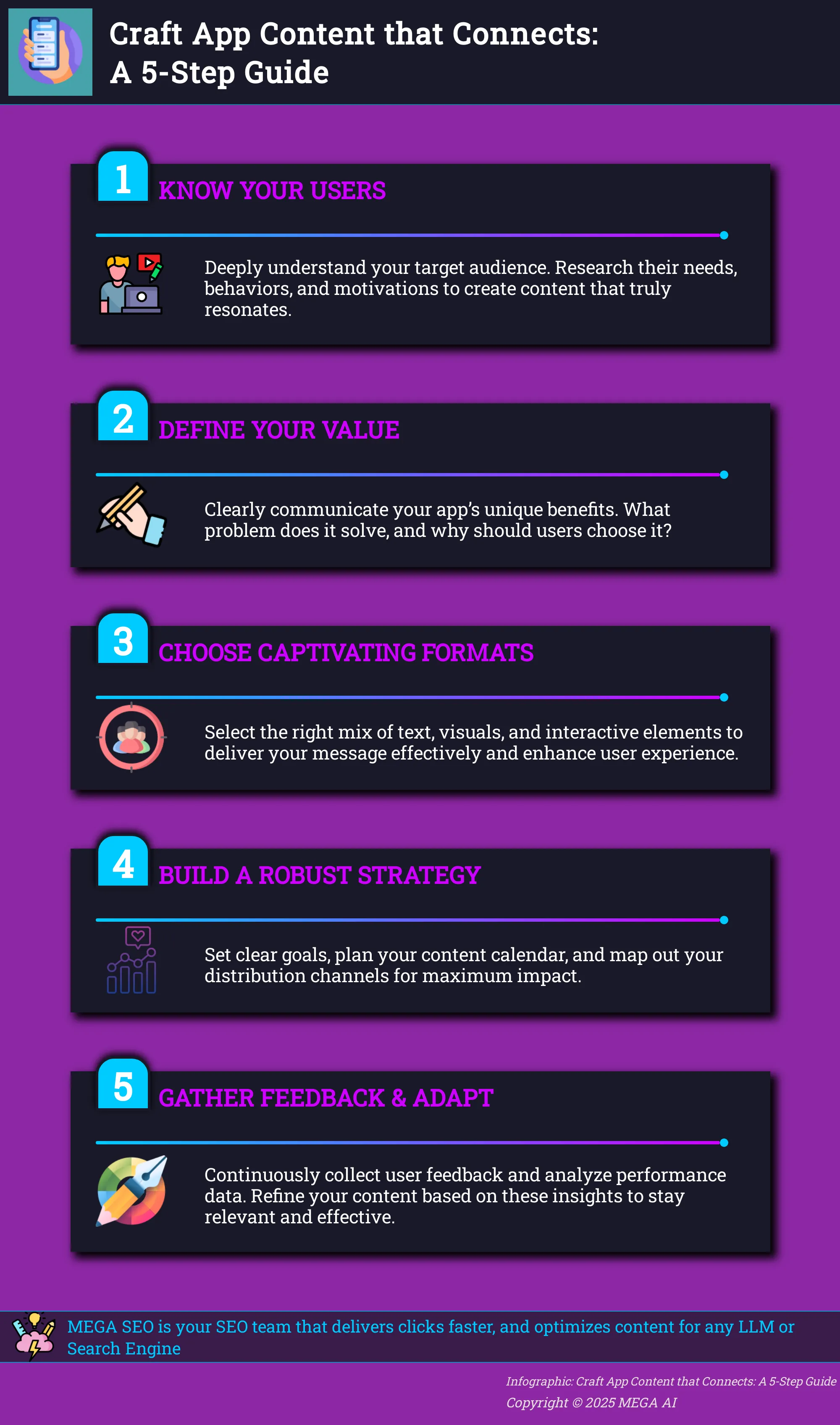
- Truly Understand Your Users: Dedicate time to building detailed user personas and conducting thorough market research; this deep insight is key to crafting app content that genuinely connects with their needs and motivations.
- Plan Your Content with Clear Intent: Define specific goals for your app content, select formats that will captivate your users, and map out your distribution strategy to ensure your message reaches the right people effectively.
- Refine Your Content Through Feedback and Data: Make it a practice to gather user feedback and analyze performance metrics; use these insights to consistently enhance your content, keeping it relevant and effective as user needs and technologies change.
Know Your App Users Inside and Out
Before you dive into designing features or writing a single word of content for your app, there's a crucial first step: getting to know your users. I mean really know them. It might sound basic, but understanding who your users are, what they genuinely need, and how they behave is the absolute foundation for building a successful app and an effective content strategy. When you have this deep insight, every decision becomes clearer, from app development to your marketing messages. This understanding allows you to create experiences and content that truly connect, making your users feel understood and valued. For businesses aiming to refine their SEO efforts or optimize paid advertising, this foundational knowledge is just as vital, ensuring your message reaches the right audience effectively. Without this, you're essentially navigating in the dark, hoping your content lands well. Taking the time to understand your audience means your content will work harder for you, engaging users and encouraging them to stick around.
Create Detailed User Personas
Think of user personas as rich, semi-fictional profiles of your ideal app users. Crafting these isn't just a box-ticking exercise; it's a strategic imperative. Understanding the buying behavior and motivations of your users helps you add structure and focus to your content marketing strategy. It’s how you confirm you're attracting the kind of user who will find real value in your app.
When you align your content with these personas, every piece you produce—be it an in-app notification, a helpful blog post, or a social media update—is created with a specific individual in mind. This targeted approach significantly increases your content's impact. While developing thorough user personas through both qualitative and quantitative research can be an investment, the clarity and direction they offer are essential for ensuring your efforts are well-spent.
Conduct Smart Market Research
User personas aren't just pulled out of thin air; they are built upon a solid bedrock of market research. This research is how you gather the essential data to create accurate and genuinely useful representations of your ideal customers. In fact, a significant percentage of businesses that surpass their lead and revenue targets effectively segment their target market using customer personas.
The process involves a few key stages. You'll need to clearly define your research objectives, collect relevant data through methods like surveys and user interviews, and then carefully analyze this information to identify distinct audience segments. From this analysis, you can then build out detailed profiles for each persona. It's also a good practice to validate these personas with feedback from actual users and ensure they align with your overarching business and content strategy. This groundwork ensures your app content speaks directly and persuasively to the people you most want to reach.
What Makes App Content Truly Engaging?
Once you have a solid understanding of who your app users are, the next step is to figure out what kind of content will truly capture their attention and keep them interested. Engaging content isn't just about flashy visuals or clever words; it's about providing genuine value and connecting with your audience on a meaningful level. Think of it as the heart of your app's communication – it’s what makes users feel seen, understood, and eager to explore what your app offers next. This connection is built when your content speaks directly to their needs, solves their problems, or simply makes their experience with your app more enjoyable and worthwhile.
Creating this type of content requires a thoughtful approach. It’s about moving beyond surface-level interactions to foster a deeper relationship with your users. When content resonates, it can transform a casual user into a loyal advocate for your app. This means looking at every piece of information, every notification, and every visual as an opportunity to reinforce your app's value and strengthen that user connection. Ultimately, truly engaging content is what keeps users coming back, not because they have to, but because they want to.
Prioritize User Needs and Relevance
The foundation of engaging app content lies in its relevance to your users. Generic messages often fall flat because they don't speak to individual experiences. As Alchemer notes, "Targeted content is crucial: Generic messages annoy users. Personalized content, tailored to individual user needs and preferences, is far more effective." This means truly understanding their pain points, desires, and how they interact with the digital world.
When you create content that directly addresses what your users are looking for, it naturally becomes more engaging. This approach not only helps attract users but can also be a cost-effective way to promote your app and encourage downloads. By focusing on their needs, you're not just pushing information; you're offering solutions and building a connection that feels personal and valuable.
Define Your Value and How You'll Keep Users Hooked
Clearly communicating your app's unique value is essential for keeping users engaged long-term. What problem does your app solve, or what benefit does it provide better than anyone else? A "well-designed content strategy is vital for building relationships with app users and keeping them coming back," as Pepper Content highlights. This strategy should consistently reinforce why your app deserves a place on their device.
One effective way to do this is to showcase how your app has helped real users solve problems, using formats like text or video testimonials. To ensure your content continues to hit the mark, it's also wise to regularly collect feedback directly within the app using short, simple surveys. This direct line to user sentiment helps you understand what resonates and where you can refine your approach, ensuring your content strategy remains effective and your users stay hooked. These insights can then inform your content generation process, making it more targeted and impactful.
Choose Content Formats That Captivate Your Audience
Once you have a solid understanding of your app users and what kind of information they find valuable, the next step is to think about how you’ll present that content. The format you choose is just as important as the message itself. Different formats appeal to different preferences and serve various purposes within your app. Selecting the right mix can significantly impact how users interact with your app, how easily they understand its features, and ultimately, whether they continue to use it.
Think of content formats as different tools in your toolkit. Sometimes a clear, concise text explanation is best. Other times, a striking visual or an interactive element can convey information more effectively and create a more memorable experience. The key is to choose formats that not only deliver your message clearly but also make your app feel intuitive, helpful, and enjoyable to use. By thoughtfully considering your content formats, you can create a more engaging environment that keeps users coming back. This careful selection process ensures your message resonates and encourages continued interaction with your application.
Develop Your Text-Based Content Plan
Text is a fundamental part of almost every app experience, from button labels and notifications to help guides and update announcements. A well-structured text-based content plan ensures that all written communication within your app is clear, concise, and genuinely useful to your users. As RocketLab highlights, "Content marketing creates valuable content to attract users and boost downloads." This underscores how effective text can be when it’s thoughtfully planned.
Your plan should cover all instances of text, including onboarding messages, feature explanations, error messages, and any informational content. Focus on making every word count. Users appreciate when information is easy to find and understand, especially on smaller mobile screens. Consider how tools that assist with content generation can help you craft some of this foundational text, ensuring it’s optimized for clarity and user engagement from the start.
Incorporate Striking Visuals and Interactive Elements
While text is crucial, visuals and interactive elements can often communicate complex ideas more quickly and make your app feel more dynamic. According to Alchemer, "Visual content is more memorable, with a 65% retention rate after three days." This means that using images, icons, and even short animations can significantly improve how well users remember and understand information within your app. These visual cues can guide users, break up text, and make the overall experience more appealing.
Beyond static visuals, think about incorporating interactive components. These could be simple things like progress bars, sliders, or in-app surveys. As Alchemer also points out, you can "Regularly collect feedback directly within the app using short, simple surveys." This direct line to user sentiment is invaluable for refining your app and its content. These elements not only make the experience more engaging but also provide you with actionable insights to improve user satisfaction and reduce churn.
Build a Powerful Content Strategy for Your App
Creating content for your app without a clear strategy is like setting sail without a map – you might drift along, but you’re unlikely to reach your desired destination. A powerful content strategy acts as your roadmap, guiding every piece of content you create to ensure it serves a distinct purpose, resonates with your audience, and contributes to your app's growth. It’s about being intentional. Instead of simply producing blog posts or social media updates, a strategy helps you understand what your users need at different stages and how your content can effectively meet those needs.
Think of your content strategy as the blueprint for how you'll attract, engage, and retain users. It involves a deep understanding of who you're talking to, what you want to achieve, what kind of content will help you get there, and how you'll measure your success. This thoughtful approach ensures that your efforts are focused and your resources are used wisely. For startups and small businesses, where every bit of effort counts, having a solid plan is even more critical. Platforms like MEGA AI can help streamline parts of this process, such as SEO, allowing you to concentrate on the strategic elements and the quality of your message. A well-defined strategy also makes it easier to adapt when things change, whether it's user preferences or shifts in the market.
Set Clear Goals and Measurable KPIs
Before you write a single word or design an image, it's essential to ask: what do we want this content to achieve? Setting clear, specific goals is the foundation of any effective content strategy. Are you aiming for more app downloads, an increase in newsletter sign-ups, or perhaps greater brand awareness within your niche? As experts in content marketing for apps suggest, this clarity will directly guide your content creation efforts and, just as importantly, provide a benchmark for measuring your success.
Once your goals are defined, you need Key Performance Indicators (KPIs) to track your progress. KPIs are the specific metrics that tell you if you're hitting your targets. For example, if your goal is increased downloads, a KPI could be the number of downloads attributed to a specific content campaign. If it's brand awareness, you might track social media mentions or website traffic. Without these measurable markers, you’re essentially working in the dark, unable to determine what’s effective and what needs adjustment.
Plan Your Content Calendar and Distribution
With your goals clearly established, the next step is to plan what content you'll create and how you'll deliver it to your target audience. A content calendar is an invaluable tool here, helping you organize your content themes, formats, and publishing schedule. It's wise to consider a mix of content types to keep your audience engaged. This could include industry explainers, previews of new app features, helpful tutorials, or even special promotions. This variety ensures there's always something fresh and relevant for your users.
Equally important is your distribution plan. Creating great content is only half the effort; you also need to ensure it reaches the right people. A multi-channel approach to content distribution is often more effective than relying on a single outlet. Think about where your audience spends their time – is it on specific social media platforms, industry forums, or do they prefer email newsletters? Regularly tracking and analyzing the performance of your content across these channels will allow you to refine your strategy and optimize your reach over time.
Turn User Feedback and Analytics into Action
Creating app content that truly connects isn't a one-shot deal; it’s more like an ongoing conversation with your users. The best way to keep this dialogue flowing and fruitful is by really listening to what they're saying, both through their words and their actions. When you systematically gather their feedback and look at how they use your app, you turn that raw information into clear steps you can take. This helps you polish your content, making it more of what your users want and need, which naturally keeps them coming back. Think of user feedback and analytics as your friendly guide, pointing your content strategy in the direction that helps your app grow and keeps your audience happy. This continuous refinement ensures your content remains relevant and impactful, fostering a stronger connection with your user base and encouraging sustained engagement.
Gather and Understand User Behavior Data
To really get a handle on how users are experiencing your app's content, you need to tune into their perspective. A straightforward way to do this is by collecting feedback right inside the app. Short, simple surveys can give you a goldmine of information about what users love and where they might be getting stuck. This direct line to how users feel is incredibly useful for spotting exactly where you can make things better.
Beyond what users tell you directly, keep a close eye on how they actually move through your app. Things like how quickly people leave certain screens (bounce rate), how long they spend on others, and the paths they take can show you how well your content is holding their attention. This behavioral data gives you strong clues about what’s working and what might need a rethink, helping you understand content effectiveness from the user's point of view.
Continuously Improve Content with Data-Driven Insights
Once you have this valuable user feedback and behavioral data coming in, the next step is to use these insights to make smart improvements to your content. This isn't about making random changes; it's about using a data-driven approach to refine what you offer. For example, if your data shows users are quickly leaving a page with a lot of text, you might try breaking it up with more visuals or making the language simpler.
Always aim for clarity and ease of use. Content that’s easy to digest and looks good usually keeps users around longer. Don’t forget the technical side either; pages that load quickly are essential for a good experience. Make it a habit to review your analytics, look for patterns, and test out changes. This ongoing cycle of gathering information, making adjustments, and seeing what happens will help you consistently make your app's content better and more effective at keeping users.
Create App Content That Resonates: Best Practices
Creating app content that truly connects with your users goes beyond just filling space. It’s about crafting an experience that feels intuitive, valuable, and aligned with their expectations. When your content hits the mark, users are more likely to stick around, engage deeply, and become advocates for your app. Adopting a set of best practices can guide your efforts, ensuring that every piece of content, from the smallest notification to the most detailed guide, serves a clear purpose and contributes to a positive user journey. These aren't just suggestions; they are foundational elements for building a successful app that users genuinely appreciate and use regularly.
Think of these practices as your framework for consistently delivering quality. They help you focus on what matters most: understanding your audience, designing for usability, and keeping your app’s information fresh and relevant. By applying these principles, you can transform your app from a simple tool into an indispensable resource for your users. This approach not only helps in attracting new users but is also crucial for retaining your existing audience by providing ongoing value. When content resonates, it reduces friction, answers questions proactively, and makes the overall app experience more enjoyable. Let's explore some key strategies to make your app content shine.
Keep Your Tone and Branding Consistent
Your app's voice is a core part of its identity. It's essential to use a tone and style that genuinely matches your app's purpose and speaks directly to your target audience. Whether your brand is playful, professional, or purely informational, maintaining that voice consistently across all in-app text, notifications, and support materials builds familiarity and trust. Make your content interesting and valuable, and don't shy away from using images, videos, and other visuals to enhance your message.
This consistency extends to your visual branding as well. Logos, color schemes, and typography should be uniform, creating a cohesive and recognizable experience. Remember, understanding user needs, pain points, and preferences is fundamental to creating relevant and engaging content that feels authentic to your brand. When users know what to expect, they feel more comfortable and connected.
Design for a Seamless Mobile Experience
Mobile users expect a smooth and intuitive experience. Your app's visual interface must be easy to navigate, even on smaller screens. This means prioritizing clarity and simplicity in your design. Use clear visuals, keep paragraphs short, and incorporate plenty of white space to improve readability and reduce cognitive load. Every element should be thoughtfully placed to guide the user effortlessly.
Furthermore, always optimize for touchscreens. Design your app for one-handed use whenever possible, placing frequently used buttons and interactive elements within easy thumb reach. Think about the user's physical interaction with their device and aim to minimize the number of steps needed to complete common tasks. A well-designed mobile interface not only looks good but also makes the app a pleasure to use, encouraging longer and more frequent engagement.
Regularly Refresh and Update Your Content
App content should not be a "set it and forget it" affair. To keep users engaged and ensure your app remains valuable, it's important to regularly refresh and update your content. One effective way to guide these updates is to regularly collect feedback directly within the app. Short, simple surveys can help you understand what resonates with users and what doesn't, directly impacting their experience and potentially reducing churn.
Beyond direct feedback, track user behavior by looking at metrics like bounce rate, time spent on specific pages or features, and conversion rates for in-app goals. This data offers powerful insights into how users are interacting with your content, allowing you to measure its effectiveness and make data-driven improvements. Consistently refining your content based on these inputs ensures your app stays relevant and continues to meet the evolving needs of your audience.
Measure Your Content's Impact and Make it Even Better
Creating great content is just the first step. To truly understand its value and ensure it’s hitting the mark with your app users, you need to measure its performance. Think of it like this: you’ve sent a message, and now you need to see if it was received and understood. This isn’t about judgment; it’s about learning and refining. By consistently tracking how your content performs, you gain powerful insights that allow you to make smart adjustments, ensuring your efforts lead to better engagement and a stronger connection with your audience. This continuous loop of creating, measuring, and improving is what separates good content from truly effective content. It’s how you ensure your app not only attracts users but also keeps them coming back for more because they find genuine value in what you offer. This data-driven approach helps you work smarter, not just harder, by focusing your creative energy where it will have the most significant impact.
Find the Right Tools to Track Performance
To really get a handle on how your content is doing, you'll need the right tools in your corner. Think of platforms like Google Analytics as your window into user behavior. These tools help you see what people are actually doing: how many are visiting, what they’re sharing, or if they’re downloading specific pieces of content. You can track key metrics that show engagement levels and help you understand what truly captures your audience's attention. Regularly checking these numbers isn’t about getting lost in data; it’s about spotting trends and understanding what’s working well and what might need a little tweaking. This information is invaluable for making informed decisions rather than guessing what your users prefer.
Adjust Your Approach Based on What Works
Once you have data flowing in, the next step is to use it to make your content even better. This is where you put those insights into action. If certain topics or formats are getting a lot of love from your users, that’s a clear signal to create more of that. Don’t be afraid to also gather direct feedback. Simple in-app surveys can offer a goldmine of information about what your users want and need. This whole process is about iteration – trying things, seeing how they perform, and then making informed adjustments. It’s a continuous cycle that helps you refine your strategy and keep your content fresh, relevant, and effective for your app users.
Weave Content Seamlessly into the User Journey
Think of your app's content not just as static information, but as a helpful companion that guides your users through their entire experience. When you thoughtfully integrate content into every stage of the user journey, it transforms interactions from a series of mere taps into a smooth, intuitive flow. This means going beyond a simple welcome screen or a buried help section. It’s about delivering the right information, in the most digestible format, precisely when your user needs it. This approach helps users feel understood and supported, making your app a valuable part of their daily routine.
From their very first interaction to their long-term use, content plays a crucial role. It can introduce a new feature, celebrate a user's achievement, or offer a timely tip just when they might be feeling a bit lost. By anticipating what your users need and proactively offering solutions through clear content, you build trust and continuously demonstrate your app's value. This seamless provision of information makes the app feel less like a tool and more like a reliable partner, encouraging users to explore more deeply and remain engaged for the long haul.
Craft Content for a Great First Impression and Onboarding
Your app’s onboarding sequence is your prime opportunity to make a fantastic first impression. This is where clear, concise, and welcoming content can truly make a difference. Instead of bombarding users with every single feature right away, gently guide them through the essentials with personalized touches. Generic messages often miss the mark; it's far more effective to provide Targeted Content tailored to individual user needs. Consider what a new user absolutely needs to know to get started and feel successful quickly.
A well-designed content strategy for onboarding is about more than just instruction; it’s about forging an initial connection. Use straightforward language, highlight key benefits, and perhaps incorporate short, engaging visuals or interactive tooltips. The aim is to make users feel confident and enthusiastic about what your app offers them. This initial positive experience is fundamental for encouraging continued use and building a loyal user base right from the start.
Use Content to Keep Users Engaged Long-Term
Once users are comfortably onboarded, their journey with your app continues, and so should your content strategy. To encourage users to return regularly, your app needs to consistently offer value and fresh interactions. This can manifest in various ways, from sharing helpful tips for advanced features to announcing new updates that improve their experience. Consider how you can Showcase how your app has helped real users solve problems through user stories or case studies, which can build community and demonstrate ongoing value.
Actively seeking user input through simple in-app surveys or feedback prompts can also inform your content, ensuring it stays relevant and addresses genuine user needs. This direct communication helps you understand what resonates and where users might need more support. Moreover, strong content marketing strategies for apps often highlight the ongoing benefits and support an app provides, which can be a powerful way to both retain current users and attract new ones.
Smart Content Creation for Startups and Small Businesses
Creating compelling content can feel like a significant task, especially when you're a startup or small business juggling multiple priorities. The good news is that with a thoughtful approach, you can make a substantial impact without needing a massive team or an unlimited budget. It’s really about working smarter, not just harder, to genuinely connect with your app users and build a loyal audience. This means looking for ways to be efficient and effective in how you plan, produce, and distribute your content, ensuring every piece serves a clear purpose in your overall strategy.
For businesses looking to grow, particularly in competitive digital spaces, content is a cornerstone of building visibility and trust. Whether it's through informative articles, helpful guides, or engaging updates within your app, your content speaks directly to your users' needs and interests. The challenge often lies in consistently producing high-quality material that stands out and resonates. This is where leveraging technology, like AI-powered platforms, can be a game-changer. Tools that assist with automated keyword research or even help to generate initial content drafts can free up your valuable time. This allows you to focus more on the strategic aspects of your content, refining messaging, and ensuring it aligns perfectly with your brand and your users' expectations. By adopting smart strategies and the right tools, even small teams can create a powerful content engine that drives meaningful engagement and supports business growth.
Manage Your Resources Wisely for Maximum Impact
For startups and small businesses, every resource – time, money, and human effort – is incredibly precious. When it comes to content creation, this means making every piece count and ensuring your efforts are well-directed. Effectively overcoming content creation challenges involves a thoughtful blend of planning, efficient execution, and continuous fine-tuning of your approach. Think about how you can streamline your content workflow; this might involve using tools that automate parts of the process, like initial content drafts or keyword research, freeing you to focus on strategy and quality.
While hiring writers deeply familiar with your industry is ideal, it's not always feasible for smaller operations. This is where leveraging AI-powered tools can be particularly helpful, enabling you to generate relevant content outlines or initial drafts quickly. This approach ensures your valuable resources are directed towards creating truly impactful content that resonates with your audience and supports your app's growth, rather than getting bogged down in more time-consuming tasks.
Ensure Consistent Quality in All Your Content
It’s not enough to simply produce a lot of content; the real goal is to deliver consistently high-quality material that your users find genuinely valuable. One of the biggest challenges marketers often face is ensuring the right content is available to their audience precisely when they need it, meeting their expectations every time. Your audience should always find authentic value in what you publish, whether it's an informative blog post, an update within your app, or a social media message.
High-quality content effectively solves problems for your users or provides them with insights they can use. While there are similarities to social media marketing, content marketing for apps often focuses more on addressing user needs and providing solutions than just grabbing attention. Maintaining this level of quality across all your content can be demanding. However, tools that help you optimize and maintain existing content can be incredibly beneficial, ensuring your message remains strong, relevant, and effective over time as your app and audience evolve.
Future-Proof Your App's Content Strategy
The digital world is always shifting, and what works today might not be as effective tomorrow. To make sure your app’s content continues to connect with users and support your growth, it’s important to build a strategy that can stand the test of time. This means being ready to adjust your approach as new tools emerge and user preferences change. A future-proof content strategy isn't about predicting the future perfectly; it's about creating a resilient framework that allows you to respond effectively to whatever comes next. This involves a commitment to ongoing learning and a willingness to experiment with new methods.
Think of your content strategy as a living document, one that evolves alongside your app and your audience. By focusing on adaptability and staying attuned to your users, you can ensure your content remains a powerful asset. This proactive stance will help you maintain relevance and continue to drive engagement long after your initial launch. It’s about building a strong foundation that can support various structures as your app evolves and the market landscape transforms. For startups and small businesses, this adaptability can be a significant advantage, allowing for quicker pivots than larger, more entrenched competitors. The key is to integrate processes for regular review and iteration into your content planning from the outset. This ensures that "future-proofing" isn't an afterthought but a core component of how you operate.
Stay Flexible and Adapt to New Technologies
New technologies are constantly reshaping how we create and consume content. To keep your app’s content strategy effective, embracing flexibility is key. This involves being open to new tools, platforms, and content formats as they become available. For instance, content marketing remains a cost-effective way to attract users, and new technologies can offer innovative ways to produce and distribute this valuable material.
Regularly monitoring your content's performance and making updates is a core part of this adaptability. Tools that help automate content updates can be particularly useful here, ensuring your material stays fresh and relevant without a constant manual overhaul. A successful mobile app content strategy often combines high-quality material with user-friendly design and data-driven optimization, allowing you to refine your approach as technology provides new insights.
Keep Up with Evolving User Expectations
Just as technology changes, so do the expectations of your app users. What delighted them yesterday might be standard today. A forward-thinking content strategy must therefore be deeply rooted in understanding and anticipating these shifts. This starts with a clear grasp of your target audience, including their needs, pain points, and preferences.
As users encounter more sophisticated and personalized experiences elsewhere, their expectations for your app’s content will also rise. User engagement is closely linked to how relevant and personalized your content feels. This means continuously gathering feedback, analyzing user behavior, and refining your content to meet these evolving demands. By staying attuned to what your users want and how they want to receive it, you can ensure your content remains a compelling reason for them to keep using your app.
Related Articles
- Content Analytics Best Practices for 2025
- The Ultimate Guide to Audience Engagement in 2024
- The Ultimate Guide to Content Marketing in 2024
- Mobile SEO: The Ultimate Guide for Optimizing Mobile Devices
- SEO Multimedia Optimization: A Guide to Boosting Content
Frequently Asked Questions
What's the most important first step when thinking about content for my new app? Before you even start drafting messages or designing screens, your primary focus should be on deeply understanding who your users are. This means going beyond basic demographics to uncover their genuine needs, what challenges they face, and how they typically interact with apps. This foundational knowledge will guide every content decision you make, ensuring what you create truly resonates with them.
How can I tell if the content in my app is actually effective and engaging for users? You can gauge your content's effectiveness by paying attention to a couple of key areas. First, look at how users behave within your app – analytics can show you which content they interact with most, where they might be dropping off, or what features they use frequently. Second, don't hesitate to ask them directly. Simple in-app surveys or feedback forms can provide invaluable insights into what they find helpful or what could be improved.
My team is small, and creating a lot of app content feels like a huge task. Any advice? It's a common concern for smaller teams. The key is to work smart. Start by clearly defining your content goals and focusing on quality over quantity. Plan your content in advance, perhaps using a content calendar, and prioritize what will provide the most value to your users. You can also explore tools that help streamline parts of the process, such as those for initial research or generating foundational text, which can free up your team to focus on refining the message and strategy.
Besides plain text, what other kinds of content can make my app more interesting for users? Text is essential, but incorporating other formats can significantly enhance the user experience. Think about using clear, impactful visuals like icons, images, or short animations to explain features or guide users. Interactive elements, such as progress bars, quick polls, or simple in-app feedback tools, can also make the experience more dynamic and provide you with useful information directly from your users.
How do I ensure my app's content stays relevant and useful as my app evolves and user preferences change? Keeping your content fresh and effective is an ongoing process. The best approach is to build in regular reviews of your content performance and user feedback. Stay open to adapting your strategy based on what you learn. This might mean updating existing information, trying out new content formats, or adjusting your tone to better match evolving user expectations. Being flexible and responsive is key to long-term engagement.